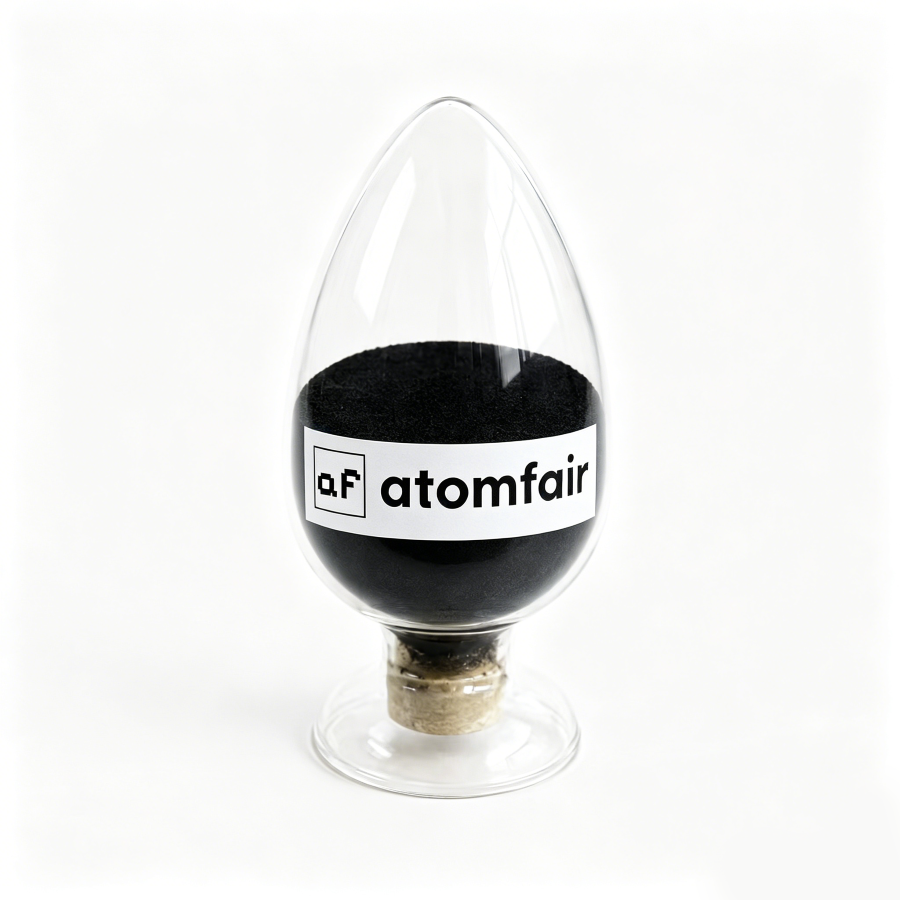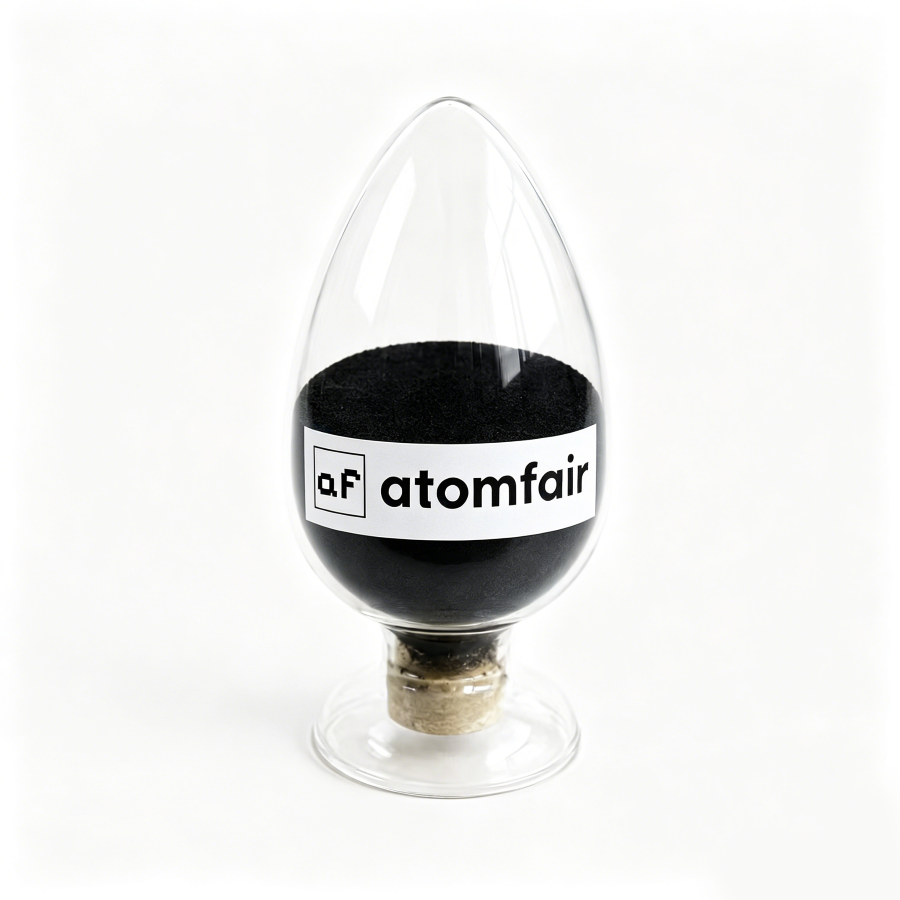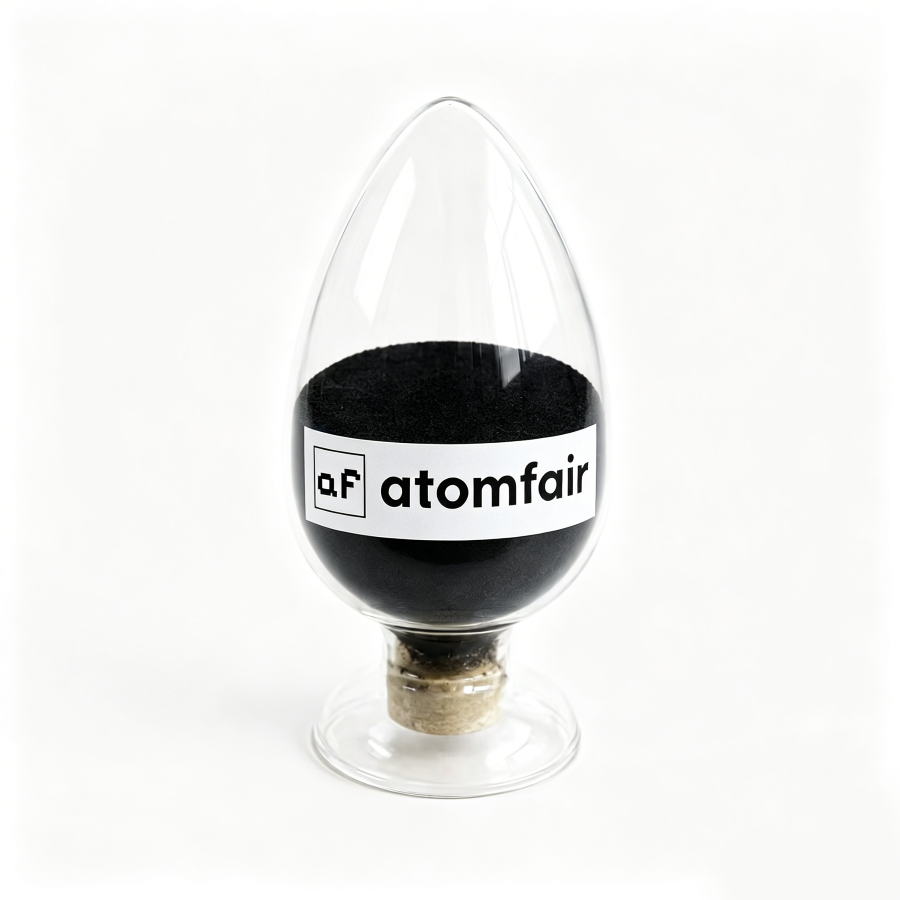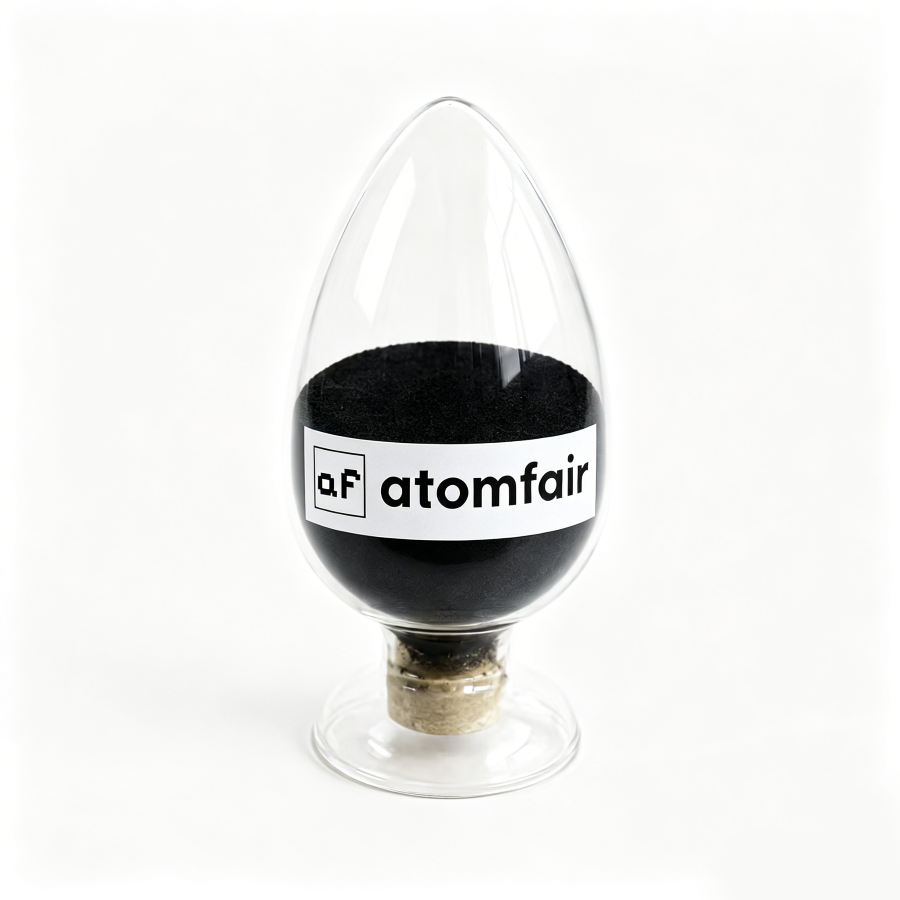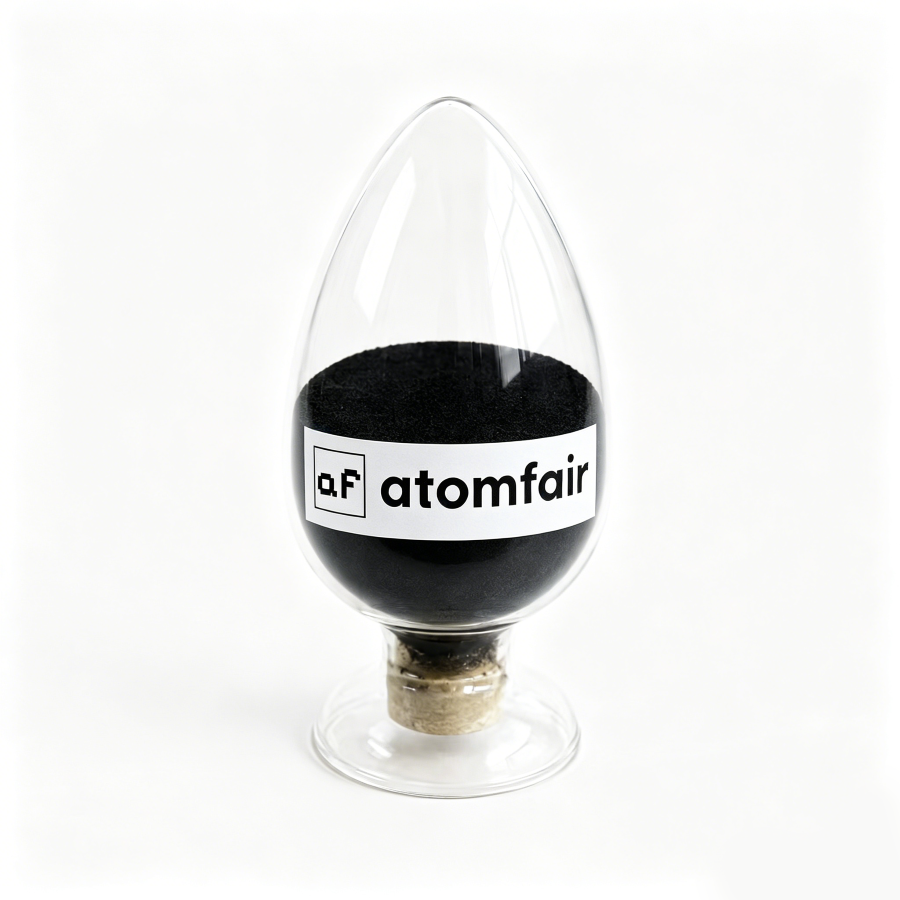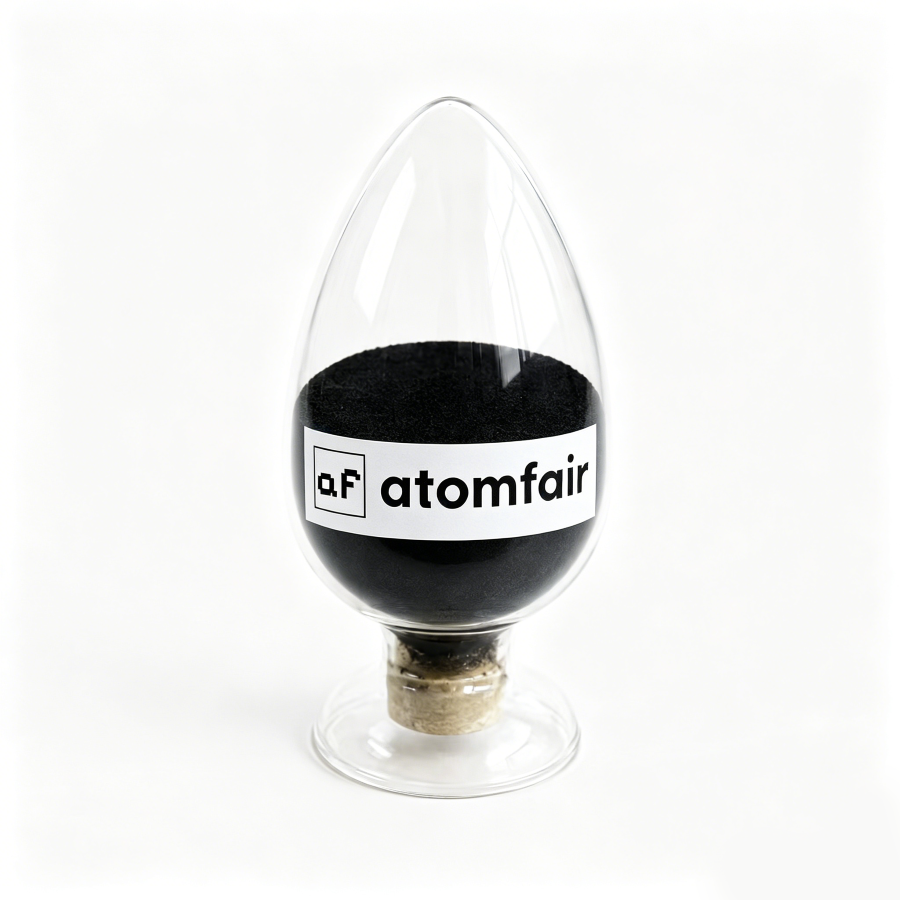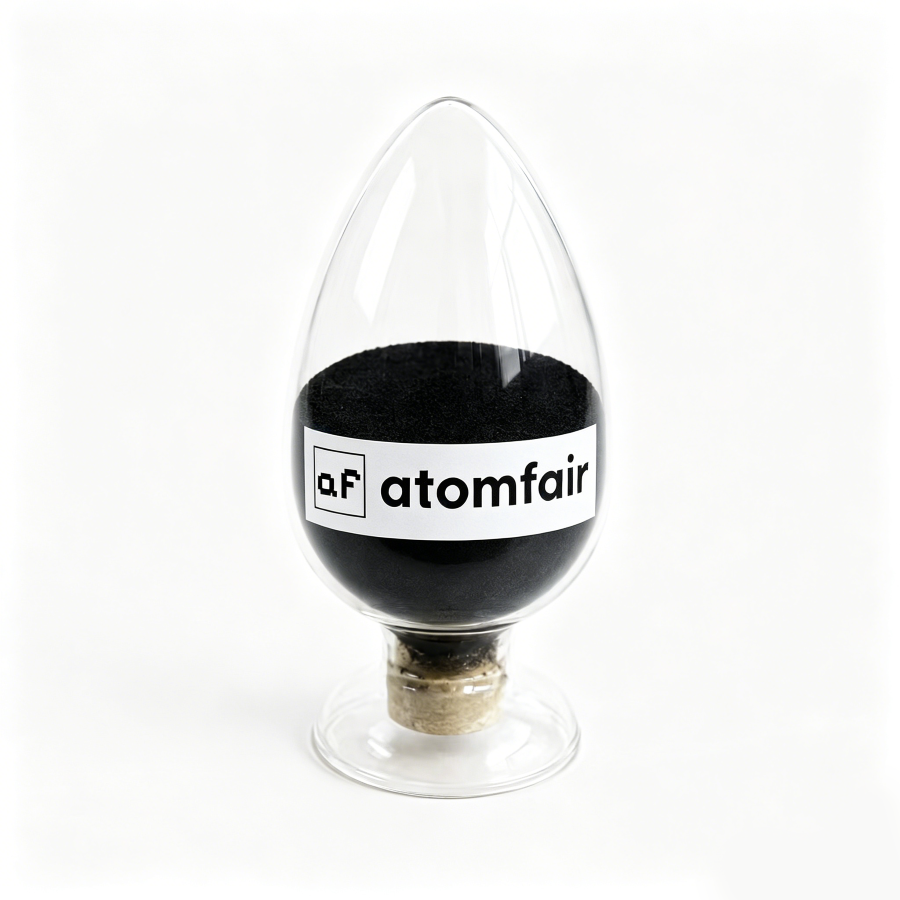
Lithium Iron Phosphate Cathode Powder (3nm Carbon Wrapped Grade)COMMERCIAL GRADE · PRODUCTION
|
|||||||||||||||||||||||||||
|
|||||||||||||||||||||||||||
|
TAILORED SOLUTIONS FOR RESEARCH
Contact our engineering team for technical support or official institutional quotations.
EMAIL: INQUIRY@ATOMFAIR.COM
|
|||||||||||||||||||||||||||
|
Manufacturer: PRODUCTION DIVISION · ADVANCED ENERGY STORAGE DIVISION
Brand: INDUSTRIAL TESTING HARDWARE
Specifications are representative and subject to change without notice. For the latest version and compliance certificates, contact official sales channel.
|
This material exhibits specific surface area, tap density, pellet density, carbon content, and discharge capacity constraints that ensure consistent electrochemical performance. Adherence to these parameter ranges is critical for reproducibility in battery research applications.
- Specific Surface Area Constraint: The specific surface area (BET) must remain within 9.5 to 12.5 m²/g to maintain specified electrolyte interaction and ionic transport characteristics.
- Tap Density Constraint: The tap density must be at least 0.7 g/cm³ to ensure adequate powder packing for electrode fabrication.
- Pellet Density Constraint: The pellet density must fall within 2.30 to 2.37 g/cm³ to achieve the required volumetric energy density in compacted electrodes.
- Carbon Coating Content Constraint: The total carbon coating content must be between 1.1 and 1.5 wt% to provide sufficient electronic conductivity without diluting active material.
- Discharge Capacity Constraint: The 0.1C discharge specific capacity must exceed 161 mAh/g to meet the targeted energy storage performance benchmark.
How does the 0.1C specific capacity of 161.3 mAh/g compare to the 1C rate performance, and what trade-off does this represent for high-power EV cell designs?
The material delivers 161.3 mAh/g at 0.1C but decreases to 142.0 mAh/g at 1C, a 12% reduction typical for high-density LFP optimized for volumetric energy rather than ultra-high rate. The 3nm carbon coating at 1.36 wt% mitigates conductivity losses, but the pellet density of 2.34 g/cm³ indicates a trade-off favoring energy density over rate capability.
Is this LFP cathode powder compatible with graphite anodes for full-cell evaluation, or is lithium metal required for accurate capacity measurements?
This LFP cathode powder is tested using lithium metal half-cell foils for accurate capacity validation at 0.1C and 1C, but it is also specified for compatibility with graphite anode systems for full-cell development. The 161.3 mAh/g and 142.0 mAh/g capacities were measured against lithium metal, while full-cell performance depends on anode matching and electrode engineering.
How does the sub-micron particle size distribution (D50 0.78 μm) affect the powder flowability and handling requirements for electrode slurry preparation?
The sub-micron particle size distribution, with a D50 of 0.78 μm and D90 of 2.60 μm, combined with a high BET surface area of 10.3 m²/g, indicates reduced flowability and potential agglomeration during handling. Electrode slurry preparation should account for these characteristics, possibly requiring extended mixing or dispersant use to achieve homogeneous coatings.
This LFP cathode powder offers a high pellet density of 2.34 g/cm³ and a 3nm uniform carbon coating for enhanced conductivity, but requires careful slurry control due to its narrow BET surface area range and handling precautions for sub-micron particles.
Positive
- High pellet density for volumetric energy: Pellet density of 2.34 g/cm³ enables high volumetric energy density in electrode fabrication, maximizing capacity per unit volume.
- 3nm uniform conductive carbon coating: The 3nm nano-carbon wrapping shell ensures uniform electronic conductivity across active particles, reducing internal resistance.
Trade-offs
- Narrow specific surface area specification: BET surface area of 10.3 m²/g must remain within 9.5–12.5 m²/g range, requiring tight process control and consistent slurry formulation.
- Sub-micron particle size handling: D50 of 0.78 μm and D10 of 0.38 μm create fine powder that may require specialized handling, such as closed transfer and anti-static measures, to avoid airborne dispersion and agglomeration.
Every advanced material, component, equipment, and instrument in our catalog is backed by rigorous testing. We maintain strict internal quality management frameworks and align with CE conformity metrics to deliver transparent, reproducible performance data via our public open-science repository.
To request raw batch performance data, submit formal vendor registration paperwork, or execute a fast-turnaround R&D manufacturing loop, contact us at inquiry@atomfair.com.
Item is dispatched under the Atomfair Shipping & Delivery Framework (Free worldwide shipping on orders over $59 USD excl. heavy equipment). Return is governed by the Atomfair Return & Refund Policy (7-day technical return window).