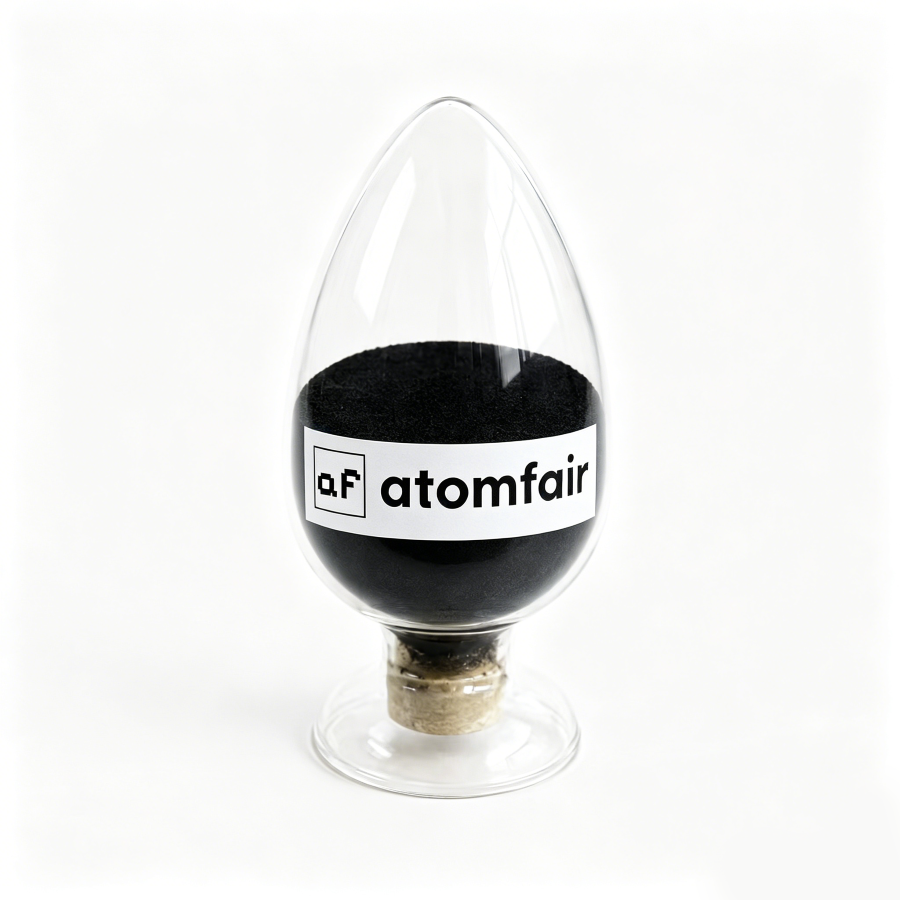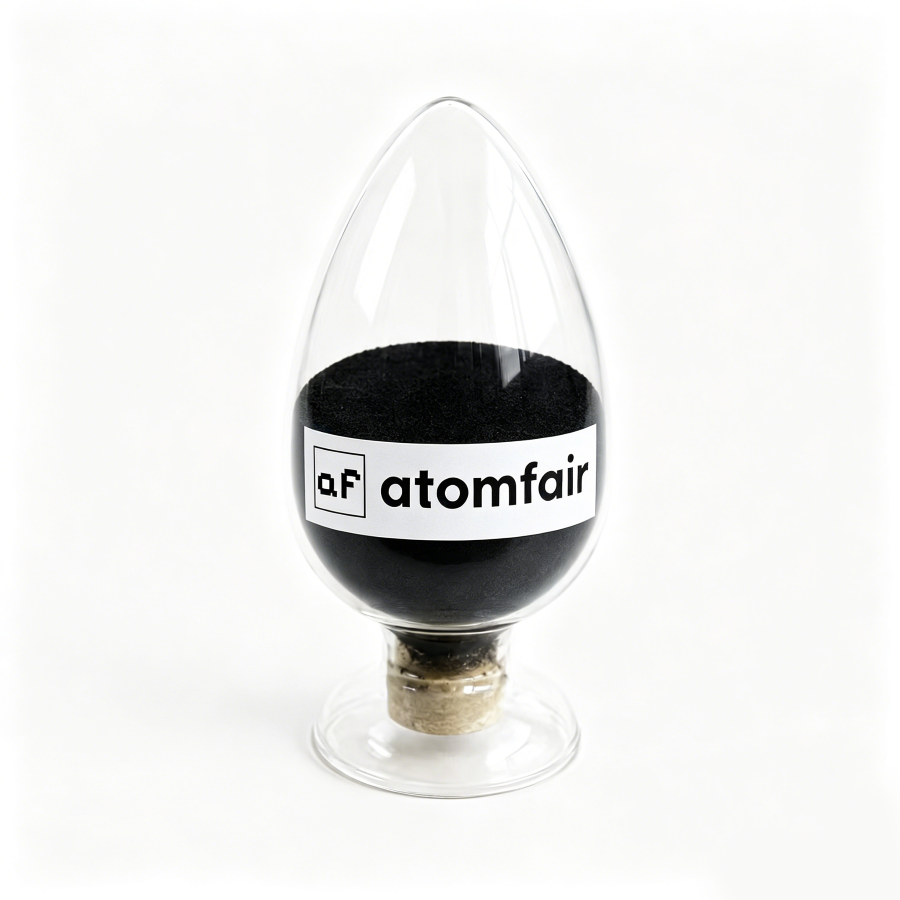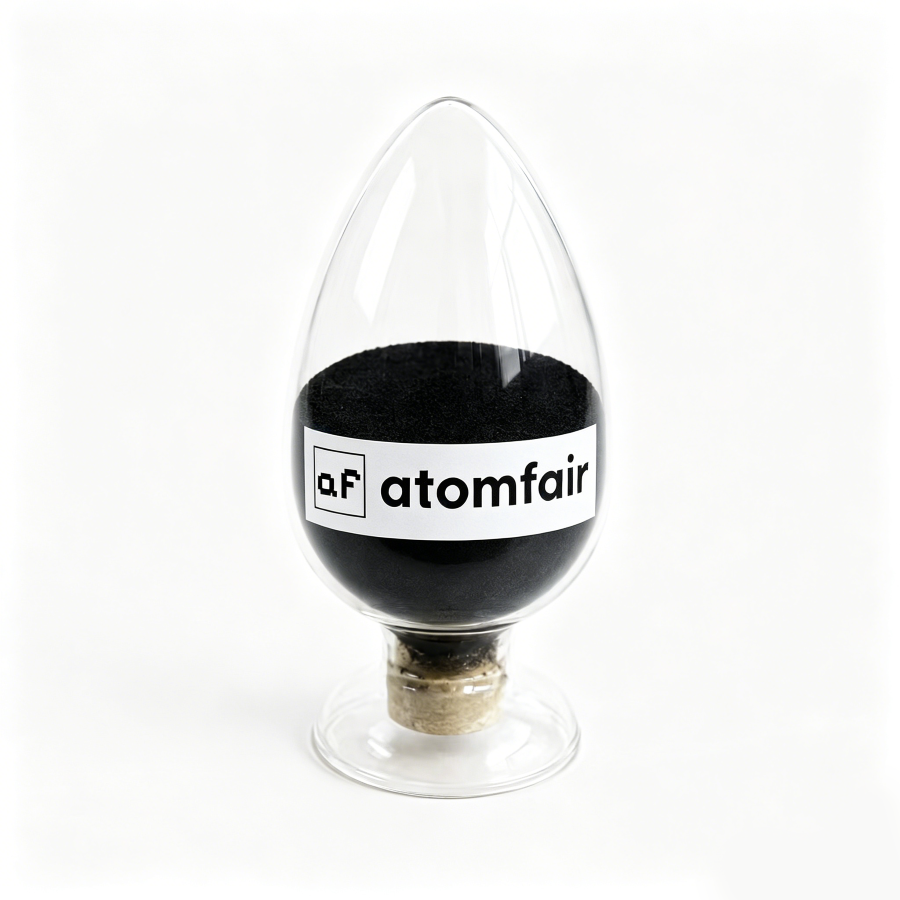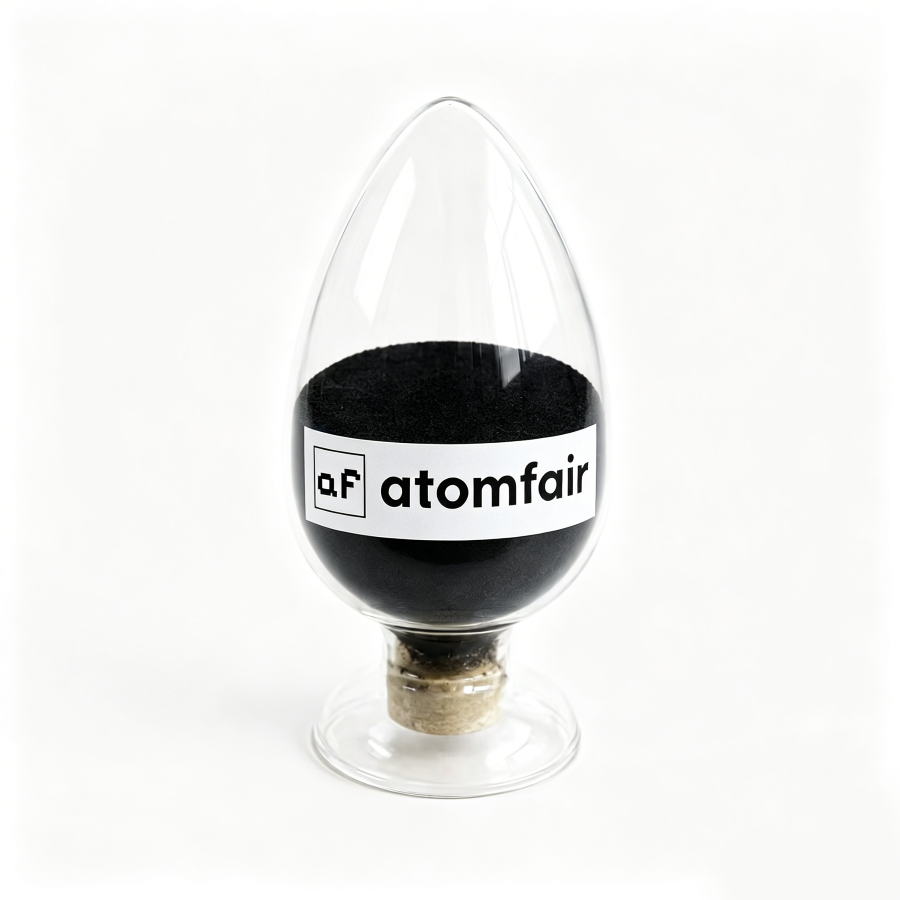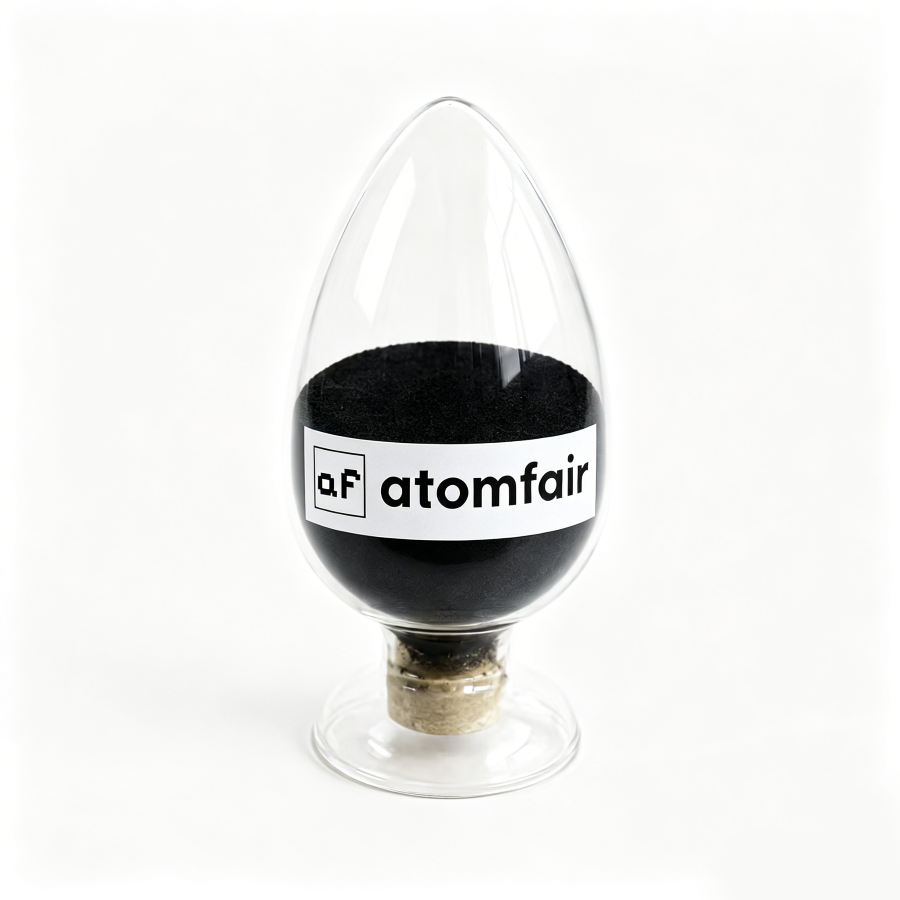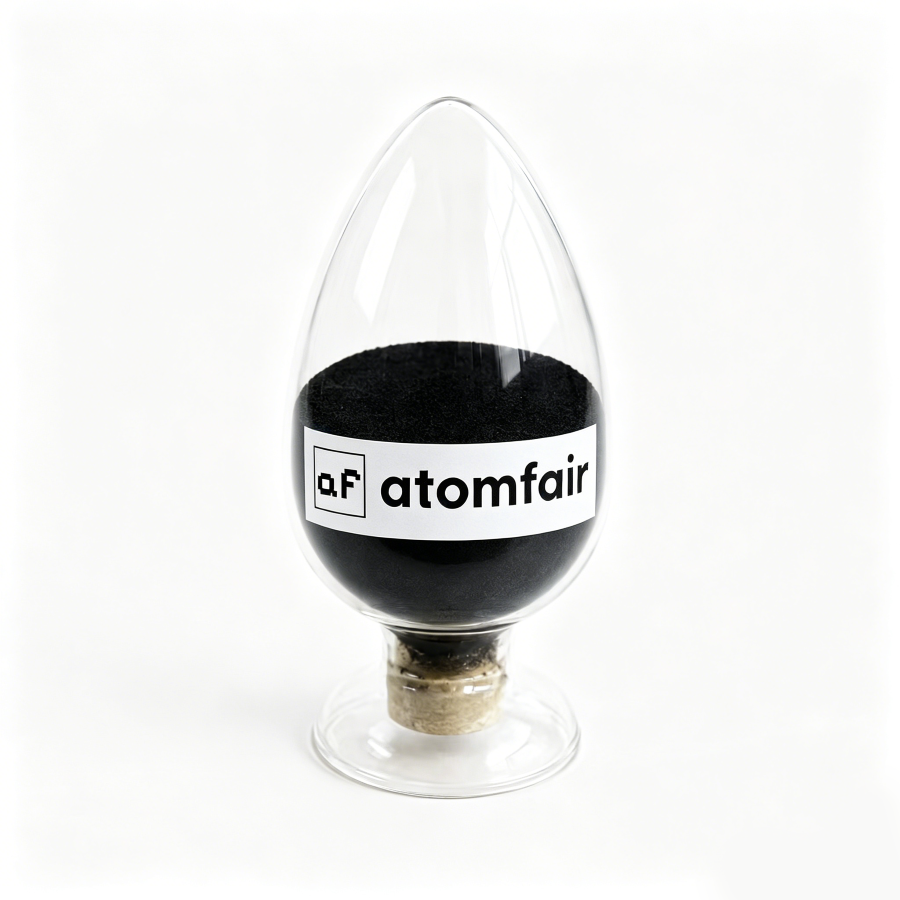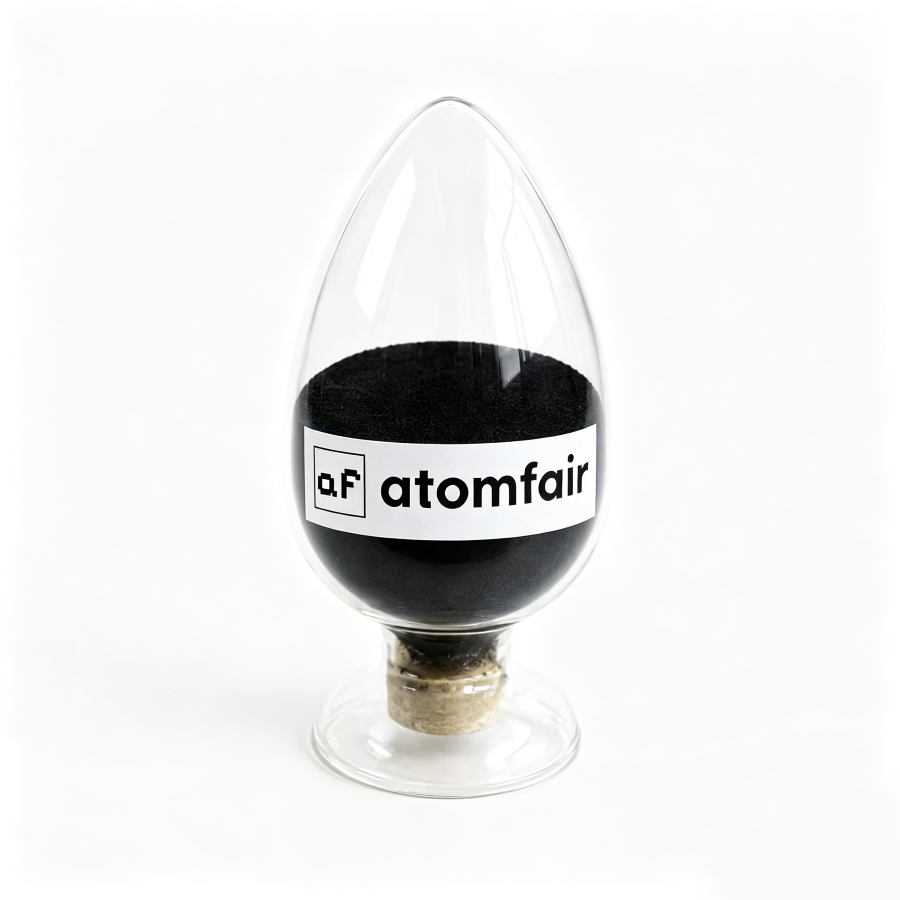
ATOMFAIR LMO: 119 mAh/g Lithium Manganese Oxide PowderRESEARCH GRADE MATERIAL
|
|||||||||||||||||||||||||||||||||||||||||||||||||||||||||
|
|||||||||||||||||||||||||||||||||||||||||||||||||||||||||
|
TAILORED SOLUTIONS FOR RESEARCH
Contact our engineering team for technical support or official institutional quotations.
EMAIL: inquiry@atomfair.com
|
|||||||||||||||||||||||||||||||||||||||||||||||||||||||||
|
Manufacturer: Atomfair LLC
Brand: ATOMFAIR®
|
|||||||||||||||||||||||||||||||||||||||||||||||||||||||||
This lithium manganese oxide powder is moisture-sensitive and must be stored under dry, inert atmosphere to prevent degradation. Exposure to elevated temperatures or humidity may alter electrochemical performance and cause material degradation.
- Moisture Sensitivity: Store under dry inert gas (e.g., argon) to keep water content ≤0.0500%.
- pH Limitation: Avoid mixing with acidic compounds as the material's pH ≤11.0 indicates alkalinity.
- Powder Handling: Use appropriate PPE and dust control to prevent inhalation of fine black powder.
- Contamination Prevention: Keep container sealed to prevent adsorption of atmospheric moisture and CO2.
This procedure outlines the safe handling and slurry preparation for lithium manganese oxide cathode powder. Follow these steps to minimize moisture exposure and ensure consistent electrode fabrication.
Required Equipment: Argon-filled glovebox, Analytical balance, Magnetic stirrer, Doctor blade coater
- Inspect Material
Inspect the LMO powder for visible agglomeration or discoloration before opening the sealed container. - Transfer to Glovebox
Transfer the unopened container into an argon-filled glovebox with moisture and oxygen levels below 0.1 ppm. - Weigh Powder
Weigh the required mass of LMO powder on an analytical balance inside the glovebox. - Prepare Slurry
Mix the powder with a PVDF binder solution in NMP solvent using a magnetic stirrer until homogeneous. - Coat Electrode
Apply the slurry onto aluminum foil using a doctor blade with a gap height of 150 μm.
How does the 0.1C discharge capacity of 119 mAh/g compare to the 1C capacity of 117 mAh/g, and what implications does this rate capability have for high-rate cell design?
The 0.1C discharge capacity is ≥119 mAh/g while the 1C capacity is ≥117 mAh/g (both vs. Li, 3.0V–4.3V), indicating only ~1.7% capacity loss at a tenfold rate increase. This high rate capability supports high-power cell architectures, though the full-cell design target is lower at 110–115 mAh/g at 0.5C when paired with a graphite anode, reflecting a trade-off for long-cycle stability.
What are the recommended electrode compaction density and binder for this LMO material, and how do they affect full-cell integration?
The recommended electrode compaction density is 2.65–2.75 g/cm³, and the binder recommendation is high molecular weight PVDF such as HSV900. These parameters ensure optimal electrode porosity and mechanical integrity, which are critical for achieving the target full-cell capacity of 110–115 mAh/g at 0.5C with a graphite anode.
What are the critical moisture and pH limits for this LMO powder, and why are they essential for safe battery fabrication?
Water content must be ≤0.0500% and pH value ≤11.0. Tight moisture control prevents electrolyte decomposition and gas evolution in the cell, while the pH limit minimizes corrosion of aluminum current collectors and maintains the structural integrity of the spinel LMO framework during slurry preparation and cycling.
This LMO cathode material delivers a reliable 119 mAh/g discharge capacity with >93% first-cycle efficiency, making it a solid benchmark for electrolyte and cell design studies. However, its 0.0500% moisture limit demands dry-room processing, and the full-cell capacity is capped at 115 mAh/g, which trails high-nickel alternatives.
Positive
- High capacity and efficiency for benchmarking: With ≥119 mAh/g at 0.1C and ≥93% first-cycle efficiency, this material provides a consistent, high-fidelity baseline for validating electrolyte formulations and cell architectures.
- Agglomeration-free powder with high tap density: The black powder exhibits no agglomeration and a tap density ≥1.60 g/cm³, enabling uniform electrode slurry preparation and higher active material loading in research cells.
Trade-offs
- Tight moisture limit requires dry processing: Water content must be ≤0.0500%, necessitating strict dry-room or glovebox conditions during electrode fabrication to avoid capacity fade or side reactions.
- Moderate full-cell capacity vs. competing cathodes: Designed full-cell capacity is 110–115 mAh/g (0.5C vs. graphite), which is lower than high-nickel NMC or NCA cathodes, limiting energy density for certain high-energy applications.
Every advanced material, component, equipment, and instrument in our catalog is backed by rigorous testing. We maintain strict internal quality management frameworks and align with CE conformity metrics to deliver transparent, reproducible performance data via our public open-science repository.
To request raw batch performance data, submit formal vendor registration paperwork, or execute a fast-turnaround R&D manufacturing loop, contact us at inquiry@atomfair.com.
Item is dispatched under the Atomfair Shipping & Delivery Framework (Free worldwide shipping on orders over $59 USD excl. heavy equipment). Return is governed by the Atomfair Return & Refund Policy (7-day technical return window).