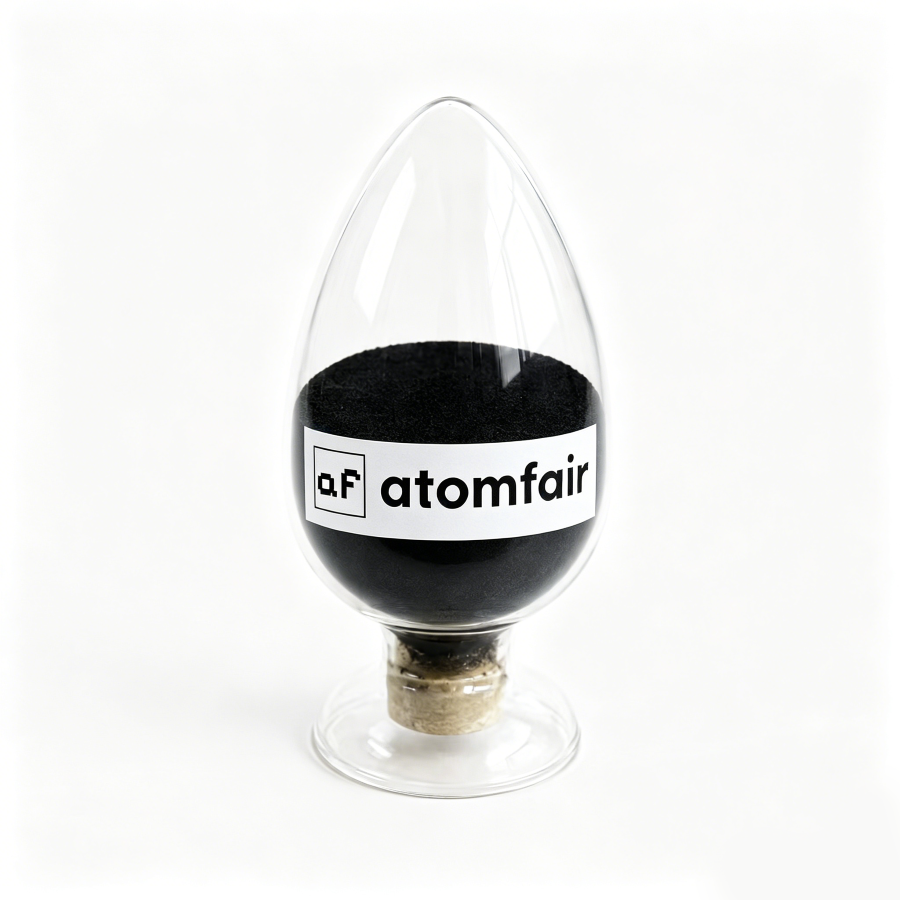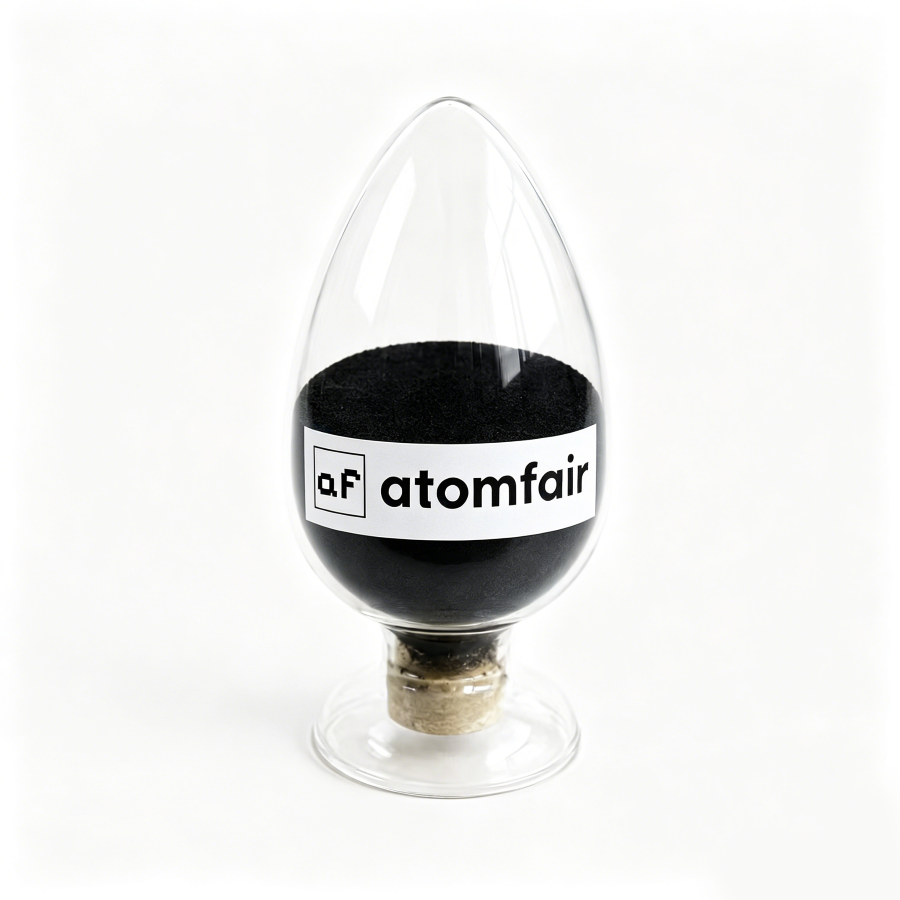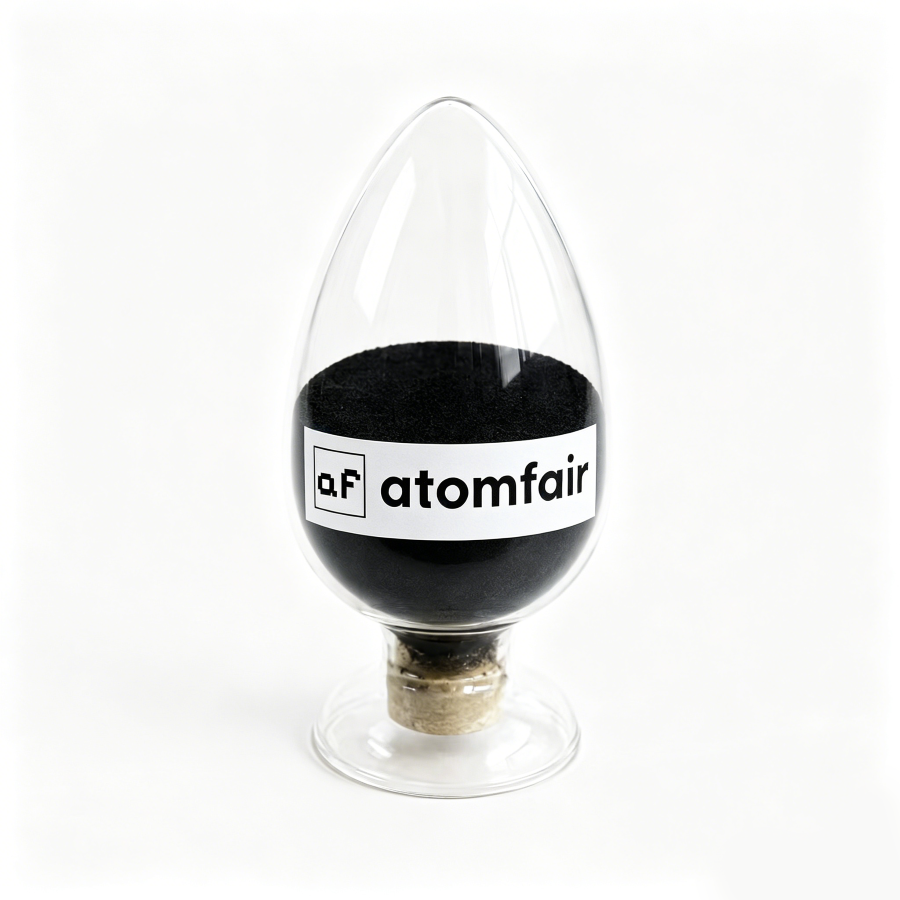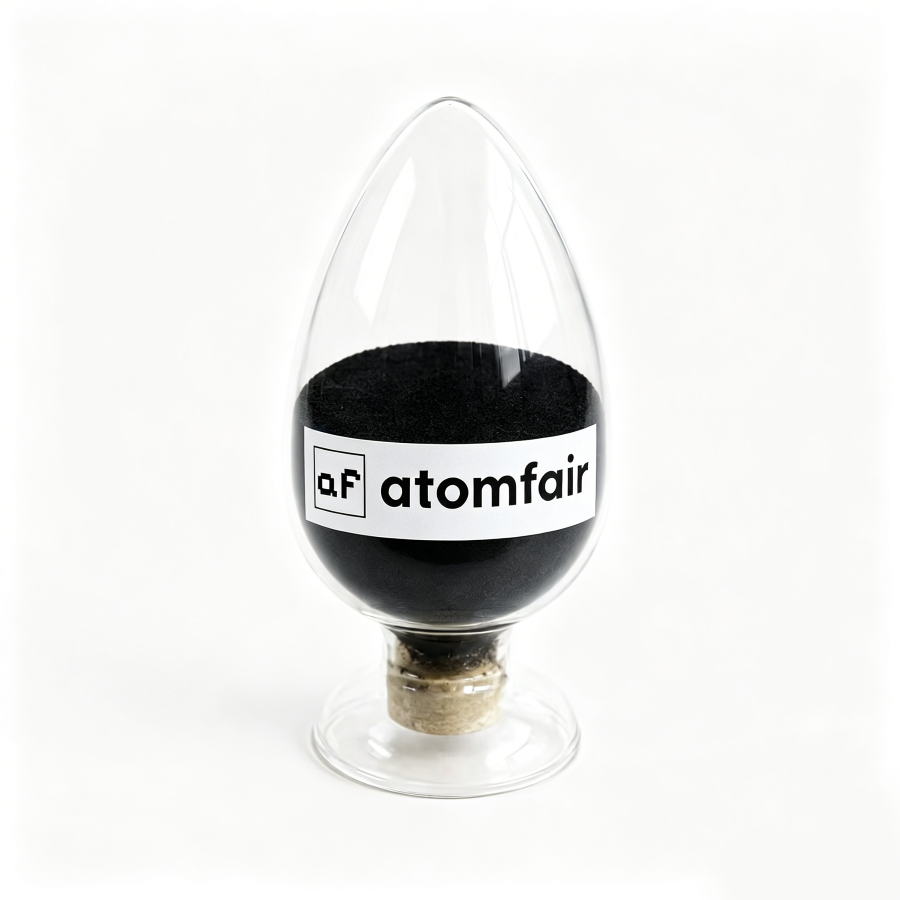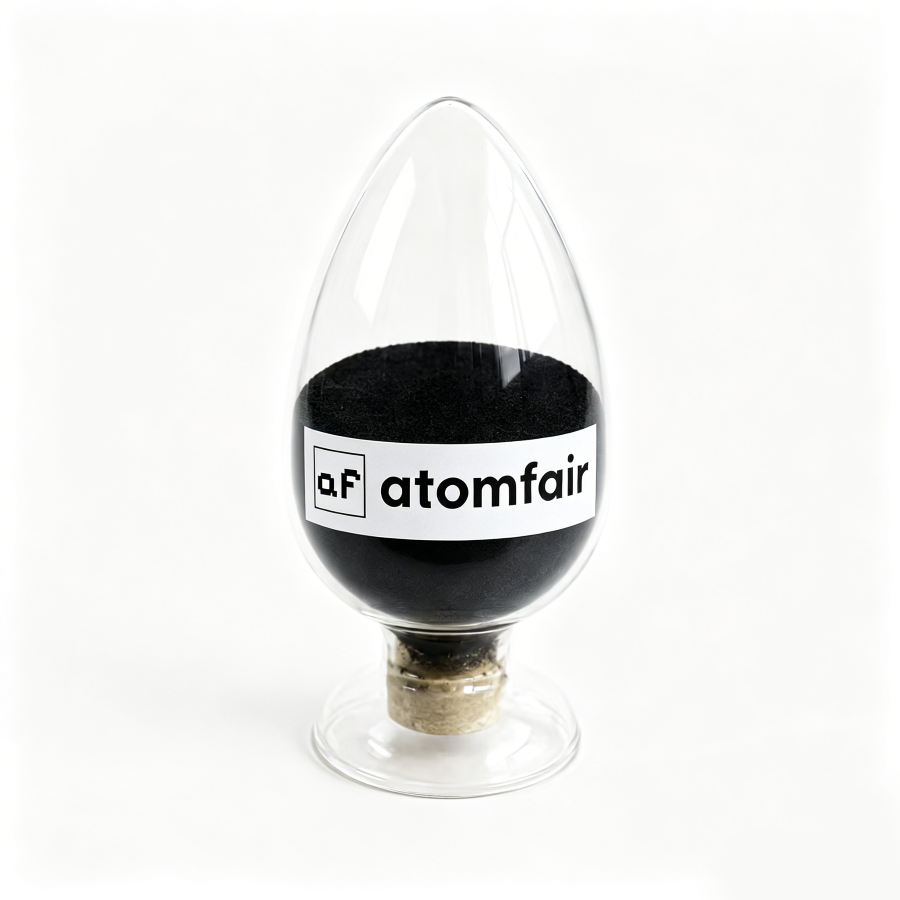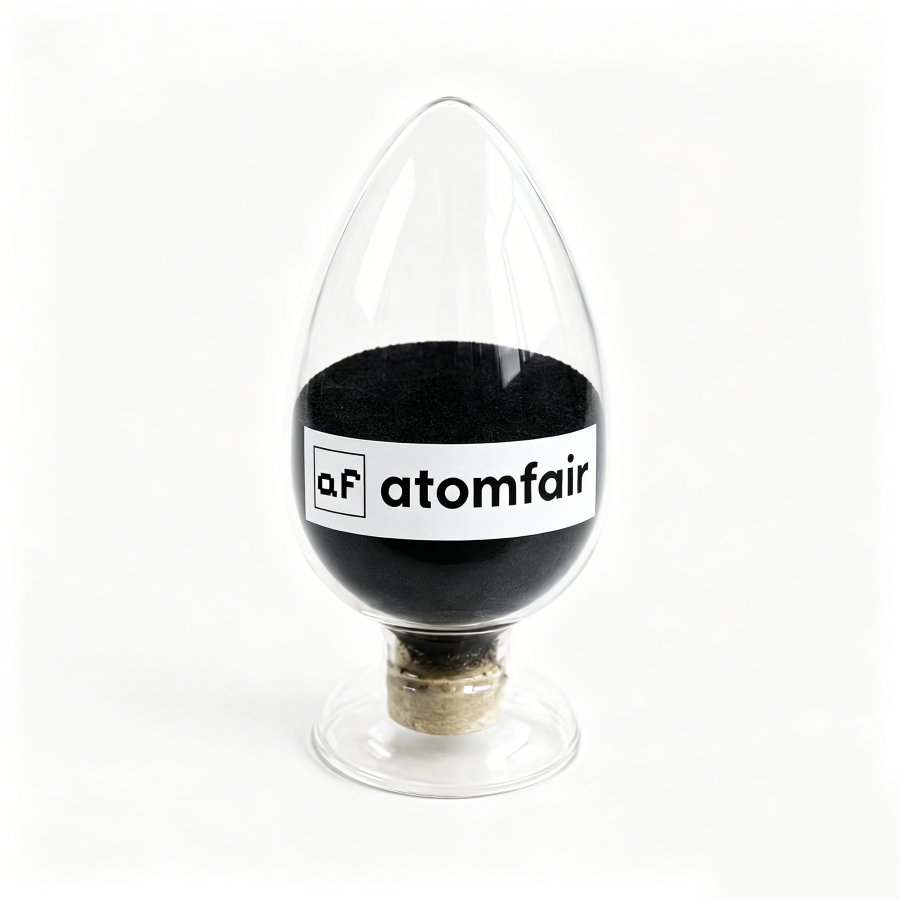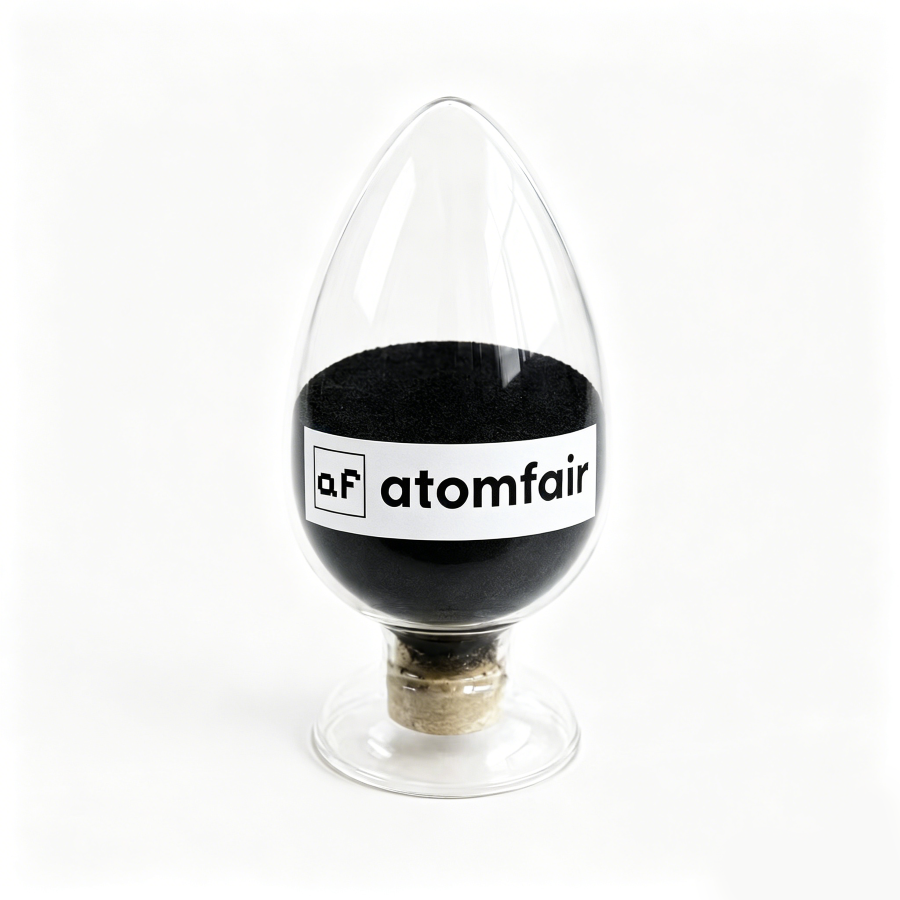
ATOMFAIR NCM (83:11:6): 205 mAh/g Cathode Active MaterialRESEARCH GRADE MATERIAL
|
|||||||||||||||||||||||||||||||||||||||||||||||||||
|
|||||||||||||||||||||||||||||||||||||||||||||||||||
|
TAILORED SOLUTIONS FOR RESEARCH
Contact our engineering team for technical support or official institutional quotations.
EMAIL: inquiry@atomfair.com
|
|||||||||||||||||||||||||||||||||||||||||||||||||||
|
Manufacturer: Atomfair LLC
Brand: ATOMFAIR®
|
|||||||||||||||||||||||||||||||||||||||||||||||||||
This material is highly moisture-sensitive and alkaline, requiring storage in an inert atmosphere to prevent surface degradation and safety hazards. Sealed packaging must remain intact until use to avoid moisture uptake and exposure to acidic or humid environments.
- Moisture Sensitivity: Water content below 300 ppm is critical; exposure to ambient air rapidly increases surface alkali levels and degrades electrochemical performance.
- Alkaline Nature: The high pH of 11.43 indicates strong surface alkalinity, necessitating acid-resistant containers and avoidance of contact with skin or eyes.
- Inert Atmosphere Requirement: Storage and handling must be conducted under argon or nitrogen with less than 1 ppm moisture to prevent lithium leaching and structural damage.
- Degradation Risk: Prolonged exposure to carbon dioxide in air can convert residual alkali into lithium carbonate, increasing impedance and reducing capacity.
- Containment Requirement: Material must remain in factory-sealed, moisture-proof bags until transferred into a glovebox or dry room for further processing.
This procedure ensures safe transfer and preconditioning of the moisture-sensitive cathode powder for electrode fabrication. Follow each step sequentially to maintain material integrity and experimental reproducibility.
Required Equipment: Argon-filled glovebox with moisture <0.1 ppm, Vacuum oven with inert gas purge, Analytical balance (0.1 mg precision), Moisture analyzer
- Inspect packaging integrity
Visually confirm the outer and inner seals are intact and undamaged before transferring to the glovebox antechamber. - Transfer powder to glovebox
Pass the sealed container through the antechamber using a standard three-cycle pump-purge process to avoid atmospheric contamination. - Dry the material
Heat the powder in a vacuum oven at 120°C for 12 hours under argon purge to remove residual moisture and surface adsorbates. - Verify moisture content
Measure a small sample using a coulometric Karl Fischer moisture analyzer to confirm water content remains below 300 ppm before electrode slurry preparation.
How does the surface residual alkali content of NCM 811 affect electrochemical performance and slurry processing?
The surface residual alkali levels of 0.189%wt Li₂CO₃ and 0.273%wt LiOH, combined with a pH of 11.43, indicate moderate alkalinity that can cause slurry gelation and coating defects if not processed in a dry environment. This alkalinity may also increase first-cycle irreversible capacity loss due to parasitic side reactions at the cathode-electrolyte interface.
What particle size distribution constraints apply when integrating NCM 811 into high-energy full cells with silicon anodes?
With a D50 of 3.689 μm and Dmax of 11.521 μm, this powder enables good rate capability but the specific surface area of 0.71 m²/g limits its compatibility with low-porosity electrode designs. For full cells with silicon anodes, the narrow particle distribution requires careful calendering to balance electrode density and electrolyte wetting without fracturing the active material.
What storage and handling infrastructure is required to maintain NCM 811 powder stability?
The powder must be stored in an inert gas atmosphere with <0.1 ppm H₂O because its high nickel content and surface residual alkalis (LiOH, Li₂CO₃) rapidly absorb moisture, increasing the already 300 ppm water content and degrading electrochemical performance. Vacuum drying at 120°C for 12 hours before use is recommended to minimize residual moisture.
This NCM 811 single crystal cathode material delivers 205.35 mAh/g at 0.1C, enabling high-fidelity benchmarking for high-energy-density Li-ion cells, but its elevated surface residual alkali and moisture content (300 ppm) demand stringent dry-room handling and slurry formulation controls.
Positive
- High Specific Capacity: Delivers 205.35 mAh/g at 0.1C discharge (3.0–4.3V), providing a high-energy-density baseline for advanced electrolyte and cell architecture studies.
- Single Crystal Morphology: Pristine single crystal particles reduce surface area (BET 0.71 m²/g) and minimize parasitic side reactions, enabling reliable cell-to-cell consistency in benchmarking protocols.
Trade-offs
- Moisture Sensitivity: Water content of 300 ppm and pH of 11.43 necessitate processing in dry-room or inert-gas environments to prevent surface degradation and gas evolution.
- Surface Residual Alkali: LiOH (0.273%wt) and Li2CO3 (0.189%wt) on particle surfaces can cause slurry gelation and coating defects, requiring optimized binder/dispersant selection and careful mixing protocols.
Every advanced material, component, equipment, and instrument in our catalog is backed by rigorous testing. We maintain strict internal quality management frameworks and align with CE conformity metrics to deliver transparent, reproducible performance data via our public open-science repository.
To request raw batch performance data, submit formal vendor registration paperwork, or execute a fast-turnaround R&D manufacturing loop, contact us at inquiry@atomfair.com.
Item is dispatched under the Atomfair Shipping & Delivery Framework (Free worldwide shipping on orders over $59 USD excl. heavy equipment). Return is governed by the Atomfair Return & Refund Policy (7-day technical return window).