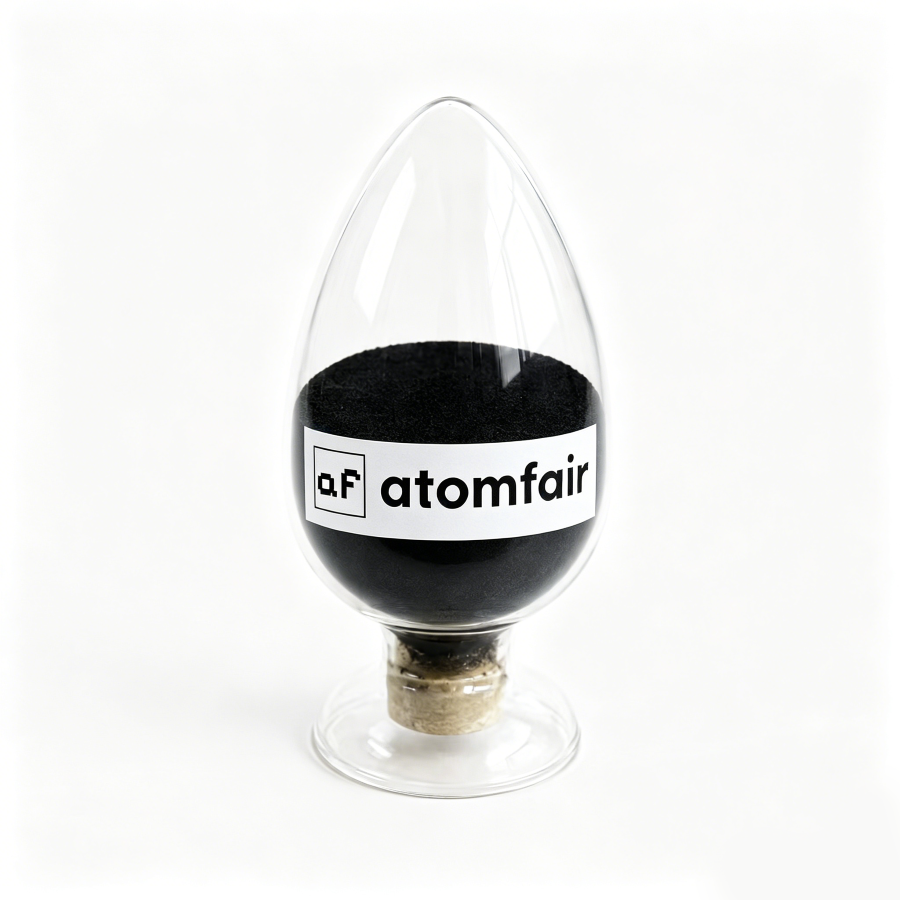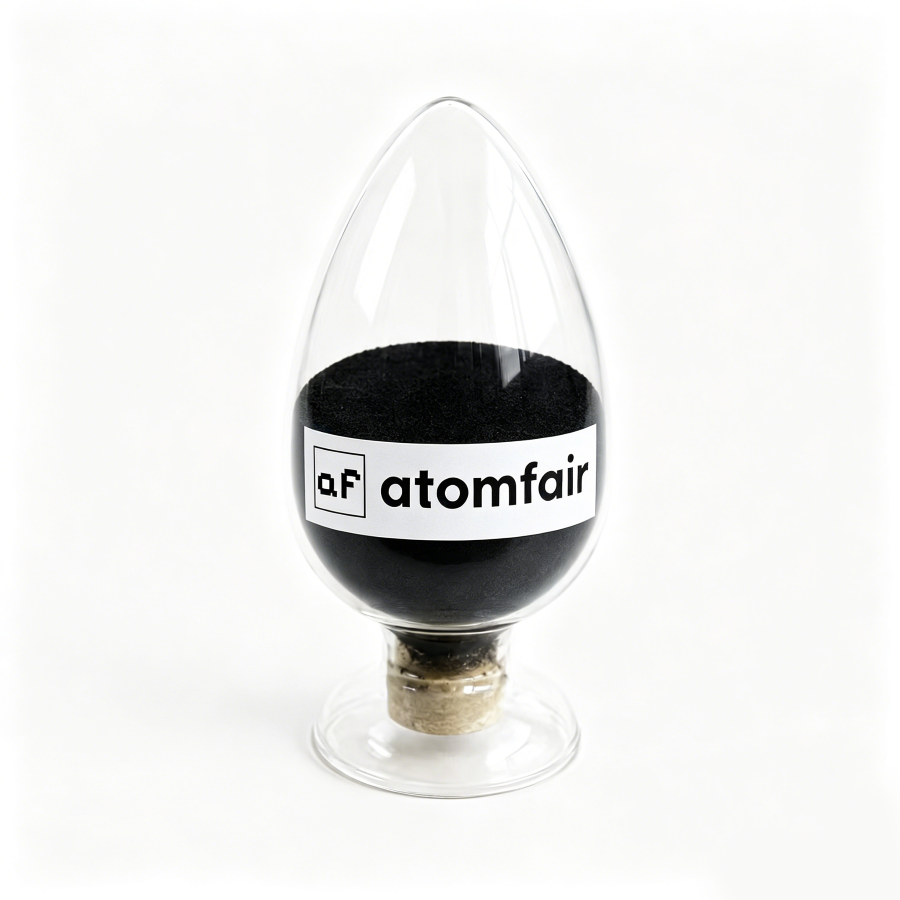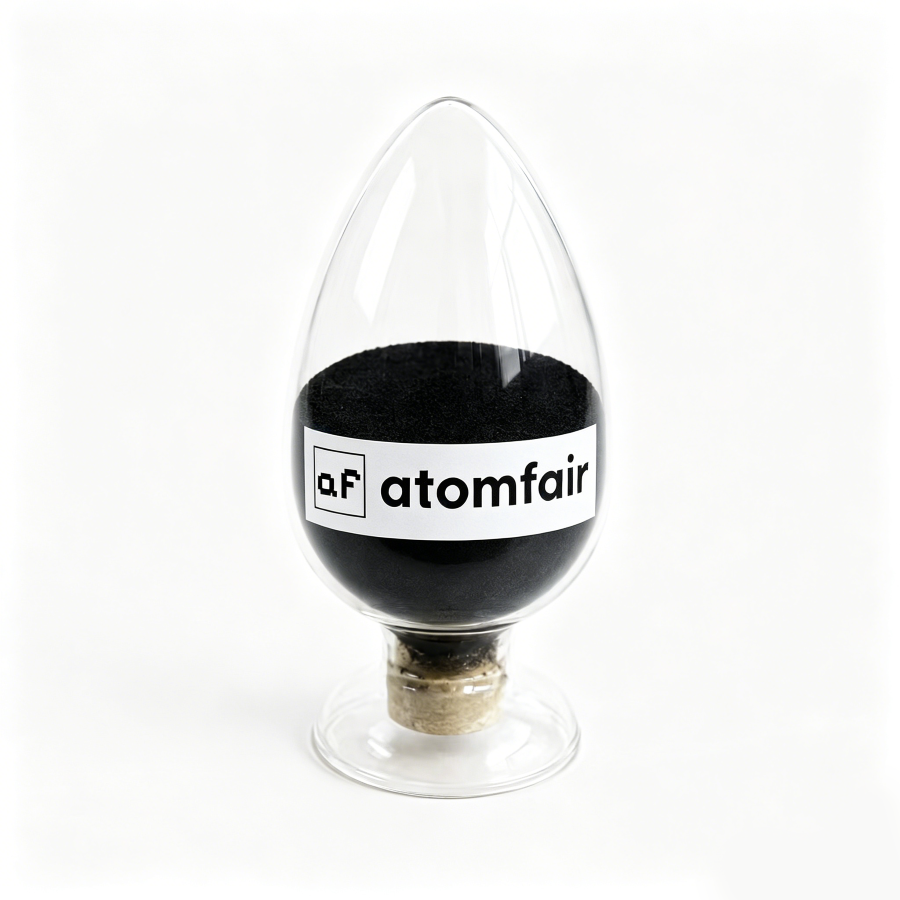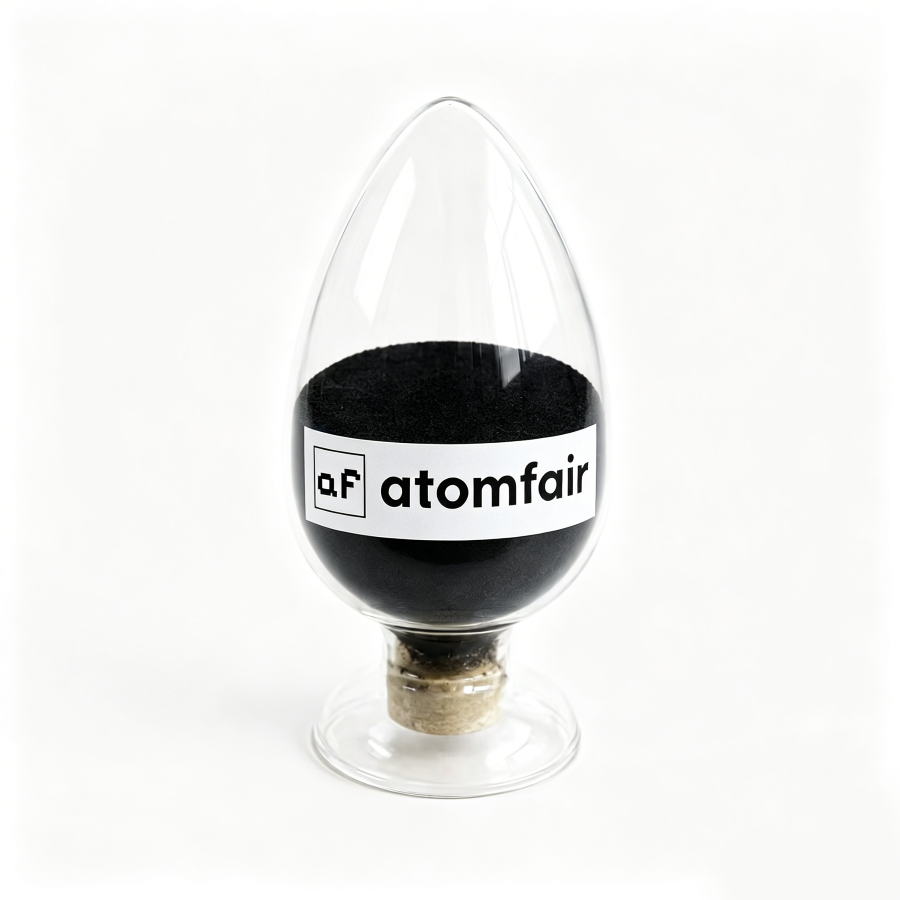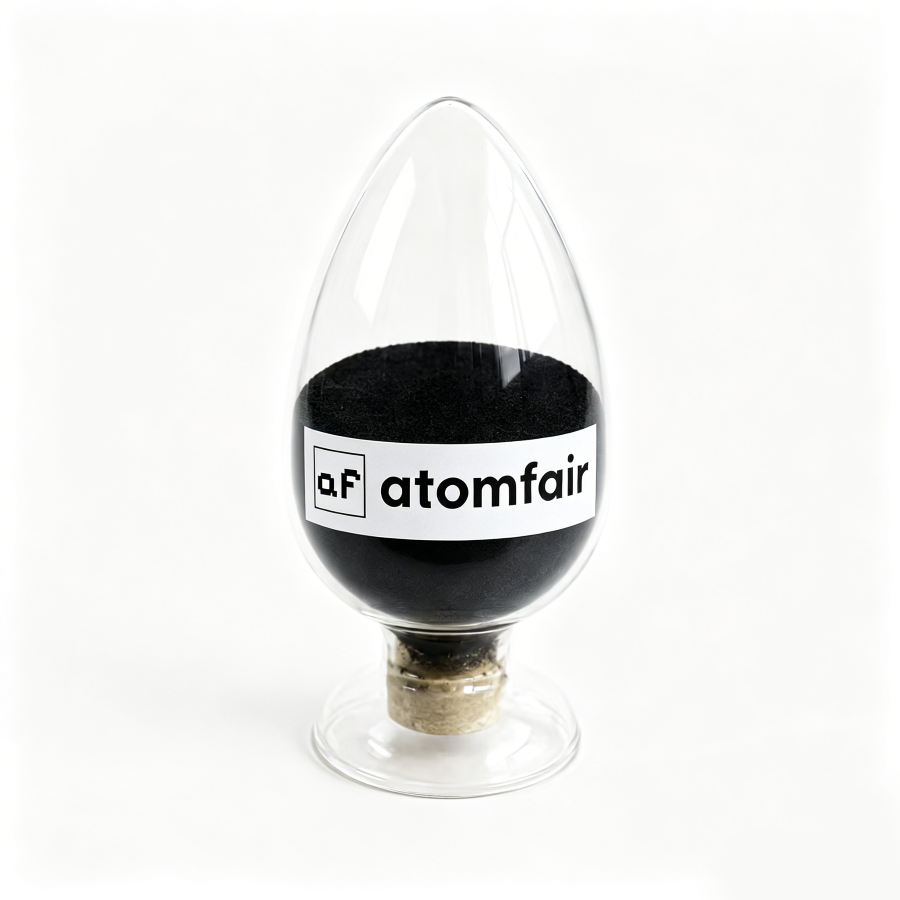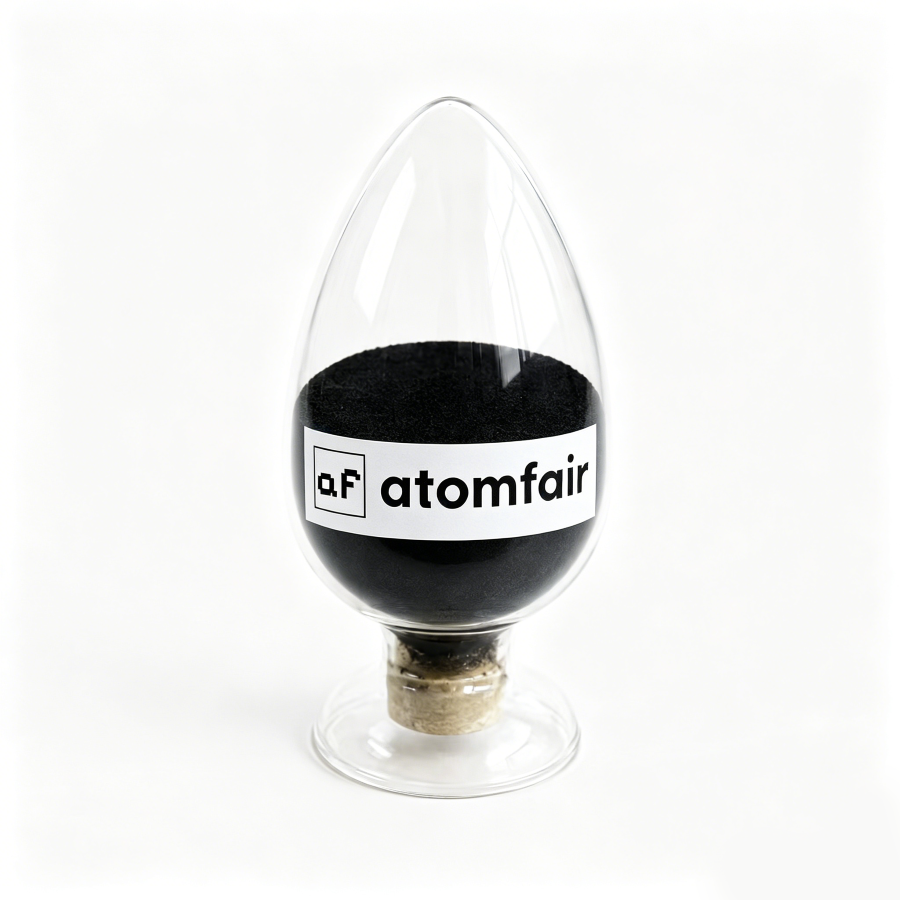
ATOMFAIR® LCO 4.45V CATHODE POWDERRESEARCH GRADE MATERIAL
|
|||||||||||||||||||||||||||||||||||||||||||||||
|
|||||||||||||||||||||||||||||||||||||||||||||||
|
TAILORED SOLUTIONS FOR RESEARCH
Contact our engineering team for technical support or official institutional quotations.
EMAIL: inquiry@atomfair.com
|
|||||||||||||||||||||||||||||||||||||||||||||||
|
Manufacturer: Atomfair LLC
Brand: ATOMFAIR®
|
|||||||||||||||||||||||||||||||||||||||||||||||
Lithium cobalt oxide powder is moisture and oxygen sensitive and must be stored under inert atmosphere (argon or nitrogen) to prevent degradation. The material is toxic by inhalation and requires handling in a fume hood or glovebox with appropriate personal protective equipment.
- Moisture Sensitivity: This material reacts with ambient moisture, leading to lithium hydroxide formation and capacity fade.
- Oxygen Sensitivity: Exposure to oxygen can cause surface oxidation and increase impedance.
- Toxicity: The powder contains cobalt compounds which are suspected carcinogens; avoid dust generation and inhalation.
- Temperature Stability: Storage above 30°C accelerates decomposition; maintain below 25°C.
- Electrostatic Hazard: Fine powders can accumulate static charge; use grounding when transferring.
How does the advanced multi-element doping matrix (Mg, Al, Ti, Zr, La, Y) in this 4.45V LCO powder mitigate structural degradation during high-voltage cycling?
The doping matrix stabilizes the crystal structure at high voltage, enabling a first discharge capacity of 184±4 mAh/g and first efficiency ≥93% under 3.0-4.50V testing, ensuring superior structural integrity. The precise doping levels (Mg 1300±250 ppm, Al 6750±400 ppm, Ti 760±200 ppm, Zr 350±200 ppm, La 370±200 ppm, Y 650±200 ppm) are optimized to suppress phase transitions and oxygen release, which are failure modes in undoped LCO above 4.4V.
Is this LCO powder compatible with standard NMP/PVDF slurry formulations and roll-to-roll coating processes?
Yes. The particle size distribution (D50 5.5±2.0 μm, D90 ≤13.5 μm) and tap density ≥1.80 g/cm³ align with conventional coating requirements. The extremely low residual alkali content (LiOH ≤0.01%, Li2CO3 ≤0.02%) minimizes slurry gelation and electrode adhesion issues, making it directly processable in standard lithium-ion manufacturing lines.
What storage conditions are required to preserve the low moisture content and prevent contamination of this high-voltage LCO powder?
Store in an airtight dry room with dew point below -40°C. The maximum moisture content is 400 ppm; exposure to ambient humidity can increase LiOH and Li2CO3 levels, degrading electrochemical performance. Additionally, handling must avoid ferrous materials because magnetic impurity limits (Fe+Ni+Cr+Zn ≤200 ppb) require non-magnetic tools and containers to prevent contamination.
This high-voltage LCO powder (4.45V) features a multi-element doping matrix (Mg, Al, Ti, Zr, La, Y) that enhances structural integrity under high-voltage cycling, with a 0.1C discharge capacity of 184 ±4 mAh/g and efficiency ≥93%. Its low residual alkali (LiOH ≤0.01%, Li₂CO₃ ≤0.02%) and magnetic impurities (≤200 ppb) make it a robust validation platform for electrolyte screening, though the high pH (10.4±0.8) and moisture sensitivity (≤400 ppm) demand dry handling conditions.
Positive
- Doping-enhanced high-voltage stability: Multi-element doping (Mg, Al, Ti, Zr, La, Y) reinforces the crystal structure, enabling reliable cycling up to 4.45V with minimal capacity fade, as evidenced by the high first-cycle efficiency ≥93% and targeted capacity.
- Low residual alkali and magnetic impurities: LiOH ≤0.01%, Li₂CO₃ ≤0.02%, and combined magnetic impurities ≤200 ppb reduce parasitic side reactions and gas evolution, providing a clean baseline for electrolyte and cell configuration testing.
Trade-offs
- Moisture-sensitive and alkaline surface: Maximum moisture content of 400 ppm and pH of 10.4±0.8 require storage and processing in a dry, inert atmosphere to prevent surface lithium hydroxide/carbonate formation, which can compromise slurry stability.
- Fine particle size constraints: D50 of 5.5 ±2.0 µm with D90 ≤10 µm may lead to higher slurry viscosity and increased sensitivity to coating parameters, demanding optimized dispersion protocols to avoid agglomeration or non-uniform electrode layers.
Every advanced material, component, equipment, and instrument in our catalog is backed by rigorous testing. We maintain strict internal quality management frameworks and align with CE conformity metrics to deliver transparent, reproducible performance data via our public open-science repository.
To request raw batch performance data, submit formal vendor registration paperwork, or execute a fast-turnaround R&D manufacturing loop, contact us at inquiry@atomfair.com.
Item is dispatched under the Atomfair Shipping & Delivery Framework (Free worldwide shipping on orders over $59 USD excl. heavy equipment). Return is governed by the Atomfair Return & Refund Policy (7-day technical return window).