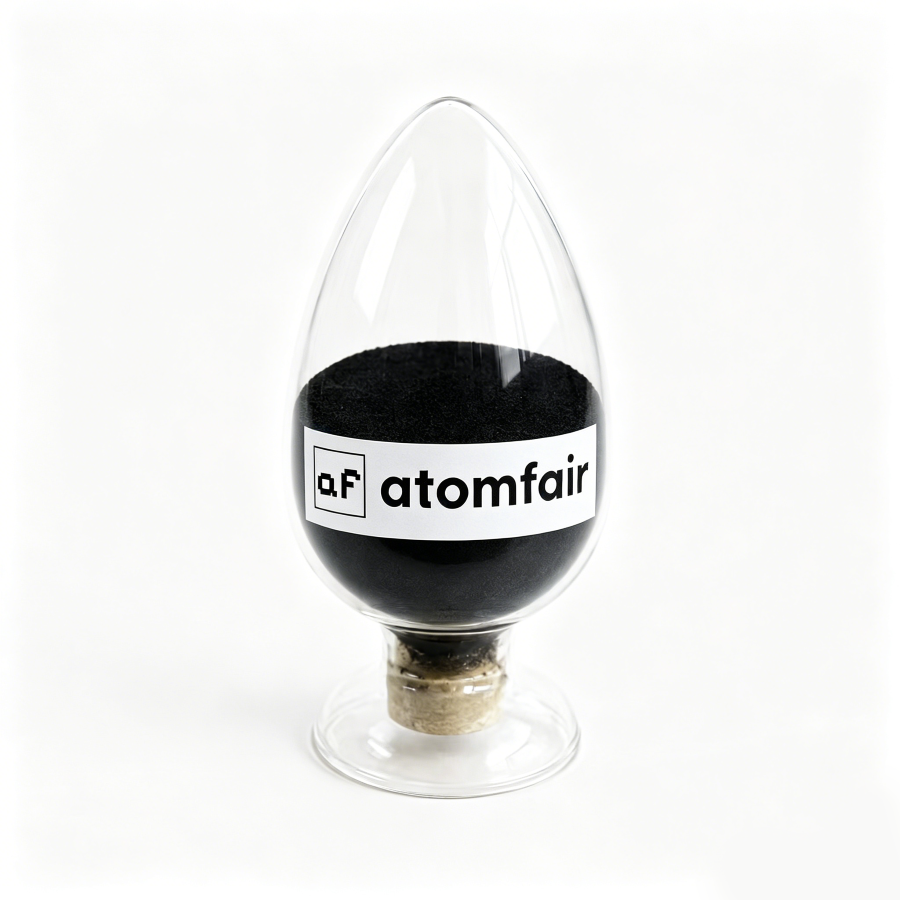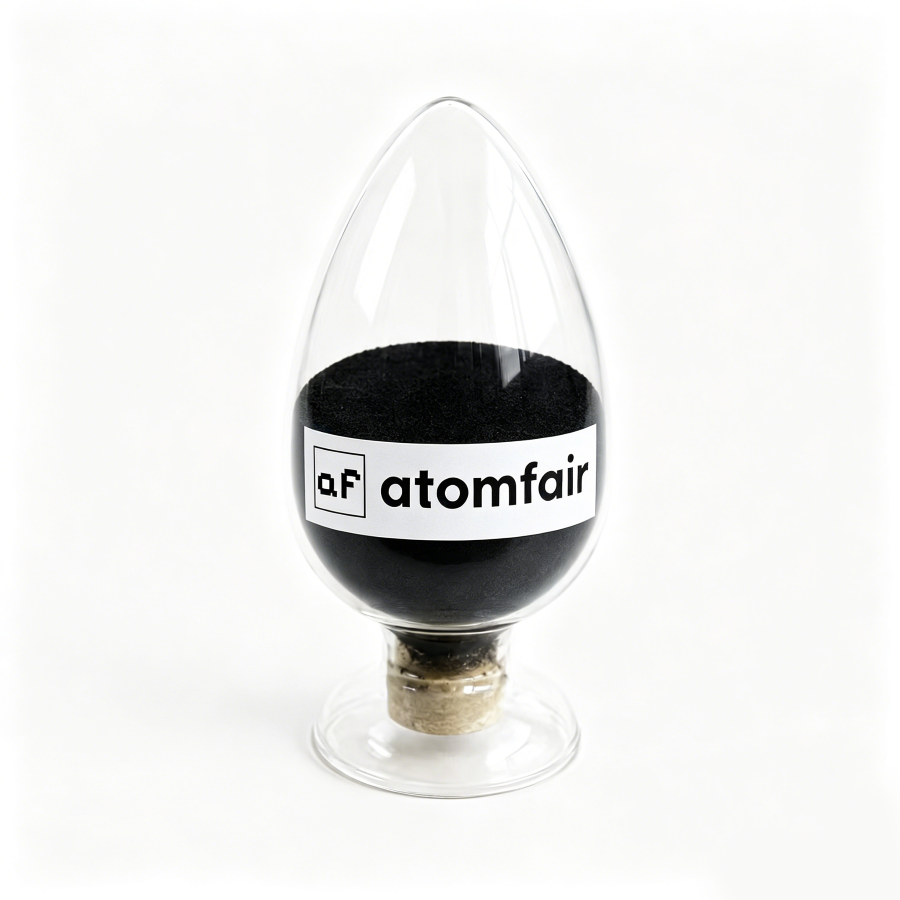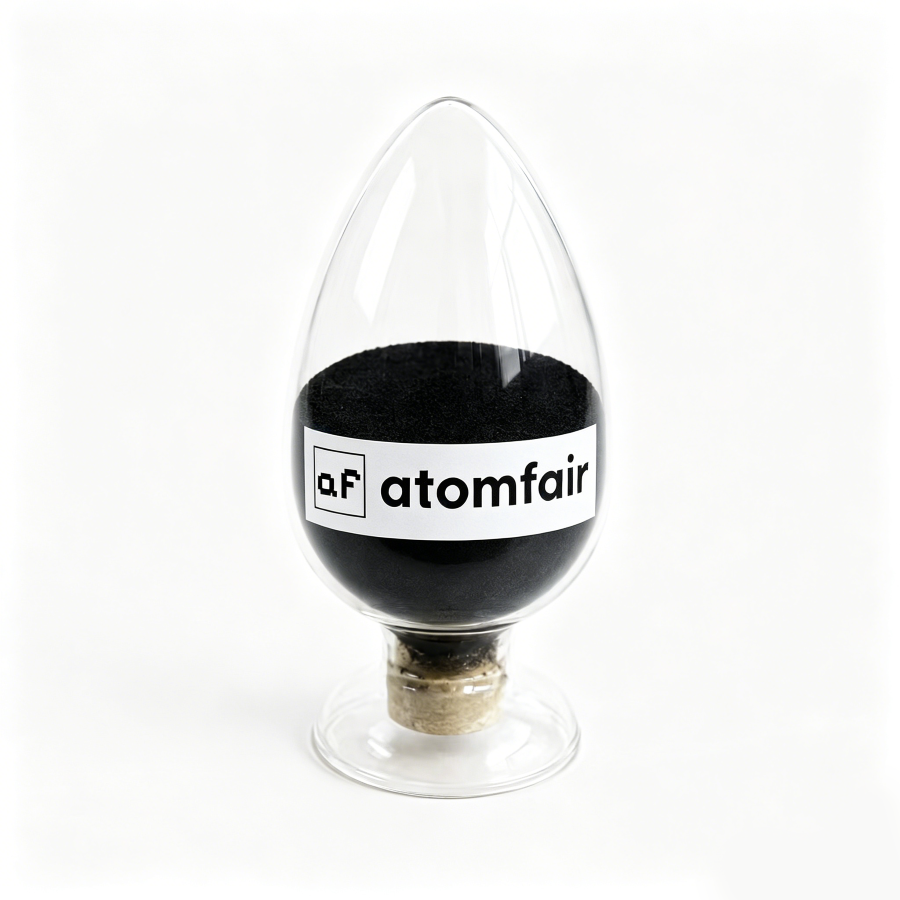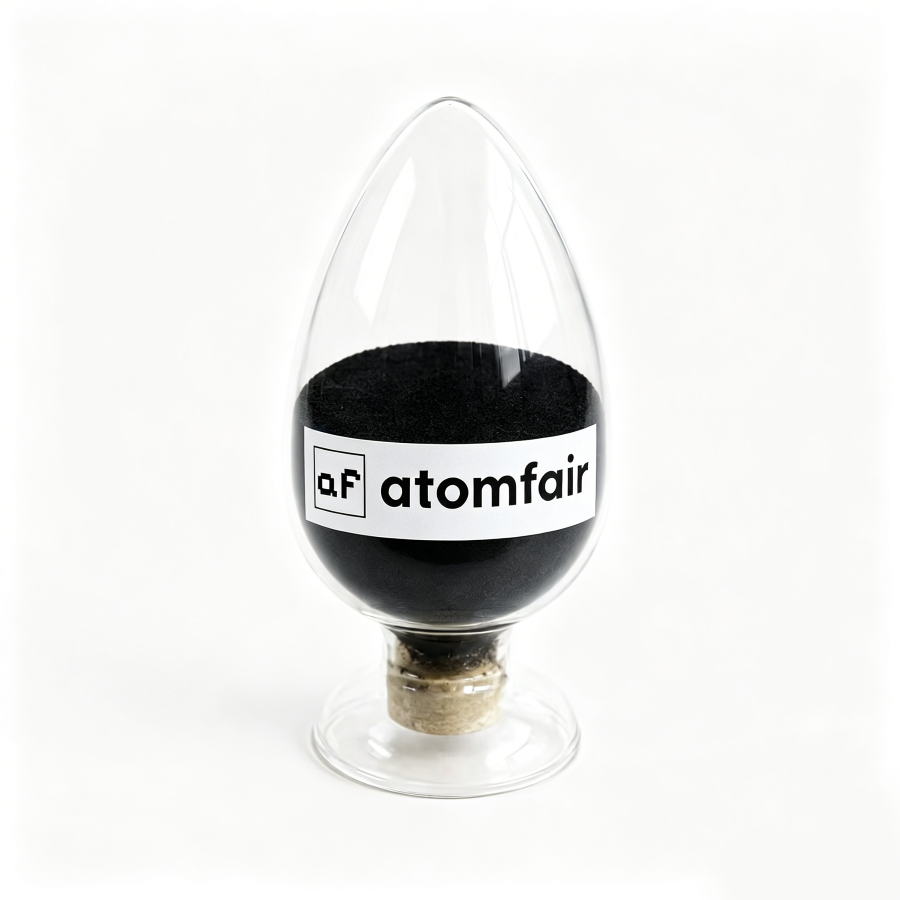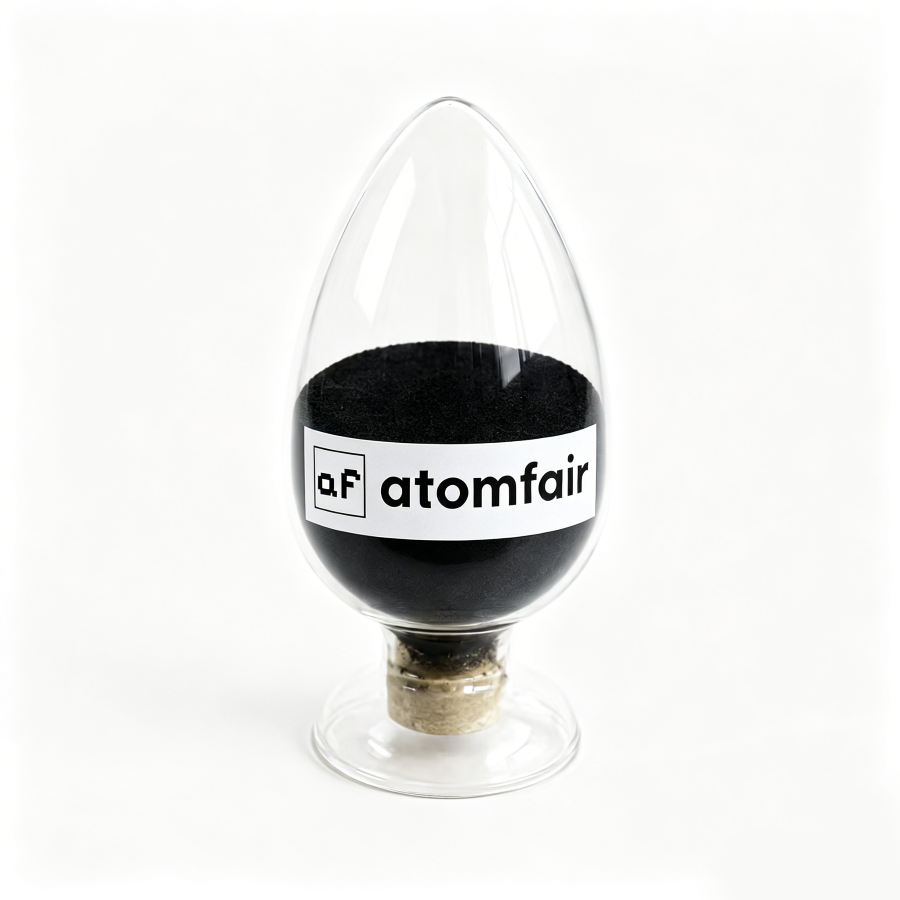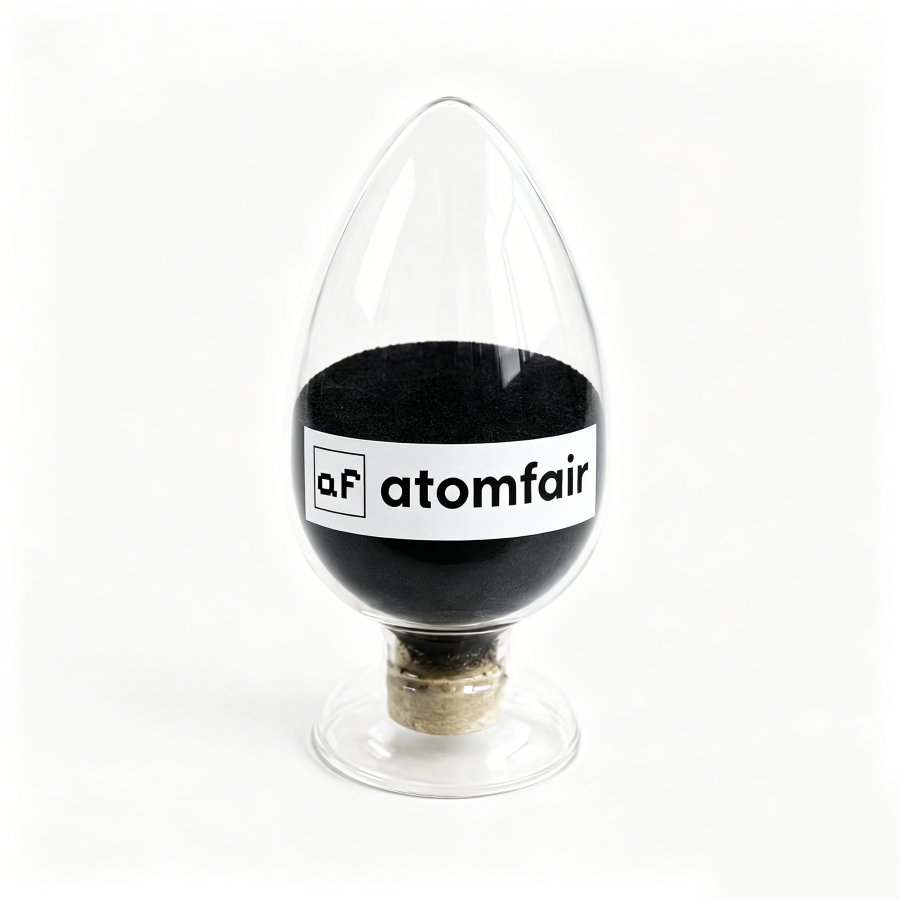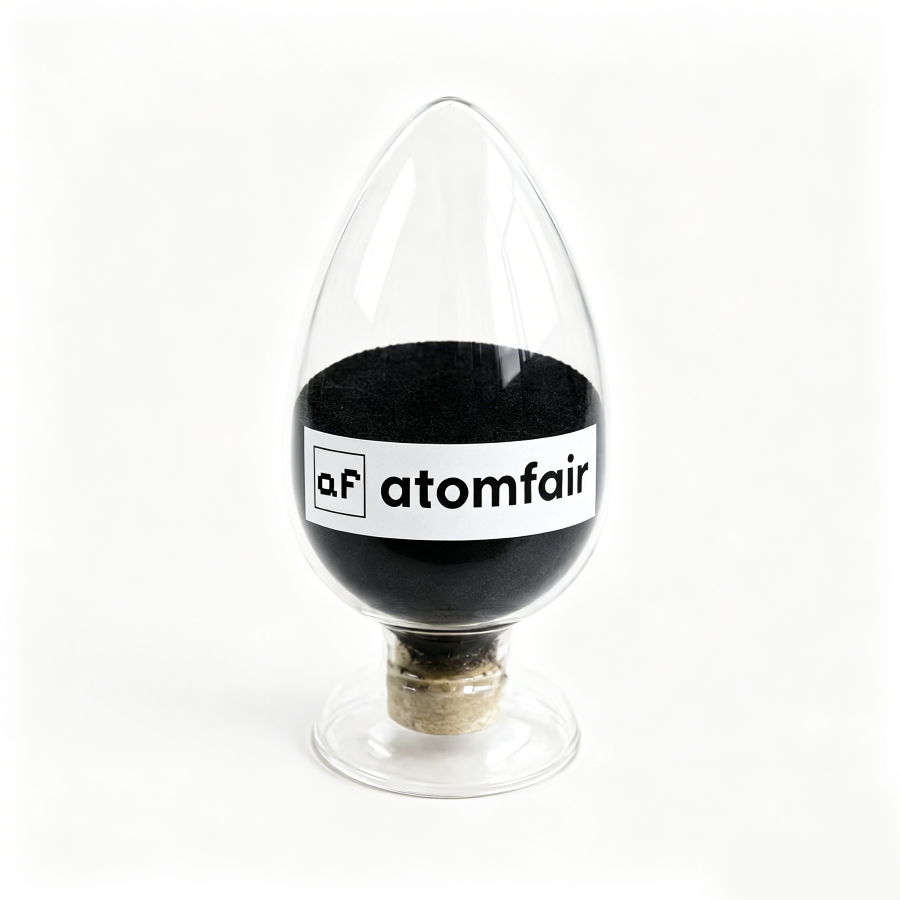
ATOMFAIR NCM (83:11:6) Cathode Active Material, 206 mAh/gRESEARCH GRADE ULTRA-HIGH ENERGY MATERIAL
|
|||||||||||||||||||||||||||||||||||||||||||||
|
|||||||||||||||||||||||||||||||||||||||||||||
This high-nickel cathode powder is moisture-sensitive and requires inert atmosphere storage to prevent capacity degradation. The material's alkaline slurry (pH 11.38) necessitates use of personal protective equipment and controlled environments to avoid chemical exposure.
- Moisture Sensitivity: Always store and handle the powder in an inert atmosphere (e.g., argon glovebox) to prevent surface hydrolysis.
- Alkaline Hazard: Wear nitrile gloves and safety goggles when handling to avoid skin and eye contact with the alkaline powder.
- Containment Requirements: Use sealed, antistatic containers for transport and storage to minimize dust generation and static discharge.
- Degradation Prevention: Avoid prolonged exposure to ambient air as the material may react with CO2 and moisture, forming lithium carbonate.
- Temperature Control: Maintain storage temperatures below 30°C to preserve structural integrity and electrochemical performance.
This procedure outlines the steps to safely handle high-nickel cathode powder and prepare a stable slurry for electrode fabrication. All steps must be performed in a controlled inert atmosphere to maintain material quality.
Required Equipment: Argon-filled glovebox, Precision analytical balance, Vacuum oven, Doctor blade coating apparatus
- Inert Transfer
Transfer the NCM 811 powder into the argon-filled glovebox without exposing it to ambient air. - Weighing
Weigh the required mass of cathode powder using a precision balance inside the glovebox. - Slurry Mixing
Mix the powder with a pre-dissolved binder solution and solvent to achieve a homogeneous slurry with appropriate viscosity. - Coating
Apply the slurry onto an aluminum foil current collector using a doctor blade set to the desired wet thickness. - Leveling
Allow the coated foil to rest under inert atmosphere to level the coating before drying. - Vacuum Drying
Transfer the coated electrode to a vacuum oven and dry to remove residual solvent. - Storage
Store the dried electrode in a sealed container under inert atmosphere until cell assembly.
How does the Niobium surface modification at 1386 ppm affect the cycling stability of this NCM 83:11:6 cathode material compared to unmodified high-nickel NCM?
The Niobium modification at 1386 ppm insulates high-potential phase thresholds, preventing crystal structure degradation during deep cycling workflows. This coating enhances capacity retention by stabilizing the O3-type layered single-crystal lattice, which is critical for maintaining the 206.22 mAh/g initial discharge capacity over extended cycles. The Nb doping framework specifically addresses the structural instability typical of high-nickel (83 wt%) cathodes.
What compatibility considerations arise from the slurry pH of 11.38 and residual alkali levels of Li2CO3 (0.192 wt%) and LiOH (0.256 wt%) when formulating with standard PVDF binders?
The elevated slurry pH of 11.38, combined with 0.192 wt% Li2CO3 and 0.256 wt% LiOH residual alkali, promotes gelation of PVDF-based slurries and can compromise adhesion to aluminum current collectors. To mitigate these effects, researchers should use aprotic solvents like NMP with minimal water content and consider acidic additives or alternative binders to neutralize surface alkalinity. The low moisture content of 320 ppm helps control unwanted side reactions during slurry preparation.
What storage and handling conditions are required to maintain the powder's performance given its 320 ppm moisture content and high nickel ratio?
The grey-black powder must be stored in an inert, dry atmosphere (dew point below -40°C) due to its moisture sensitivity of 320 ppm and high nickel (83 wt%) content, which promotes hygroscopicity and surface degradation. Handling should be performed in a low-humidity glovebox with immediate sealing after use to prevent moisture uptake and residual alkali growth. Proper storage ensures the 206.22 mAh/g capacity and low impurity profile (Na, Ca, Fe, Cu) remain within specification.
This NCM 83:11:6 cathode active material delivers an initial discharge capacity of 206.22 mAh/g at 0.1C (3.0–4.3 V) with a single-crystal, Nb-doped structure (1386 ppm) to suppress phase degradation. Its low residual alkali (0.192 wt% Li2CO3, 0.256 wt% LiOH) and moderate tap density (1.75 g/cm3) make it well-suited for high-energy-density lithium-ion cell R&D, though the elevated slurry pH (11.38) and 320 ppm moisture content demand controlled processing environments.
Positive
- Ultra-high specific capacity: The nickel-rich formulation delivers a baseline discharge capacity of 206.22 mAh/g (0.1C, 3.0–4.3 V), enabling design of very high energy density cells.
- Niobium doping for phase stability: Surface modification with 1386 ppm Nb insulates high-potential phase transitions, reducing crystal structure degradation during deep cycling and improving long-term capacity retention.
Trade-offs
- High slurry pH requires careful handling: The measured slurry pH of 11.38 indicates elevated alkalinity, which can promote premature gelation and degrade adhesion if pH-neutralizing steps or controlled mixing protocols are not implemented.
- Moisture and alkali management needed: With a moisture content of 320 ppm and surface residual alkali (LiOH 0.256 wt%, Li2CO3 0.192 wt%), the powder must be stored and processed in dry-room or glovebox environments to avoid water uptake and slurry instability typical of high-nickel cathodes.
Every advanced material, component, equipment, and instrument in our catalog is backed by rigorous testing. We maintain strict internal quality management frameworks and align with CE conformity metrics to deliver transparent, reproducible performance data via our public open-science repository.
To request raw batch performance data, submit formal vendor registration paperwork, or execute a fast-turnaround R&D manufacturing loop, contact us at inquiry@atomfair.com.
Item is dispatched under the Atomfair Shipping & Delivery Framework (Free worldwide shipping on orders over $59 USD excl. heavy equipment). Return is governed by the Atomfair Return & Refund Policy (7-day technical return window).