
Electrode Processing Equipment
Electrode Processing Equipment covers the key steps used to turn raw materials, slurry, or powder into workable electrode sheets and pressed samples. This category is useful if you are comparing equipment for slurry preparation, filtration, coating, film forming, calendaring, pressing, or slitting at the lab or early development stage.
The main value of this category is helping you choose the right process path faster. If you need a bench-top tool for quick trials, a heated system for tighter process control, or a more repeatable setup for routine sample preparation, this is the place to start.
This category is focused on electrode and sheet preparation, not full cell assembly, drying environments, formation systems, or battery test equipment. The easiest way to browse it is by sample type, working size, thickness target, pressure range, and automation level.
Show More
Choose by Sample Type
| Your Goal | Equipment to Focus On |
|---|---|
| Coated electrode sheets | Slurry mixers, filters, coaters, film forming systems, calendaring machines |
| Powder compacts or pellets | Manual tablet presses, automatic presses, isostatic press systems |
| Thickness and density control | Rolling mills, heated rolling mills, twin-roll systems, multi-roll systems |
| Small-batch R&D samples | Benchtop units, manual tools, easy-to-adjust trial systems |
| Better repeatability and throughput | Electric, heated, automated, or multi-roll systems |
| Edge trimming and sample finishing | Slitting machines, cutting systems, marking equipment |
What to Look For
| Decision Point | Why It Matters |
|---|---|
| Sample size | Working width, stroke length, and mold size determine whether the machine fits your target sample. |
| Thickness control | Gap control, speed, and temperature affect coating and rolling consistency. |
| Repeatability | Automated control is more useful when you need batch-to-batch consistency. |
| Material behavior | Different slurries, powders, and films respond differently to pressure, heat, and shear. |
| Throughput needs | Manual tools are flexible for trials, while electric and automated systems are better for repeated work. |
Common Process Paths
| Typical Workflow | What It Is Best For |
|---|---|
| Mixing → Filtration → Coating → Calendaring → Slitting | Coated electrode sheet development and routine lab preparation |
| Pre-mixing → Molding → Pressing → Finishing | Powder samples, pellets, and compacted test pieces |
| Heating-assisted rolling → Thickness tuning → Sheet finishing | Materials that need tighter density control or thermal support during forming |
Who This Category Fits
This category fits battery material researchers, university labs, R&D teams, and sample preparation groups that need to turn powders or slurries into usable electrode formats. It is especially helpful when you are comparing small-batch tools against more repeatable electric or heated systems.
If your next step is cell assembly, drying environment control, formation, or battery testing, those should be browsed in their matching categories rather than here.
FAQ
1. I am just starting electrode sample work. What should I look at first?
If you are making coated electrodes, start with mixing, filtration, coating, and calendaring equipment. If you are working with powder samples, start with pressing or compaction tools.
2. Should I choose manual or electric equipment?
Manual equipment is a good fit for small trials and occasional use. Electric equipment is better when you need more stable speed, pressure, and repeatability.
3. How do I know what size machine I need?
Check your sample width, coating length, roll width, and mold size first. Choose a machine that covers your current sample and leaves a little room for future needs.
4. Why does filtration matter in electrode preparation?
Filtration helps remove large particles, agglomerates, or impurities, which makes coating smoother and the final electrode more uniform.
5. What is the difference between a regular rolling mill and a heated one?
A regular rolling mill is used for standard calendaring. A heated rolling mill is better when the material benefits from temperature support or tighter density control during forming.
6. Can a tablet press replace a rolling mill?
Usually not. Tablet presses are better for powder compaction and small molded samples, while rolling mills are better for sheet and coated electrode processing.
7. What if I need more consistent batch results?
Look for electric control, finer gap adjustment, heating support, or automation. Those features usually make it easier to keep results consistent from batch to batch.
8. Does this category include cell assembly or test equipment?
No. This category is focused on electrode and sheet preparation. Cell assembly, drying environments, formation systems, and battery testing belong in their own categories.
Showing 17–32 of 100 results
-

Atomfair HS-JX50 Electrode Sampling Cutter
-
Atomfair HS-MQ280 Semi-Automatic Electrode Die-Cutting Machine
-
Atomfair HS-NMP-1 Solvent Treatment System
-
Atomfair HS-NY200 Rolling Machine
-
Atomfair HS-SG100W Electric Vertical Roll Press
-
Atomfair HS-SY300J Intermittent Experimental Coating Machine
-
Atomfair HS-SY300L Continuous Experimental Coating Machine
-
Atomfair HS-SY330J Intermittent Pilot Coating Machine
-
Atomfair HS-TM300 Automatic Coating Machine
-
Atomfair HS-TMH250 Automatic Coating and Drying Machine
-
Atomfair HS-TMH800 Automatic Coating and Drying Machine
-
Atomfair HS-XZY60 Precision Digital Core Shaping Machine
-

Atomfair Lithium Battery Aluminum Plastic Film Forming Machine Semi-Automatic Stretching & Punching
-
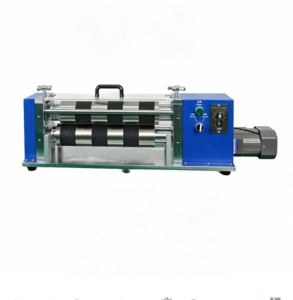
Atomfair Lithium Ion Battery Electrode Rolling Slitting Machine – 20±300mm Width 80-300μm Thickness ≤25μm Burr High Precision Synchronous Cutting with Acrylic Protection
-
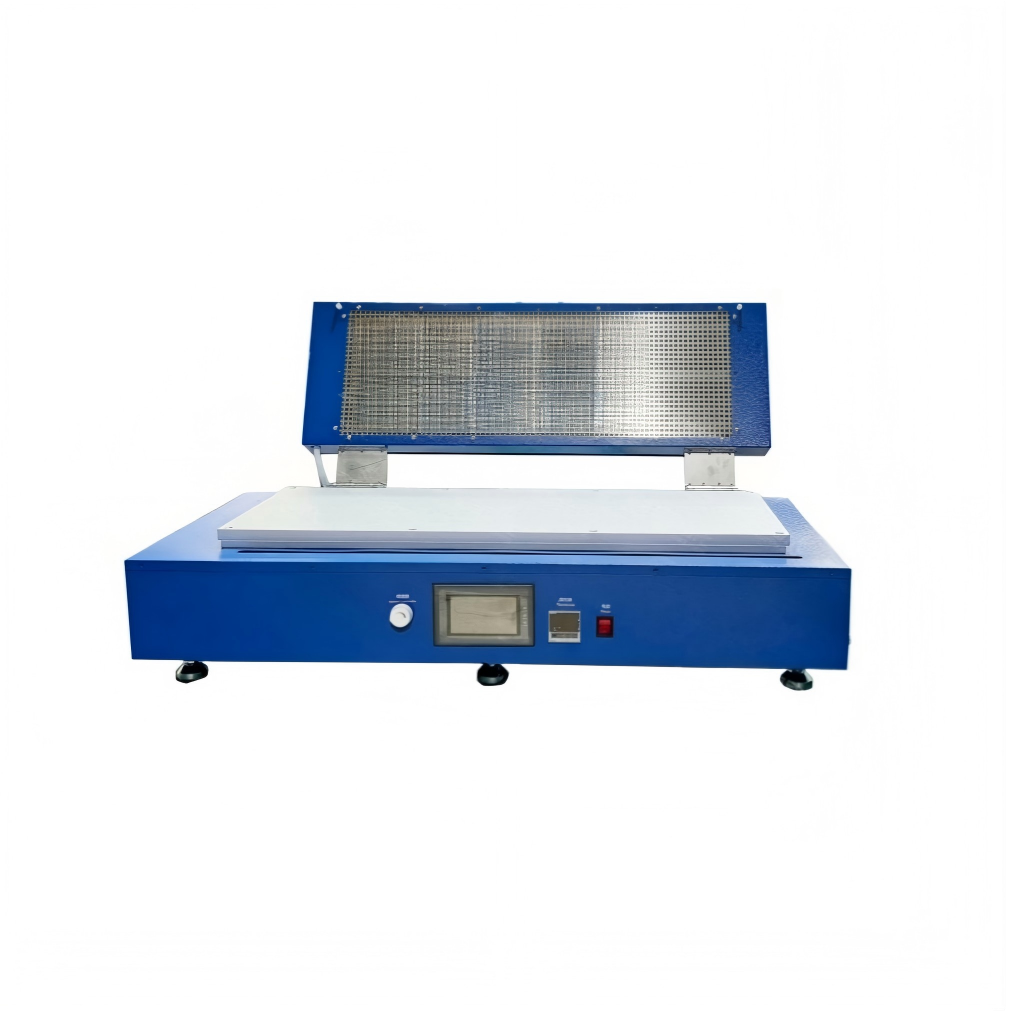
Atomfair-ACDU-7319 Automatic Coating Dryer, 0-100mm/s Speed 800mm Max Stroke for Nano Film Research
-
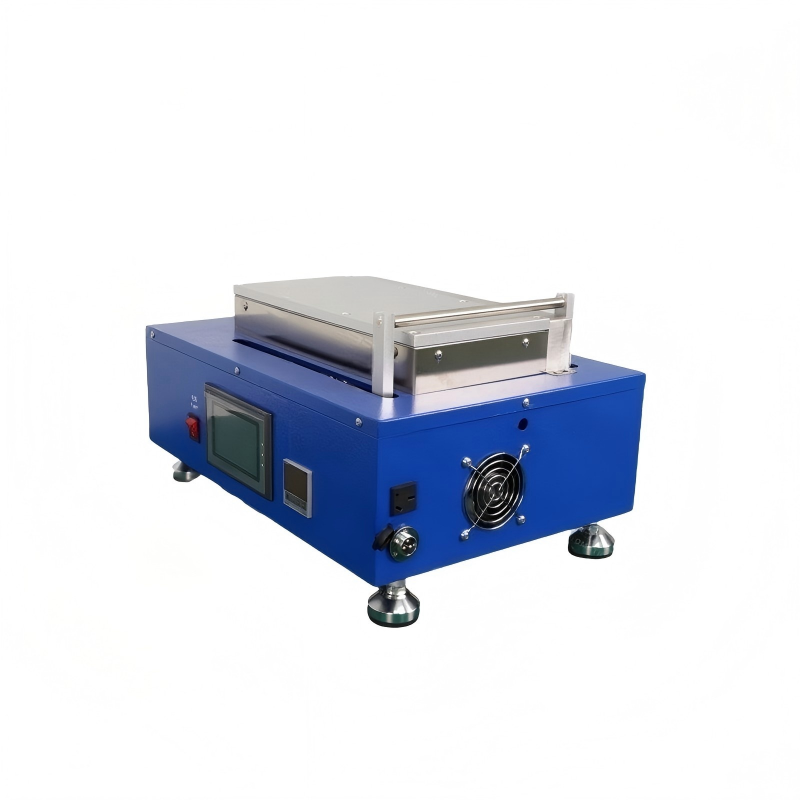
Atomfair-ACU-8526 Compact Automatic Coater, 50KG Lightweight for Laboratory Coating Research