ATOMFAIR® AF-EFIE150 FILM INTEGRATION SYSTEMRESEARCH GRADE MATERIAL
|
|||||||||||||||||||||||||||||||||||||||||
|
|||||||||||||||||||||||||||||||||||||||||
This equipment requires a dry, well-ventilated laboratory environment to prevent electrical and thermal hazards. The heated rolls must not exceed 130°C and the rolling gap must be kept within the 0–3 mm range to ensure safe operation.
- Electrical Safety: Ensure the machine is connected to a properly grounded electrical outlet to prevent electric shock.
- Thermal Hazard: Do not touch the heated rolls during operation to avoid burns.
- Mechanical Hazard: Keep hands and loose clothing away from the feeding and rolling mechanisms.
- Material Compatibility: Only process materials that can withstand the operating temperature range to avoid thermal degradation or combustion.
- Ventilation: Operate in a fume hood or well-ventilated area if processing materials that may release volatile compounds.
This procedure outlines the safe initialization and operation of the AF-EFIE150 system for film-forming experiments. Follow these steps to ensure proper handling and avoid equipment damage or personal injury.
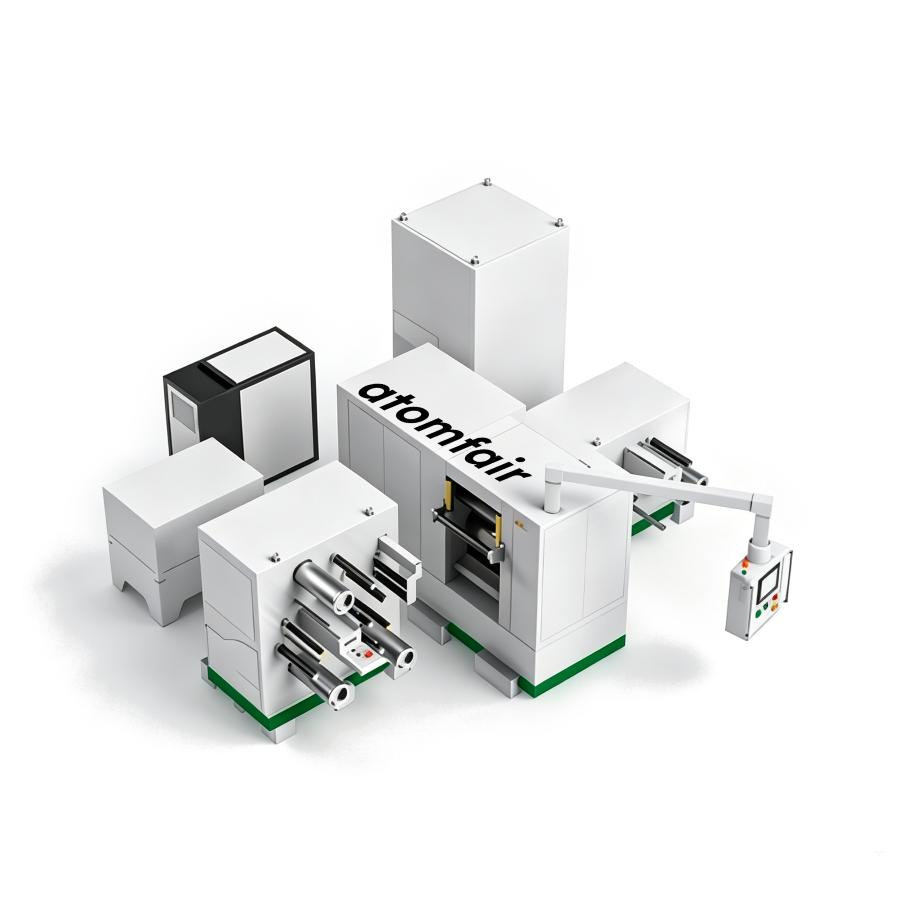
Required Equipment: Heated rolls (Φ96 × 150 mm), Roll-gap adjustment mechanism, Feeding assembly with screen mesh (0.8 mm), Material collection assembly
- Inspect Equipment and Work Area
Inspect the equipment and work area for any obstructions or damage. - Set Rolling Gap
Set the desired rolling gap between 0 and 3 mm using the adjustment mechanism. - Configure Roll Temperatures
Configure independent heating temperatures for upper and lower rolls within room temperature to 130°C. - Load Material
Load the material into the feeding tray and verify consistent feeding through the screen mesh. - Activate and Monitor Process
Activate the rolls and monitor the film-forming process for uniform thickness and alignment. - Collect and Inspect Film
Collect the formed film using the collection assembly and verify quality before continuing.
How does the maximum rolling temperature of 130°C affect the range of polymer or separator materials that can be processed with the AF-EFIE150?
The 130°C maximum temperature (independently adjustable for upper and lower rolls) is well suited for common low-to-mid melting point polymers such as polyolefin battery separators and standard film-forming materials. However, it will not reach the processing temperatures required for high-melting-point engineering plastics or advanced separator coatings that demand thermal conditions above 130°C, limiting the system to materials within this thermal range.
Can the AF-EFIE150 accommodate substrate widths larger than 120 mm, and what are the implications for roll-to-roll integration?
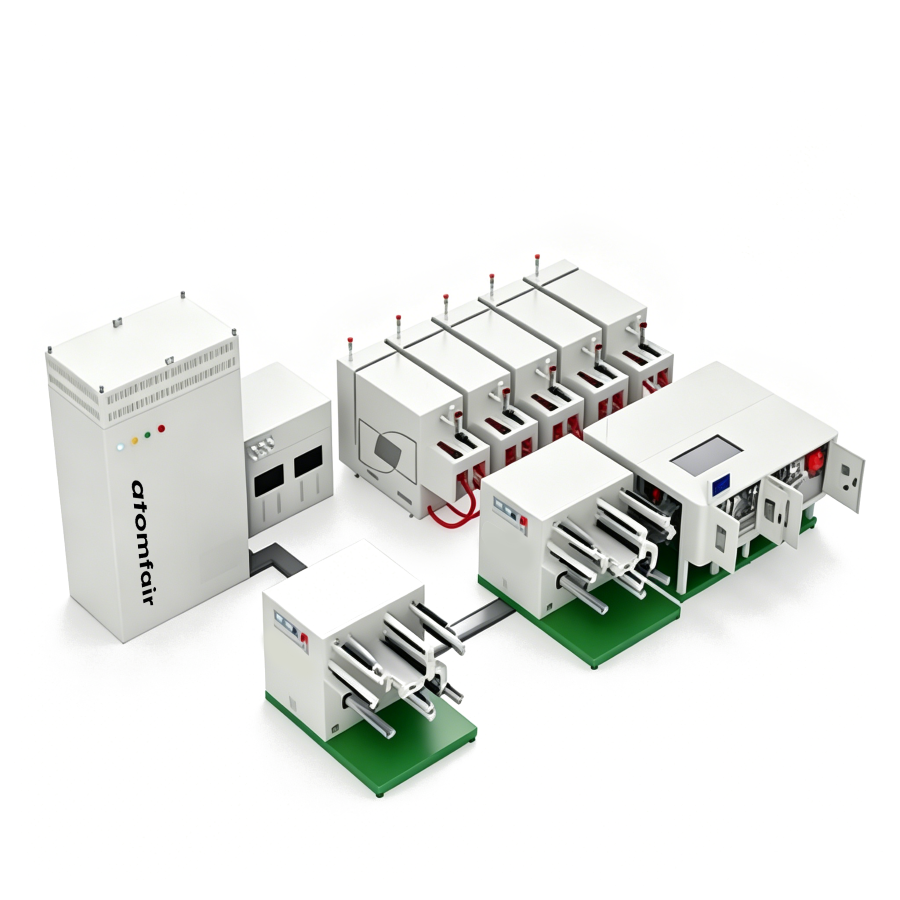
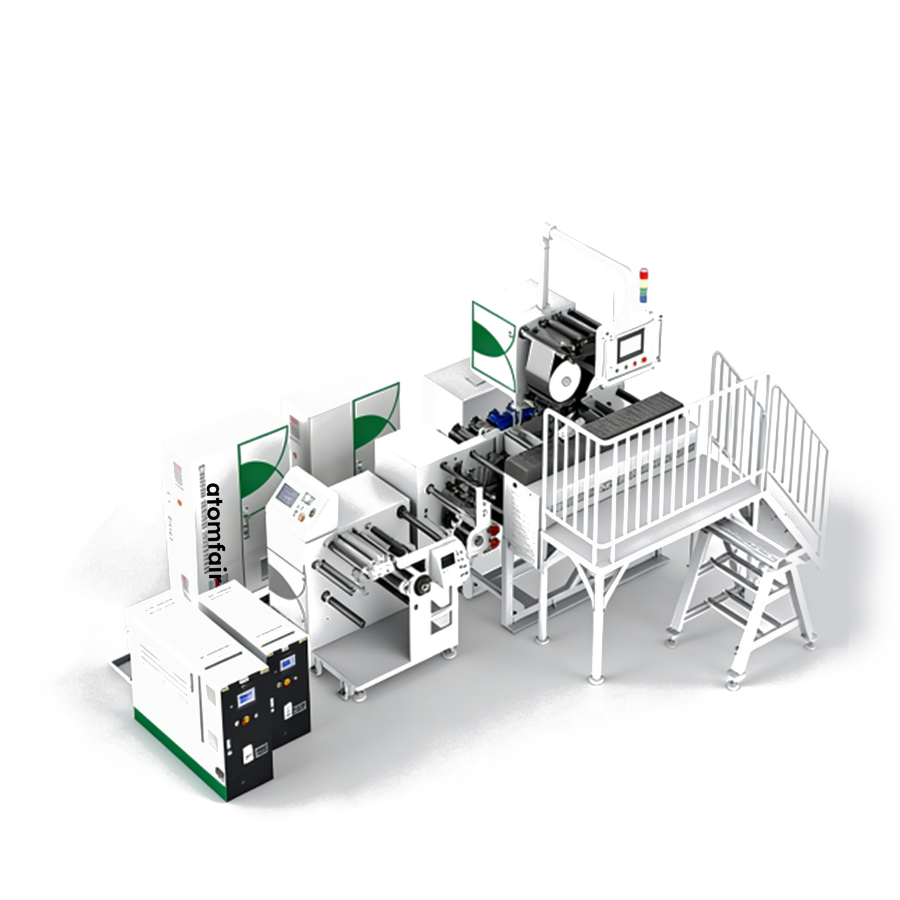
No, the effective film-forming width is capped at 120 mm, and the roll length is 150 mm, so substrates exceeding 120 mm cannot be processed. For continuous trials, the optional semi-automatic feeding and receiving modules are designed to integrate seamlessly with the standard 120 mm width, but any downstream roll-to-roll equipment must also match this width constraint to avoid edge effects or misalignment.
What are the infrastructure requirements (power, ventilation, footprint) for installing the AF-EFIE150 in a standard laboratory?
The integrated machine footprint is 750 × 770 × 640 mm, with a separate electrical box of 450 × 400 × 380 mm, requiring at least a standard laboratory bench area of roughly 1.2 m × 0.8 m. While voltage and current specifications are not provided, a grounded electrical outlet is mandatory; if processing materials that release volatile compounds during heating, local exhaust ventilation should be installed to maintain lab air quality.
The AF-EFIE150 film-forming integration system provides precise roll-gap adjustment and independent temperature control for lab-scale thin-film R&D, but its 130°C temperature ceiling and optional nature of feeding modules impose operational constraints for certain applications.
Positive
- Precise roll-gap control: Adjustable rolling gap from 0 to 3 mm ensures uniform film thickness and consistent material quality across experimental batches.
- Independent roll heating zones: Upper and lower rolls can be heated independently from room temperature to 130°C, enabling precise thermal tuning for diverse material formulations.
Trade-offs
- Limited maximum processing temperature: The rolling temperature is capped at 130°C, which may be insufficient for high-temperature polymer film processing or curing applications.
- Optional feeding modules not standard: Semi-automatic feeding and receiving functions are optional add-ons; without them, manual material handling is required, impacting throughput and consistency.
Every advanced material, component, equipment, and instrument in our catalog is backed by rigorous testing. We maintain strict internal quality management frameworks and align with CE conformity metrics to deliver transparent, reproducible performance data via our public open-science repository.
To request raw batch performance data, submit formal vendor registration paperwork, or execute a fast-turnaround R&D manufacturing loop, contact us at inquiry@atomfair.com.
Item is dispatched under the Atomfair Shipping & Delivery Framework (Free worldwide shipping on orders over $59 USD excl. heavy equipment). Return is governed by the Atomfair Return & Refund Policy (7-day technical return window).