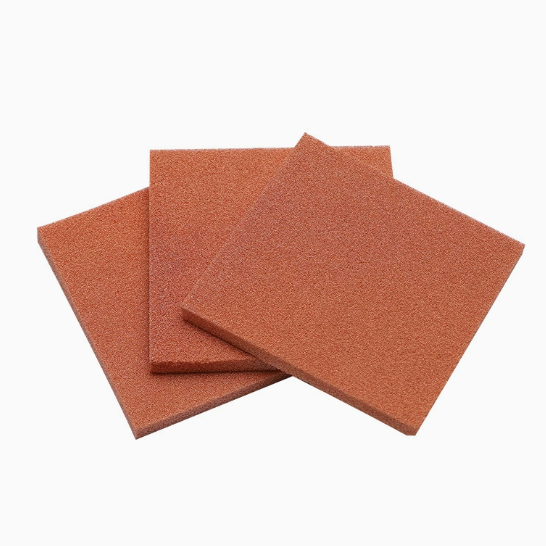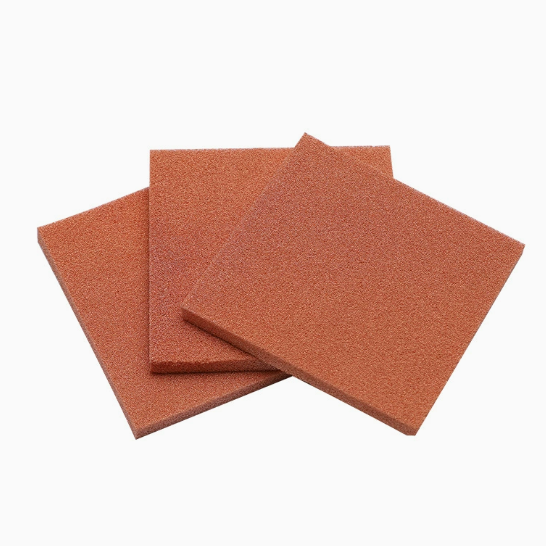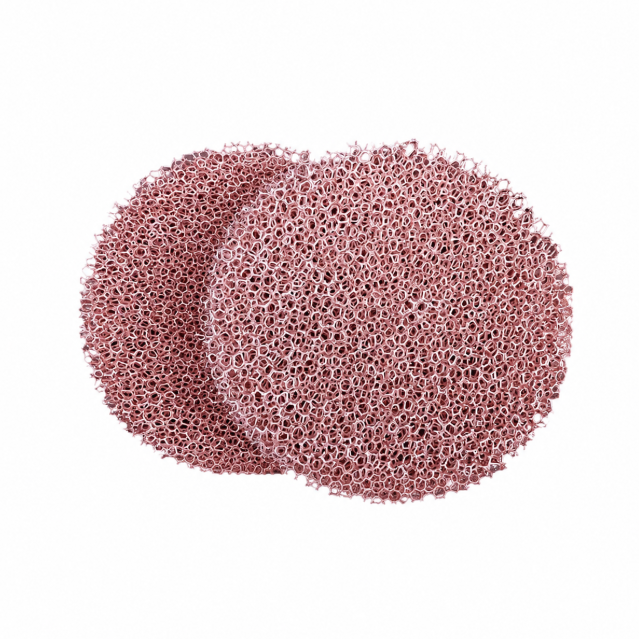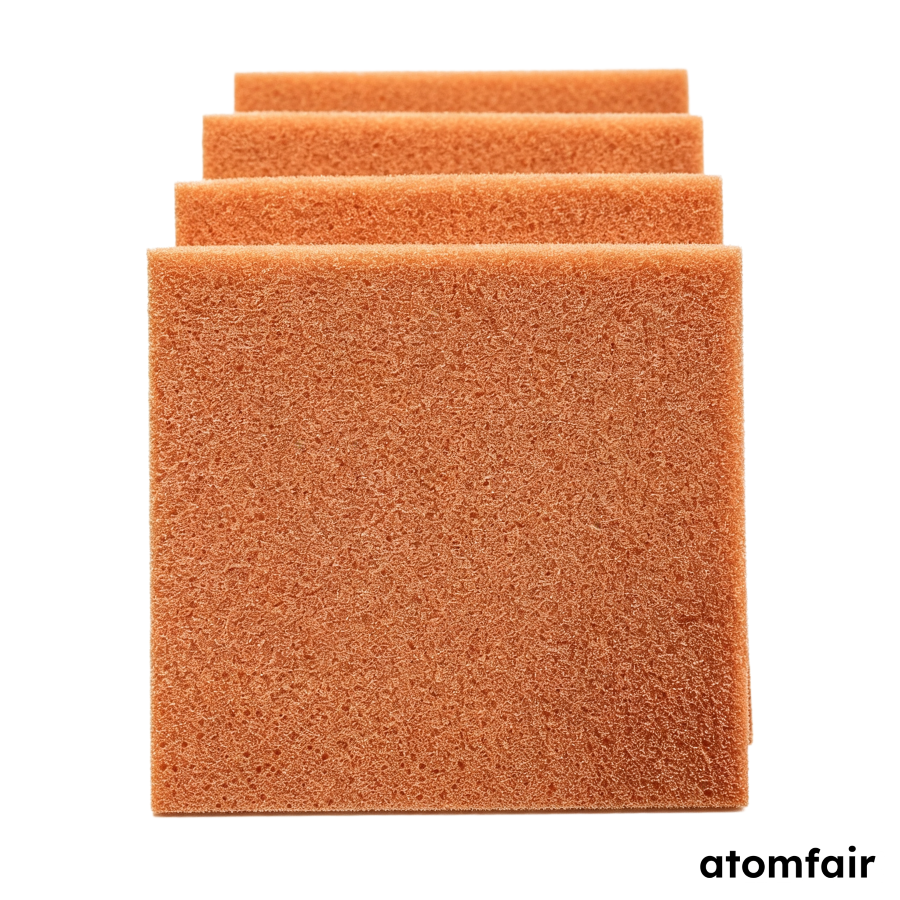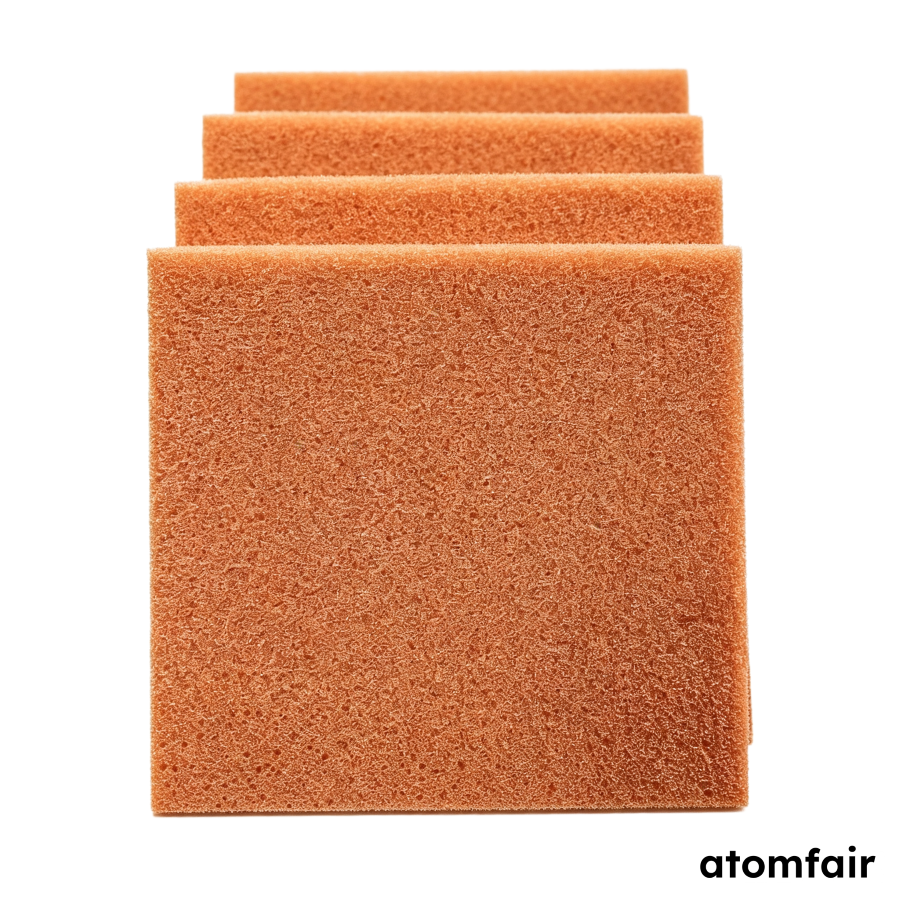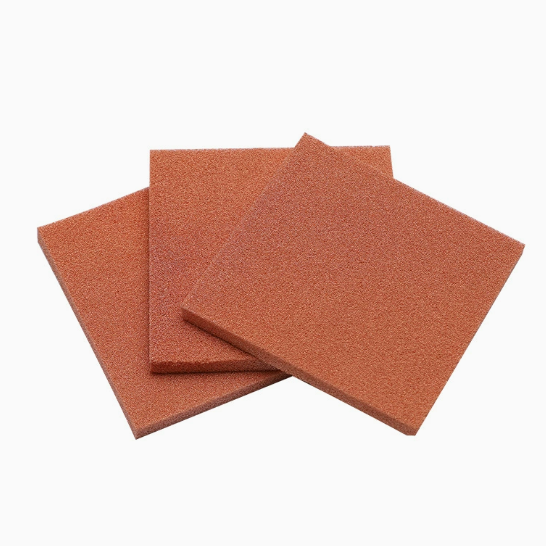
COPPER FOAM 60PPI 60-98% POROSITY THERMAL CONDUCTIVE EMI SHIELDINGADVANCED POROUS METAL MATERIAL
|
|||||||||||||||||||||||||||||||||||
|
|||||||||||||||||||||||||||||||||||
|
TAILORED SOLUTIONS FOR RESEARCH
Contact our engineering team for technical support or official quotations.
EMAIL: inquiry@atomfair.com
|
|||||||||||||||||||||||||||||||||||
|
Manufacturer: Atomfair LLC
Brand: ATOMFAIR®
|
Copper foam exhibits lower corrosion resistance compared to nickel, limiting its use in corrosive environments. The material's high porosity and through-hole structure require protection from oxidative and corrosive conditions to maintain performance.
- Corrosion Sensitivity: Corrosion resistance is inferior to nickel, restricting application in chemically aggressive environments.
What are the corrosion resistance limitations of copper foam compared to nickel foam when used as a battery electrode substrate?
Copper foam has lower corrosion resistance than nickel foam, which limits its application in certain battery environments. The product description explicitly states that 'its corrosion resistance is not as good as nickel, which somewhat limits its application scenarios.' Despite this, copper foam remains suitable for many battery electrode carrier applications due to its excellent electrical conductivity and ductility.
What are the mechanical handling considerations for copper foam with tensile strength of 5–18 kPa and compressive strength ≥2.5 MPa?
Copper foam has a mechanical strength of ≥2.5 MPa but a very low tensile strength of only 5–18 kPa, indicating it is fragile under tension. Care must be taken during cutting, shaping, and integration to avoid tearing or deformation, especially at higher porosities where the material is more delicate. The bulk density ranges from 0.5–1.5 g/cm³, further influencing handling stability.
How does the ≥98% through-hole rate benefit copper foam's performance in catalyst carrier and filtration applications?
The ≥98% through-hole rate ensures minimal blockage and high fluid flow efficiency, making copper foam an effective catalyst carrier with uniform distribution of catalytic sites. For filtration, this high through-hole rate allows fine particle capture while maintaining low pressure drop. The product description lists catalyst carriers and filter materials as primary applications, supported by the through-hole rate specification.
This 60 PPI copper foam with 60–98% porosity and >6 W/(m²·K) thermal conductivity is well-suited for battery electrodes, EMI shielding, and heat dissipation, but its lower corrosion resistance and tensile strength require careful environmental selection.
Positive
- High thermal conductivity for heat dissipation: With heat transfer coefficient >6 W/(m²·K), this copper foam is suitable for thermal management in battery and electronics applications.
- High porosity and through-hole rate: Porosity of 60–98% and ≥98% through-hole rate enable efficient fluid transport and large surface area for catalysis or filtration.
Trade-offs
- Inferior corrosion resistance vs nickel: Copper foam's corrosion resistance is lower than nickel foam, restricting its use in acidic or oxidative environments.
- Low tensile strength limits structural use: Tensile strength of 5–18 kPa indicates mechanical fragility; careful handling and non-load-bearing applications are recommended.
Every advanced material, component, equipment, and instrument in our catalog is backed by rigorous testing. We maintain strict internal quality management frameworks and align with CE conformity metrics to deliver transparent, reproducible performance data via our public open-science repository.
To request raw batch performance data, submit formal vendor registration paperwork, or execute a fast-turnaround R&D manufacturing loop, contact us at inquiry@atomfair.com.
Item is dispatched under the Atomfair Shipping & Delivery Framework (Free worldwide shipping on orders over $59 USD excl. heavy equipment). Return is governed by the Atomfair Return & Refund Policy (7-day technical return window).