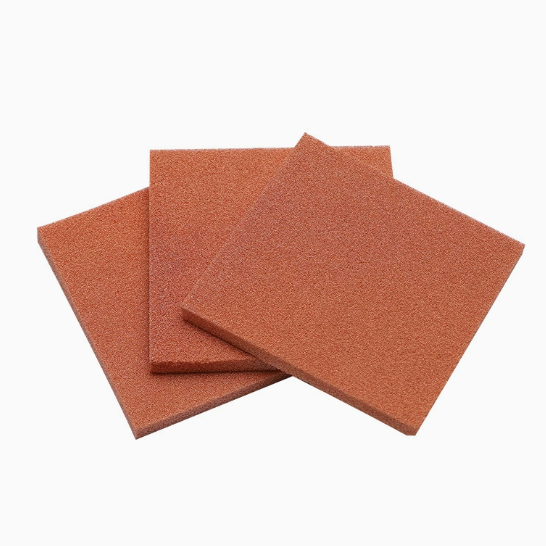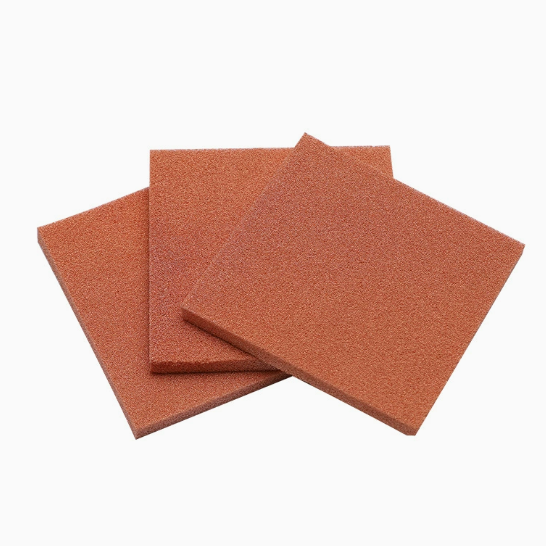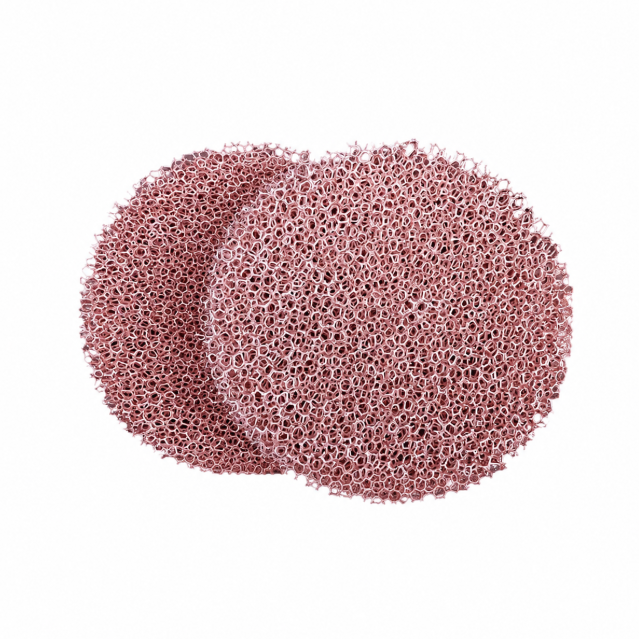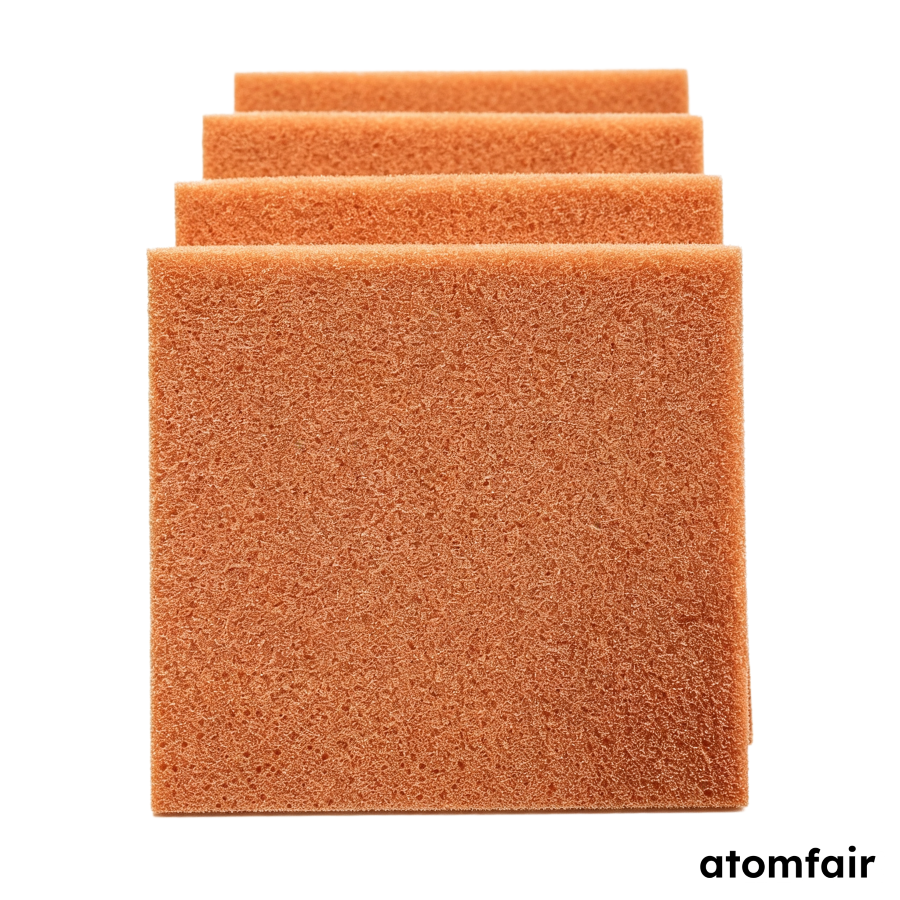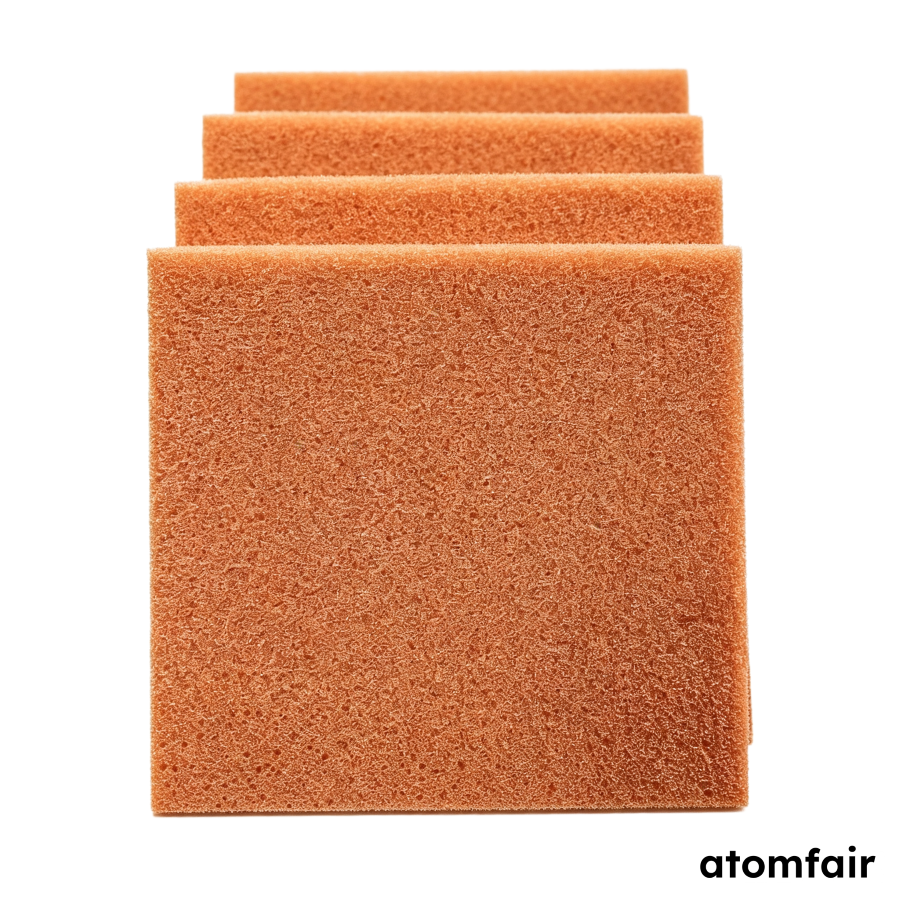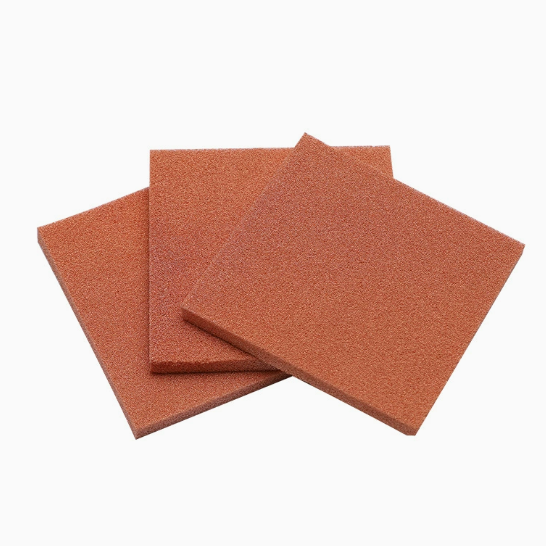
COPPER FOAM MOTHER ROLL 120PPI HIGH POROSITY THERMAL EMI FILTERADVANCED POROUS METAL MATERIAL
|
|||||||||||||||||||||||||||||||||||||||
|
|||||||||||||||||||||||||||||||||||||||
|
TAILORED SOLUTIONS FOR RESEARCH
Contact our engineering team for technical support or official quotations.
EMAIL: inquiry@atomfair.com
|
|||||||||||||||||||||||||||||||||||||||
|
Manufacturer: Atomfair LLC
Brand: ATOMFAIR®
|
How does the 120 PPI pore density affect the mechanical properties of Atomfair copper foam?
At 120 PPI, the copper foam exhibits a tensile strength of 5-18 KPa, compressive strength ≥250 KPa, and mechanical strength of 2-5 MPa. Higher PPI typically reduces individual strut thickness, but the mechanical performance remains within the specified range for this grade.
Can Atomfair 120 PPI copper foam be used as a current collector or electrode substrate in batteries?
Yes, the product is explicitly listed for battery electrode applications. Its ≥98% through-hole porosity and 0.1-10mm pore size enable efficient electrolyte infiltration and ion transport, while copper's inherent conductivity supports current collection. Specific electrical conductivity values are not provided in the source.
What is the thermal performance of this copper foam for heat dissipation applications?
The copper foam has a heat transfer coefficient greater than 6 W/(m²·K) and a temperature resistance of at least 900°C. These properties, combined with high porosity, make it suitable for heat dissipation and thermal management as listed in the applications.
This 120 PPI copper foam mother roll offers ≥98% through-hole porosity and a pore size range of 0.1–10 mm, making it suitable for battery electrodes, thermal management, and EMI shielding, though its low tensile strength (5–18 KPa) and high temperature resistance (≥900°C) impose handling and application-specific constraints.
Positive
- High through-hole porosity for fluid transport: With ≥98% through-hole porosity and pore sizes from 0.1 to 10 mm, the foam enables efficient electrolyte flow in battery electrodes and uniform gas distribution in filtration or catalyst support applications.
- Broad temperature tolerance up to 900°C: The material withstands temperatures ≥900°C, allowing deployment in high-temperature thermal management, exhaust filtration, or catalytic processes without structural degradation.
Trade-offs
- Low tensile strength limits structural use: Tensile strength ranges from 5 to 18 KPa, which restricts the foam's use in load-bearing or mechanically stressed configurations; careful handling and support structures are required during integration.
- Variable bulk density affects weight and conductivity: Bulk density spans 0.1–0.8 g/cm³, meaning the actual mass and thermal/electrical conductivity per unit volume can vary significantly with pore density and manufacturing tolerances, requiring specification confirmation for precision applications.
Every advanced material, component, equipment, and instrument in our catalog is backed by rigorous testing. We maintain strict internal quality management frameworks and align with CE conformity metrics to deliver transparent, reproducible performance data via our public open-science repository.
To request raw batch performance data, submit formal vendor registration paperwork, or execute a fast-turnaround R&D manufacturing loop, contact us at inquiry@atomfair.com.
Item is dispatched under the Atomfair Shipping & Delivery Framework (Free worldwide shipping on orders over $59 USD excl. heavy equipment). Return is governed by the Atomfair Return & Refund Policy (7-day technical return window).