COPPER FOAM ACID ALKALI RESISTANT 99% OPEN RATE THERMAL EMI FILTERADVANCED POROUS METAL MATERIAL
|
|||||||||||||||||||||||||||||||||||||||||||||||||||||||||||||||
|
|||||||||||||||||||||||||||||||||||||||||||||||||||||||||||||||
|
TAILORED SOLUTIONS FOR RESEARCH
Contact our engineering team for technical support or official quotations.
EMAIL: inquiry@atomfair.com
|
|||||||||||||||||||||||||||||||||||||||||||||||||||||||||||||||
|
Manufacturer: Atomfair LLC
Brand: ATOMFAIR®
|
What is the typical trade-off between pore size and porosity in copper foam for heat dissipation applications?
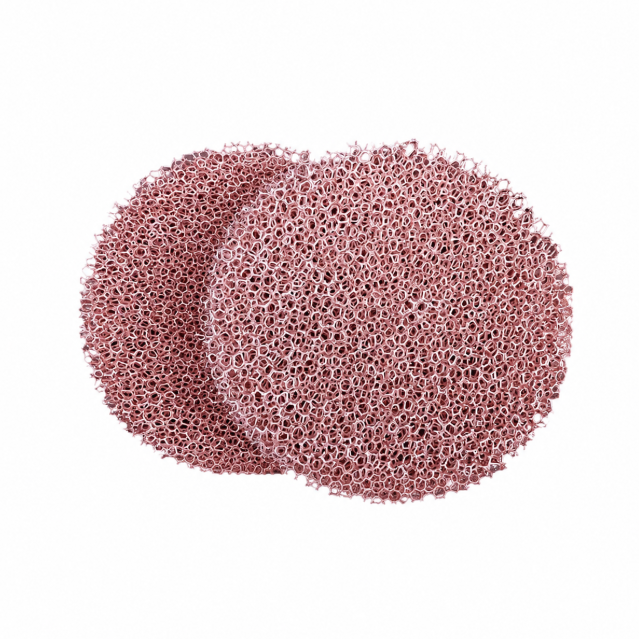
Copper foam pore size ranges from 0.1 mm to 10 mm (5–120 ppi) and porosity from 50% to 98%, with a 99% open rate and ≥98% through-hole rate. For heat dissipation, higher porosity increases surface area for convective heat transfer but reduces the continuous solid copper path, lowering effective thermal conductivity. The optimal balance depends on the specific cooling requirement, as the material is designed for use in motors, electronics, and LED heat sinks.
Can copper foam be directly integrated as an electrode material in nickel-zinc batteries without additional surface treatment?
Yes, copper foam has been trialed and put into batch use by several nickel-zinc battery manufacturers as a skeletal electrode material. Its excellent electrical conductivity and three-dimensional porous structure enable direct use without additional treatment. The source also notes it is expected to be promoted as a current collector for electric double-layer capacitor electrodes.
How does the radial breaking strength of 0.2 N/cm affect handling and shaping of the copper foam?
The radial breaking strength of 0.2 N/cm, combined with filament diameters of 0.01–10 mm, indicates the foam is mechanically delicate and requires careful handling during cutting, bending, or shaping to avoid tearing. Despite this, the source states the material has good tensile strength and ductility, suggesting moderate flexibility under controlled conditions.
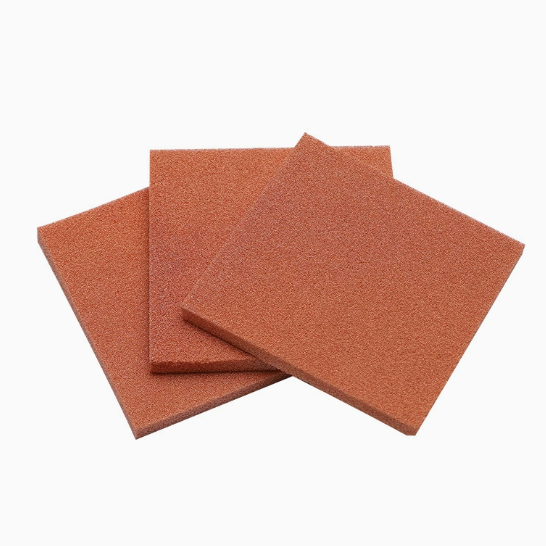
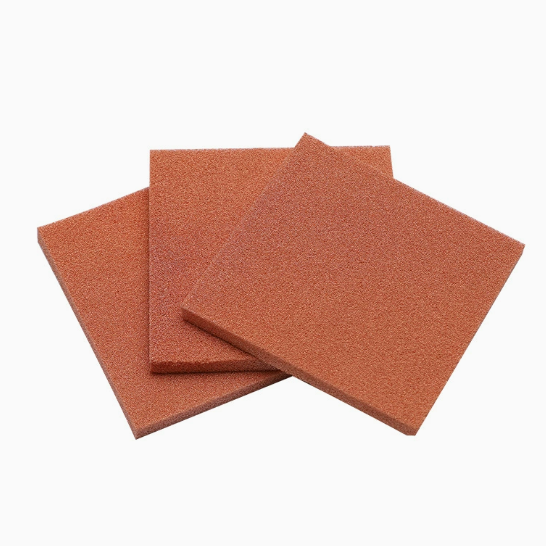
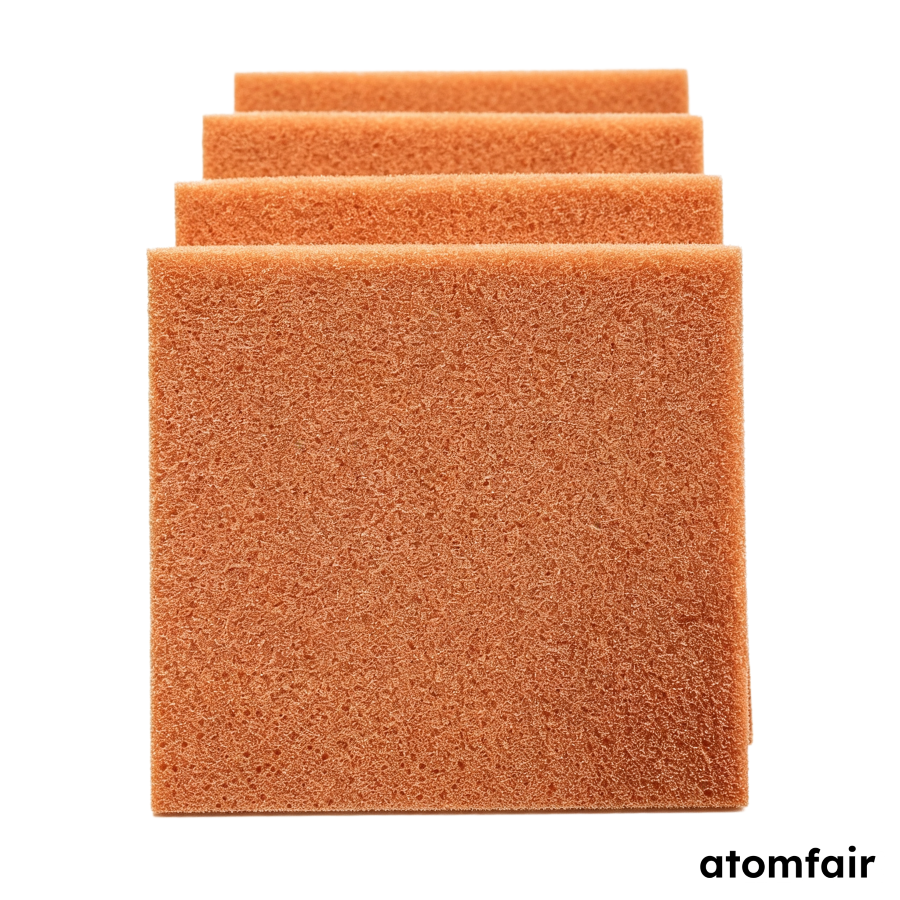
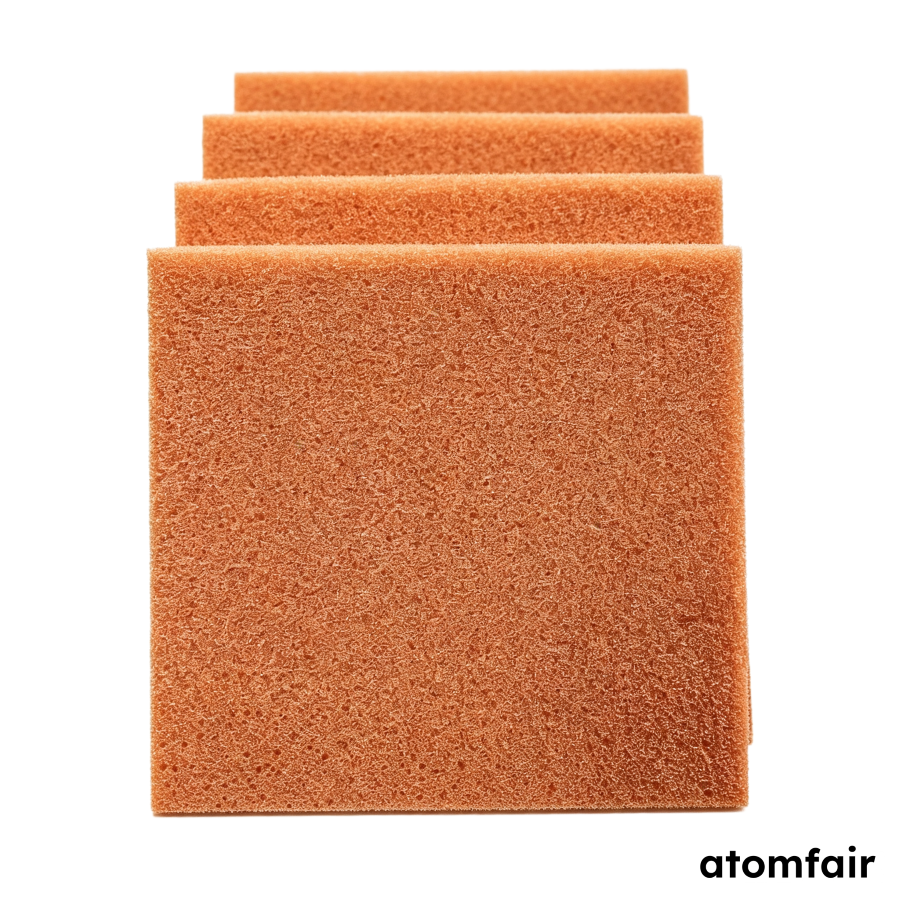
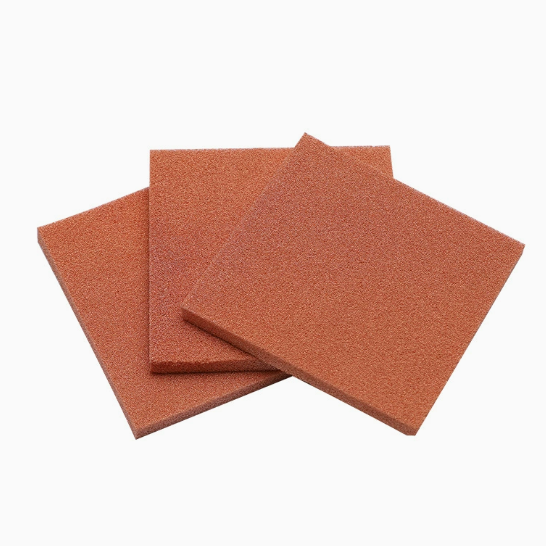
Copper foam sheet (100x180x3mm) with 99% open rate and ≥98% through-hole rate provides high permeability and thermal/electrical conductivity, suited for filtration, heat dissipation, and electrode applications, though its low radial breaking strength (0.2 N/cm) and variable porosity require careful handling and performance validation.
Positive
- High open rate and through-hole rate: 99% open rate and ≥98% through-hole rate enable efficient fluid flow and filtration with minimal pressure drop, supporting applications in dry filtration and water purification.
- Excellent thermal and electrical conductivity: Copper's inherent conductivity supports heat dissipation in motors and electronics, and enables use as electrode material in nickel-zinc batteries and electric double-layer capacitors.
Trade-offs
- Low radial breaking strength: Radial breaking strength of 0.2 N/cm indicates limited mechanical integrity, requiring careful handling and support in load-bearing applications to prevent deformation or fracture.
- Variable porosity and bulk density: Porosity ranges 50-98% and bulk density 0.1-0.8 g/cm³, meaning the specific sheet's properties may vary, affecting performance predictability and requiring validation for target applications.
Every advanced material, component, equipment, and instrument in our catalog is backed by rigorous testing. We maintain strict internal quality management frameworks and align with CE conformity metrics to deliver transparent, reproducible performance data via our public open-science repository.
To request raw batch performance data, submit formal vendor registration paperwork, or execute a fast-turnaround R&D manufacturing loop, contact us at inquiry@atomfair.com.
Item is dispatched under the Atomfair Shipping & Delivery Framework (Free worldwide shipping on orders over $59 USD excl. heavy equipment). Return is governed by the Atomfair Return & Refund Policy (7-day technical return window).