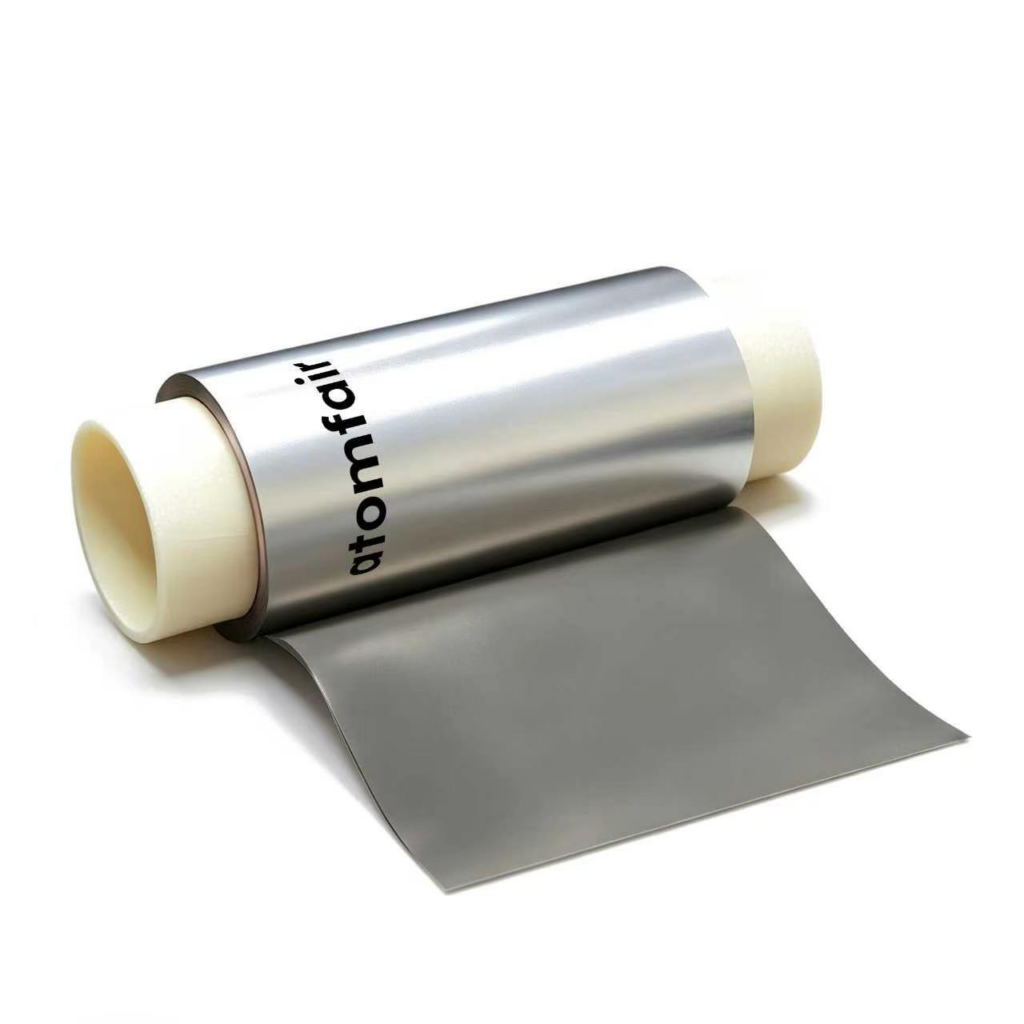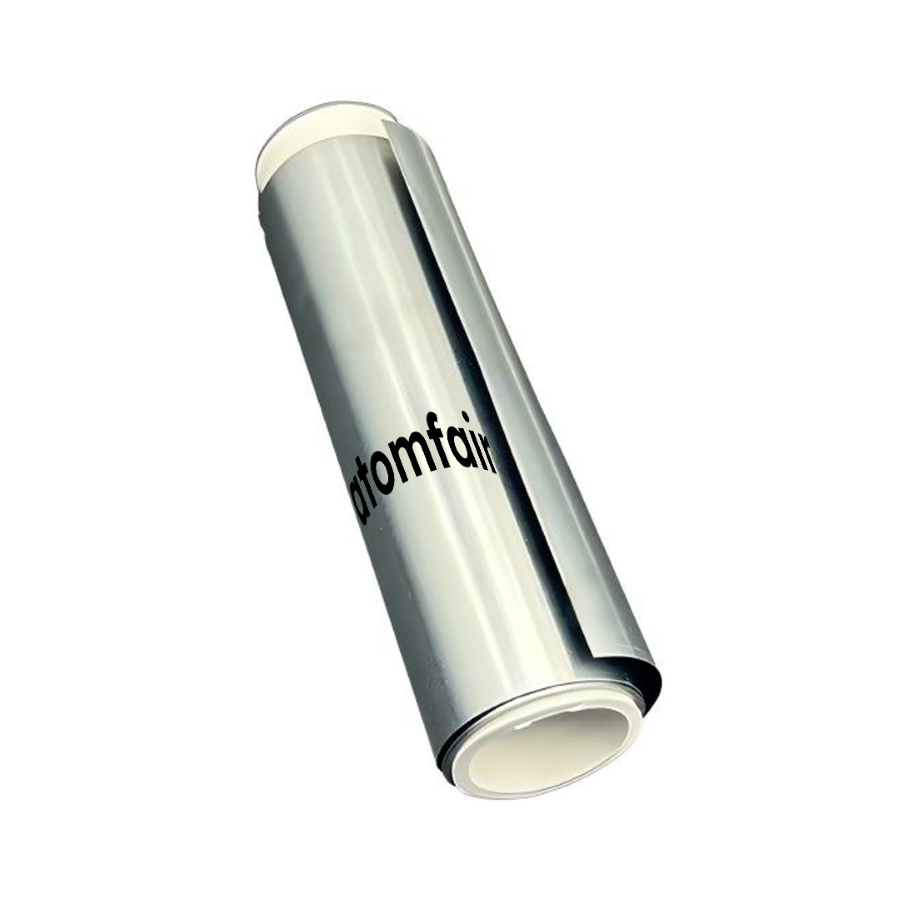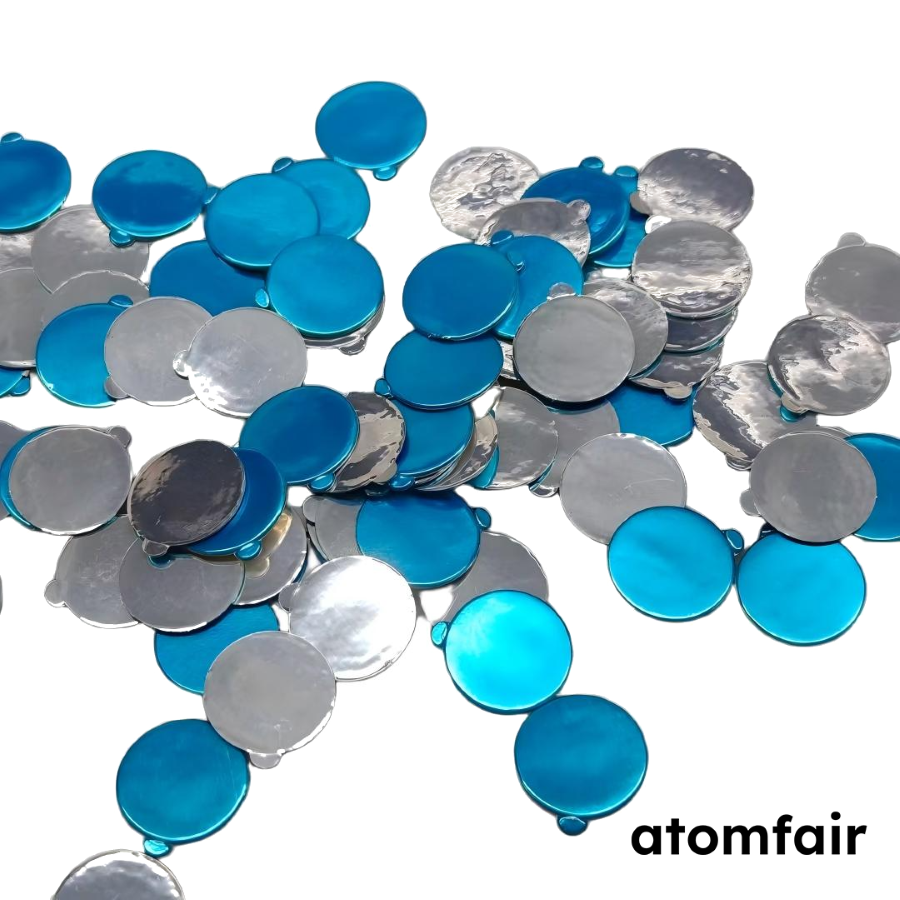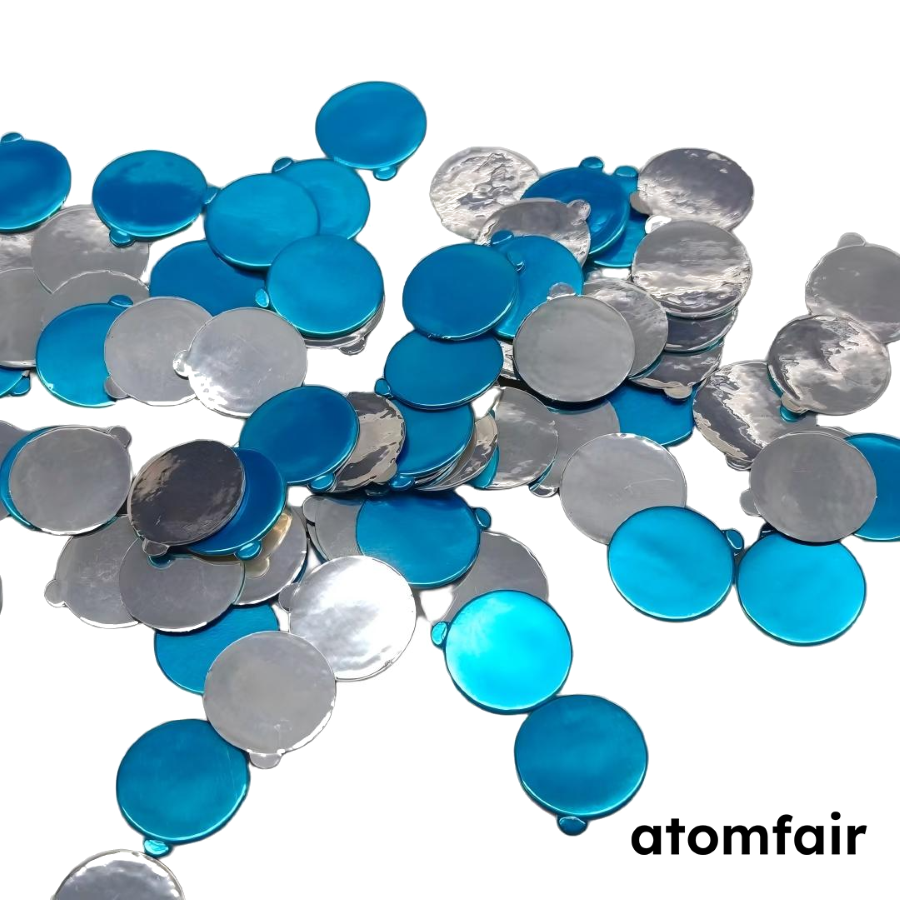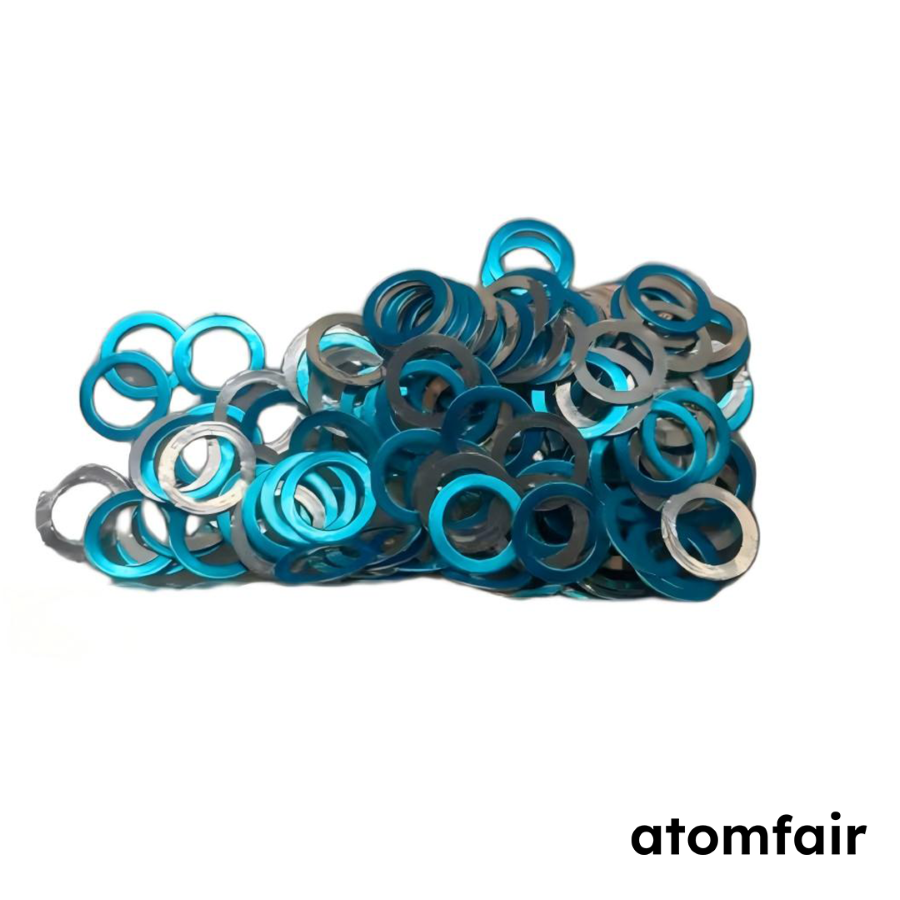
ATOMFAIR® CUSTOM SODIUM RING FOIL (ON-DEMAND DIMENSIONS)RESEARCH GRADE MATERIAL
|
|||||||||||||||||||||||||||||||||||
|
|||||||||||||||||||||||||||||||||||
|
TAILORED SOLUTIONS FOR RESEARCH
Contact our engineering team for technical support or official institutional quotations.
EMAIL: inquiry@atomfair.com
|
|||||||||||||||||||||||||||||||||||
|
Manufacturer: Atomfair LLC
Brand: ATOMFAIR®
|
|||||||||||||||||||||||||||||||||||
High-purity sodium metal is highly reactive with moisture and oxygen, requiring storage under inert atmosphere or mineral oil to prevent oxidation and degradation. Ultra-thin profiles (≤0.2 mm) are exceptionally soft and prone to mechanical deformation, necessitating careful handling and potential integration with a current collector substrate.
- Environmental Sensitivity: Sodium metal must be stored in an inert atmosphere (e.g., argon-filled glovebox) or submerged in anhydrous mineral oil to prevent rapid oxidation and moisture absorption.
- Mechanical Integrity Risk: Ultra-thin foils (≤0.2 mm thickness) exhibit high mechanical compliance and are susceptible to tearing, wrinkling, or permanent deformation during handling.
- Substrate Recommendation: Integrating an aluminum foil current collector substrate is recommended for ultra-thin profiles to provide structural support and facilitate seamless cell assembly.
This procedure outlines the safe transfer and positioning of a custom sodium ring foil into an electrochemical cell under inert conditions. Strict adherence to these steps prevents material oxidation, mechanical damage, and operator exposure to reactive alkali metal.
Required Equipment: Argon-filled glovebox (O2 and H2O < 0.1 ppm), PTFE-coated tweezers or vacuum pickup tool, Clean, lint-free wipes
- Prepare Inert Environment
Verify that the argon-filled glovebox maintains oxygen and moisture levels below 0.1 ppm before introducing any sodium material. - Retrieve Sodium Foil
Transfer the sodium ring foil from its sealed storage container directly into the glovebox antechamber without exposing it to ambient air. - Inspect for Deformation
Inspect the foil under glovebox lighting for any signs of creasing, tearing, or surface discoloration before proceeding with assembly. - Position on Substrate (if applicable)
Align the sodium ring foil concentrically onto the pre-prepared current collector substrate using PTFE-coated tweezers to avoid contamination. - Secure for Cell Assembly
Gently press the foil onto the substrate using a clean, flat PTFE block to ensure uniform contact without inducing wrinkles or folds.
What is the trade-off between using an ultra-thin sodium ring foil (≤0.2 mm) versus a thicker foil for sodium-metal battery research?
Ultra-thin foils (0.07 mm, 0.1 mm, and 0.2 mm) facilitate comprehensive mass-transfer gradient studies due to reduced thickness, but they are exceptionally soft and highly prone to mechanical deformation during handling. Thicker foils (0.8 mm) provide greater mechanical robustness at the expense of fine gradient resolution. Integrating an aluminum foil current collector substrate is recommended by the majority of global customers to mitigate deformation risks with ultra-thin foils.
Which current collector substrate is compatible with custom sodium ring foils for non-standard cell architectures?
ATOMFAIR custom sodium ring foils are available with aluminum current collector, copper current collector, or no current collector to match specific cell designs. For ultra-thin profiles (≤0.2 mm), engineering advice strongly recommends selecting the aluminum foil current collector substrate to prevent deformation and ensure seamless cell handling. Outer and inner diameters are fully customizable for non-standard laboratory footprints.
How should high-purity sodium ring foils be stored and handled to prevent degradation before cell assembly?
Each foil is packaged individually (1 piece per box) in an argon gas environment sealed inner vacuum pack to prevent oxidation and moisture exposure. Ultra-thin foils (≤0.2 mm) require careful handling as they are exceptionally soft and prone to deformation; integrating an aluminum current collector substrate is explicitly recommended for ease of handling. All manufacturing follows SJ/T11363-2006 compliance conditions to ensure material purity and consistency.
This custom sodium ring foil offers bespoke dimensional flexibility for non-standard cell architectures, but its ultra-thin variants require careful handling and integration with a current collector substrate to prevent mechanical deformation during assembly.
Positive
- Bespoke dimensional customization: Fully customizable outer and inner diameters support non-standard laboratory footprints, eliminating manual trimming errors and enabling precise fit in specialized cell hardware.
- Expansive thickness range for studies: Available thicknesses from 0.07 mm to 0.8 mm facilitate comprehensive mass-transfer gradient studies and allow optimization of sintering and grain boundary integration at lower operating temperatures.
Trade-offs
- Ultra-thin profiles prone to deformation: Thicknesses ≤0.2 mm are exceptionally soft and highly prone to mechanical deformation during handling, requiring integration of an aluminum current collector substrate for seamless cell assembly.
- Argon-sealed packaging requirement: The sodium ring foil is shipped in an argon gas environment sealed inner vacuum pack, necessitating inert atmosphere handling upon opening to prevent oxidation or contamination before use.
Every advanced material, component, equipment, and instrument in our catalog is backed by rigorous testing. We maintain strict internal quality management frameworks and align with CE conformity metrics to deliver transparent, reproducible performance data via our public open-science repository.
To request raw batch performance data, submit formal vendor registration paperwork, or execute a fast-turnaround R&D manufacturing loop, contact us at inquiry@atomfair.com.
Item is dispatched under the Atomfair Shipping & Delivery Framework (Free worldwide shipping on orders over $59 USD excl. heavy equipment). Return is governed by the Atomfair Return & Refund Policy (7-day technical return window).