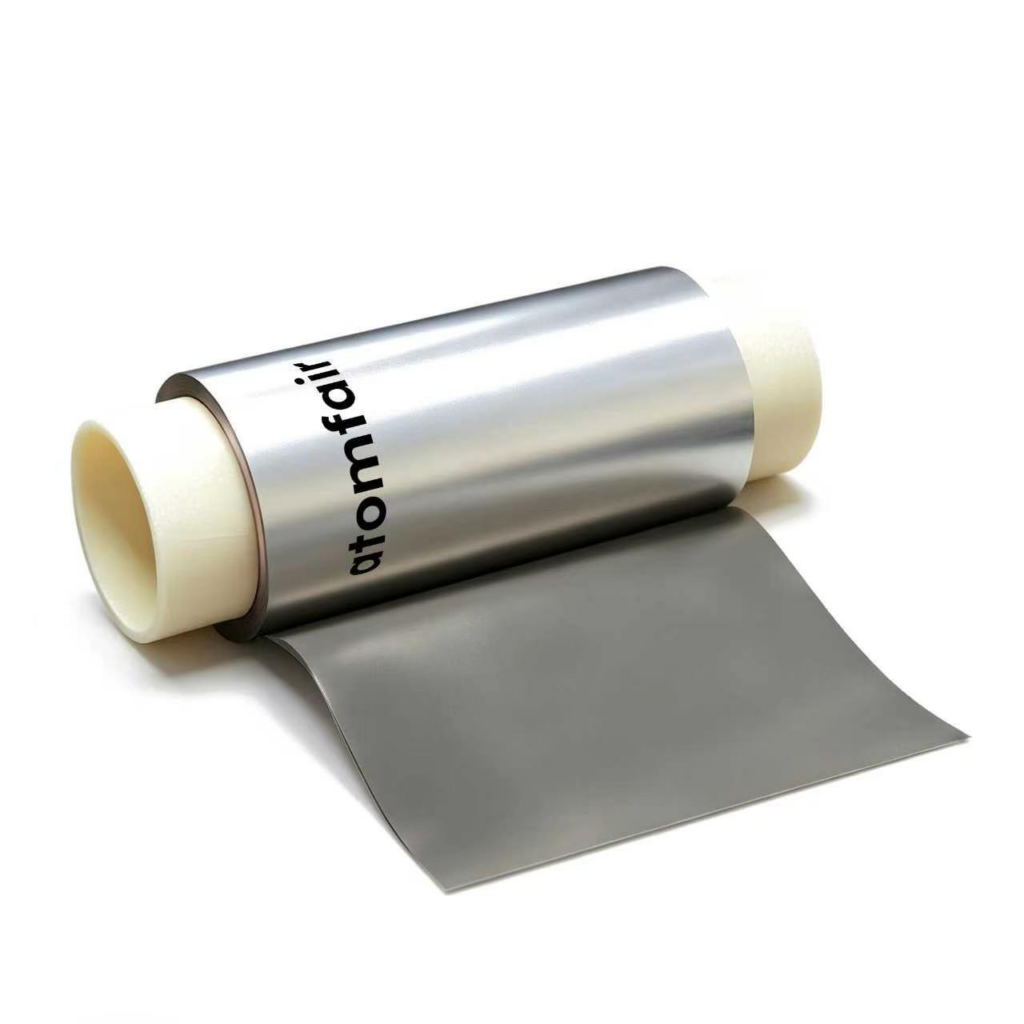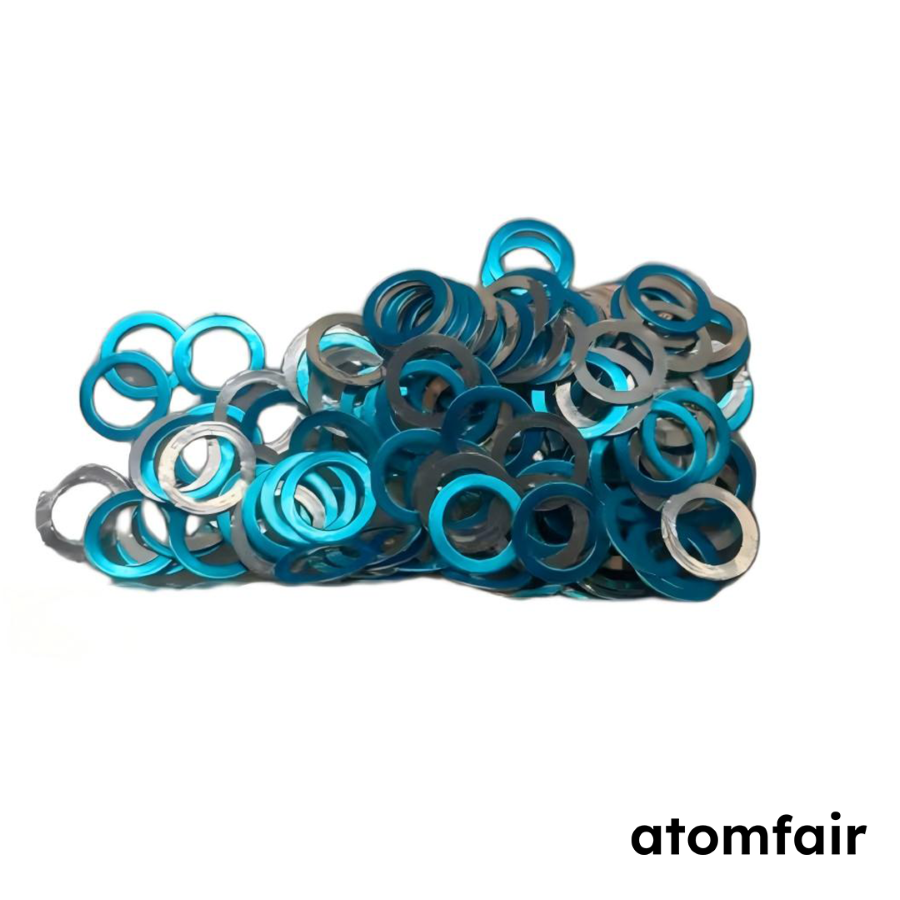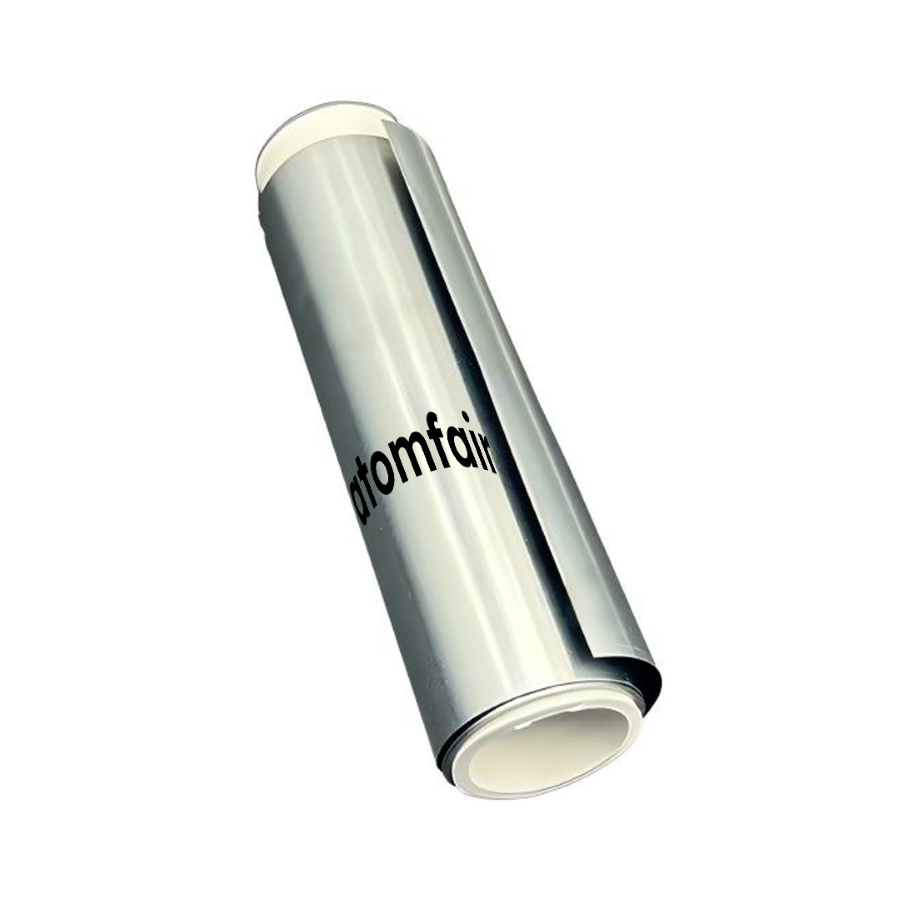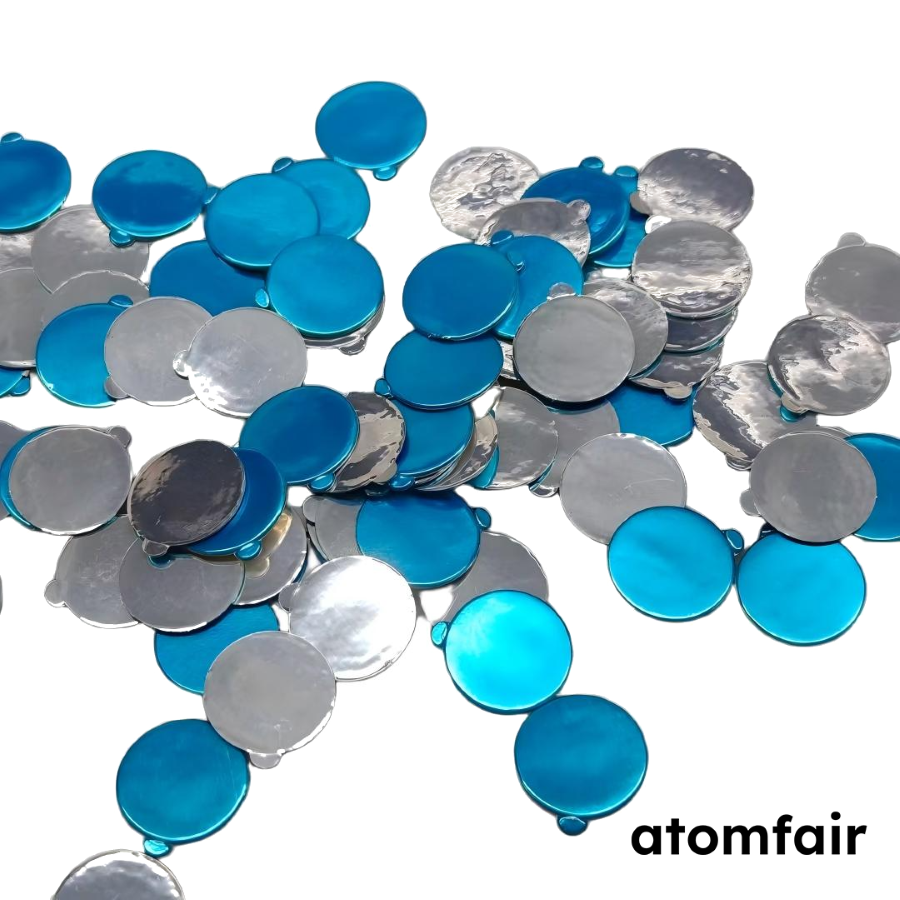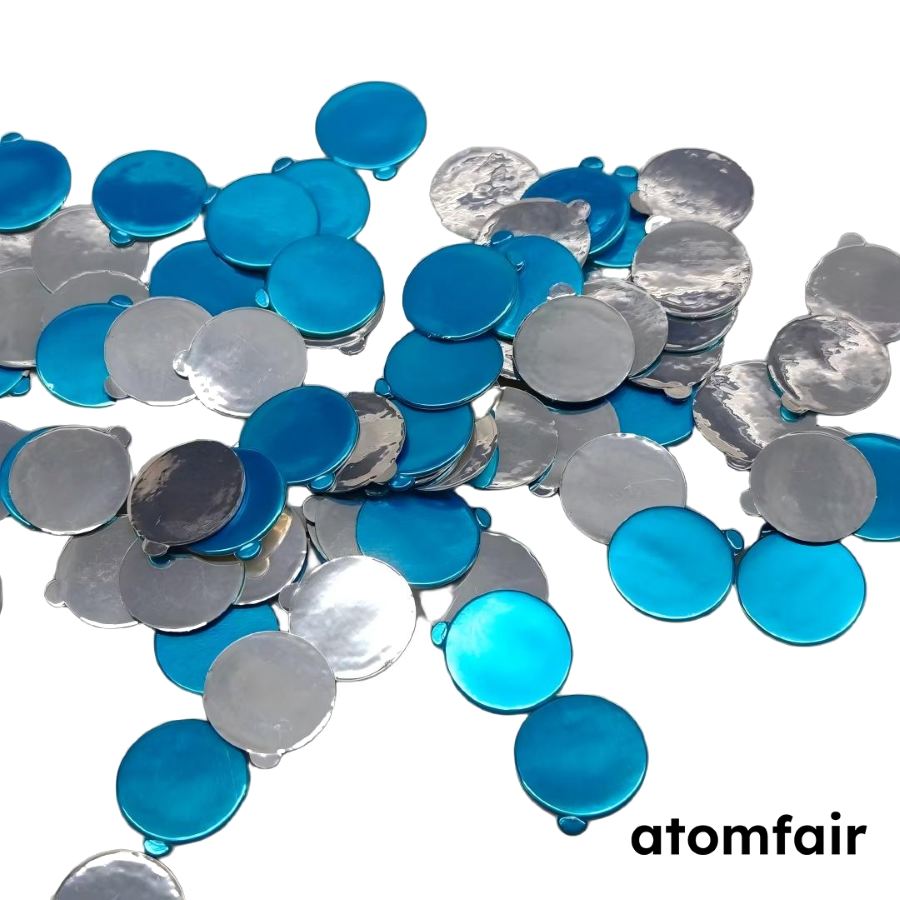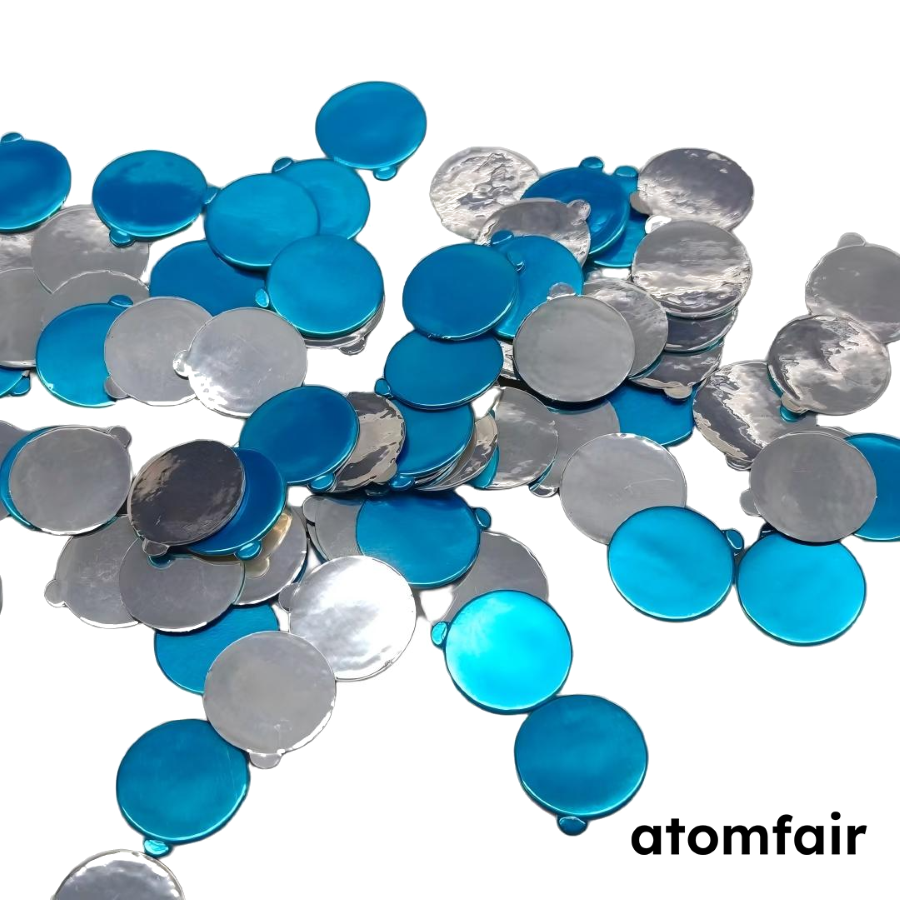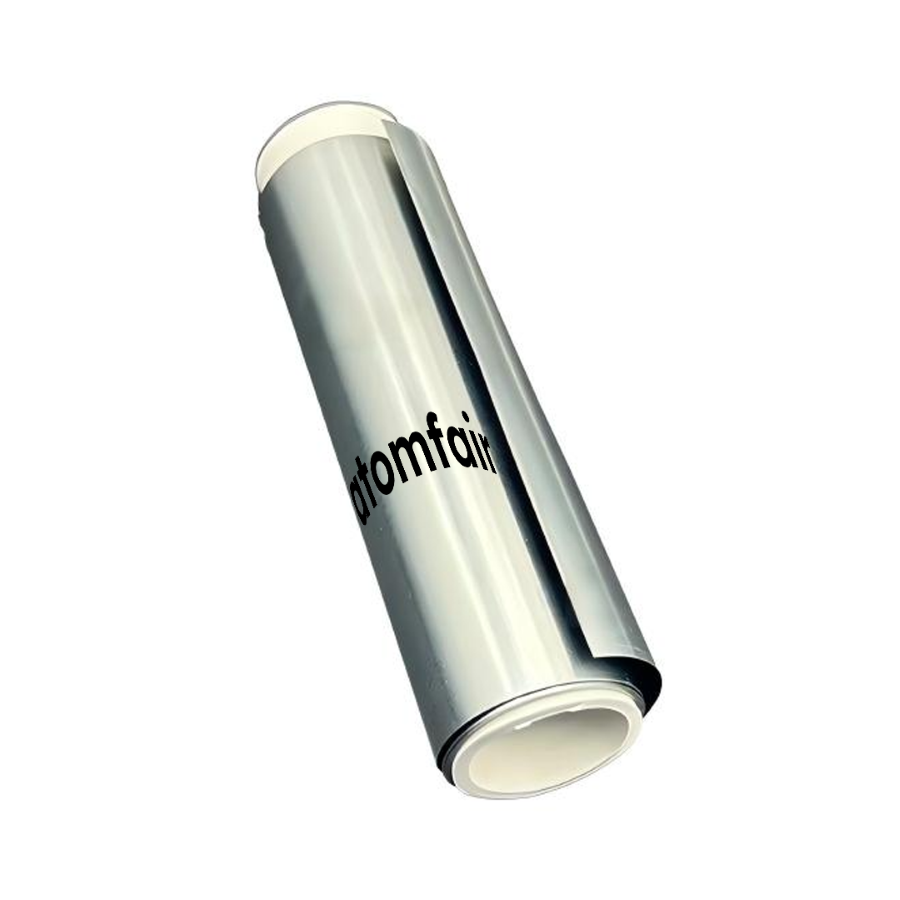
ATOMFAIR® NA-X8000 SODIUM METAL STRIP BANDRESEARCH GRADE MATERIAL
|
|||||||||||||||||||||||||||||||||
|
|||||||||||||||||||||||||||||||||
|
TAILORED SOLUTIONS FOR RESEARCH
Contact our engineering team for technical support or official institutional quotations.
EMAIL: inquiry@atomfair.com
|
|||||||||||||||||||||||||||||||||
|
Manufacturer: Atomfair LLC
Brand: ATOMFAIR®
|
|||||||||||||||||||||||||||||||||
Sodium metal is highly reactive with atmospheric moisture and oxygen, necessitating strict inert atmosphere storage to prevent degradation and safety hazards. The material must be handled exclusively in a dry, oxygen-free environment, such as an argon-filled glovebox, to maintain electrochemical performance and prevent pyrophoric reactions.
- Inert Atmosphere Requirement: The sodium metal strip must be stored and processed exclusively under an inert atmosphere (e.g., argon) to prevent rapid oxidation and moisture-induced degradation.
- Moisture Sensitivity: Exposure to ambient humidity causes immediate surface oxidation and potential pyrophoric reaction, compromising electrochemical performance.
- Containment Integrity: The current collector backing and sodium layer must remain in continuous contact to avoid delamination and ensure uniform current distribution.
- Chemical Compatibility: Contact with incompatible materials such as water, alcohols, or halogens must be strictly avoided to prevent violent reactions.
What are the trade-offs between the free-standing and current collector-backed configurations of the NA-X8000 sodium band for half-cell testing?
Free-standing configurations lack a current collector backplane, making ultra-thin 0.20 mm foils highly susceptible to severe mechanical deformation and wrinkling during handling, which compromises yield. Transitioning to integrated aluminum or copper foil collectors provides a rigid backplane that mitigates wrinkling and ensures high-yield validation, though it adds inactive mass to the cell. As noted in the product description, aluminum foil backing is highly recommended for standard coin cell or pouch cell customization to optimize cycling stability.
How does the NA-X8000 sodium metal strip integrate with standard coin cell and pouch cell geometries given its band width and current collector dimensions?
The sodium band width is ≤ 120 mm with fully customizable parameters, while the integrated current collector (aluminum or copper foil) has a fixed width of 150 mm, creating a wider collector than active material. This overhang is intentional to ensure uniform current distribution and prevent edge effects, but it must be accommodated within cell hardware. For coin cells, the band can be punched to desired diameters, while for pouch cells, the 8000 mm roll length enables continuous roll-to-roll pilot processing as stated in the application scope.
What specific handling and storage protocols are required to preserve the integrity of the NA-X8000 sodium metal strip before cell assembly?
The strip is packed under premium ultra-pure protective matrices (hermetic dual-layer preservation) to shield reactive sodium boundaries from ambient trace moisture degradation, ensuring flawless analytical repeatability. For free-standing configurations, which have inherently low substrate grip and sub-optimal structural integrity, pre-heating the band on a laboratory hotplate or thermal oven above 50°C is recommended to alleviate release resistance and avoid wrinkling or tearing during matrix peeling. Always handle in an inert atmosphere (argon glovebox) to prevent oxidation, though this is not explicitly stated but implied by sodium reactivity.
The NA-X8000 sodium metal strip band provides a high-purity (≥99.9%) anode platform with integrated current collector options (Al or Cu foil) to mitigate mechanical deformation in thin-film configurations, though free-standing variants require thermal-assisted handling above 50°C to avoid tearing during processing.
Positive
- Integrated current collector stability: Ultra-thin sodium matrix (0.20 mm) is reinforced with aluminum or copper foil backing to prevent wrinkling and mechanical deformation during cell assembly, ensuring high-yield validation in coin or pouch cells.
- Hermetic dual-layer preservation: Packaged under premium ultra-pure protective matrices that shield the reactive sodium surface from ambient trace moisture, maintaining flawless analytical repeatability across long-roll production tests.
Trade-offs
- Free-standing handling sensitivity: Free-standing configurations possess inherently low substrate grip and sub-optimal structural integrity, requiring pre-heating above 50°C on a laboratory hotplate or thermal oven to avoid wrinkling or tearing during matrix peeling.
- Moisture degradation risk: The reactive sodium metal surface is highly susceptible to ambient trace moisture degradation, necessitating hermetic argon-filled packaging and controlled-environment handling to preserve electrochemical performance.
Every advanced material, component, equipment, and instrument in our catalog is backed by rigorous testing. We maintain strict internal quality management frameworks and align with CE conformity metrics to deliver transparent, reproducible performance data via our public open-science repository.
To request raw batch performance data, submit formal vendor registration paperwork, or execute a fast-turnaround R&D manufacturing loop, contact us at inquiry@atomfair.com.
Item is dispatched under the Atomfair Shipping & Delivery Framework (Free worldwide shipping on orders over $59 USD excl. heavy equipment). Return is governed by the Atomfair Return & Refund Policy (7-day technical return window).