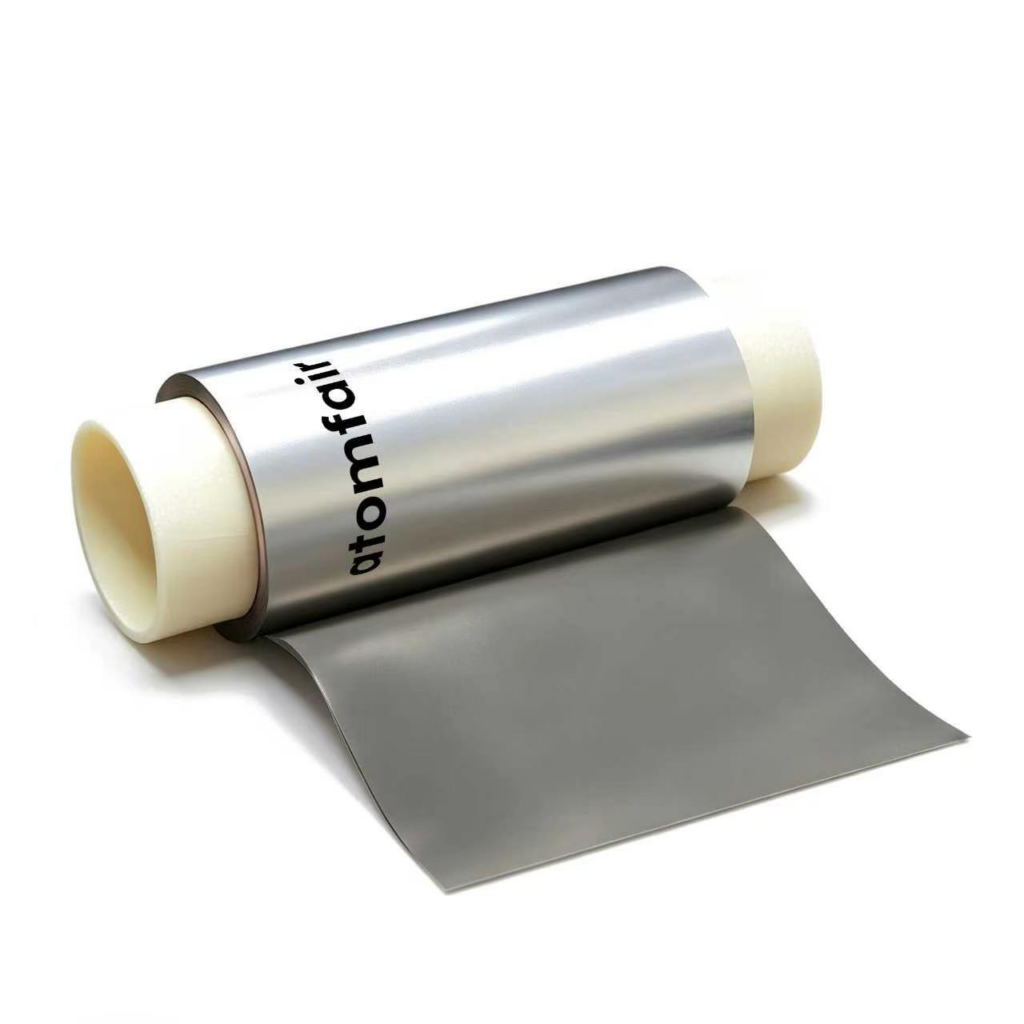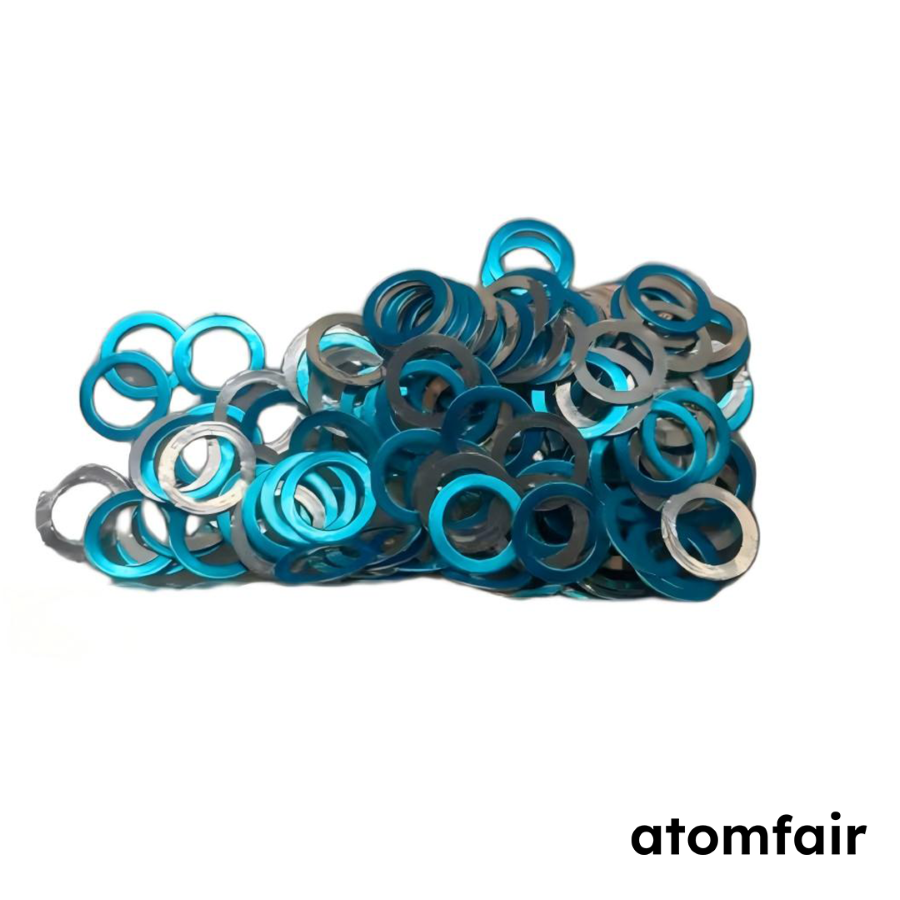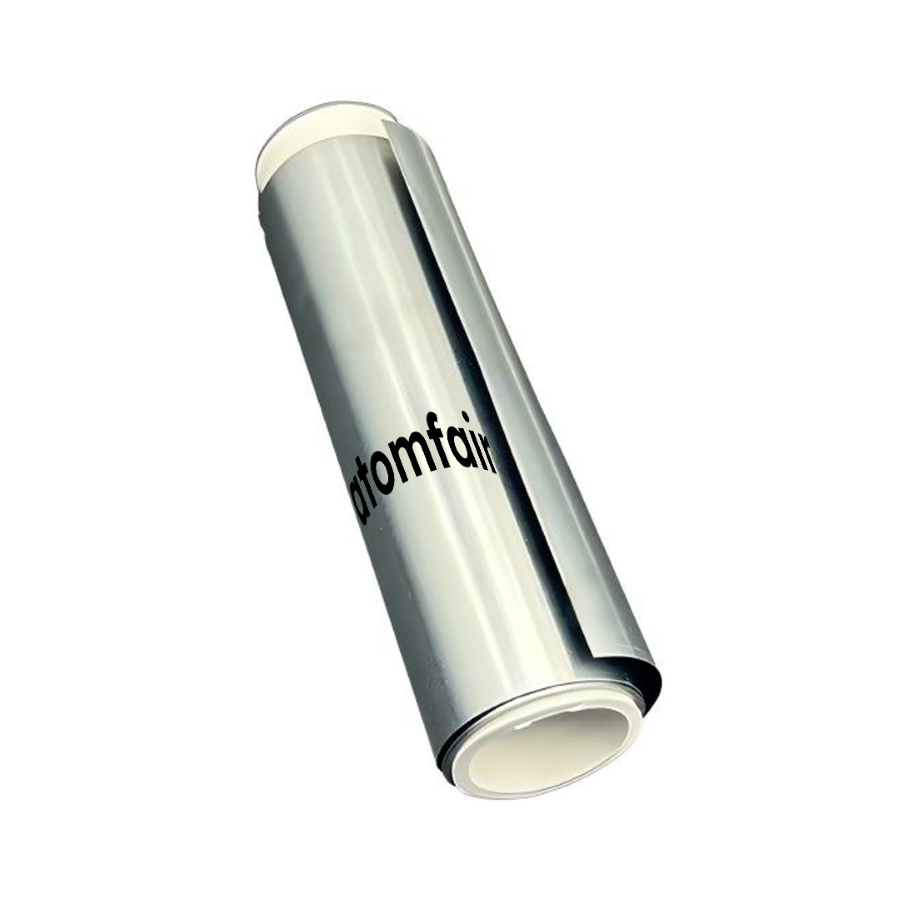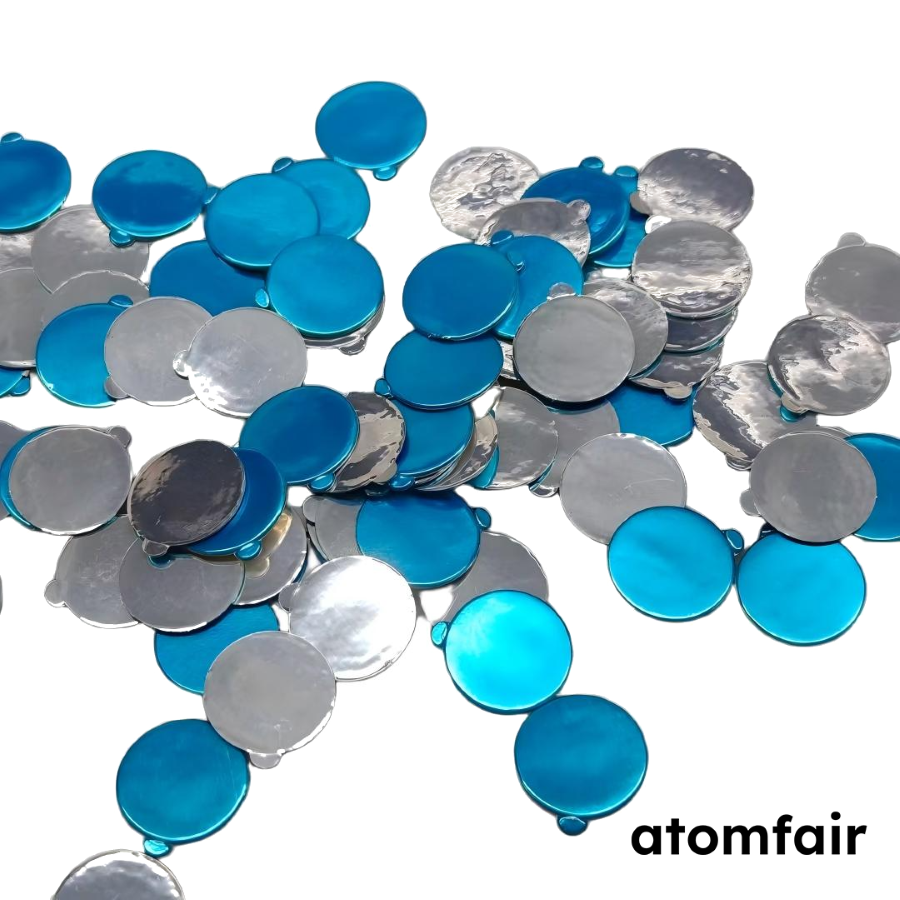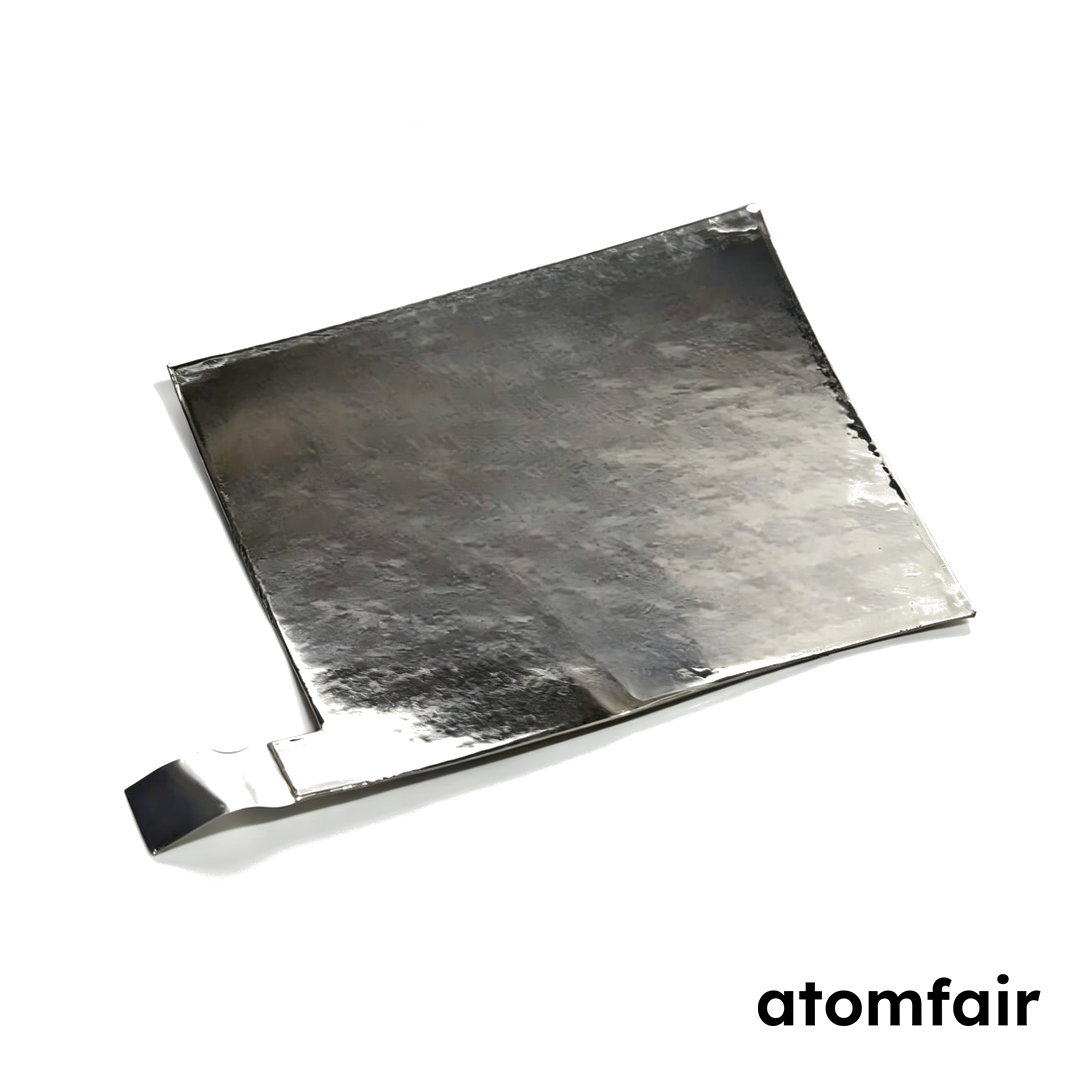
ATOMFAIR® SODIUM METAL SHEET (64MM × 55MM × 0.3MM)RESEARCH GRADE MATERIAL
|
|||||||||||||||||||||||||||||||||||
|
|||||||||||||||||||||||||||||||||||
|
TAILORED SOLUTIONS FOR RESEARCH
Contact our engineering team for technical support or official institutional quotations.
EMAIL: inquiry@atomfair.com
|
|||||||||||||||||||||||||||||||||||
|
Manufacturer: Atomfair LLC
Brand: ATOMFAIR®
|
|||||||||||||||||||||||||||||||||||
This high-purity sodium metal sheet is highly reactive to moisture and oxygen, requiring storage and handling in an inert atmosphere to prevent oxidation and degradation. The ultra-thin geometry (0.3 mm) is susceptible to mechanical deformation, necessitating careful handling to avoid wrinkles or tears that compromise electrochemical testing.
- Atmosphere Constraint: Store and handle the sodium sheet exclusively in an argon-filled glovebox with oxygen and moisture levels below 0.1 ppm to prevent rapid surface oxidation.
- Mechanical Integrity Constraint: Avoid bending or applying localized pressure to the sheet, as the 0.3 mm thickness is prone to plastic deformation and wrinkling that disrupts plane-to-plane contact in pouch cells.
- Substrate Support Recommendation: For thicknesses at or below 0.2 mm, use current-collector supported configurations (aluminum or copper foil) to eliminate macro-wrinkling and ensure structural integrity during cell assembly.
This procedure outlines the safe transfer and integration of the reactive sodium metal sheet into a sodium-ion pouch cell under inert conditions. Proper handling prevents oxidation, mechanical damage, and ensures reliable electrochemical testing.
Required Equipment: Argon-filled glovebox (O2 and H2O < 0.1 ppm), Ceramic or PTFE-coated tweezers, Clean, flat PTFE or glass work surface
- Prepare Glovebox Environment
Verify that the argon-filled glovebox maintains oxygen and moisture levels below 0.1 ppm before introducing the sodium sheet. - Retrieve Sodium Sheet from Sealed Packaging
Open the vacuum-sealed packaging inside the glovebox using ceramic scissors to avoid contamination from metal blades. - Inspect Sheet for Defects
Visually examine the sodium sheet for any wrinkles, tears, or discoloration that indicate oxidation or mechanical damage. - Transfer Sheet to Assembly Station
Lift the sheet gently using PTFE-coated tweezers, supporting it evenly to prevent bending, and place it onto a clean PTFE work surface. - Position Sheet in Pouch Cell Stack
Align the sodium sheet onto the separator or current collector within the pouch cell stack, ensuring flat contact without air pockets. - Seal Pouch Cell Immediately
Transfer the assembled stack to the pouch sealing station and seal the cell within 5 minutes to minimize exposure to residual glovebox atmosphere.
What is the optimal current collector configuration for Atomfair sodium metal sheets to balance mechanical stability and electrochemical performance in pouch cell studies?
For standard 0.3 mm sheets, both aluminum and copper collector-backed configurations offer enhanced mechanical flatness and reduce wrinkling, while the unsupported variant provides a pristine sodium surface for reference testing. The Al-backed configuration is particularly recommended for foil thicknesses ≤0.2 mm to prevent localized plastic deformation.
How does the Atomfair sodium metal sheet design ensure consistent electrochemical performance across large-format sodium-ion pouch cells?
The sheet's 64 mm × 55 mm dimensions and 0.3 mm thickness minimize structural wrinkles and thickness variance, enabling plane-to-plane consistency. The uniform elemental distribution prevents parasitic electronic leakage, while the available current collector backings optimize contact with the anode substrate for uniform current distribution and stable cycling.
What storage and handling infrastructure is required to maintain the integrity of Atomfair sodium metal sheets before cell assembly?
The sheets are shipped in a high-barrier multi-layer aluminum foil pouch with a protective substrate vial; they must be stored in an inert atmosphere (argon or nitrogen) glovebox. Handling should avoid mechanical deformation, and for thicknesses ≤0.2 mm, a current collector backing is strictly recommended to prevent plastic deformation and macro-wrinkling.
This Atomfair sodium metal sheet is engineered for plane-to-plane consistency in scaled pouch cell testing, offering three collector configurations to mitigate handling challenges of ultra-thin alkali metals. Its high-purity, uniform matrix supports reliable baseline electrochemical analysis, though the 0.3 mm thickness and reactive nature demand careful environmental control and infrastructure.
Positive
- Homogeneous large-scale purity: The sheet features highly uniform elemental distribution across the matrix, preventing parasitic electronic leakage and ensuring consistent electrochemical performance in pouch cell cycling.
- Enhanced mechanical flatness: Standard aluminum foil current-collector backing guarantees a perfectly smooth profile, solving technical pain points related to delicate foil wrinkling and edge cracking during stacking.
Trade-offs
- Ultra-thin handling constraints: For thickness parameters ≤0.2 mm, current-collector supported sheets are strictly recommended to eliminate localized plastic deformation and macro-wrinkling, limiting unsupported use cases.
- Reactive alkali metal storage: The high-purity sodium metal requires primary protective substrate vials bundled inside high-barrier multi-layer aluminum foil pouches, demanding strict moisture and oxygen-free handling environments.
Every advanced material, component, equipment, and instrument in our catalog is backed by rigorous testing. We maintain strict internal quality management frameworks and align with CE conformity metrics to deliver transparent, reproducible performance data via our public open-science repository.
To request raw batch performance data, submit formal vendor registration paperwork, or execute a fast-turnaround R&D manufacturing loop, contact us at inquiry@atomfair.com.
Item is dispatched under the Atomfair Shipping & Delivery Framework (Free worldwide shipping on orders over $59 USD excl. heavy equipment). Return is governed by the Atomfair Return & Refund Policy (7-day technical return window).