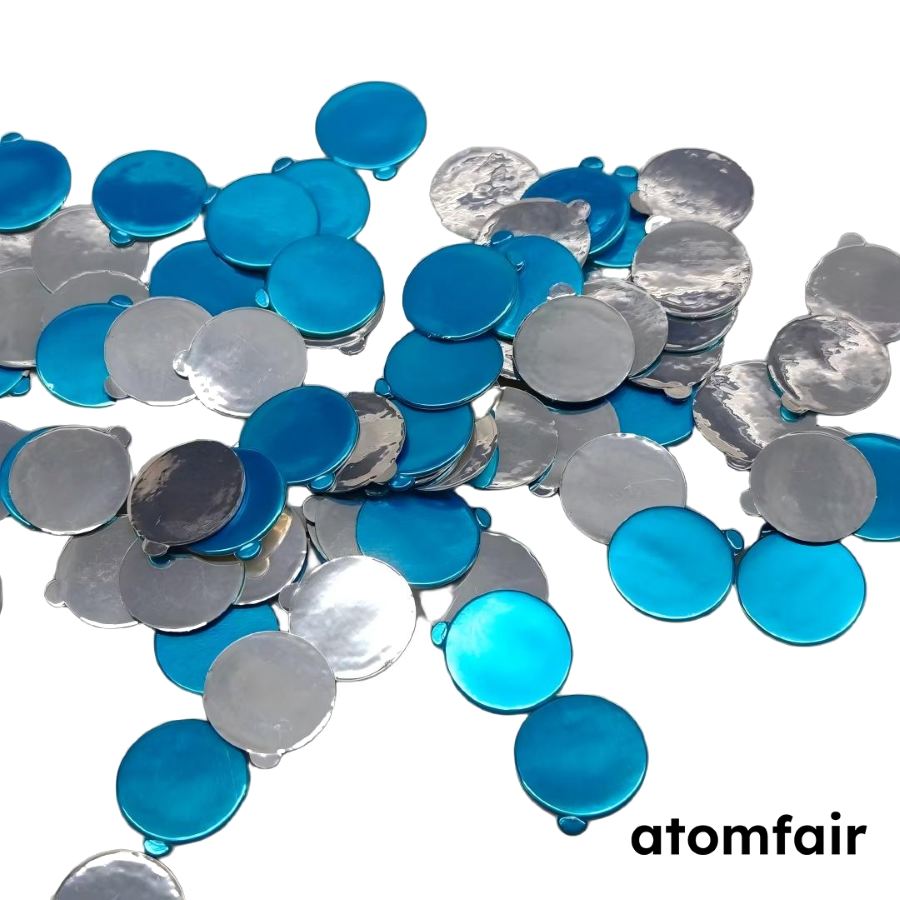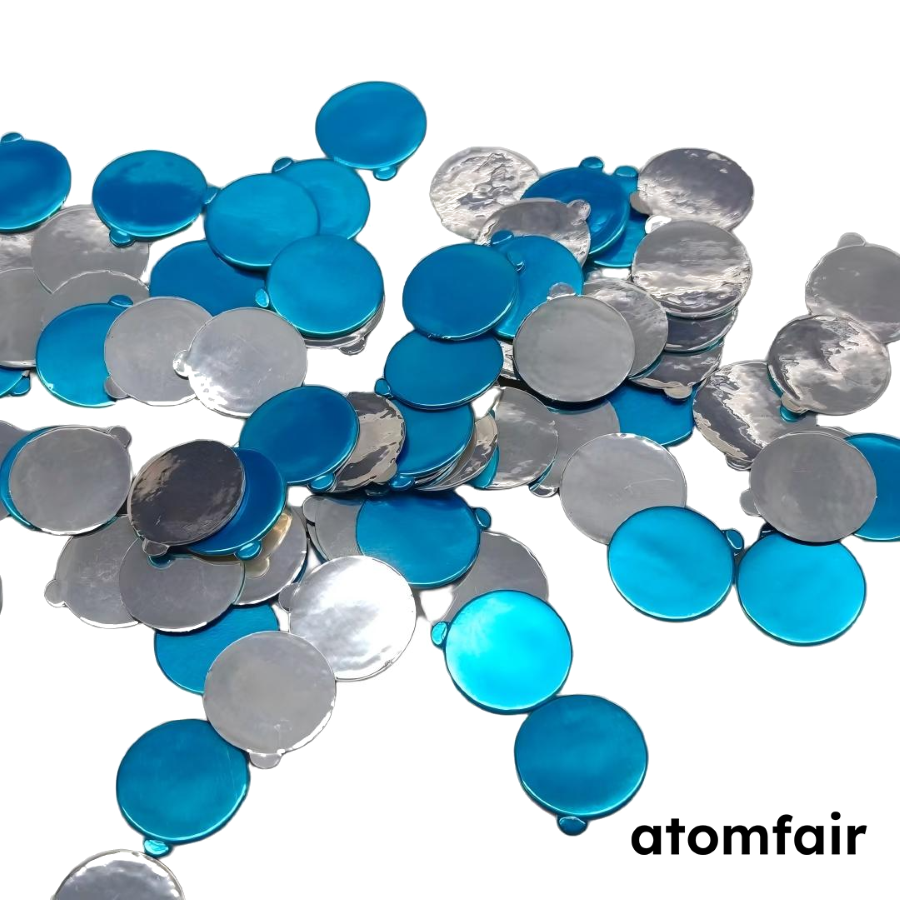
ATOMFAIR® SODIUM METAL DISC (Φ10MM × 0.45MM)RESEARCH GRADE MATERIAL
|
|||||||||||||||||||||||||||||||||||||
|
|||||||||||||||||||||||||||||||||||||
|
TAILORED SOLUTIONS FOR RESEARCH
Contact our engineering team for technical support or official institutional quotations.
EMAIL: inquiry@atomfair.com
|
|||||||||||||||||||||||||||||||||||||
|
Manufacturer: Atomfair LLC
Brand: ATOMFAIR®
|
|||||||||||||||||||||||||||||||||||||
Sodium metal is highly reactive with moisture and oxygen, requiring storage and handling in an inert atmosphere glovebox. The material undergoes rapid surface oxidation and degradation when exposed to ambient air, compromising electrochemical performance.
- Atmosphere Sensitivity: Store and handle exclusively under high-purity argon or helium atmosphere with oxygen and moisture levels below 0.1 ppm.
- Mechanical Deformation Risk: Discs with thickness at or below 0.2 mm require current-collector support to prevent localized plastic deformation during handling and cell assembly.
- Surface Contamination Control: Oxide and hydroxide surface layers must be mechanically removed immediately before cell assembly to ensure consistent electrochemical interface properties.
This protocol describes the safe handling and installation of sodium metal discs for half-cell electrochemical testing. All steps must be performed in an inert atmosphere glovebox to prevent material degradation.
Required Equipment: Inert atmosphere glovebox (Ar or He, O2/H2O < 0.1 ppm), Stainless steel tweezers with PTFE-coated tips, Ceramic scalpel or razor blade
- Glovebox Preparation
Verify that the glovebox atmosphere maintains oxygen and moisture concentrations below 0.1 ppm before introducing any sodium metal. - Surface Cleaning
Scrape both faces of the sodium disc with a ceramic scalpel to remove the dull oxide layer until a bright metallic silver surface is exposed. - Disc Transfer
Transfer the cleaned disc to the cell assembly station using PTFE-coated tweezers, avoiding contact with glovebox gloves or metallic surfaces. - Cell Integration
Center the sodium disc on the current collector or directly into the cell casing, ensuring full planar contact without folding or creasing the material. - Electrolyte Addition
Dispense the electrolyte solution onto the separator immediately after disc placement to minimize exposure time before cell sealing. - Cell Sealing
Seal the cell within 60 seconds of electrolyte addition to prevent solvent evaporation and atmospheric contamination of the sodium interface.
How does the choice of current collector substrate (Al foil, Cu foil, or unsupported) affect electrochemical performance in sodium half-cells using the Atomfair φ10×0.45mm disc?
The substrate selection directly impacts ohmic contact and mechanical stability. Al and Cu foil current collectors ensure perfect mechanical flatness and eliminate localized plastic deformation, as the standard aluminum foil backing guarantees homogeneity; for thickness levels ≤0.2mm, supported discs are strictly recommended, but at 0.45mm the unsupported matrix is feasible though supported configurations minimize variability and improve cell-to-cell consistency.
Can the Atomfair 10mm sodium metal disc be used directly in standard coin cell assemblies without additional modification?
Yes, the φ10 mm diameter matches standard coin cell component dimensions and the 0.45mm thickness provides sufficient material for reliable half-cell testing. However, because this is a high-purity alkali metal, all assembly must be performed in an inert atmosphere glovebox to prevent oxidation and ensure baseline control during sodium-ion electrochemical analysis.
What storage and handling protocols are required to preserve the integrity of Atomfair sodium metal discs before use?
Discs are packaged in a primary hermetic vial under a protective film layer, bundled inside a high-barrier aluminum foil pouch. Upon receipt, store in an inert atmosphere glovebox (argon or nitrogen) with oxygen and moisture levels below 0.1 ppm; only open the sealed packaging inside the glovebox. For the 0.45mm thickness, careful use of non-magnetic tweezers is sufficient, though supported configurations are recommended for thinner discs to avoid deformation.
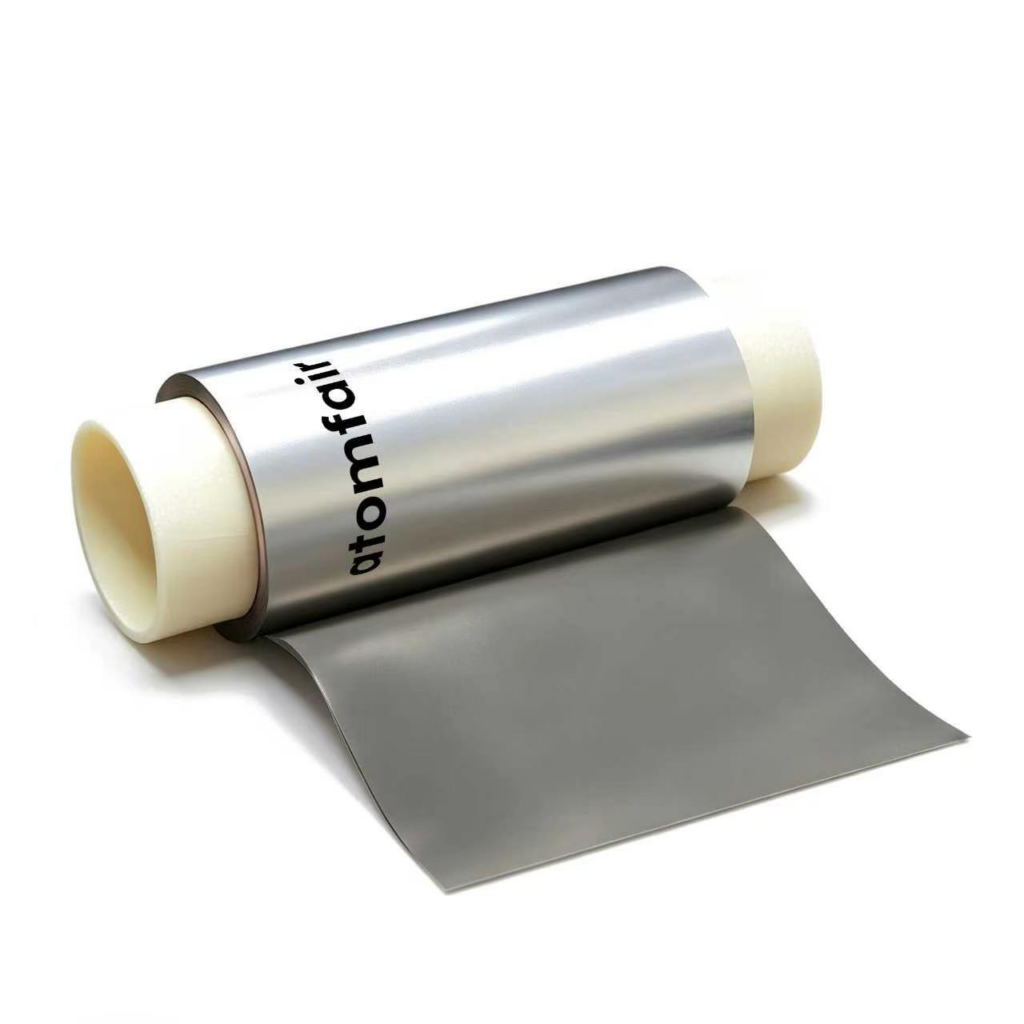
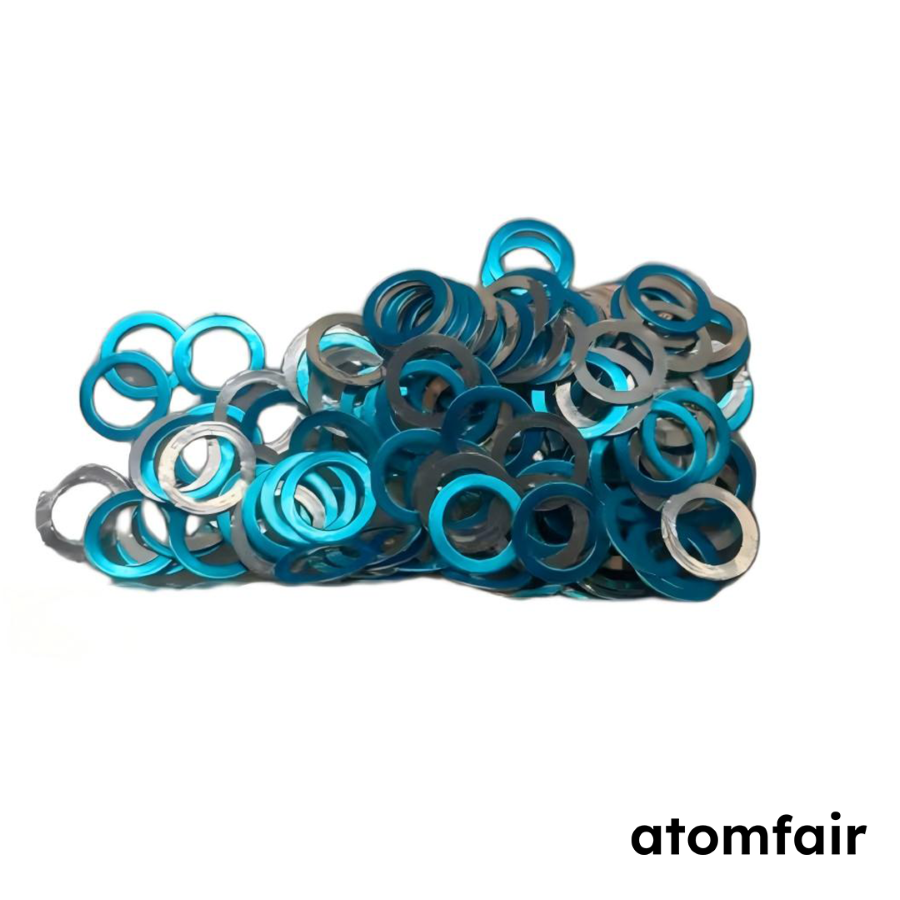
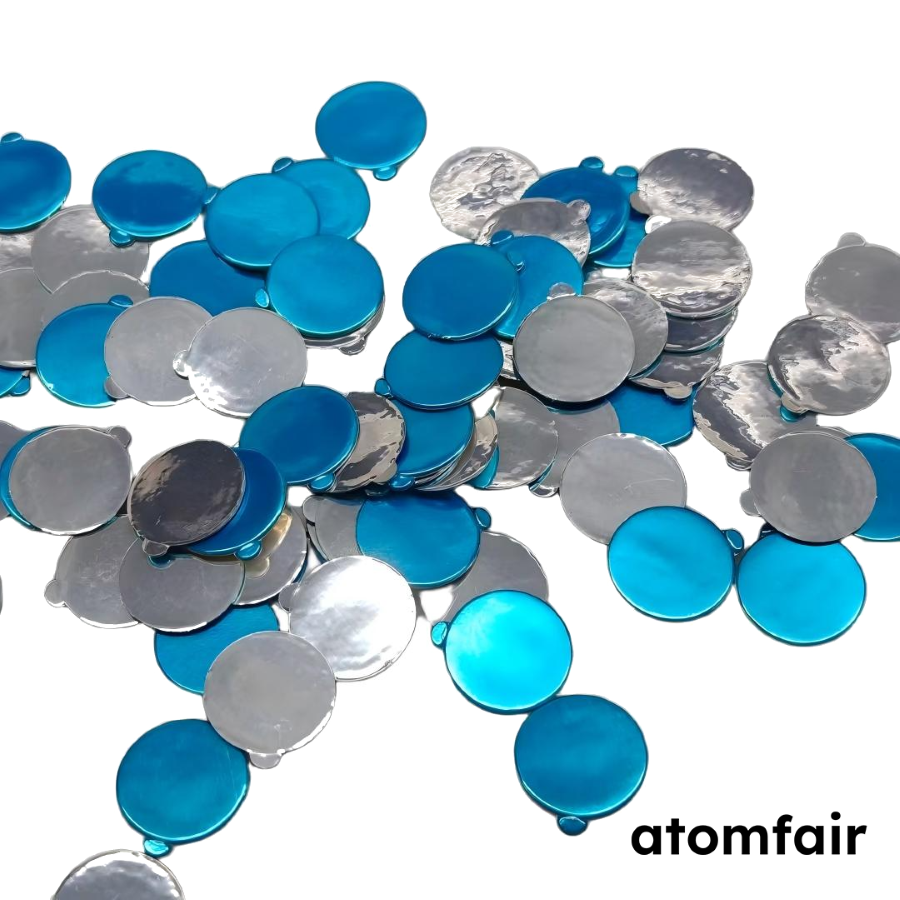
This sodium metal disc is designed for half-cell verification in sodium-ion battery research, offering three substrate configurations to address handling challenges of thin alkali metals. The 0.45 mm thickness provides structural integrity, but the material's high reactivity and the need for supported configurations at ≤0.2 mm impose strict handling and infrastructure requirements.
Positive
- Homogeneous material purity: The high-purity sodium metal features uniform elemental distribution across the alkali matrix, which prevents parasitic electronic leakage and supports consistent electrochemical performance in half-cell testing.
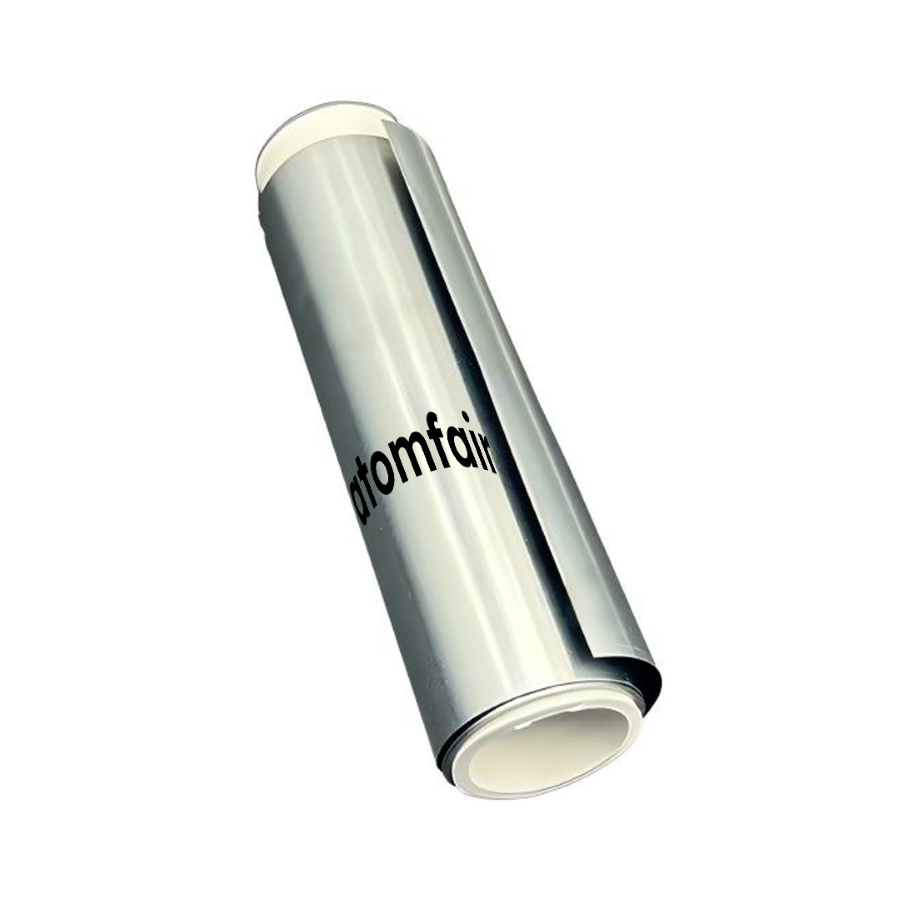
- Substrate options for handling: Three configurations—aluminum foil, copper foil, or free-standing—allow researchers to select a format that minimizes plastic deformation and tearing during assembly, with aluminum-backed discs ensuring mechanical flatness.
Trade-offs
- Reactivity requires inert handling: As high-purity sodium metal, the discs are highly reactive to moisture and oxygen, necessitating processing in an inert atmosphere (e.g., argon glovebox) to prevent oxidation and maintain electrochemical integrity.
- Thin discs need substrate support: For thickness levels ≤0.2 mm, current-collector supported discs are strictly recommended to eliminate localized plastic deformation, limiting the use of unsupported configurations to thicker discs like this 0.45 mm variant.
Every advanced material, component, equipment, and instrument in our catalog is backed by rigorous testing. We maintain strict internal quality management frameworks and align with CE conformity metrics to deliver transparent, reproducible performance data via our public open-science repository.
To request raw batch performance data, submit formal vendor registration paperwork, or execute a fast-turnaround R&D manufacturing loop, contact us at inquiry@atomfair.com.
Item is dispatched under the Atomfair Shipping & Delivery Framework (Free worldwide shipping on orders over $59 USD excl. heavy equipment). Return is governed by the Atomfair Return & Refund Policy (7-day technical return window).