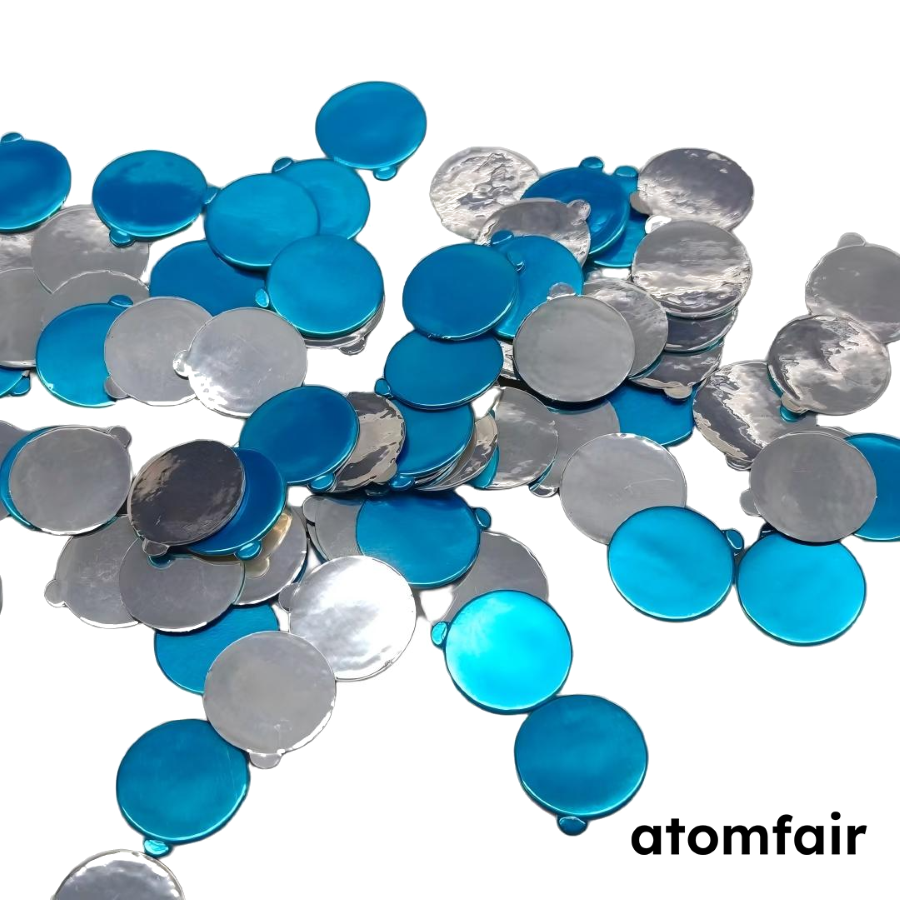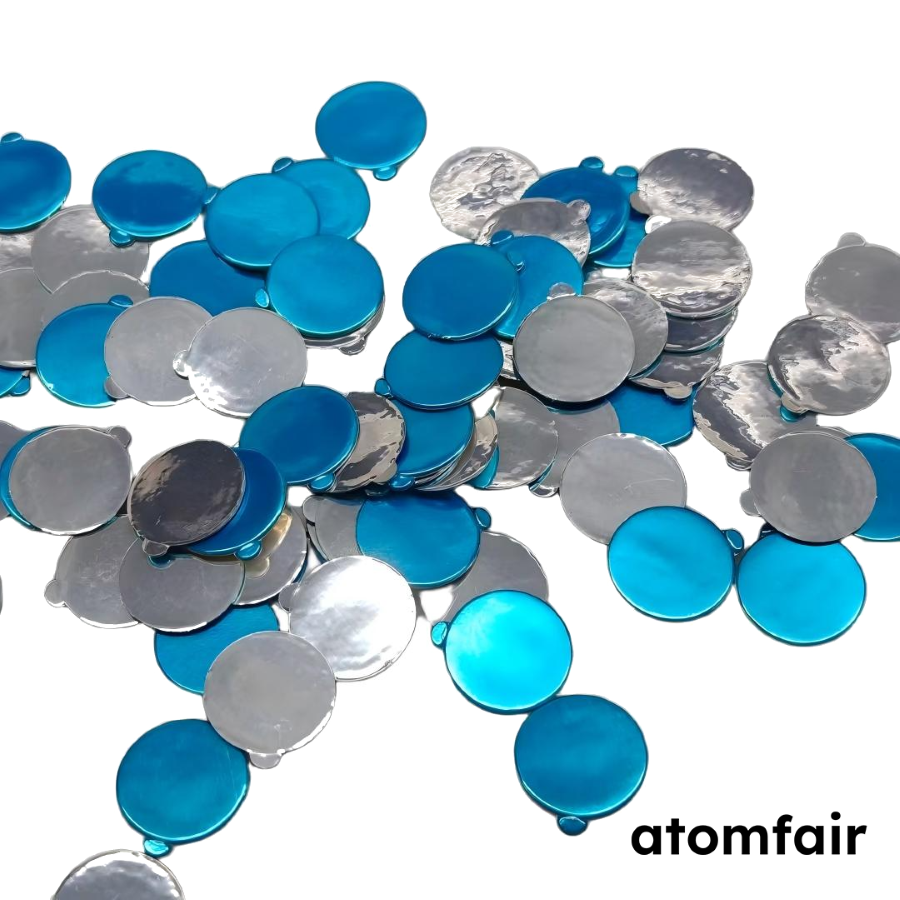
ATOMFAIR® POTASSIUM METAL DISC (Φ14MM × 0.45MM)RESEARCH GRADE MATERIAL
|
|||||||||||||||||||||||||||||||||||||
|
|||||||||||||||||||||||||||||||||||||
|
TAILORED SOLUTIONS FOR RESEARCH
Contact our engineering team for technical support or official institutional quotations.
EMAIL: inquiry@atomfair.com
|
|||||||||||||||||||||||||||||||||||||
|
Manufacturer: Atomfair LLC
Brand: ATOMFAIR®
|
|||||||||||||||||||||||||||||||||||||
Potassium metal exhibits extreme chemical reactivity with moisture and oxygen, requiring strict inert atmosphere storage and handling. The material's softness and adhesion characteristics demand specialized tools to prevent surface damage and contamination during cell assembly.
- Environmental Storage Requirements: Store potassium metal discs in an argon-filled glovebox with oxygen and moisture levels below 0.1 ppm to prevent oxidation and degradation.
- Handling Equipment Requirement: Use clean, non-magnetic stainless steel or PTFE-coated tweezers to manipulate the disc and avoid introducing contamination or inducing mechanical deformation.
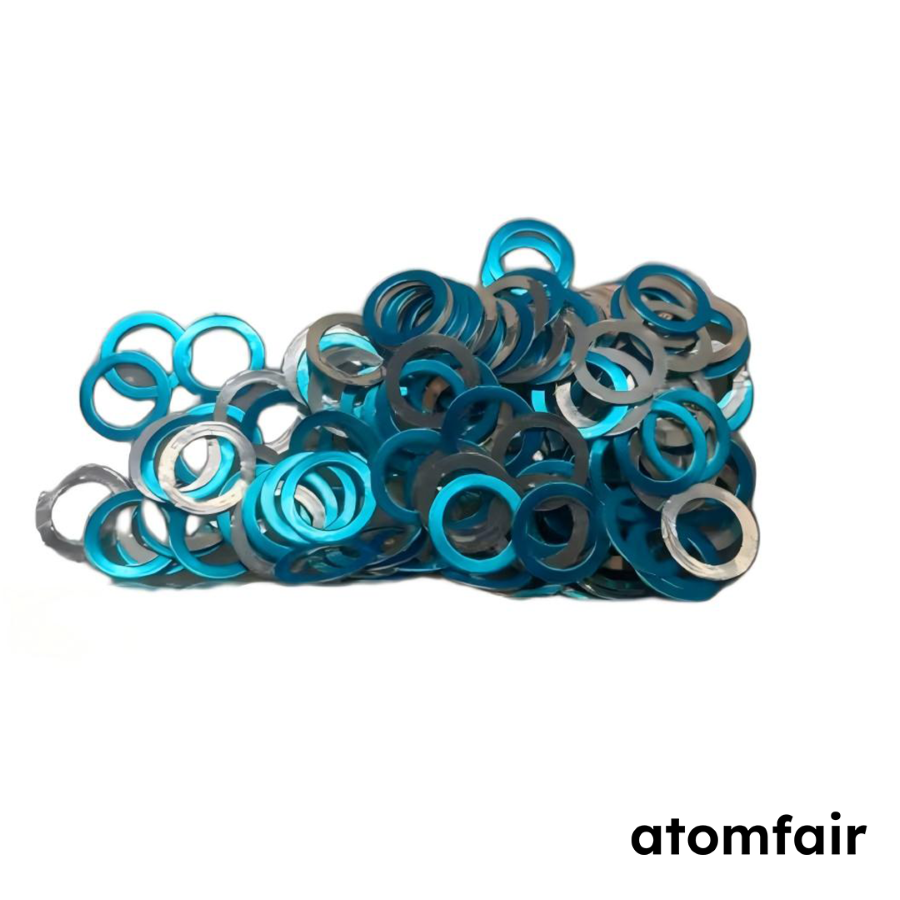
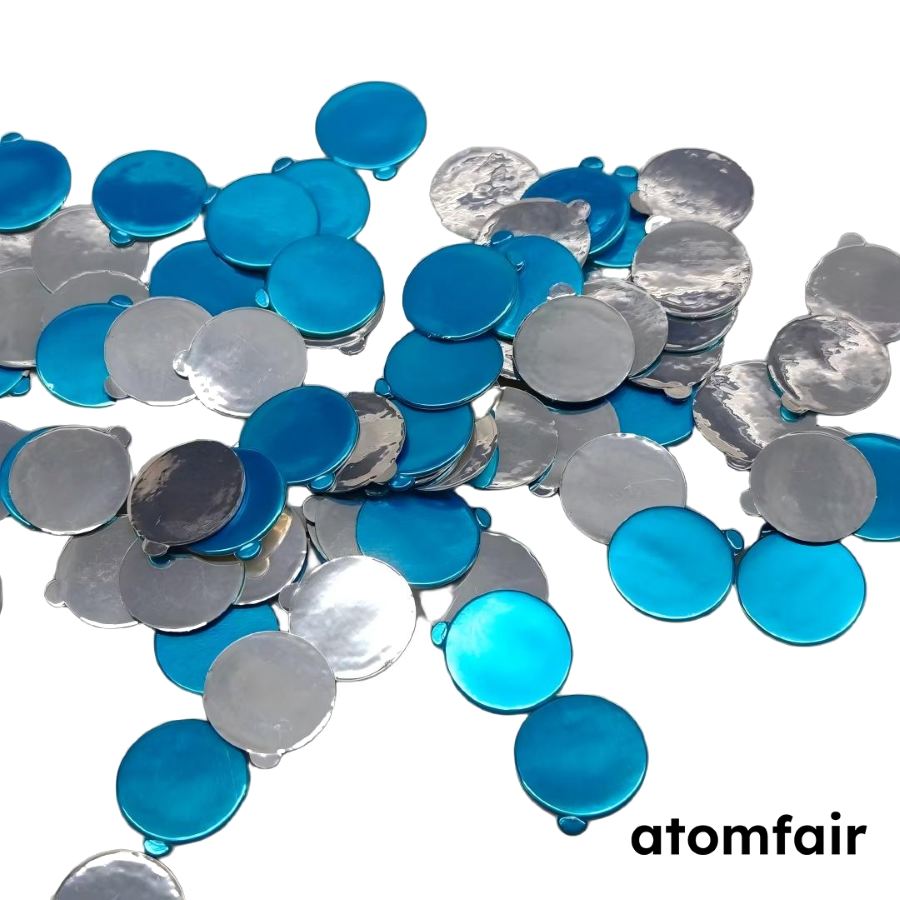
- Surface Integrity Maintenance: Do not attempt to flatten or smooth micro-wrinkles on the disc surface as these are intrinsic to the material and do not affect electrochemical performance.
- Substrate Handling Constraints: When using collector-stabilized configurations, avoid bending the substrate foil to prevent delamination of the potassium layer from the current collector.
- Disposal and Safety Protocol: Quench any waste potassium metal discs in anhydrous isopropanol under inert atmosphere before atmospheric exposure to prevent violent reaction with ambient moisture.
This protocol describes the safe extraction, inspection, and placement of a potassium metal disc in an argon-filled glovebox for electrochemical cell assembly. Proper execution preserves material integrity and prevents hazardous reactions with atmospheric contaminants.
Required Equipment: Argon-filled glovebox (O2 and H2O < 0.1 ppm), PTFE-coated or stainless steel tweezers, Clean polytetrafluoroethylene (PTFE) cutting mat
- Glovebox Purge Confirmation
Confirm that the argon-filled glovebox maintains oxygen and moisture concentrations below 0.1 ppm before introducing the sealed potassium metal disc packaging. - Packaging Opening Procedure
Open the outer protective packaging inside the glovebox antechamber and transfer the sealed inner container to the main glovebox environment. - Disc Extraction
Pierce or peel open the inner argon-filled pouch using tweezers and gently extract the disc without bending the substrate edges. - Visual Surface Inspection
Inspect the disc under glovebox lighting for gross tears or contamination, noting that intrinsic micro-wrinkles do not require corrective action. - Disc Placement in Cell
Transfer the disc onto the pre-aligned half-cell electrode housing using tweezers and center it precisely over the current collector using minimal pressure. - Electrode Seal Assembly
Set the insulating gasket and spring-loaded plunger into position and secure the cell housing without tilting the potassium disc. - Post-Assembly Atmosphere Isolation Check
Verify that the sealed half-cell assembly ports are closed before removing the cell from the glovebox to preserve the inert internal atmosphere.
What are the trade-offs between selecting aluminum-collector stabilized, copper-collector stabilized, and unsupported potassium metal discs for potassium-ion half-cell testing?
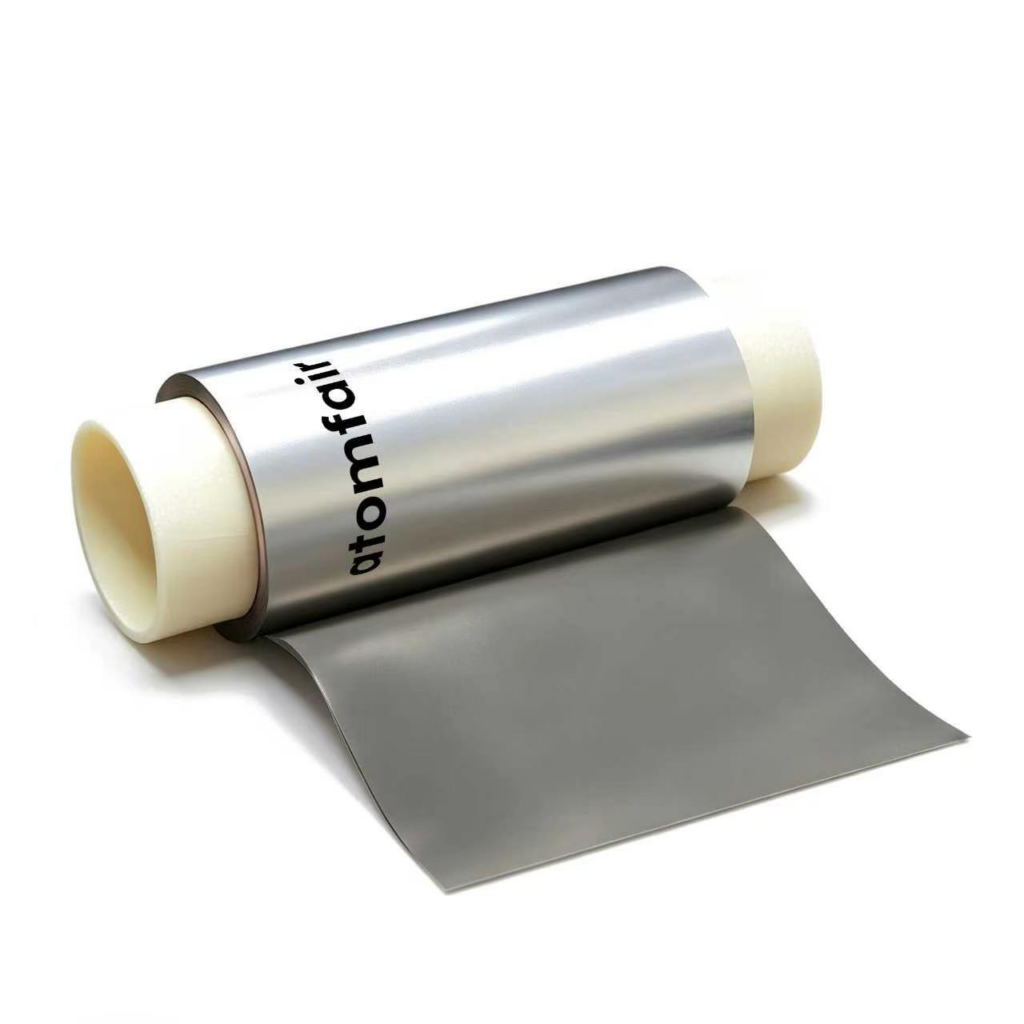
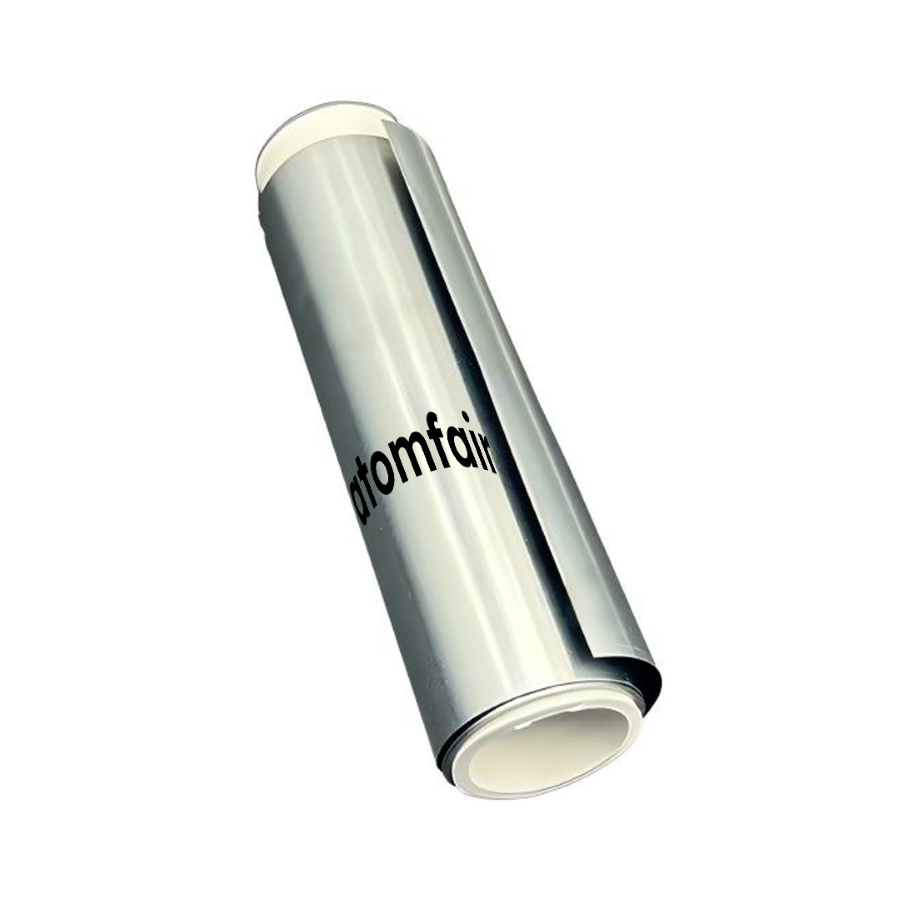
The aluminum-collector and copper-collector configurations provide a stabilizing substrate that mitigates deformation during cell assembly, addressing the delicate handling of soft potassium metal. The unsupported matrix offers maximum material purity without potential current collector interference, but requires more careful handling due to the metal's soft physics and tendency for micro-wrinkles. All three configurations are optimized for electrolyte validation workflows.
What cell hardware and test configurations are compatible with the Atomfair φ14 mm potassium metal discs?
These discs are specifically designed for potassium-ion battery half-cell electrochemical analysis, establishing cell-to-cell consistency and baseline testing control. The standardized φ14 mm diameter and 0.45 mm thickness are compatible with conventional coin cell and Swagelok-type half-cell assemblies. For alternative geometries or custom requirements, the manufacturer offers customization upon contacting support.
What storage and handling conditions are required to maintain the integrity of Atomfair potassium metal discs before and during use?
The discs are shipped hermetically sealed in sub-vials within vacuum-packed high-barrier aluminum pouches under a pure Argon atmosphere to prevent oxidation. Upon opening the sealed packaging, the discs must be handled in an inert atmosphere environment, such as an argon-filled glovebox, to prevent rapid degradation from ambient oxygen and moisture. The natural micro-wrinkles and strong protective film adhesion observed on the discs are normal material characteristics for research-grade potassium matrices and do not indicate defects.
This potassium metal disc is engineered for consistent half-cell testing in potassium-ion battery research, offering three collector configurations to accommodate different electrolyte validation workflows. Its high-purity matrix and adaptive surface maintenance reduce pre-treatment time, though the extreme reactivity of potassium mandates strict inert-atmosphere handling and accounts for inherent surface micro-wrinkles.
Positive
- Three collector configurations for workflow flexibility: Available with aluminum foil, copper foil, or free-standing matrix options, enabling researchers to optimize electrolyte validation protocols without modifying electrode architecture.
- Adaptive surface maintenance reduces pre-treatment time: Optimized macro-purity allows trace oxidation to be removed via quick mechanical sweeping with a standard laboratory brush, guaranteeing immediate usability without complex cleaning procedures.
Trade-offs
- Extreme chemical reactivity requires inert handling: Metallic potassium's high chemical activity necessitates processing and storage under pure argon atmosphere in hermetically sealed packaging; exposure to ambient air or moisture will rapidly degrade the material.
- Natural surface micro-wrinkles and liner adhesion: Minor surface micro-wrinkles and elevated liner adhesion parameters are inherent characteristics of ultra-soft research-grade potassium matrices, not structural defects, but may affect surface uniformity in some experimental setups.
Every advanced material, component, equipment, and instrument in our catalog is backed by rigorous testing. We maintain strict internal quality management frameworks and align with CE conformity metrics to deliver transparent, reproducible performance data via our public open-science repository.
To request raw batch performance data, submit formal vendor registration paperwork, or execute a fast-turnaround R&D manufacturing loop, contact us at inquiry@atomfair.com.
Item is dispatched under the Atomfair Shipping & Delivery Framework (Free worldwide shipping on orders over $59 USD excl. heavy equipment). Return is governed by the Atomfair Return & Refund Policy (7-day technical return window).