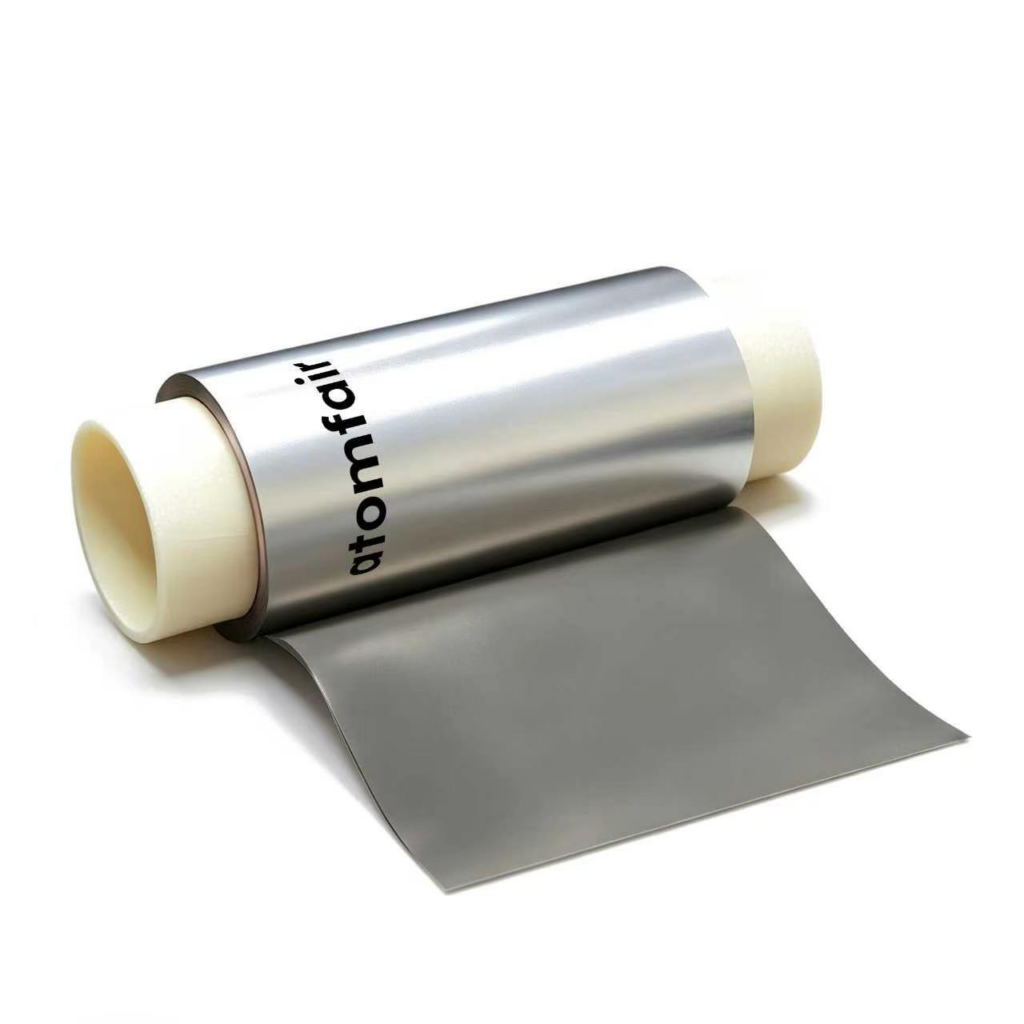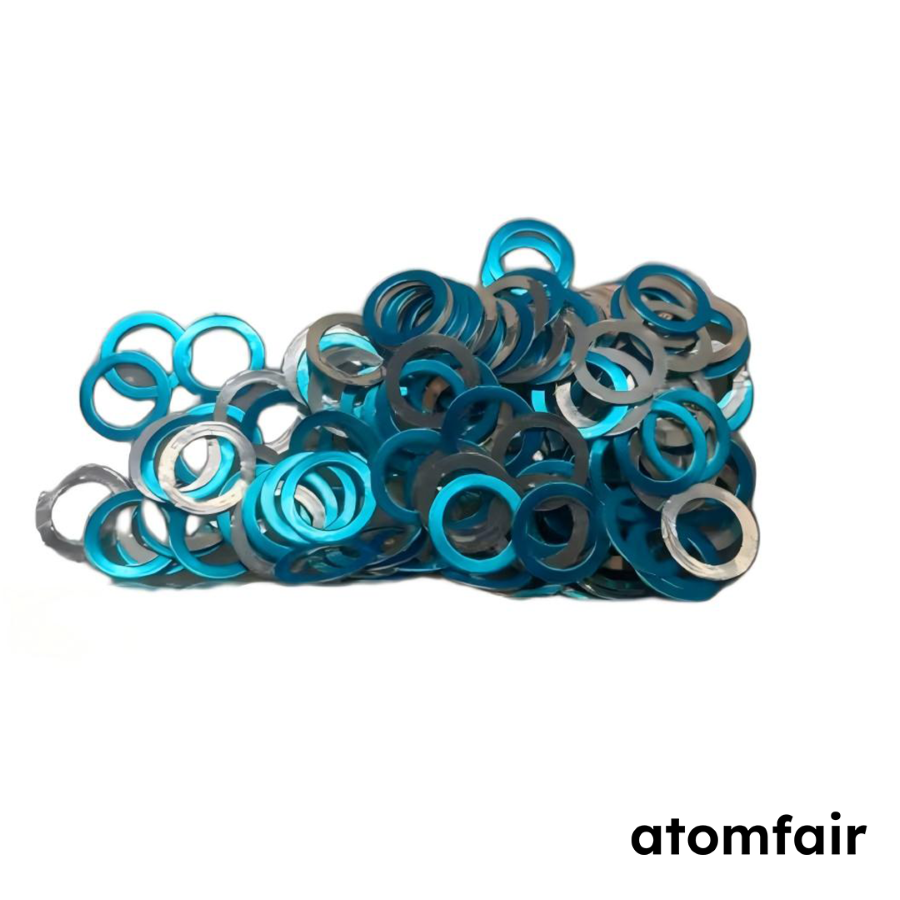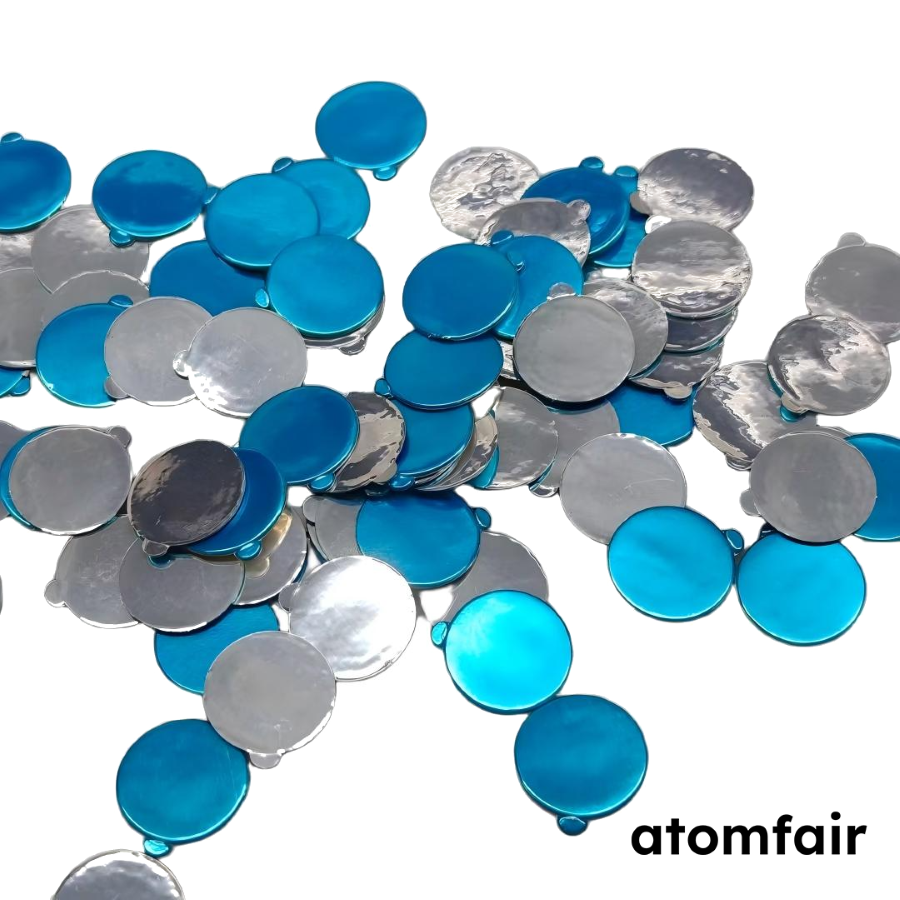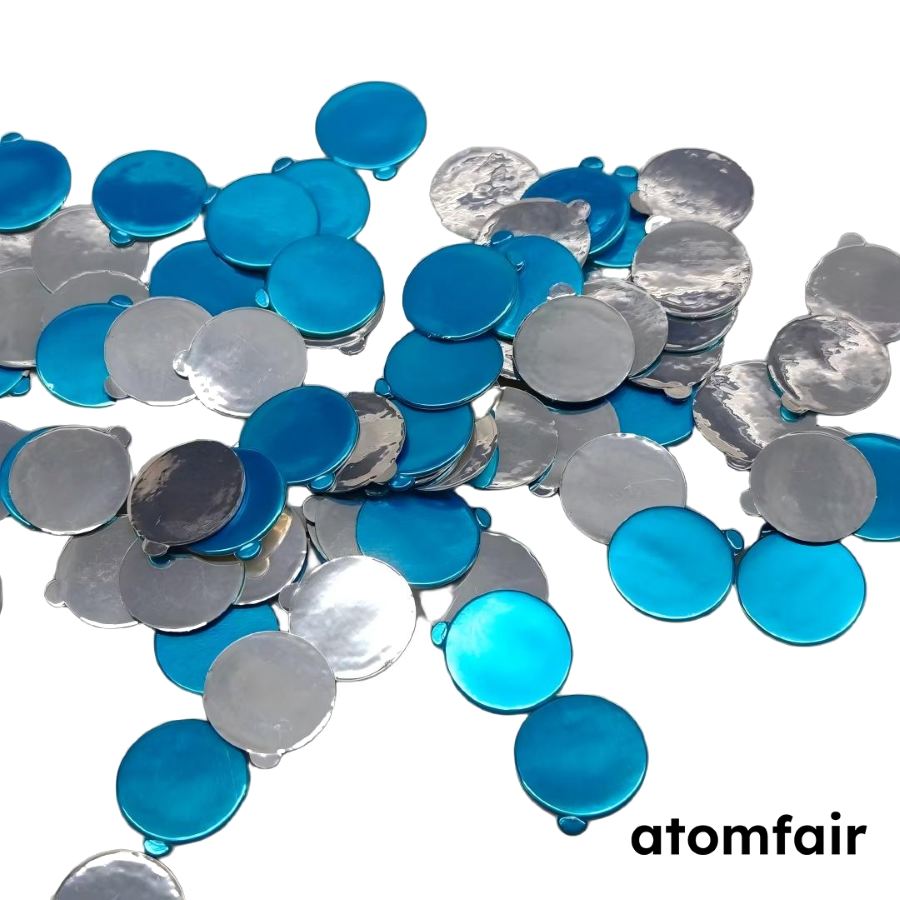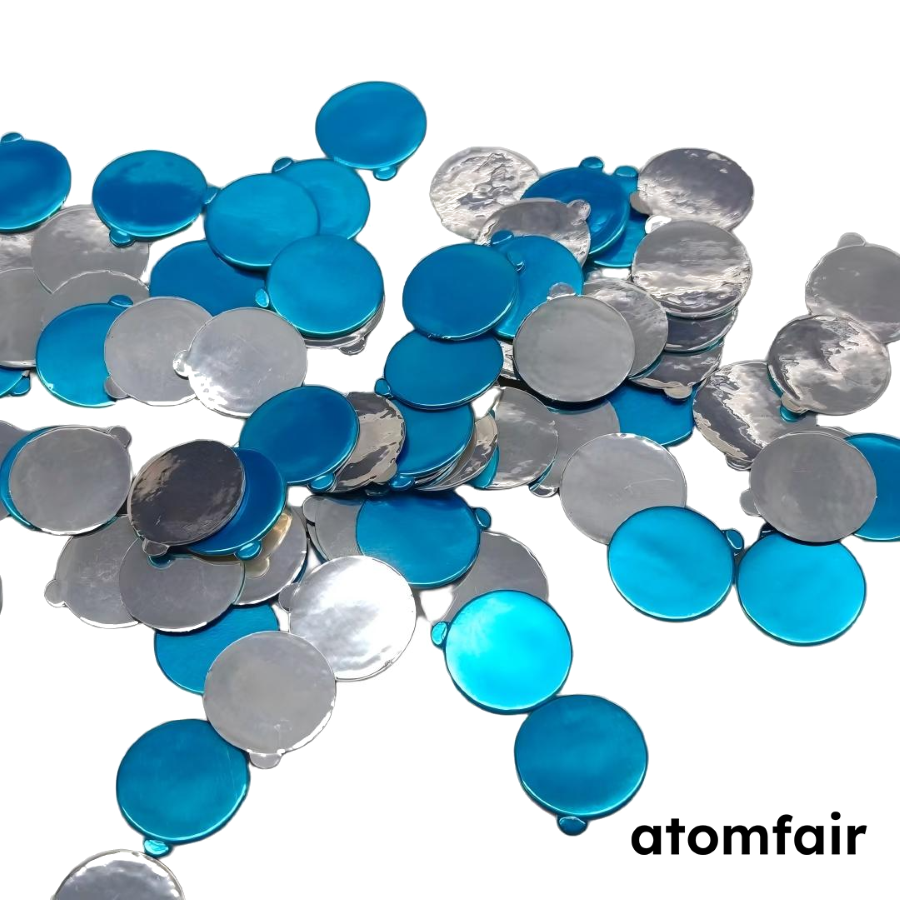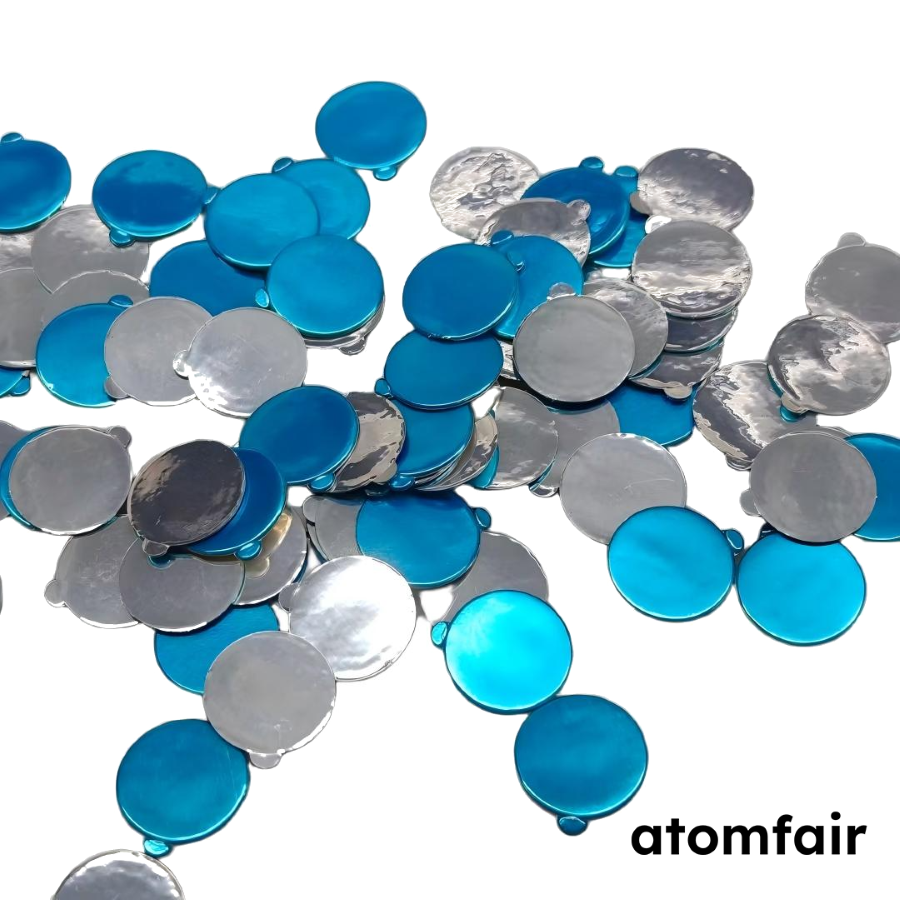
ATOMFAIR® SODIUM METAL DISC (Φ18MM × 0.45MM)RESEARCH GRADE MATERIAL
|
|||||||||||||||||||||||||||||||||||||
|
|||||||||||||||||||||||||||||||||||||
|
TAILORED SOLUTIONS FOR RESEARCH
Contact our engineering team for technical support or official institutional quotations.
EMAIL: inquiry@atomfair.com
|
|||||||||||||||||||||||||||||||||||||
|
Manufacturer: Atomfair LLC
Brand: ATOMFAIR®
|
|||||||||||||||||||||||||||||||||||||
Sodium metal is highly reactive with moisture and oxygen, requiring storage and handling under inert atmosphere to prevent oxidation and safety hazards. The ultra-thin disc geometry is susceptible to localized plastic deformation during handling, necessitating current-collector supported configurations for thicknesses at or below 0.2 mm.
- Environmental Storage Constraint: Store sodium metal discs exclusively in an argon-filled glovebox with oxygen and moisture levels maintained below 0.1 ppm to prevent surface oxidation and pyrophoric reaction.
- Mechanical Integrity Constraint: Use current-collector supported discs (aluminum or copper foil) for thicknesses at or below 0.2 mm to eliminate risk of localized plastic deformation during cell assembly.
- Contamination Prevention Constraint: Handle discs only with clean, non-serrated tweezers or vacuum pick-up tools to avoid introducing surface contaminants or inducing mechanical damage.
- Reactivity Containment Constraint: Never expose sodium metal discs to ambient air or moisture-containing environments; transfer directly from sealed inert packaging to glovebox antechamber without intermediate exposure.
This procedure describes the safe transfer, inspection, and placement of a high-purity sodium metal disc into a half-cell test assembly under inert atmosphere. Strict adherence to glovebox protocols and mechanical handling precautions is required to maintain material integrity and operator safety.
Required Equipment: Argon-filled glovebox (O2/H2O < 0.1 ppm), Clean, non-serrated tweezers or vacuum pick-up tool, Half-cell casing components (e.g., CR2032 case, spring, spacer)
- Transfer Disc to Glovebox
Transfer the sealed sodium disc packaging into the glovebox antechamber and perform at least three full purge-refill cycles with argon before opening the inner seal. - Inspect Disc Surface
Inspect the disc surface visually under glovebox lighting for any discoloration, tarnish, or pitting that would indicate prior oxidation or contamination. - Retrieve Disc with Tool
Retrieve the disc using clean non-serrated tweezers or a vacuum pick-up tool, gripping only the outer edge to avoid surface deformation. - Position Disc in Casing
Position the disc centrally onto the half-cell casing bottom, ensuring full planar contact with no folding or edge curling. - Assemble Cell Stack
Assemble the remaining cell stack components (separator, electrolyte, spacer, spring) immediately after disc placement to minimize exposure time before sealing. - Crimp Cell Seal
Crimp the cell using a hydraulic crimping tool set to the manufacturer-specified pressure for the casing type to achieve a hermetic seal.
What are the performance trade-offs between using an aluminum-supported versus a free-standing 0.45 mm sodium disc for half-cell testing?
For the standard 0.45 mm thickness, free-standing discs are viable since the manufacturer only strictly recommends current-collector support for thicknesses ≤0.2 mm to eliminate localized plastic deformation. Using an aluminum current collector guarantees perfect mechanical flatness and simplifies handling, but introduces a small ohmic drop and interfacial contact resistance that may affect transfer kinetics in high-rate measurements. The free-standing matrix eliminates that impedance at the cost of increased fragility during assembly.
Can the φ18 mm sodium disc be integrated directly into standard CR2032 coin cells for sodium-ion half-cell electrochemical analysis?
Yes, the 18 mm diameter is a universal form factor for coin cell anodes, and the 0.45 mm thickness fits within typical spacer/spring stack heights for CR2032 cells. The disc is specifically engineered as a premium half-cell verification platform, making it directly compatible with standard electrolyte validation workflows in sodium-ion research without requiring cell design modifications.
What are the recommended storage conditions and handling procedures for the Atomfair sodium metal discs to prevent oxidation and mechanical damage?
The discs are supplied in primary hermetic vials sealed inside high-barrier aluminum foil pouches to minimize air and moisture exposure. All handling must be performed in an argon-filled glovebox with O2 and H2O below 0.1 ppm due to the alkali metal’s extreme reactivity. For the 0.45 mm thickness, free-standing discs can be handled with care; however, for any custom thickness ≤0.2 mm, current-collector supported configurations are strictly required to prevent localized plastic deformation during assembly.
This sodium metal disc provides a standardized half-cell verification platform with high-purity active material and multiple current-collector options, but requires careful handling due to alkali metal reactivity and mechanical fragility at thin gauges.
Positive
- Homogeneous material purity: Uncompromised structural configuration with highly uniform elemental distribution across the alkali matrix prevents parasitic electronic leakage, ensuring consistent electrochemical performance.
- Optimized microstructure with substrate backing: Standard aluminum foil substrate backing guarantees perfect mechanical flatness, solving technical pain points regarding delicate film handling and tearing during cell assembly.
Trade-offs
- Handling sensitivity at thin gauges: For thickness levels ≤0.2mm, current-collector supported discs are strictly recommended to eliminate localized plastic deformation, requiring careful selection of configuration for thin-film applications.
- Alkali metal reactivity constraints: The high-purity sodium metal active material requires hermetic packaging under protective film and high-barrier aluminum foil pouch to prevent oxidation and moisture ingress during storage and handling.
Every advanced material, component, equipment, and instrument in our catalog is backed by rigorous testing. We maintain strict internal quality management frameworks and align with CE conformity metrics to deliver transparent, reproducible performance data via our public open-science repository.
To request raw batch performance data, submit formal vendor registration paperwork, or execute a fast-turnaround R&D manufacturing loop, contact us at inquiry@atomfair.com.
Item is dispatched under the Atomfair Shipping & Delivery Framework (Free worldwide shipping on orders over $59 USD excl. heavy equipment). Return is governed by the Atomfair Return & Refund Policy (7-day technical return window).