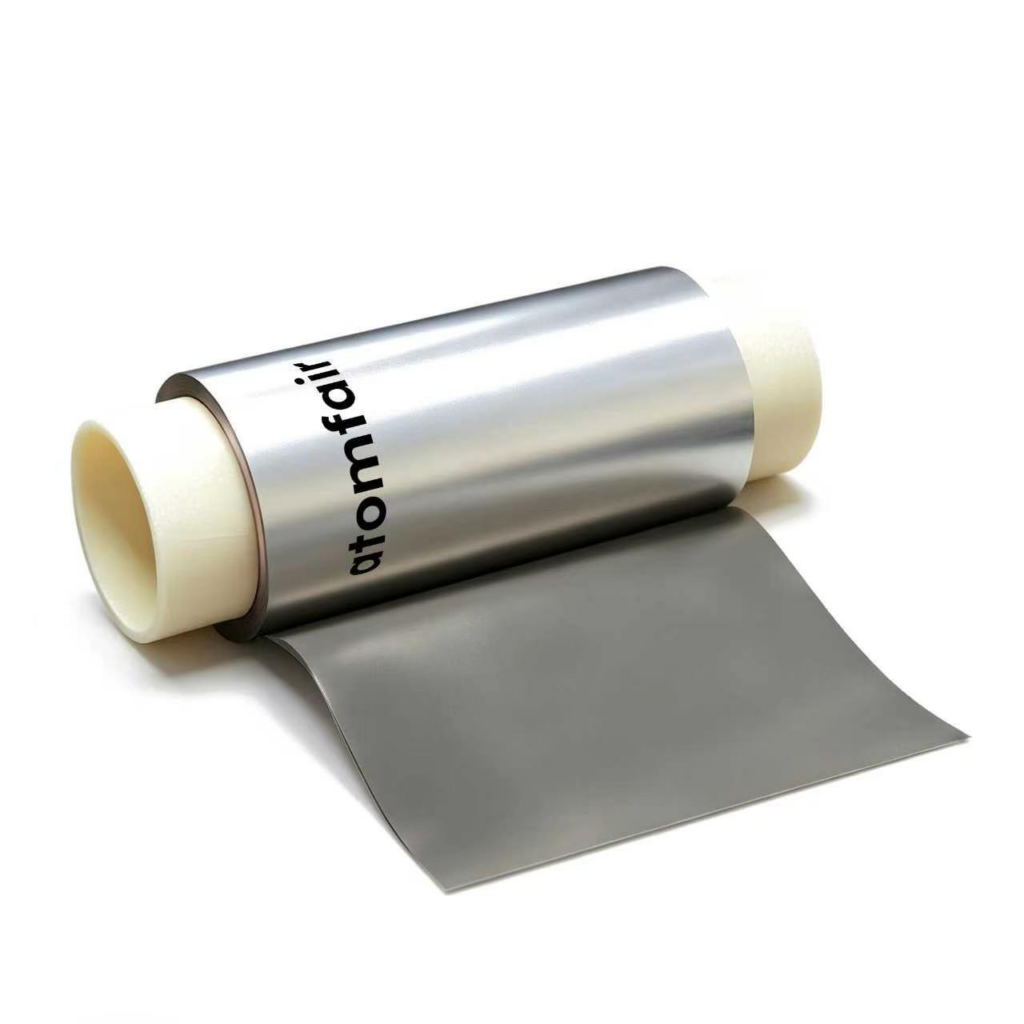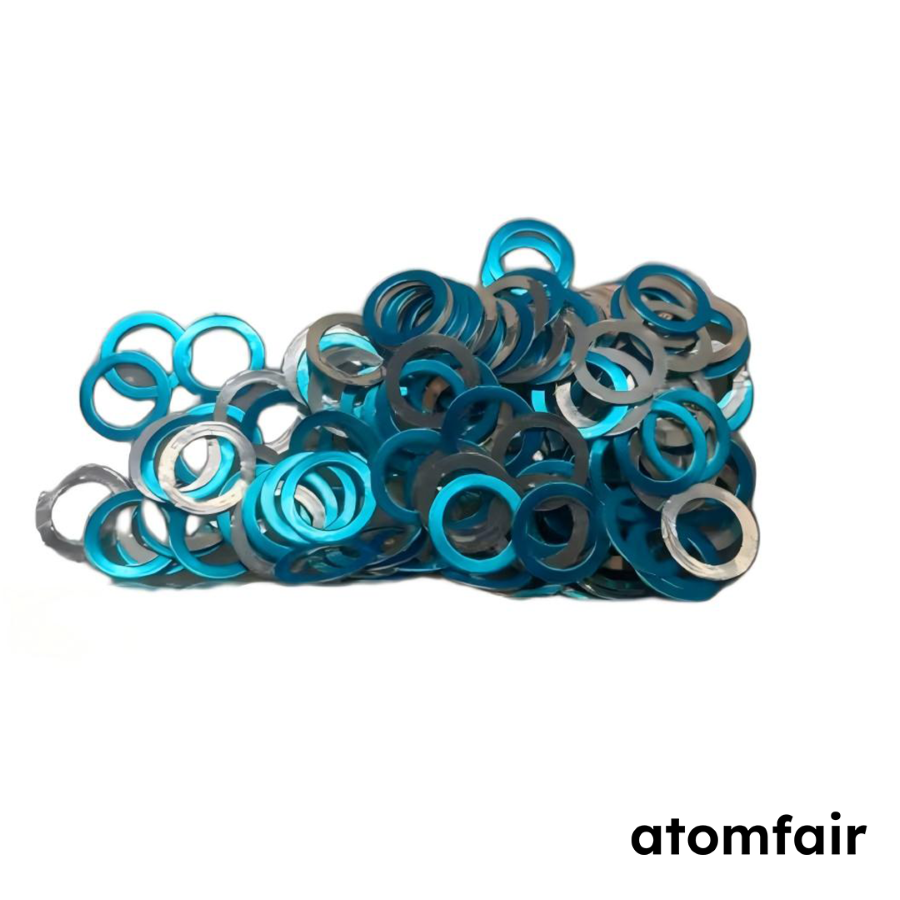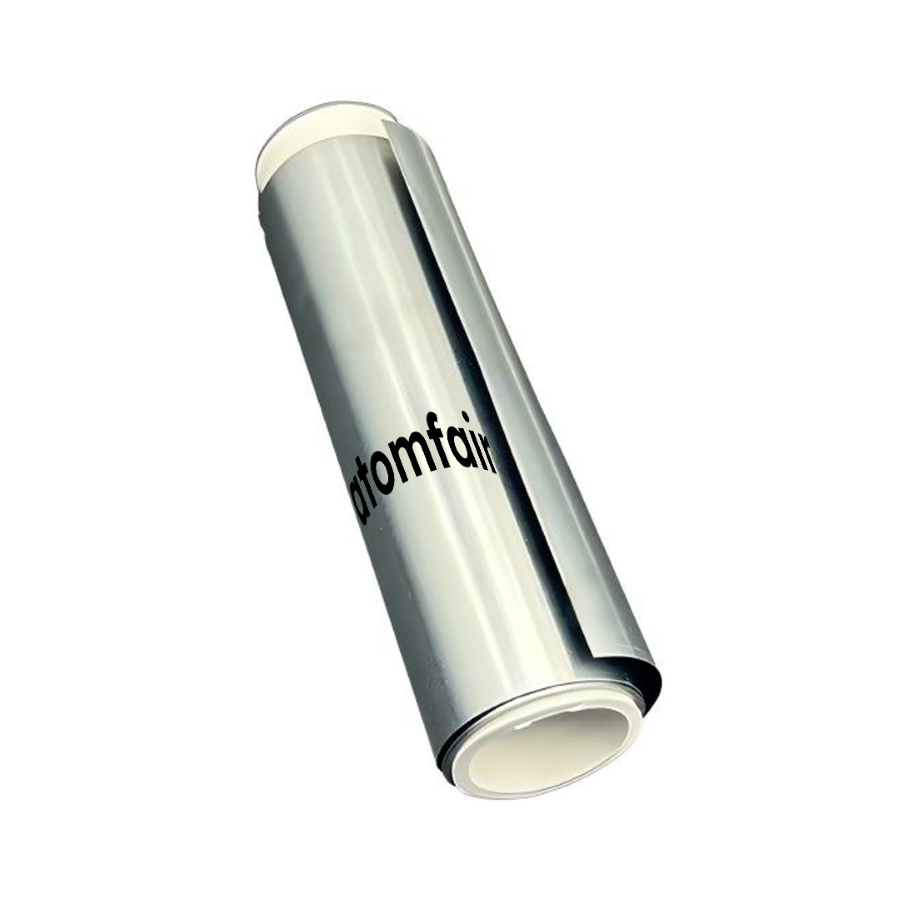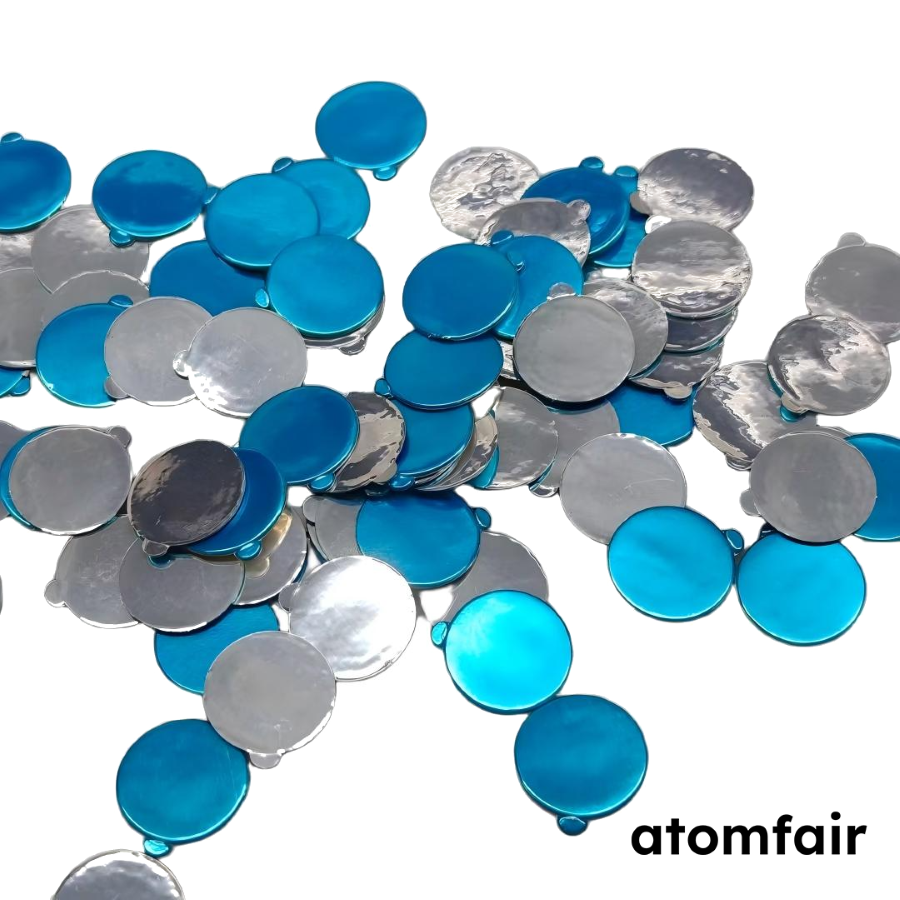
ATOMFAIR® NA-S350 SODIUM METAL STRIP BANDRESEARCH GRADE MATERIAL
|
|||||||||||||||||||||||||||||||
|
|||||||||||||||||||||||||||||||
|
TAILORED SOLUTIONS FOR RESEARCH
Contact our engineering team for technical support or official institutional quotations.
EMAIL: inquiry@atomfair.com
|
|||||||||||||||||||||||||||||||
|
Manufacturer: Atomfair LLC
Brand: ATOMFAIR®
|
|||||||||||||||||||||||||||||||
This document outlines critical environmental and safety constraints for the ATOMFAIR NA-S350 sodium metal strip. Sodium metal is highly reactive with moisture and oxygen, requiring strict inert atmosphere storage and handling.
- Atmosphere Constraint: Store and handle the sodium metal strip exclusively within an argon-filled glovebox with oxygen and moisture levels below 1 ppm to prevent oxidation and hydrolysis.
- Temperature Constraint: Maintain storage temperature between 15°C and 25°C to avoid thermal expansion or softening of the sodium matrix, which can compromise structural integrity.
- Containment Requirement: Keep the sodium strip sealed in its original vacuum-packed or inert-gas-filled packaging until immediately prior to use to minimize exposure to ambient air.
- Mechanical Stability Constraint: Avoid bending, creasing, or puncturing the sodium band during handling to prevent localized short circuits or delamination from the current collector.
This procedure describes the safe transfer and deployment of the sodium metal strip into a half-cell assembly. Strict adherence to inert atmosphere protocols is required throughout all steps.
Required Equipment: Argon-filled glovebox (O2/H2O < 1 ppm), Ceramic or PTFE-coated scissors, Stainless steel tweezers with insulated tips
- Transfer packaging into glovebox
Transfer the sealed vacuum-packed sodium strip into the argon-filled glovebox without breaking the outer seal. - Open packaging under inert atmosphere
Open the outer packaging only inside the glovebox to expose the sodium strip to the inert environment. - Cut strip to desired dimensions
Cut the sodium band to the required electrode dimensions using ceramic or PTFE-coated scissors to avoid contamination. - Transfer cut piece to cell assembly
Transfer the cut sodium piece directly onto the pre-assembled cell base using stainless steel tweezers with insulated tips. - Seal cell immediately after placement
Seal the half-cell assembly immediately after placing the sodium electrode to prevent any residual exposure to trace oxygen or moisture.
What is the advantage of using an aluminum or copper foil backed sodium band over a free-standing configuration for half-cell testing?
The integrated current collector provides a rigid backplane that mitigates wrinkling and mechanical deformation, ensuring high-yield validation for half-cell testing. Free-standing configurations, while available, require thermal pre-heating above 50°C to alleviate release resistance and avoid tearing or wrinkling, adding a processing step.
Can this sodium metal strip be used directly in standard coin cell assembly, or does it require cutting?
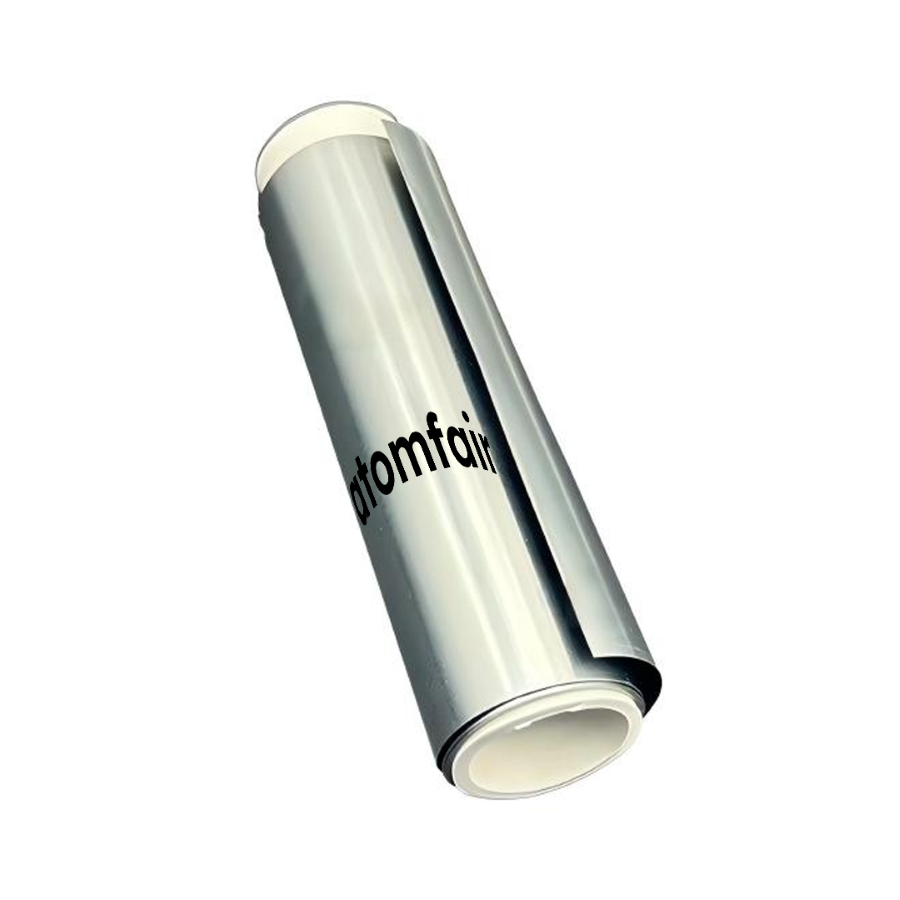
The band width is ≤120 mm with a total length of 350 mm and a sodium matrix thickness of 0.45 mm, making it directly compatible for cutting into standard coin cell or pouch cell electrodes. For seamless integration, custom geometrical dimensions are available upon scientific request, eliminating the need for post-processing modifications.
What are the required storage and handling conditions to prevent degradation of the sodium metal strip?
The strip is shipped in a hermetic argon-filled vacuumed aluminum foil bag inside a rigid canister to prevent ambient moisture degradation. Upon opening, all handling must be performed in an inert atmosphere glovebox to preserve the ≥99.9% purity. For free-standing configurations, pre-heating the band above 50°C before removal further minimizes mechanical damage during release.
The NA-S350 sodium metal strip band provides a high-purity (≥99.9%) sodium platform with integrated aluminum or copper current collectors, designed to reduce cell-to-cell variability in sodium-ion battery research. Its 0.45 mm matrix thickness and customizable width up to 120 mm offer flexibility for half-cell and solid-state electrolyte testing, though the reactive nature of sodium mandates strict inert atmosphere handling and hermetic packaging to prevent moisture degradation.
Positive
- Integrated current collector stability: Aluminum or copper foil backing mitigates mechanical deformation in ultra-thin structures (≤0.2 mm), providing a rigid backplane that reduces wrinkling and improves yield during cell assembly.
- Hermetic dual-layer preservation: Packaged in argon-filled vacuum-sealed aluminum foil bags inside a rigid canister, shielding the reactive sodium from ambient moisture to maintain analytical repeatability over extended storage.
Trade-offs
- Thermal pre-treatment required for free-standing films: Free-standing configurations exhibit low substrate grip; pre-heating above 50°C on a laboratory hotplate is necessary to reduce release resistance and avoid wrinkling or tearing during handling.
- Strict inert atmosphere handling needed: Sodium metal is highly reactive with ambient moisture; all processing must occur in an argon-filled glovebox or equivalent dry environment to prevent surface degradation and ensure data integrity.
Every advanced material, component, equipment, and instrument in our catalog is backed by rigorous testing. We maintain strict internal quality management frameworks and align with CE conformity metrics to deliver transparent, reproducible performance data via our public open-science repository.
To request raw batch performance data, submit formal vendor registration paperwork, or execute a fast-turnaround R&D manufacturing loop, contact us at inquiry@atomfair.com.
Item is dispatched under the Atomfair Shipping & Delivery Framework (Free worldwide shipping on orders over $59 USD excl. heavy equipment). Return is governed by the Atomfair Return & Refund Policy (7-day technical return window).