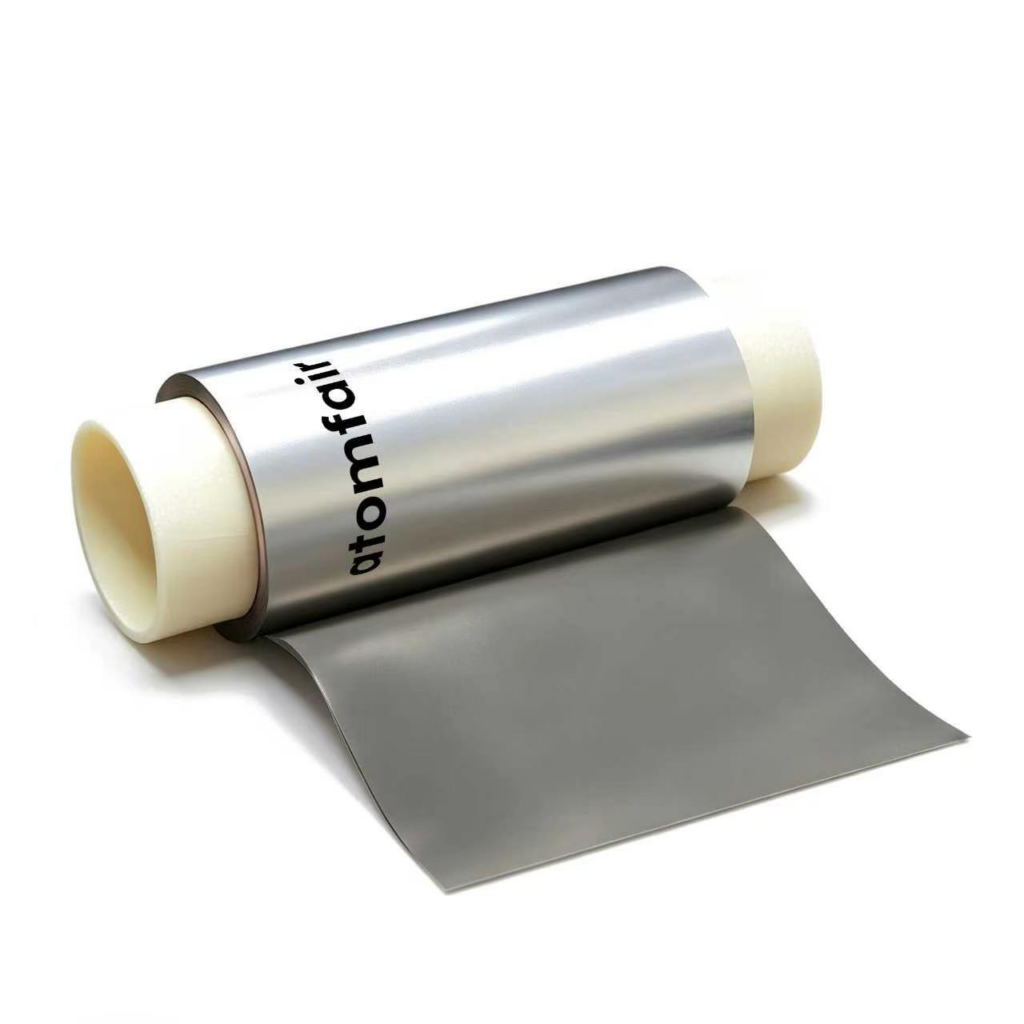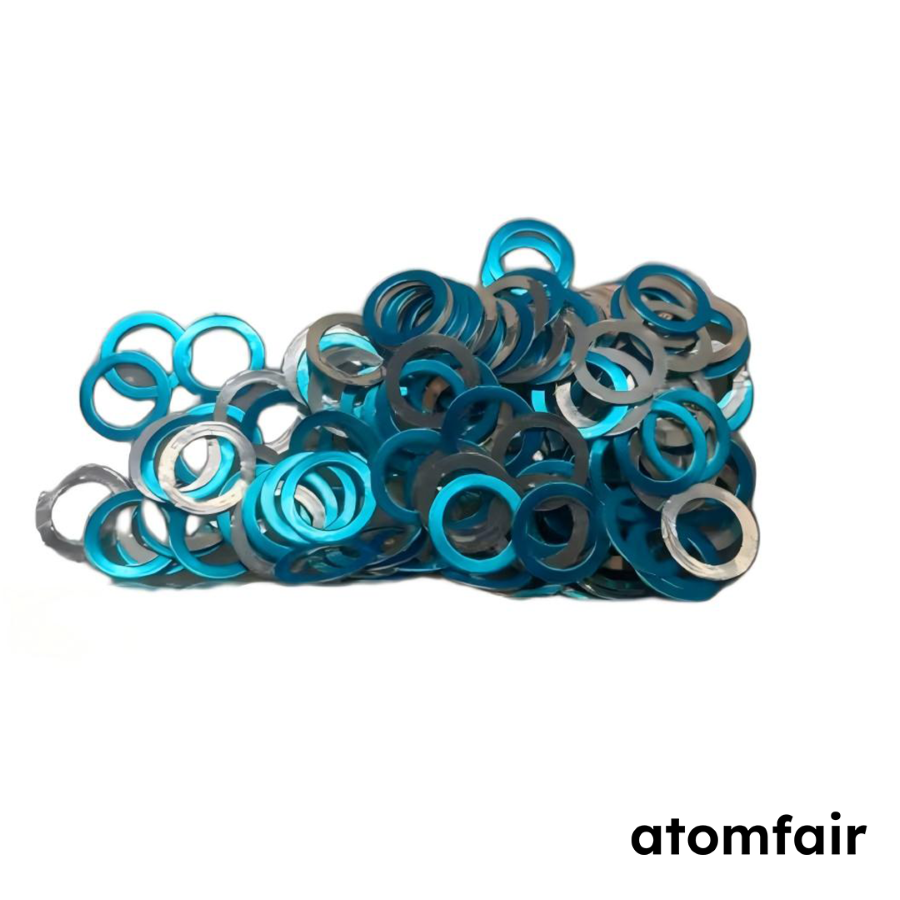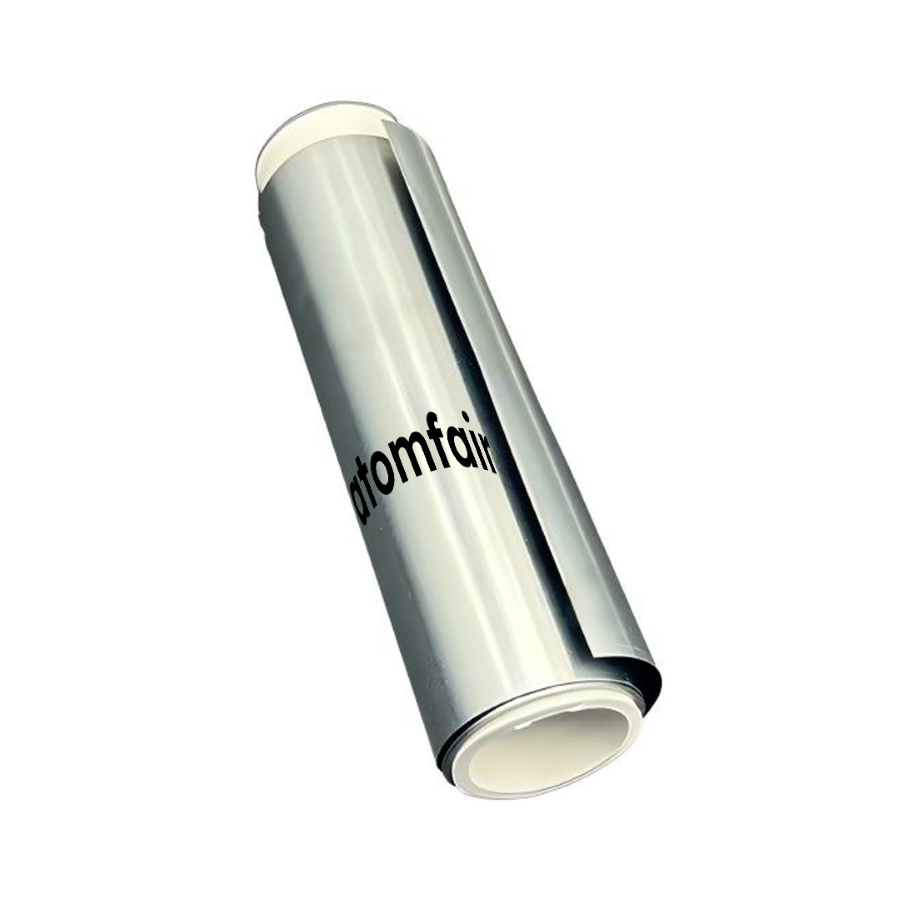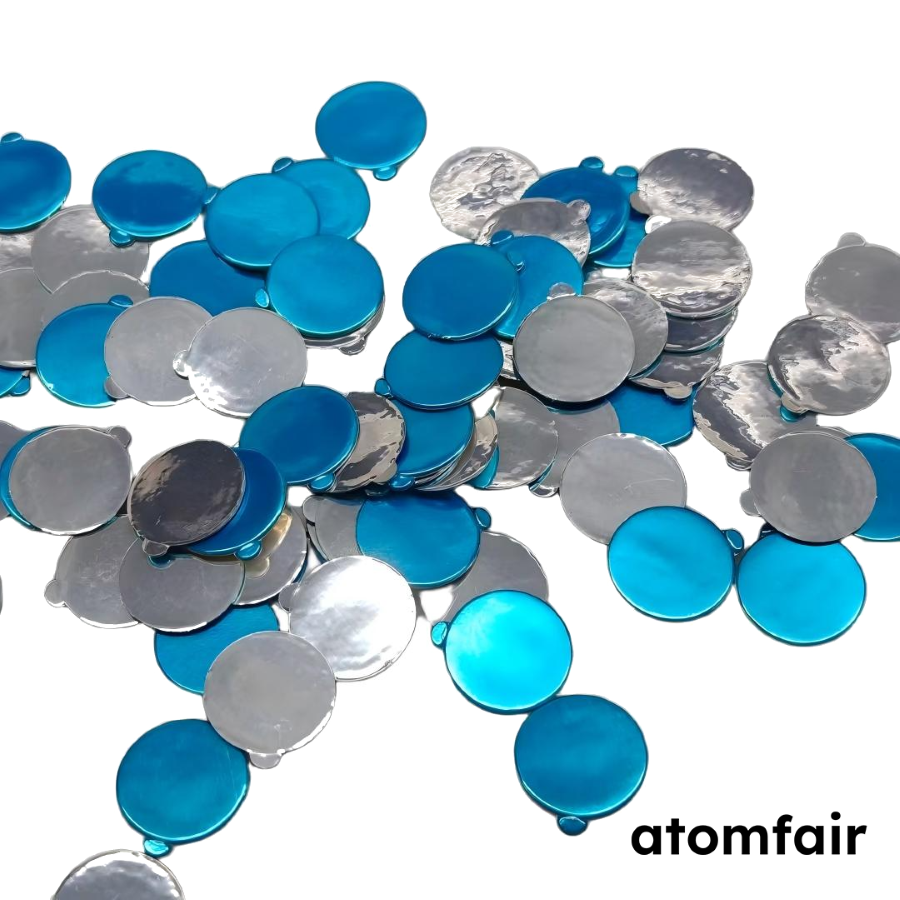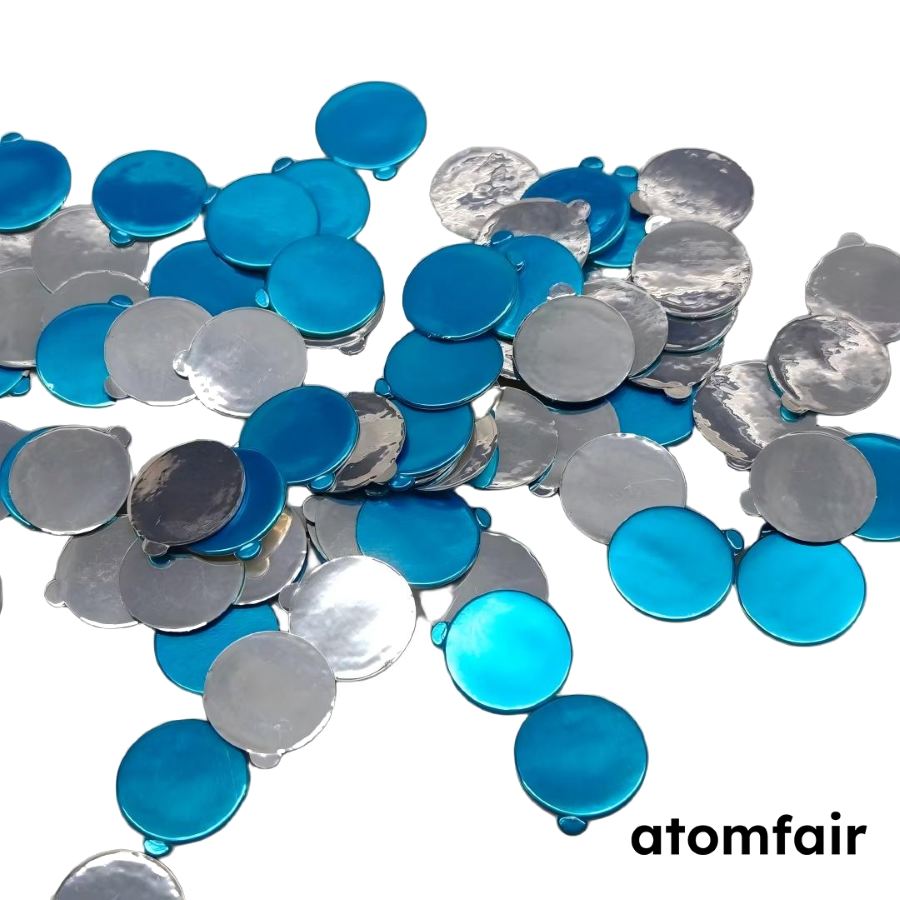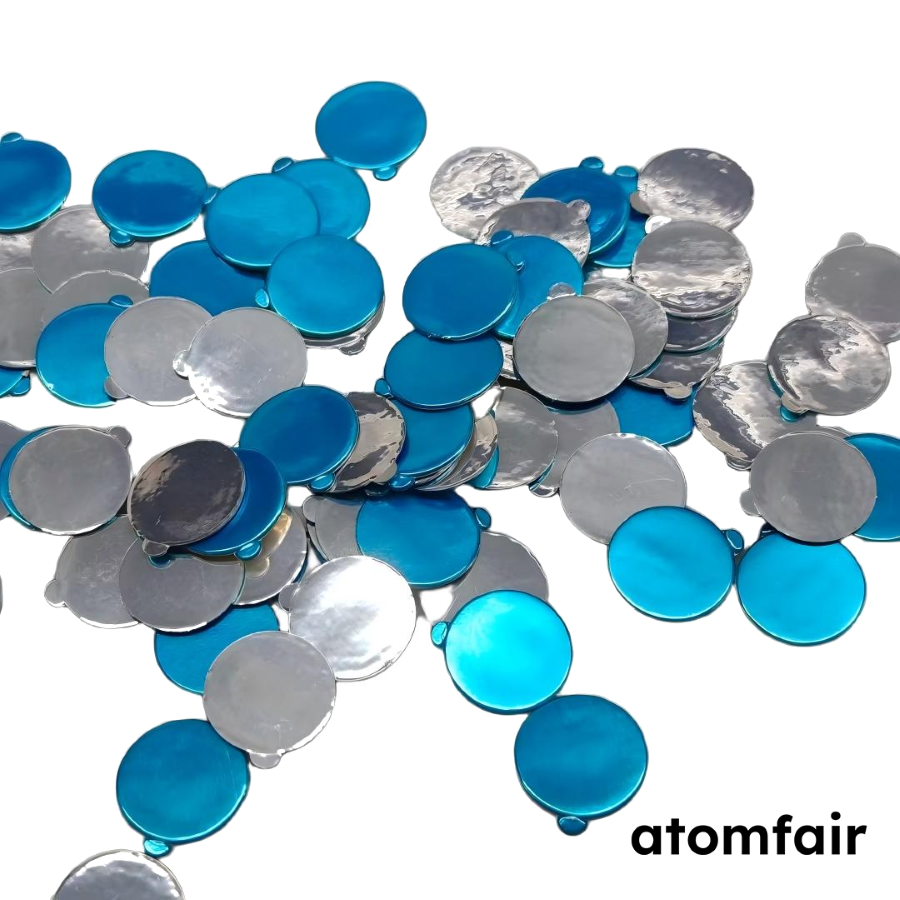
ATOMFAIR® SODIUM METAL DISC (Φ12MM × 0.45MM)RESEARCH GRADE MATERIAL
|
|||||||||||||||||||||||||||||||||||||
|
|||||||||||||||||||||||||||||||||||||
|
TAILORED SOLUTIONS FOR RESEARCH
Contact our engineering team for technical support or official institutional quotations.
EMAIL: inquiry@atomfair.com
|
|||||||||||||||||||||||||||||||||||||
|
Manufacturer: Atomfair LLC
Brand: ATOMFAIR®
|
|||||||||||||||||||||||||||||||||||||
Sodium metal discs must be stored under inert atmosphere (argon or nitrogen) to prevent oxidation and moisture contamination. The material is highly reactive with water and air, requiring immediate transfer to an argon-filled glovebox upon opening the sealed container.
- Environmental Sensitivity: Exposure to ambient atmosphere causes rapid surface oxidation and formation of sodium hydroxide, compromising electrochemical performance.
- Mechanical Integrity: Discs with thickness ≤0.2 mm require current-collector support to prevent localized plastic deformation during handling and cell assembly.
- Containment Requirement: All handling must be performed in an argon-filled glovebox with oxygen and moisture levels below 1 ppm to maintain material purity.
This procedure describes the safe transfer and placement of sodium metal discs into coin-type half-cells under inert atmosphere. Strict adherence to glovebox protocols is required to prevent material degradation and ensure cell-to-cell consistency.
Required Equipment: Argon-filled glovebox (O2/H2O < 1 ppm), Vacuum-sealed sodium disc container, Ceramic or PTFE-coated tweezers, Coin cell crimping station
- Transfer container to glovebox
Transfer the vacuum-sealed sodium disc container into the argon-filled glovebox through the antechamber using a full pump-purge cycle. - Open sealed container
Open the vacuum-sealed container inside the glovebox using ceramic scissors or a blade cutter, avoiding contact with the sodium surface. - Inspect disc integrity
Inspect the sodium disc for any discoloration, pitting, or deformation using optical inspection within the glovebox. - Position disc on cell casing
Position the sodium disc centrally onto the bottom casing of the coin cell using ceramic or PTFE-coated tweezers, ensuring no folding or creasing. - Assemble remaining cell layers
Assemble the separator, electrolyte, and counter electrode layers sequentially on top of the sodium disc without shifting its position. - Crimp the coin cell
Crimp the coin cell assembly using a hydraulic crimping press at the manufacturer-specified pressure to achieve hermetic sealing. - Verify cell integrity
Verify the crimped cell for any electrolyte leakage or mechanical damage before transferring it out of the glovebox for electrochemical testing.
At what thickness does the Atomfair sodium metal disc require a current-collector support to prevent plastic deformation?
For thickness levels ≤0.2 mm, current-collector supported discs are strictly recommended to eliminate localized plastic deformation, as stated in the product specifications. The 0.45 mm disc can be used in unsupported form without this requirement, though collector versions also offer enhanced mechanical flatness.
What current collector substrate options are available for the Atomfair sodium disc and how do they integrate into half-cell testing?
The Atomfair sodium disc is available with aluminum foil, copper foil, or as a free-standing unsupported matrix. All configurations are engineered as half-cell verification platforms to optimize electrolyte validation workflows and minimize cost-to-performance barriers.
How is the Atomfair sodium metal disc packaged to preserve its high purity during storage?
The disc is delivered in a primary hermetic vial under a protective film layer, bundled inside a high-barrier aluminum foil pouch. This packaging isolates the high-purity sodium from ambient air, maintaining its homogeneous elemental distribution until use. The standard package contains 400 pieces per box.
This sodium metal disc provides a standardized half-cell platform for sodium-ion battery research, with high-purity material and multiple current collector options to address handling challenges of thin alkali metal foils. The 0.45 mm thickness offers a balance between structural integrity and electrochemical performance, though the material's inherent reactivity requires strict inert atmosphere handling.
Positive
- Homogeneous material purity: High-purity sodium metal with uniform elemental distribution across the alkali matrix prevents parasitic electronic leakage, ensuring consistent electrochemical baseline performance in half-cell testing.
- Multiple collector substrate options: Available with aluminum foil, copper foil, or free-standing configurations allow researchers to optimize mechanical stability and electrochemical contact for specific electrolyte validation workflows.
Trade-offs
- Reactive alkali metal handling: Sodium metal is highly reactive with moisture and oxygen, requiring strict inert atmosphere (argon glovebox) for all handling and cell assembly procedures to prevent oxidation and safety hazards.
- Thin foil deformation risk: For thickness levels ≤0.2 mm, current-collector supported discs are strictly recommended to eliminate localized plastic deformation, adding complexity for ultra-thin applications without substrate backing.
Every advanced material, component, equipment, and instrument in our catalog is backed by rigorous testing. We maintain strict internal quality management frameworks and align with CE conformity metrics to deliver transparent, reproducible performance data via our public open-science repository.
To request raw batch performance data, submit formal vendor registration paperwork, or execute a fast-turnaround R&D manufacturing loop, contact us at inquiry@atomfair.com.
Item is dispatched under the Atomfair Shipping & Delivery Framework (Free worldwide shipping on orders over $59 USD excl. heavy equipment). Return is governed by the Atomfair Return & Refund Policy (7-day technical return window).