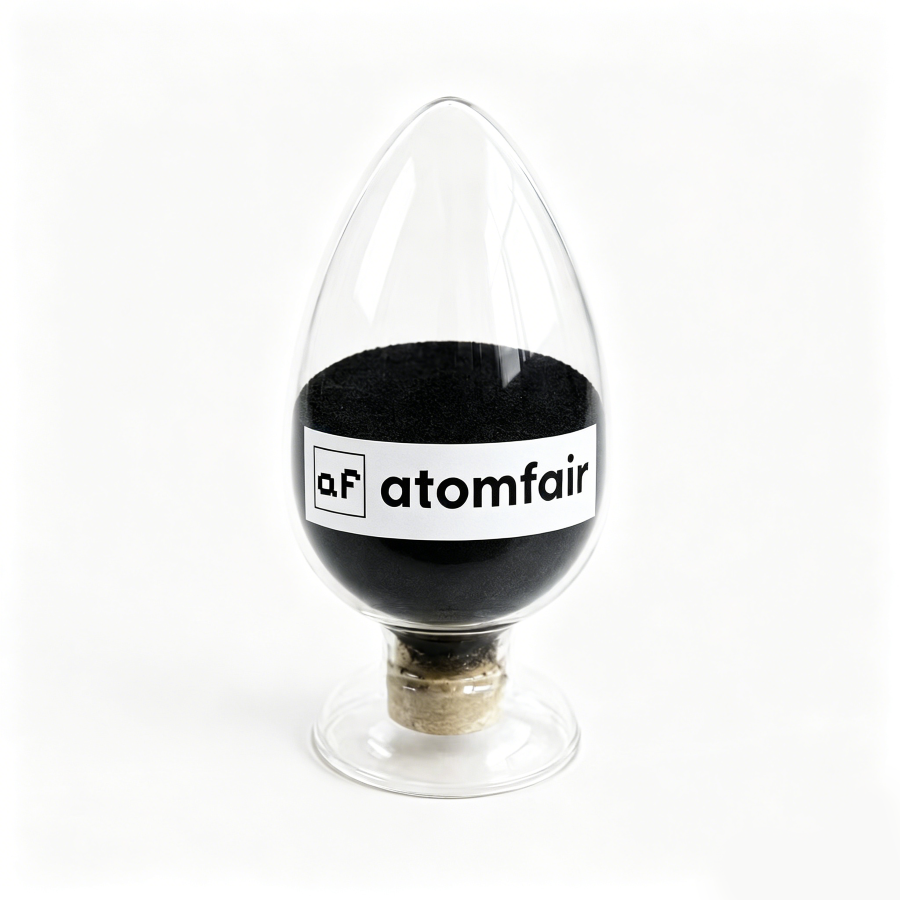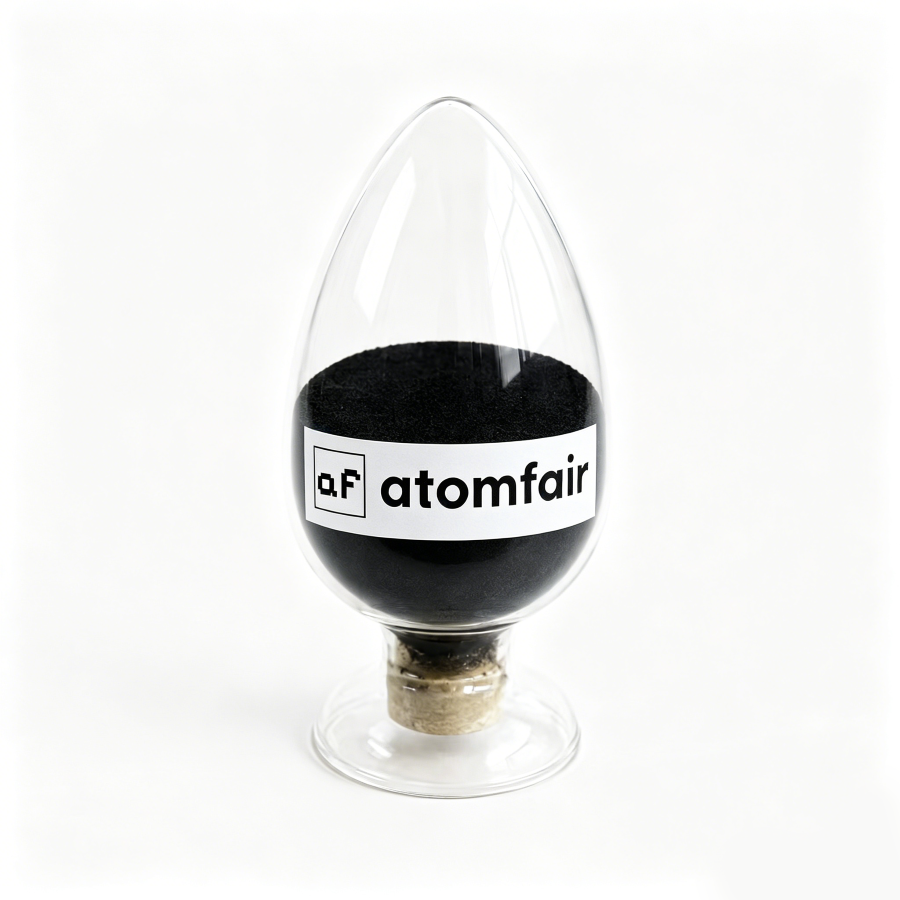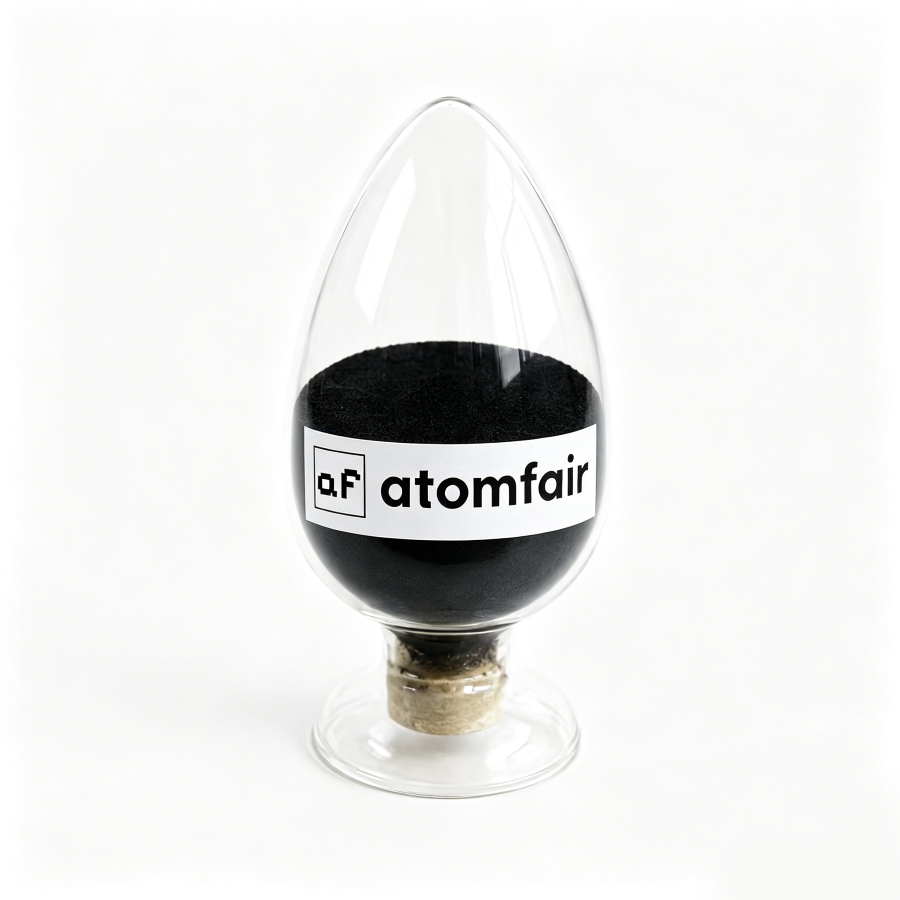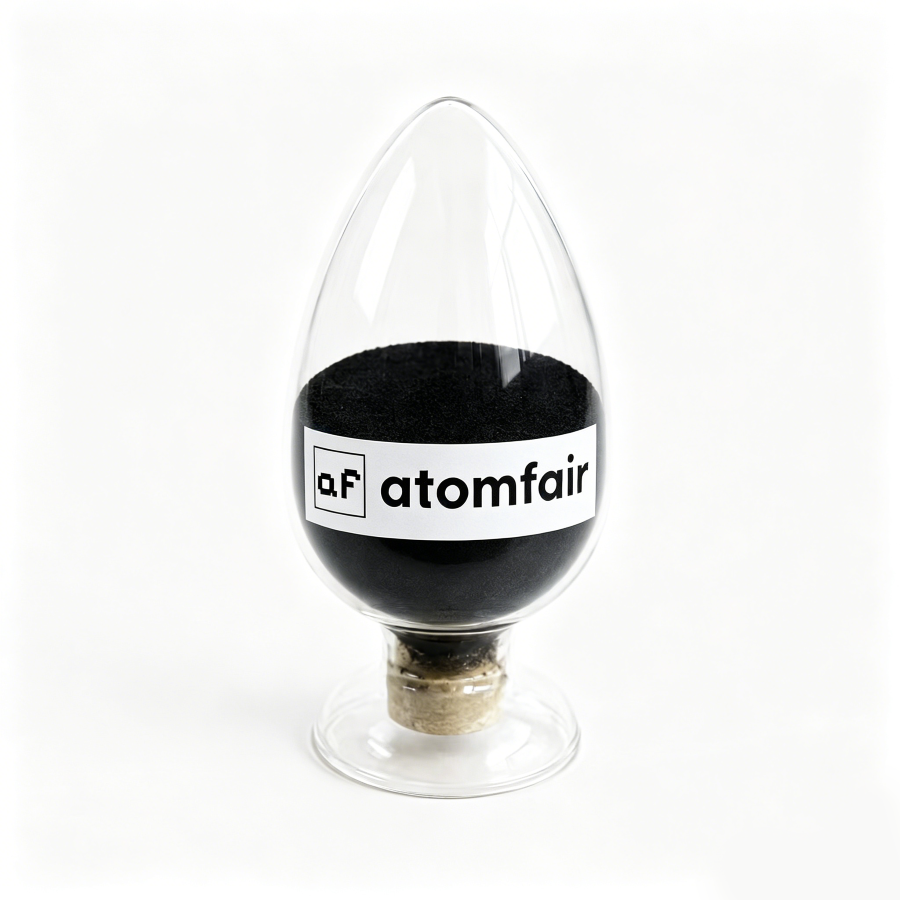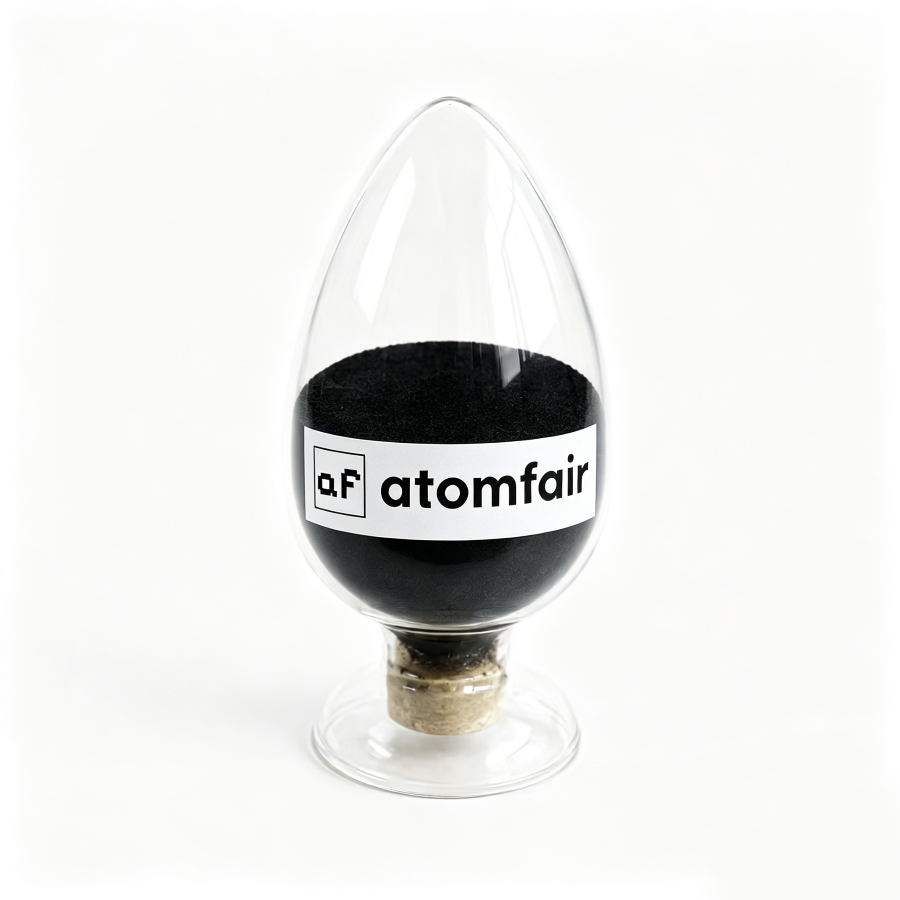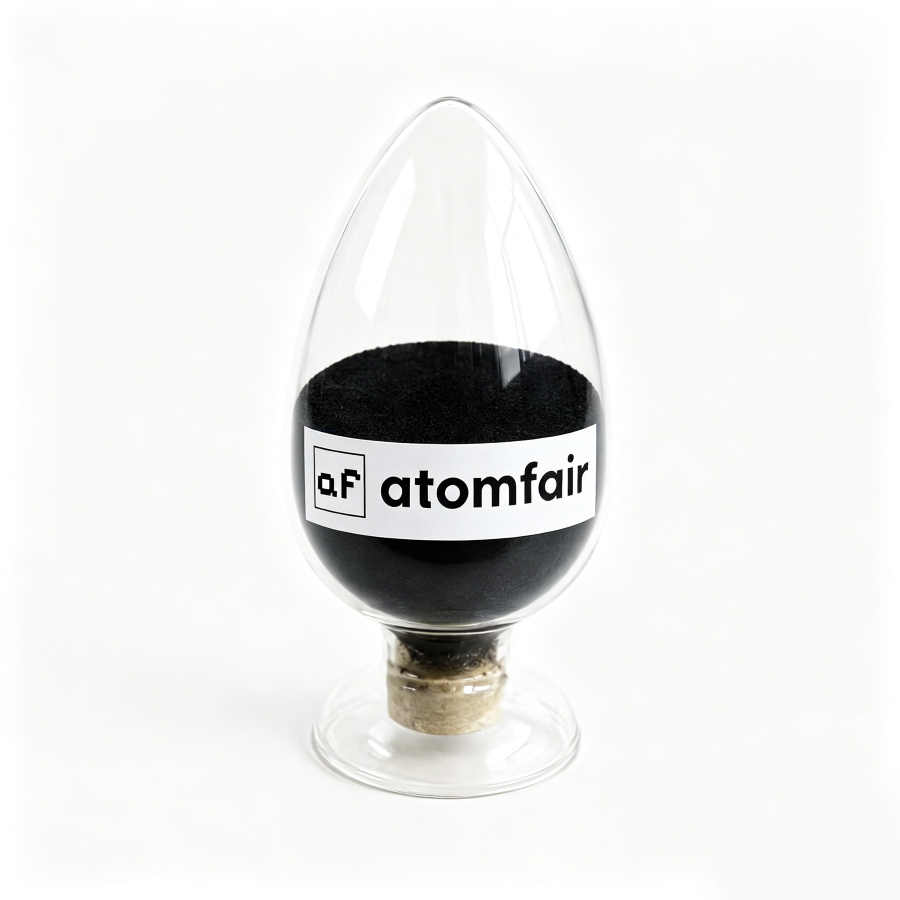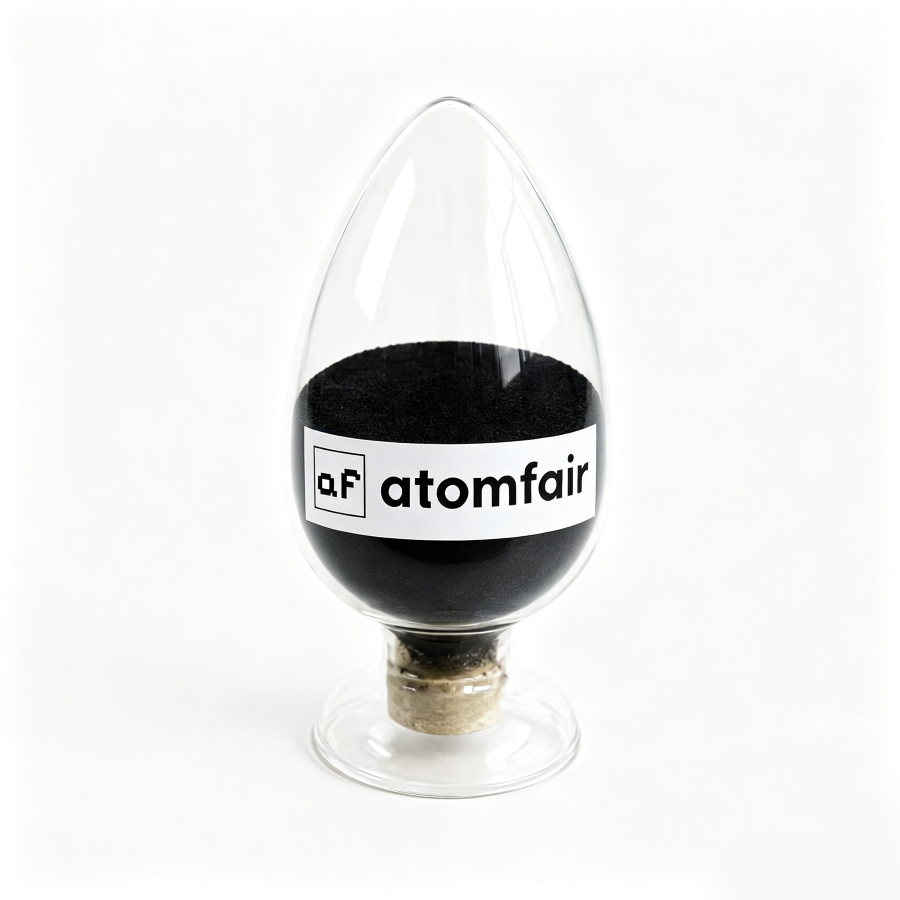
ATOMFAIR® LTO ANODE POWDER HIGH-DENSITY LOW-GASSINGRESEARCH GRADE MATERIAL
|
|||||||||||||||||||||||||||||||||||||||
|
|||||||||||||||||||||||||||||||||||||||
|
TAILORED SOLUTIONS FOR RESEARCH
Contact our engineering team for technical support or official institutional quotations.
EMAIL: inquiry@atomfair.com
|
|||||||||||||||||||||||||||||||||||||||
|
Manufacturer: Atomfair LLC
Brand: ATOMFAIR®
|
|||||||||||||||||||||||||||||||||||||||
This lithium titanate anode powder requires storage in a dry, inert atmosphere to prevent moisture uptake exceeding 1000 ppm. The material must be processed in a controlled environment to maintain electrochemical performance and minimize gas evolution during cycling.
- Moisture Sensitivity: Residual moisture must be kept below 1000 ppm via Karl Fischer verification to avoid capacity fade and gassing.
- Alkaline pH Compatibility: The powder’s matrix pH of approximately 11 requires binder and solvent systems with alkaline stability to prevent slurry degradation.
- Gas Evolution Management: Although formulated for low gassing, cells using this material require adequate venting or pressure relief to accommodate residual gas generation.
- Handling Environment: Processing and storage should be performed in a dry room or glovebox with less than 0.1 ppm water to prevent surface contamination and moisture absorption.
- Storage Temperature: Store sealed containers at room temperature away from heat sources to maintain stoichiometric stability and avoid phase changes.
How does the high tapped density (0.82 g/ml) of this LTO powder influence electrode calendering and the resulting volumetric energy density?
The high tapped density of 0.82 g/ml allows for lower binder content and more uniform calendering, producing denser electrodes that improve volumetric energy density without compromising 1C specific capacity (≥160 mAh/g). This is directly stated in the product features as 'enhanced volumetric calendering' enabling 'lower binding thresholds and compressed coating electrode thicknesses.'
What is the significance of the matrix pH value (11.00 ± 0.50) for slurry preparation and electrode fabrication?
The alkaline pH of 11.00 ± 0.50 requires careful binder selection to avoid gelation—PVDF or pH-stable aqueous binders are recommended. The product's single-particle dispersion and high tapped density help maintain homogeneous slurry rheology despite the basic surface, as noted in the key features.
What precautions are necessary to manage the residual moisture content (≤1000 ppm) during storage and processing of this LTO anode material?
The material should be stored in a dry atmosphere (dew point ≤ -40°C) and handled in a glovebox to keep residual moisture below the 1000 ppm specification (typical 650 ppm). Opened containers must be resealed under inert gas immediately to prevent moisture adsorption that could compromise the low-gassing surface modification layer.
This high-density low-gassing LTO anode powder delivers improved volumetric compaction and reduced interfacial gassing for consistent half-cell performance, but requires careful handling due to its alkaline pH (11.00 ± 0.50) and moisture sensitivity (residual moisture ≤1000 ppm).
Positive
- Single-Particle Matrix Dispersion: Tailored microstructure promotes absolute particle separation, eliminating localized impedance nodes and securing homogeneous slurry rheology for consistent coating.
- Suppressed Interface Gassing: Specialized surface encapsulation directly addresses the common LTO gassing bottleneck, extending full-cell life reliability during active cycling.
Trade-offs
- Alkaline pH Requires Handling Care: Matrix pH of 11.00 ± 0.50 (typical 10.86) necessitates compatible binder systems and protective measures to avoid corrosion or unwanted side reactions during electrode processing.
- Moisture Sensitivity During Processing: Residual moisture ≤1000 ppm (typical 650 ppm) demands a dry processing environment (e.g., glovebox or controlled atmosphere) and potential pre-drying to prevent performance degradation.
Every advanced material, component, equipment, and instrument in our catalog is backed by rigorous testing. We maintain strict internal quality management frameworks and align with CE conformity metrics to deliver transparent, reproducible performance data via our public open-science repository.
To request raw batch performance data, submit formal vendor registration paperwork, or execute a fast-turnaround R&D manufacturing loop, contact us at inquiry@atomfair.com.
Item is dispatched under the Atomfair Shipping & Delivery Framework (Free worldwide shipping on orders over $59 USD excl. heavy equipment). Return is governed by the Atomfair Return & Refund Policy (7-day technical return window).