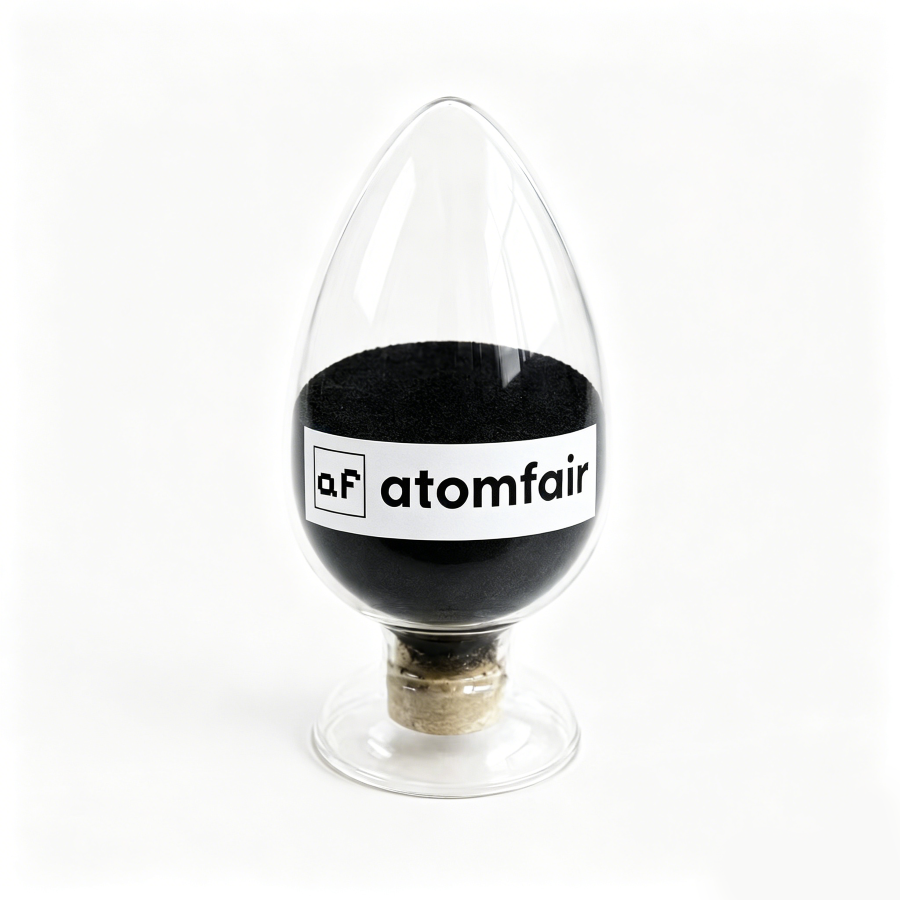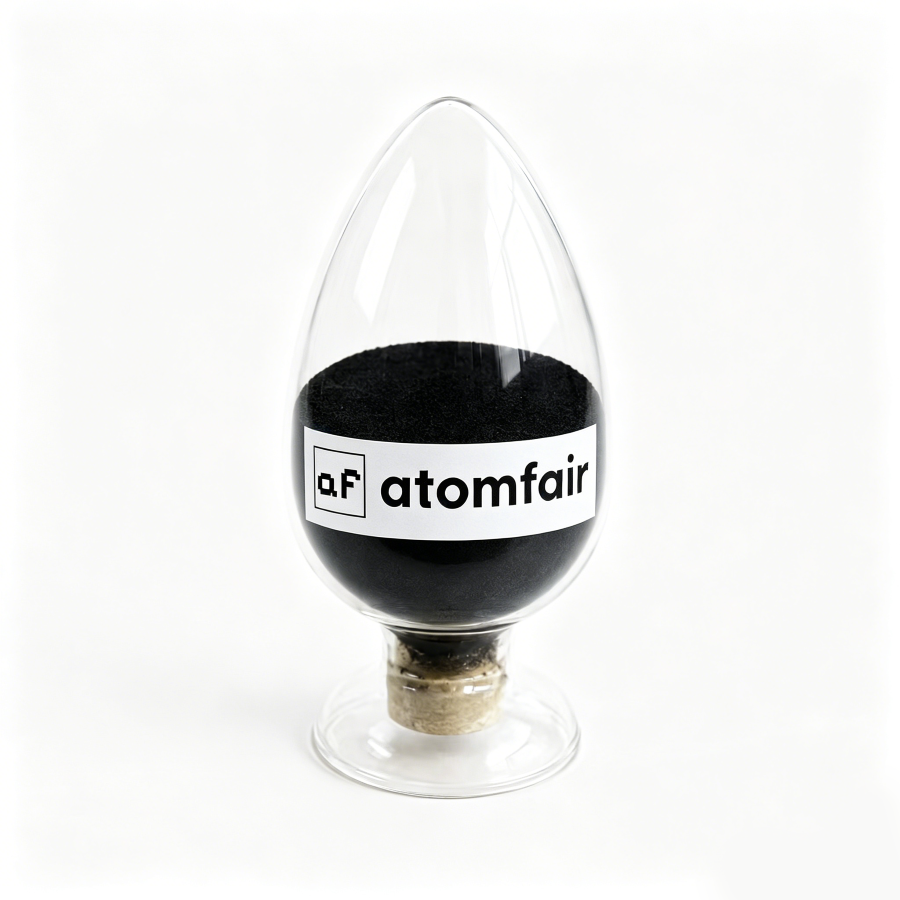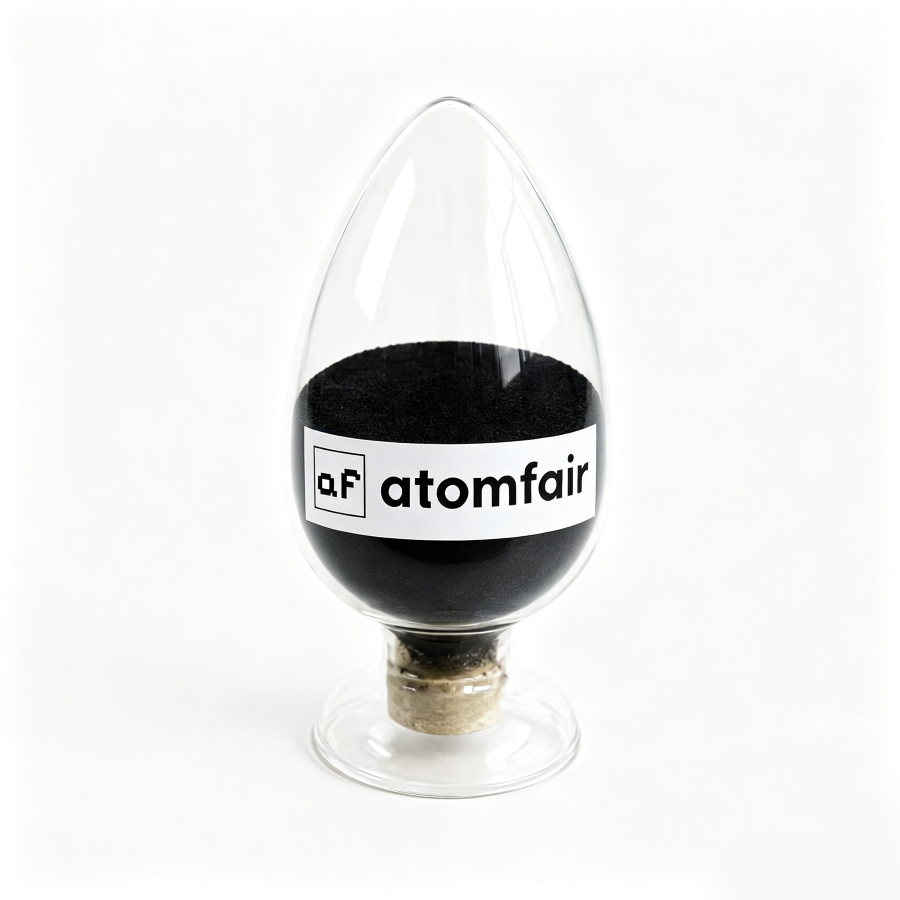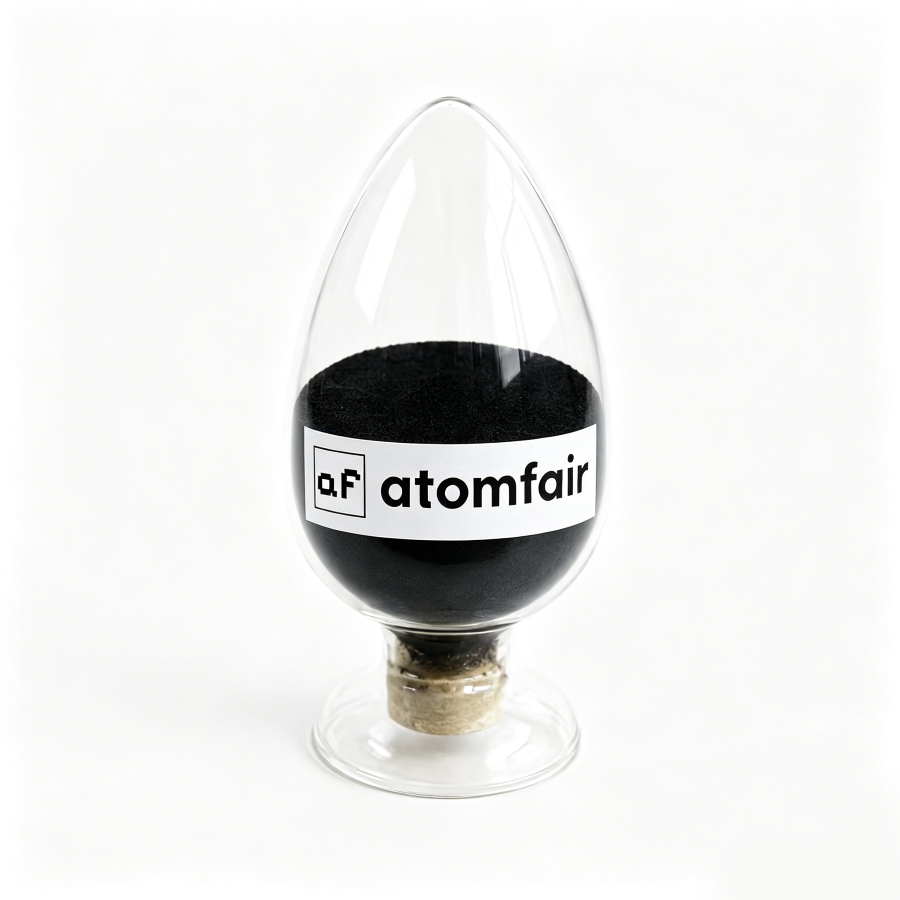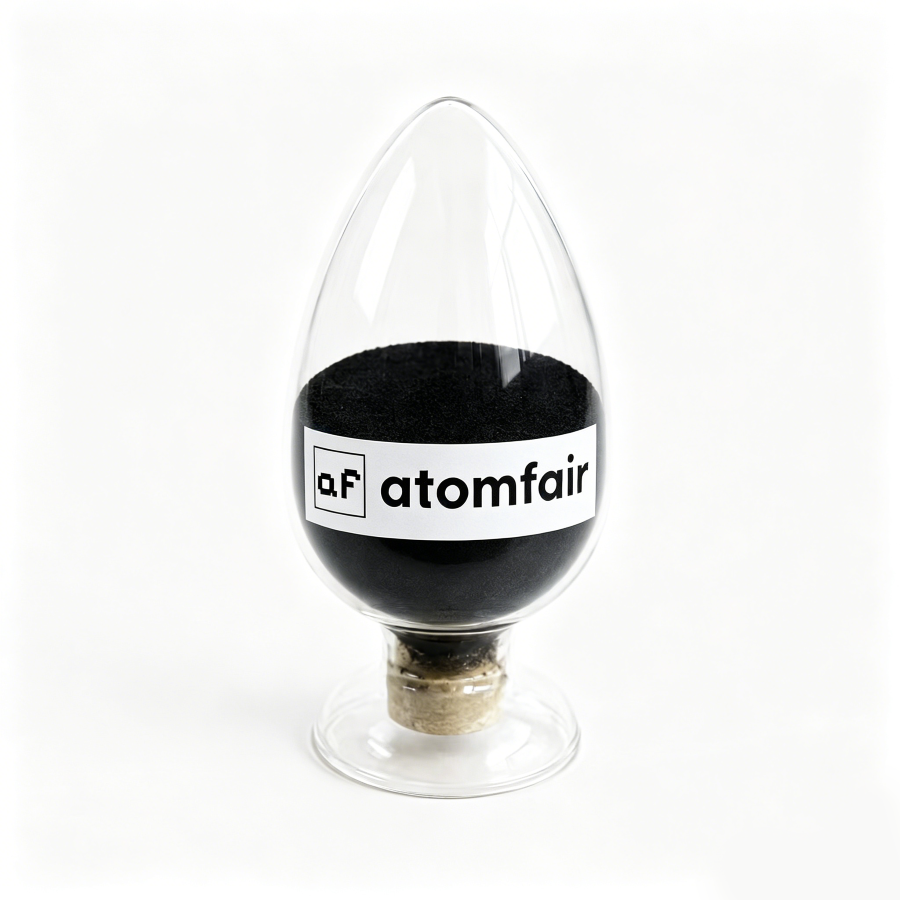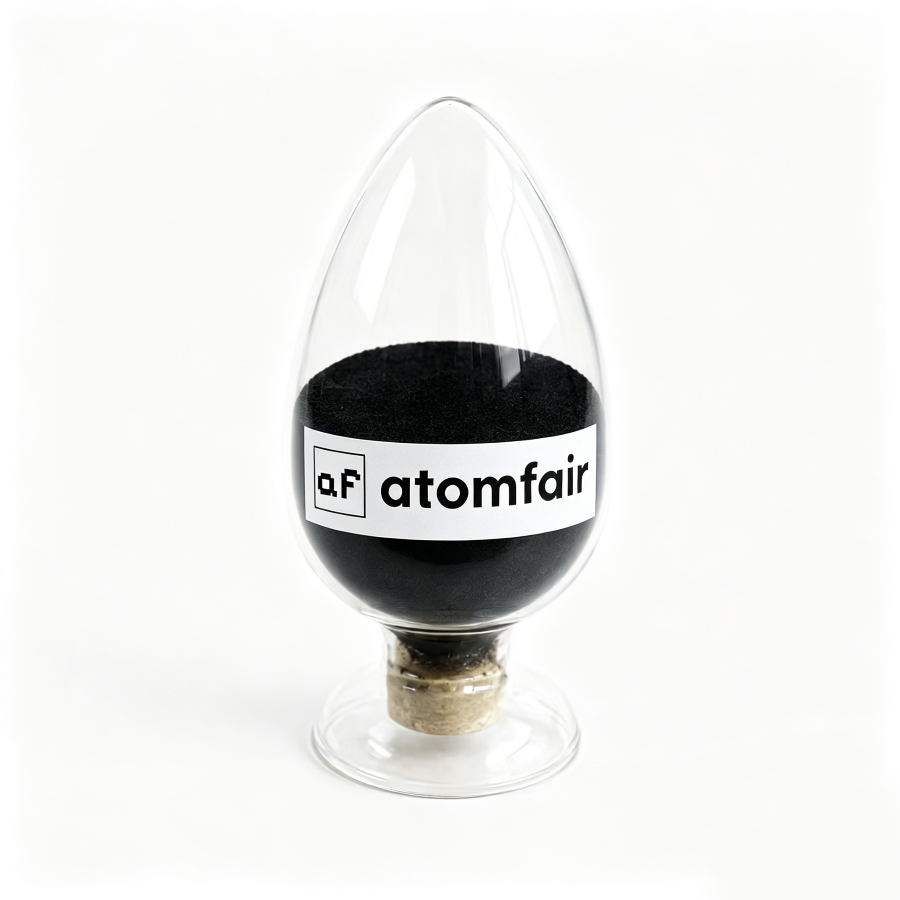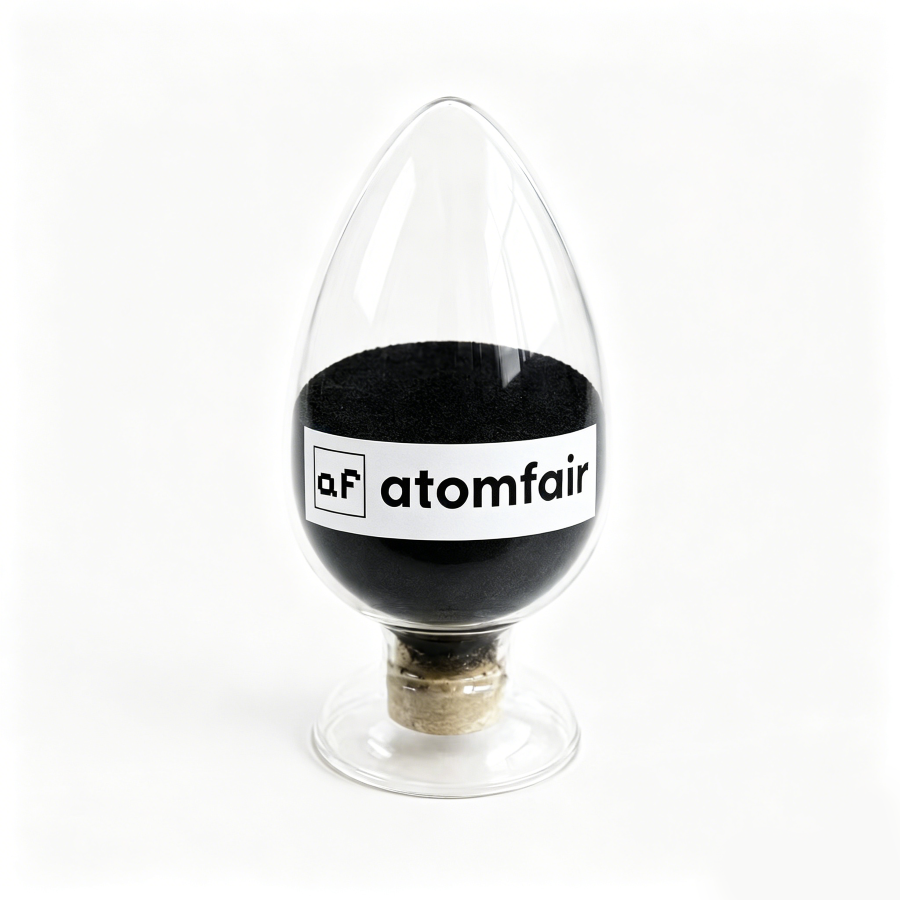
ATOMFAIR® 2200 MAH/G HIGH-STABILITY SILICON CARBON POWDERRESEARCH GRADE MATERIAL
|
|||||||||||||||||||||||||||||||||||||||
|
|||||||||||||||||||||||||||||||||||||||
|
TAILORED SOLUTIONS FOR RESEARCH
Contact our engineering team for technical support or official institutional quotations.
EMAIL: inquiry@atomfair.com
|
|||||||||||||||||||||||||||||||||||||||
|
Manufacturer: Atomfair LLC
Brand: ATOMFAIR®
|
|||||||||||||||||||||||||||||||||||||||
This document summarizes the recommended storage and handling conditions for the ATOMFAIR high-stability silicon-carbon anode powder. Users should ensure the material remains in a dry, inert environment to maintain electrochemical performance.
- Moisture Sensitivity: Exposure to ambient moisture may degrade the powder's electrochemical capacity and cycle life.
What is the practical capacity penalty from the first-cycle irreversible loss when using ATOMFAIR's 2234 mAh/g silicon-carbon anode powder?
The 94.11% first-cycle efficiency indicates only 5.89% capacity is irreversibly consumed during formation, yielding a practical reversible capacity of approximately 2102 mAh/g after the first cycle. This high efficiency is achieved through the low BET surface area of 1.66 m²/g, which limits electrolyte decomposition and solid-electrolyte interphase formation. The trade-off is that the material delivers near-maximum capacity while minimizing lithium inventory loss compared to typical silicon anodes.
Which electrolyte formulations are recommended for use with ATOMFAIR's high-stability silicon-carbon anode to minimize side reactions?
The optimized surface morphology with a specific surface area of 1.66 m²/g suppresses excessive electrolyte absorption and parasitic interface reactions, making this powder compatible with standard carbonate-based electrolytes such as LiPF6 in EC/DMC. The narrow particle size distribution (D50 7.462 μm, span 0.96) ensures homogeneous slurry preparation and uniform electrode casting across various electrolyte systems.
What are the recommended storage conditions for ATOMFAIR silicon-carbon anode powder to maintain its performance specifications?
Store the powder under inert atmosphere (argon or nitrogen) in a sealed container with <0.1 ppm moisture to prevent surface oxidation and moisture uptake. Its low BET surface area of 1.66 m²/g reduces sensitivity to ambient exposure, but handling in a dry environment is standard practice for silicon-based anode materials.
This silicon-carbon anode powder delivers 2234 mAh/g reversible capacity at 2 V with 94.11% ICE and a narrow particle size distribution (D50 7.462 μm, span 0.96), supporting high cell-to-cell consistency in electrolyte validation. However, its performance is voltage-dependent, with ICE dropping to 84.21% at 0.8 V, and the powder resistivity of 1.84 Ω·cm at 20 MPa requires controlled electrode compaction to achieve specified electronic transport.
Positive
- High first-cycle efficiency at 2 V: The 94.11% initial coulombic efficiency (ICE) at 2 V limits irreversible lithium consumption, maximizing practical cell capacity during initial cycling.
- Low specific surface area: A BET surface area of 1.66 m²/g suppresses excessive electrolyte absorption and parasitic interface reactions, improving long-term stability.
Trade-offs
- Voltage-dependent performance: Reversible capacity and first-cycle efficiency drop significantly at 0.8 V (1999 mAh/g, 84.21% ICE) compared to 2 V, requiring careful cutoff-voltage calibration in test protocols.
- Powder compaction requirement: The powder resistivity of 1.84 Ω·cm is measured at 20 MPa, indicating that electrode fabrication must achieve adequate densification to realize the stated electronic transport properties.
Every advanced material, component, equipment, and instrument in our catalog is backed by rigorous testing. We maintain strict internal quality management frameworks and align with CE conformity metrics to deliver transparent, reproducible performance data via our public open-science repository.
To request raw batch performance data, submit formal vendor registration paperwork, or execute a fast-turnaround R&D manufacturing loop, contact us at inquiry@atomfair.com.
Item is dispatched under the Atomfair Shipping & Delivery Framework (Free worldwide shipping on orders over $59 USD excl. heavy equipment). Return is governed by the Atomfair Return & Refund Policy (7-day technical return window).