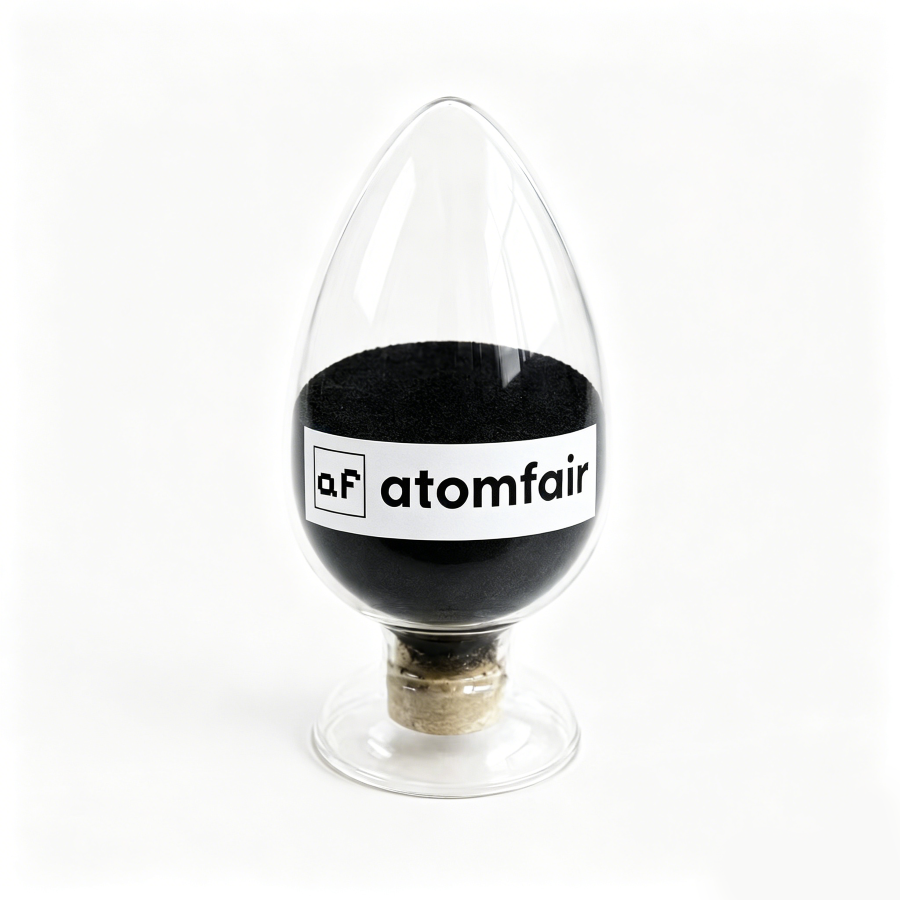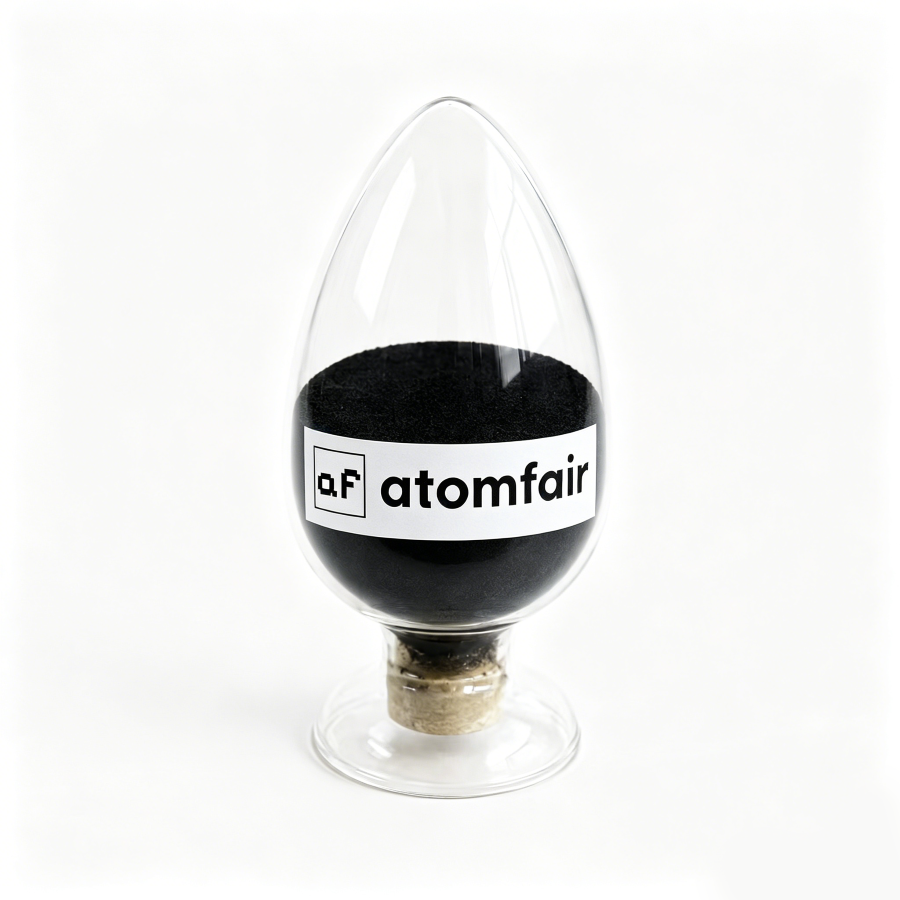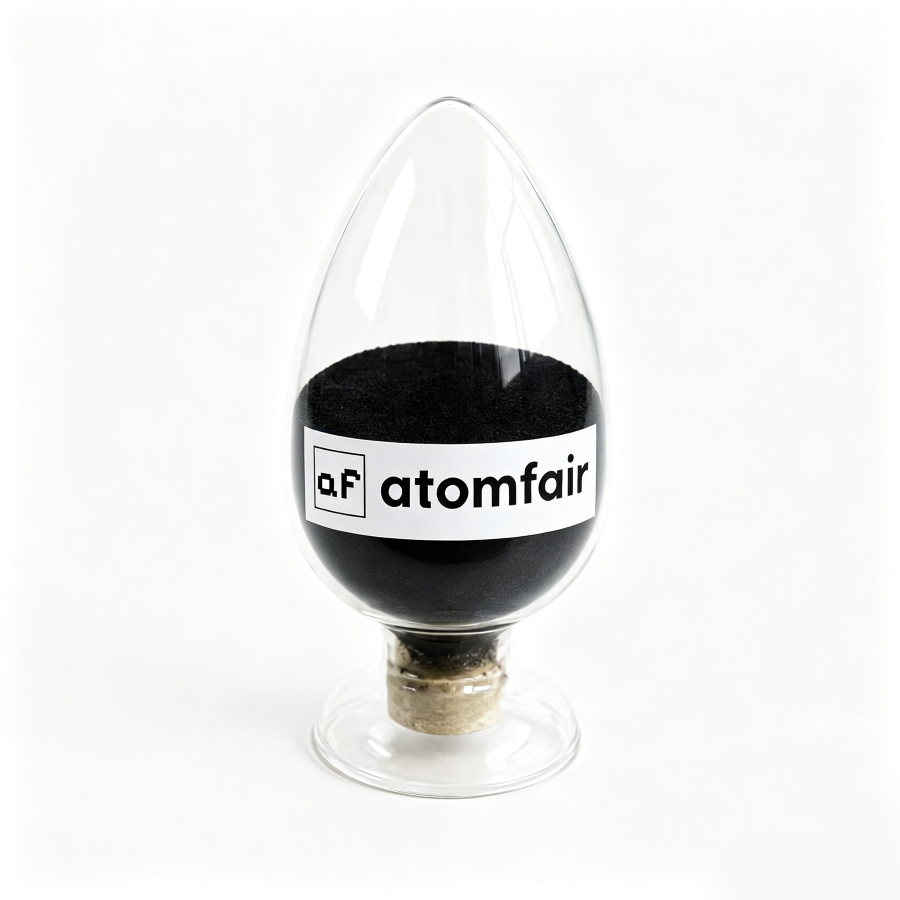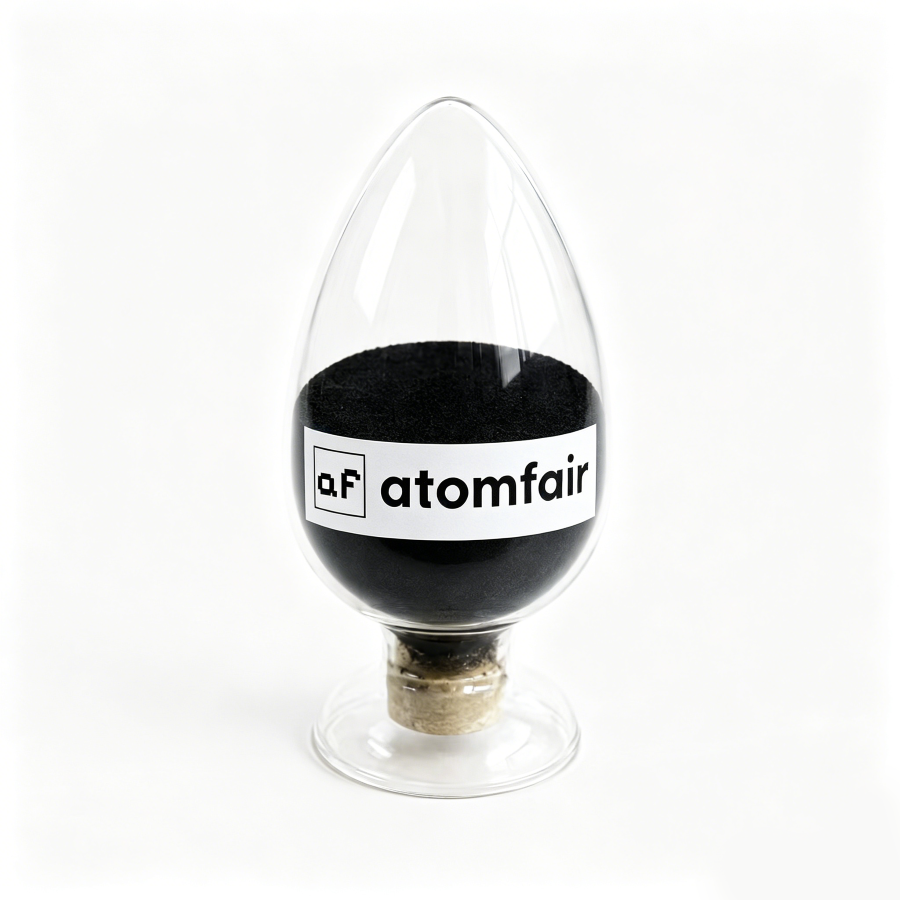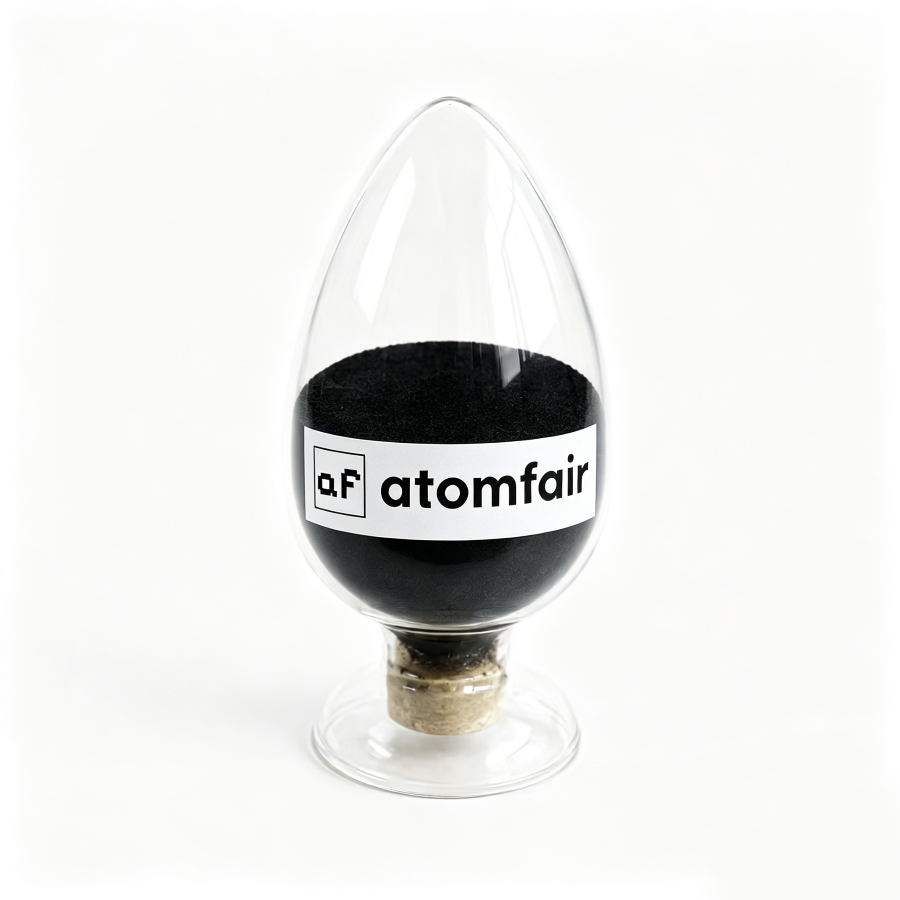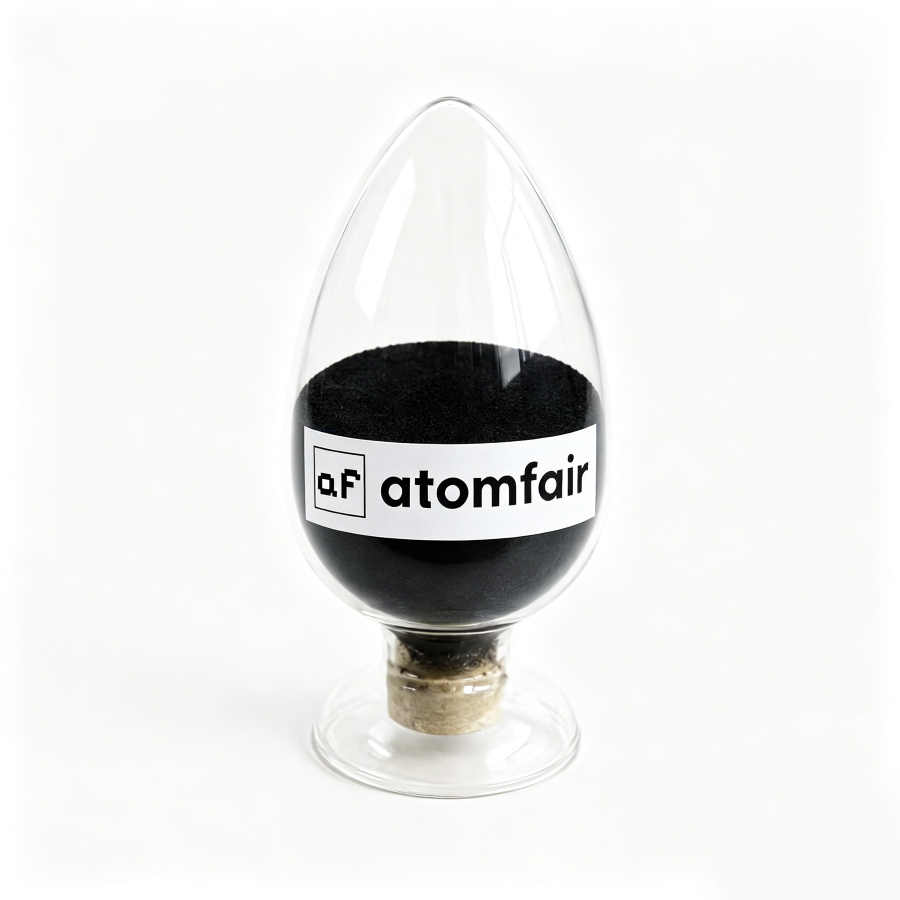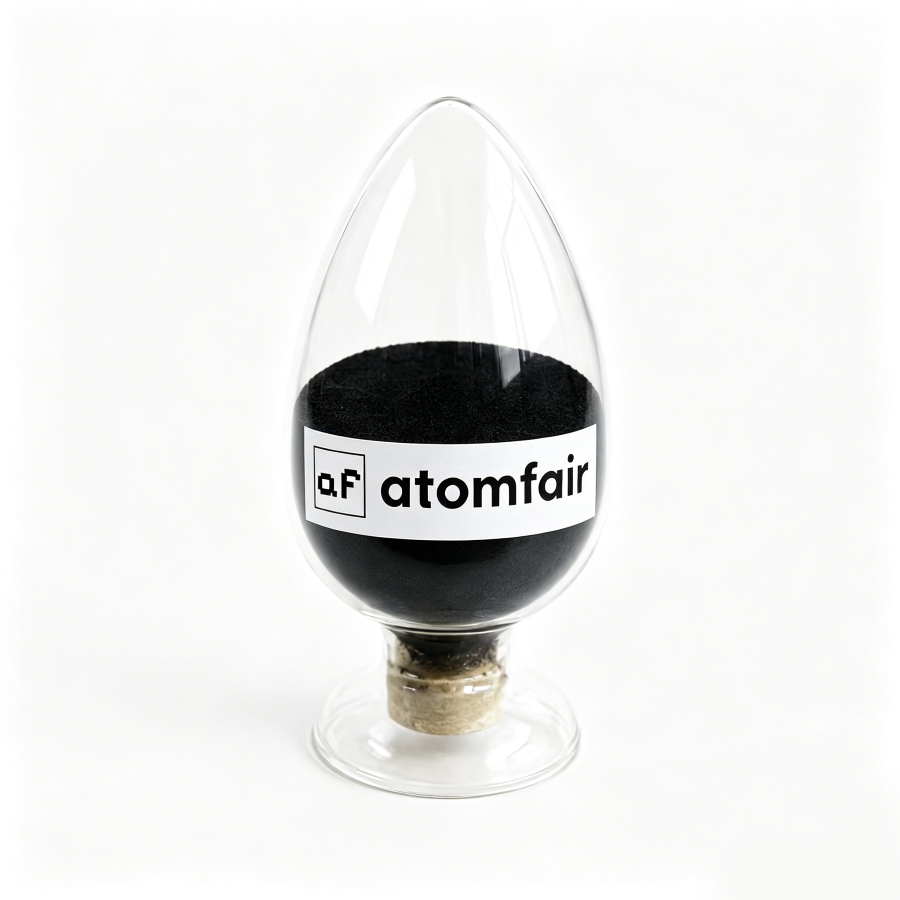
ATOMFAIR® LTO ANODE POWDER SPHERICAL MICRO-GRANULE HIGH-RATERESEARCH GRADE MATERIAL
|
|||||||||||||||||||||||||||||||||||||||
|
|||||||||||||||||||||||||||||||||||||||
|
TAILORED SOLUTIONS FOR PRODUCTION
Contact our engineering team for technical support or official commercial quotes.
EMAIL: inquiry@atomfair.com
|
|||||||||||||||||||||||||||||||||||||||
|
Manufacturer: Atomfair LLC
Brand: ATOMFAIR®
|
|||||||||||||||||||||||||||||||||||||||
This lithium titanate anode powder exhibits a residual moisture level up to 1000 ppm and an alkaline matrix pH of 11.0±0.5, requiring storage in a dry, inert atmosphere to prevent moisture uptake and degradation. The micro-granule morphology (D50 8–13 μm) and specific surface area (1–3 m²/g) impose constraints on slurry dispersion and coating uniformity.
- Moisture Sensitivity: Store in a dry, inert atmosphere to maintain residual moisture below 1000 ppm and prevent electrochemical performance loss.
- Alkalinity Handling: The pH of 11.0±0.5 requires use of chemically resistant containers and avoids contact with acidic components.
- Particle Size Uniformity: Maintain consistent D50 between 8 and 13 μm to ensure uniform slurry rheology and electrode coating.
- Compaction Density Target: Target compaction density of 2.3–3.0 g/cm³ during electrode calendaring to achieve optimal electrode porosity and conductivity.
- Surface Area Influence: Specific surface area of 1–3 m²/g influences binder and conductive additive requirements for electrode formulation.
How does the trade-off between high tap density (1.27 g/ml) and BET surface area (5.78 m²/g) influence the rate capability and energy density of this spherical LTO anode powder?
The spherical secondary clustering achieves a high tap density of 1.27 g/ml, enabling greater electrode compaction and energy density, while the moderate BET surface area of 5.78 m²/g ensures sufficient electrolyte contact for lithium-ion transport under high-rate conditions. This balance delivers a typical 1C discharge capacity of 167.60 mAh/g with an initial Coulombic efficiency of 97.52%, making the powder suitable for both energy-dense and high-power electrodes.
What compatibility issues arise from the alkaline pH (11.00 ± 0.50) of this LTO powder when integrating with standard electrode binders and current collectors?
The typical pH of 10.86 necessitates binders with alkaline resistance, such as PVDF or specially formulated aqueous binders, to prevent degradation during slurry mixing. Aluminum current collectors may require surface passivation to avoid corrosion at this pH, and the low residual moisture (≤1000 ppm) helps mitigate hydrolysis reactions in water-based processes.
What storage and handling infrastructure is required to preserve the electrochemical performance of this LTO powder given its moisture sensitivity (≤1000 ppm) and fine particle size (D90 ≤30 μm)?
Store the powder in sealed, dry containers at ambient temperature to maintain residual moisture below the 1000 ppm threshold, as excess moisture degrades capacity and efficiency. Due to the fine particles (D90 ≤30 μm) and alkaline pH (10.86), use fume hoods or dust collection systems to prevent inhalation and avoid contact with acidic compounds.
ATOMFAIR High-Rate Spherical LTO-2 Anode Powder delivers a typical 1C discharge capacity of 167.6 mAh/g and first-cycle efficiency of 97.52%, with spherical micro-granules enabling excellent flowability and a tap density of 1.27 g/mL. The material's alkaline pH (11.00 ± 0.50) and moisture ceiling of 1000 ppm impose specific handling and drying requirements for optimal electrode fabrication.
Positive
- Exceptional First-Cycle Efficiency: Achieves a typical initial Coulombic efficiency of 97.52%, minimizing irreversible capacity loss during electrolyte conditioning and improving overall energy throughput.
- High Tap Density for Electrode Packing: Typical tapped density of 1.27 g/mL enables denser electrode coatings, enhancing volumetric energy density and reducing solvent consumption during slurry preparation.
Trade-offs
- Alkaline Matrix pH Handling: The material exhibits a matrix pH of 11.00 ± 0.50, which may require the use of pH-compatible binders and solvents to prevent slurry instability or corrosion of processing equipment.
- Moisture Sensitivity and Drying Requirements: Residual moisture as high as 1000 ppm (typical 650 ppm) necessitates rigorous pre-drying and dry-room processing to avoid detrimental effects on electrochemical performance and cycle life.
Every advanced material, component, equipment, and instrument in our catalog is backed by rigorous testing. We maintain strict internal quality management frameworks and align with CE conformity metrics to deliver transparent, reproducible performance data via our public open-science repository.
To request raw batch performance data, submit formal vendor registration paperwork, or execute a fast-turnaround R&D manufacturing loop, contact us at inquiry@atomfair.com.
Item is dispatched under the Atomfair Shipping & Delivery Framework (Free worldwide shipping on orders over $59 USD excl. heavy equipment). Return is governed by the Atomfair Return & Refund Policy (7-day technical return window).