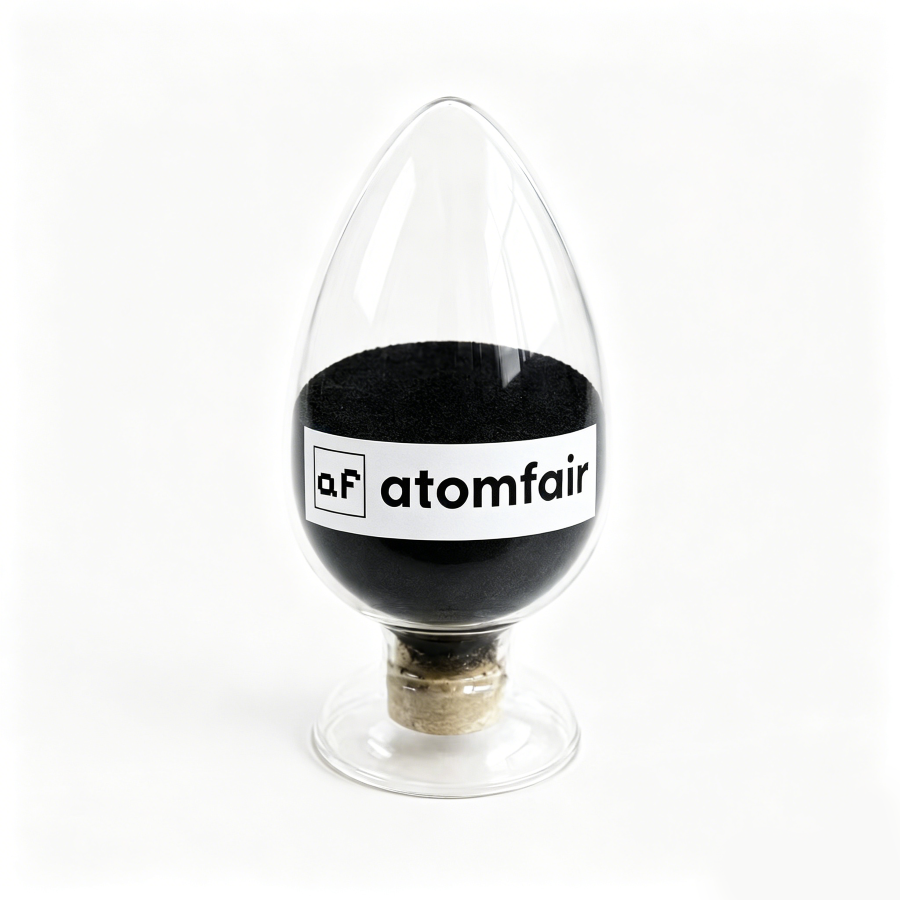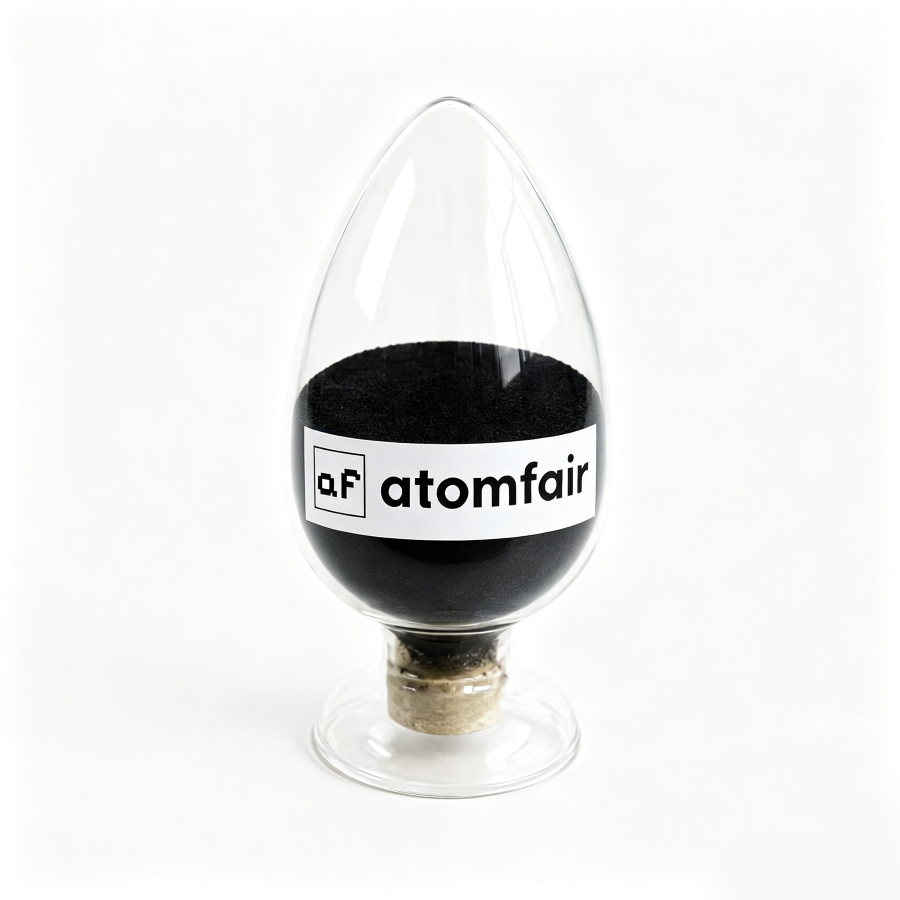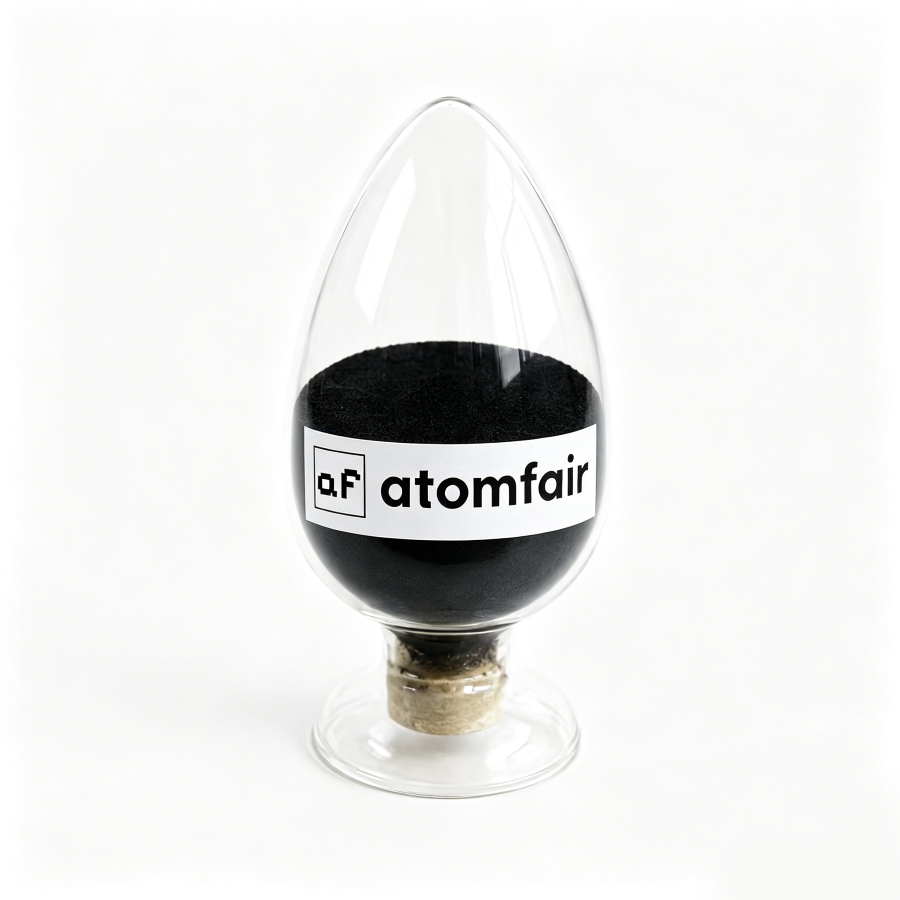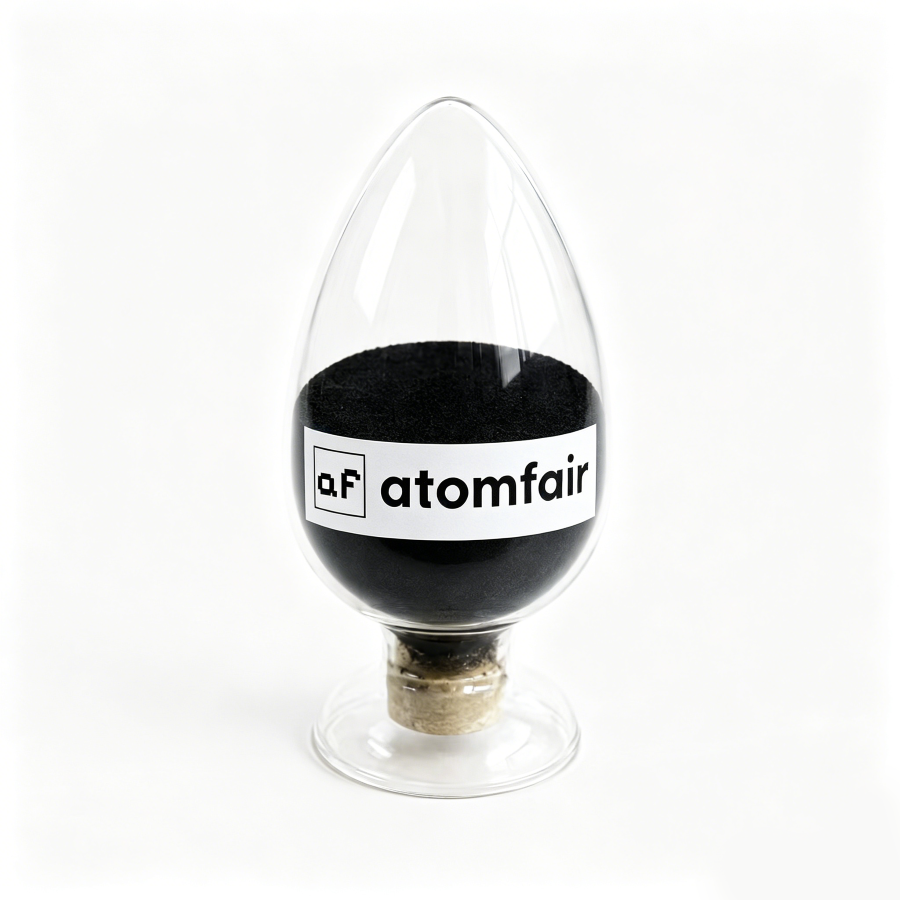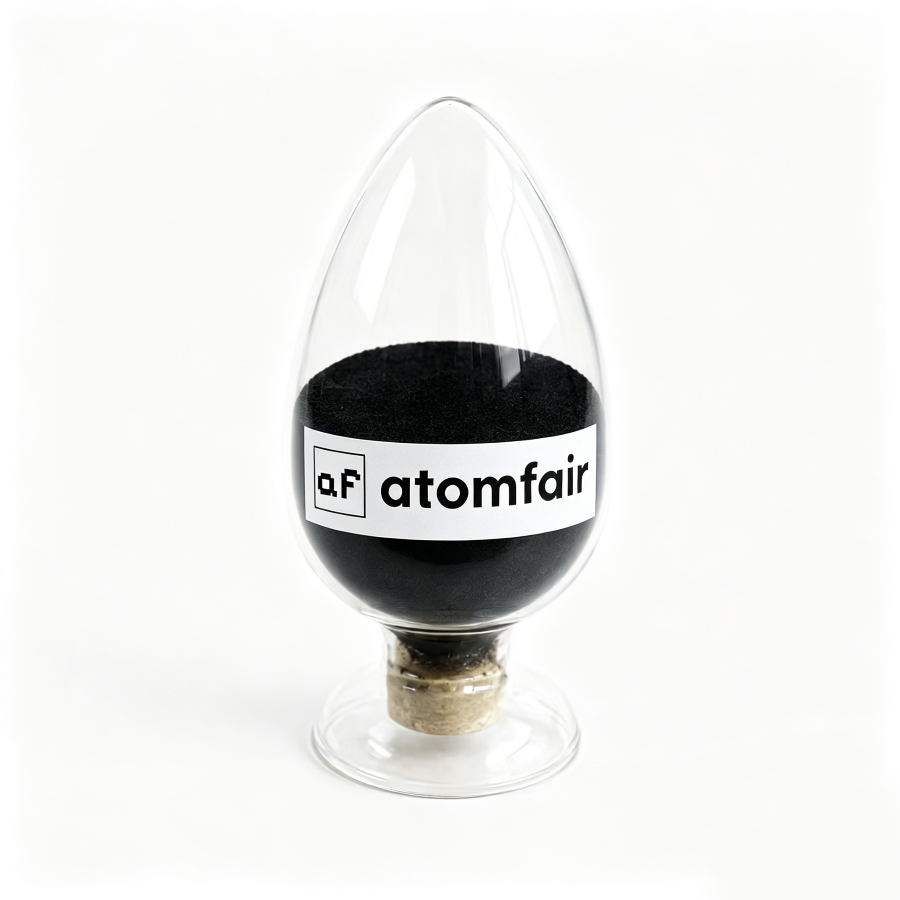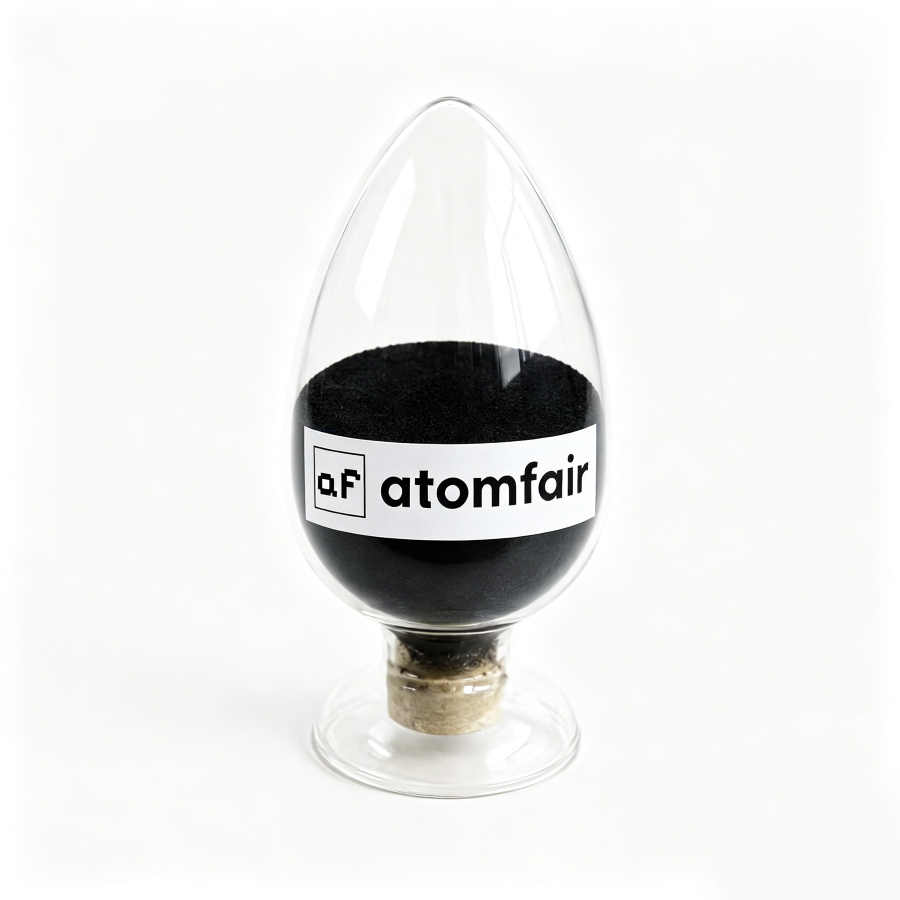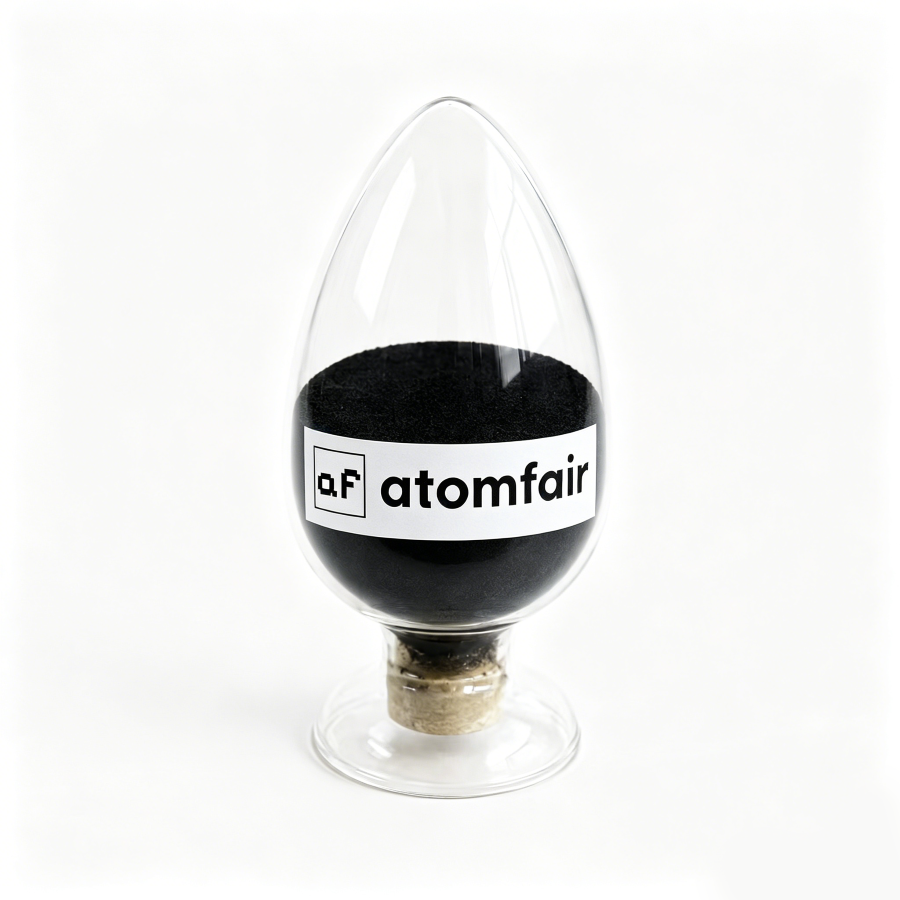
ATOMFAIR® 356 MAH/G GRAPHITE ANODE POWDERRESEARCH GRADE MATERIAL
|
|||||||||||||||||||||||||||||||||||||||||||||
|
|||||||||||||||||||||||||||||||||||||||||||||
|
TAILORED SOLUTIONS FOR RESEARCH
Contact our engineering team for technical support or official institutional quotations.
EMAIL: INQUIRY@ATOMFAIR.COM
|
|||||||||||||||||||||||||||||||||||||||||||||
|
Manufacturer: ATOMFAIR LLC
Brand: ATOMFAIR®
|
|||||||||||||||||||||||||||||||||||||||||||||
This synthetic graphite anode powder requires strict moisture control during storage and handling to maintain ≤0.05% water content. The material is optimized for use with CMC/SBR binder systems and within a 5 mV to 2 V potential window.
- Moisture Sensitivity: Store in a dry environment (≤0.05% H2O) to prevent moisture uptake and maintain electrochemical performance.
- Binder Compatibility: Use with CMC/SBR binder systems to achieve optimal electrode cohesion and cycling stability.
- Voltage Window: Operate within 5 mV to 2 V potential window to avoid degradation or lithium plating.
How do the tight particle size distribution tolerances (D50 12.4±2.0 μm) and specific surface area (1.55±0.40 m²/g) of this 356 mAh/g graphite anode powder minimize electrochemical variability in comparative cell testing?
The tightly controlled particle size distribution (D10: 6.4±2.0 μm, D50: 12.4±2.0 μm, D90: 22.1±3.0 μm) combined with a low BET specific surface area of 1.55±0.40 m²/g ensures consistent electrode packing density and minimized side reactions. This yields a first discharge capacity of 356.0 ± 3.0 mAh/g with first coulombic efficiency ≥92.0%, making the powder an ideal baseline control for eliminating electrochemical variable noise in next-generation anode research.
Is this artificial graphite anode powder certified for use with CMC/SBR binder systems only, or can it be integrated with PVDF-based electrode formulations?
The powder's 356.0 ± 3.0 mAh/g first discharge capacity and ≥92.0% first coulombic efficiency are validated under a CMC/SBR binder system in CR2430 coin cells at 0.1C-0.01C rates. While PVDF formulations are possible, the certified performance metrics were obtained with the CMC/SBR system; researchers should expect deviations in initial efficiency and capacity when using alternative binders unless recalibrated.
What storage and handling precautions are necessary to maintain the ≤0.05% moisture content and prevent Fe contamination in this artificial graphite anode powder?
The material ships with moisture ≤0.05% (coulometric titration) and Fe ≤30 ppm (ICP). To preserve these specifications, the powder should be stored in a sealed, dry, inert atmosphere such as an argon-filled glovebox or vacuum desiccator. Exposure to ambient humidity can raise moisture content, reducing first coulombic efficiency below the ≥92.0% threshold, while direct contact with ferrous tools risks exceeding the 30 ppm Fe impurity limit.
This artificial graphite anode powder offers a consistent 356 mAh/g capacity with high purity (Fe ≤30 ppm, magnetic impurities ≤2 ppm) and controlled particle size distribution (D50 12.4 μm). It is best suited as a research-grade baseline for Li-ion battery anode testing, though its irregular morphology and dependency on specific binder/electrolyte systems require careful process optimization.
Positive
- High specific capacity and efficiency: First discharge capacity of 356.0 ± 3.0 mAh/g with ≥92% initial coulombic efficiency ensures consistent energy storage and minimal irreversible loss.
- Exceptional purity and low contaminants: Trace element and magnetic impurity levels are tightly controlled (Fe ≤30 ppm, S ≤50 ppm, magnetic impurities ≤2 ppm), reducing parasitic side reactions and enhancing long-term cycle stability.
Trade-offs
- Irregular particle morphology: The irregular synthetic graphite particle shape may lead to non-uniform slurry rheology and electrode density variations during coating, requiring optimized formulation parameters.
- Performance validated under specific test conditions: Capacity and efficiency are measured using CR2430 coin cells with CMC/SBR binder at low C-rates (0.1C-0.01C); actual performance may vary with different cell formats, binders, or cycling rates.
Every advanced material, component, equipment, and instrument in our catalog is backed by rigorous testing. We maintain strict internal quality management frameworks and align with CE conformity metrics to deliver transparent, reproducible performance data via our public open-science repository.
To request raw batch performance data, submit formal vendor registration paperwork, or execute a fast-turnaround R&D manufacturing loop, contact us at inquiry@atomfair.com.
Item is dispatched under the Atomfair Shipping & Delivery Framework (Free worldwide shipping on orders over $59 USD excl. heavy equipment). Return is governed by the Atomfair Return & Refund Policy (7-day technical return window).