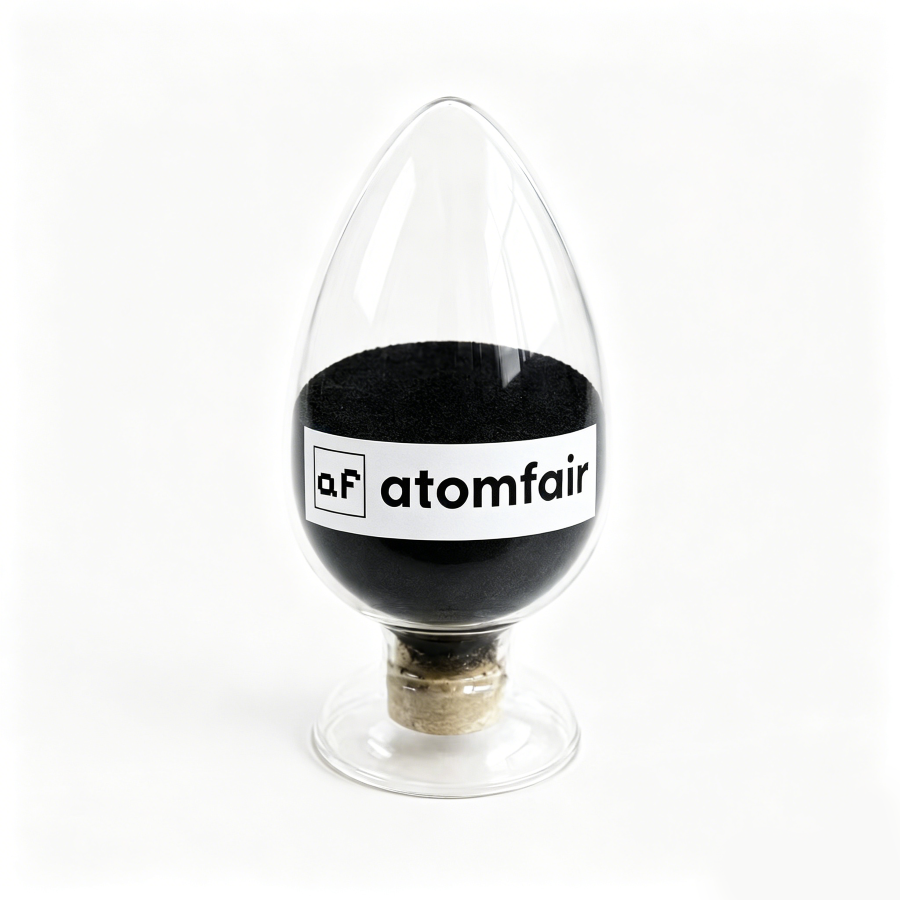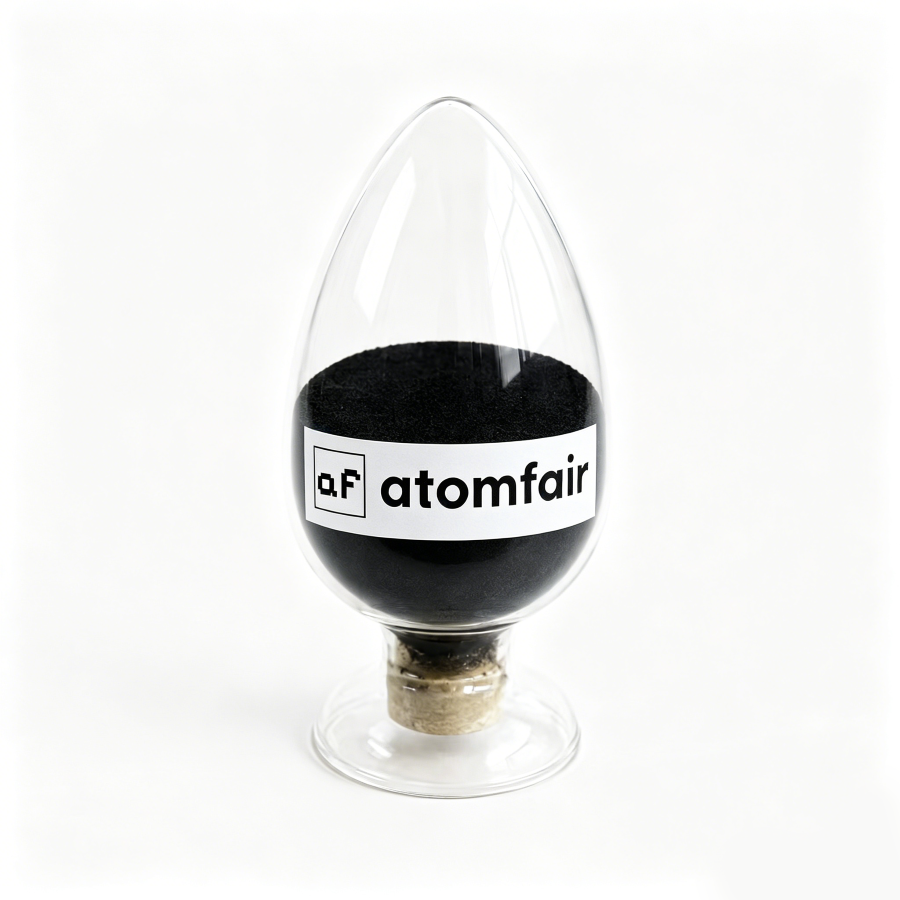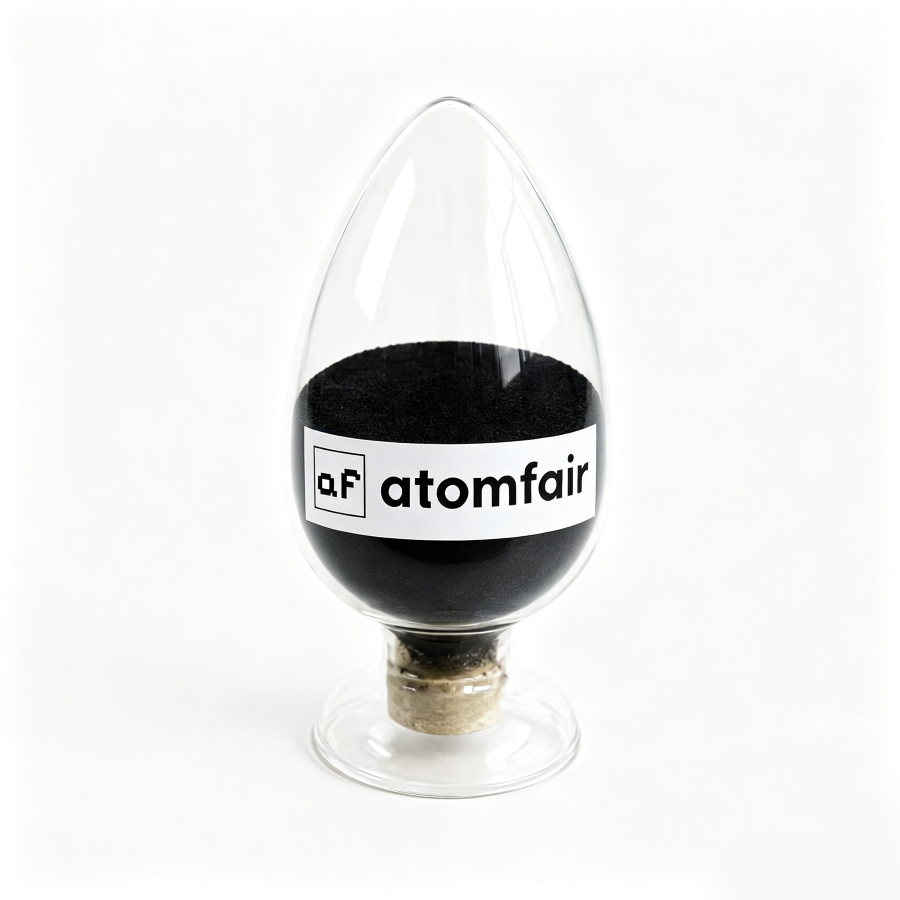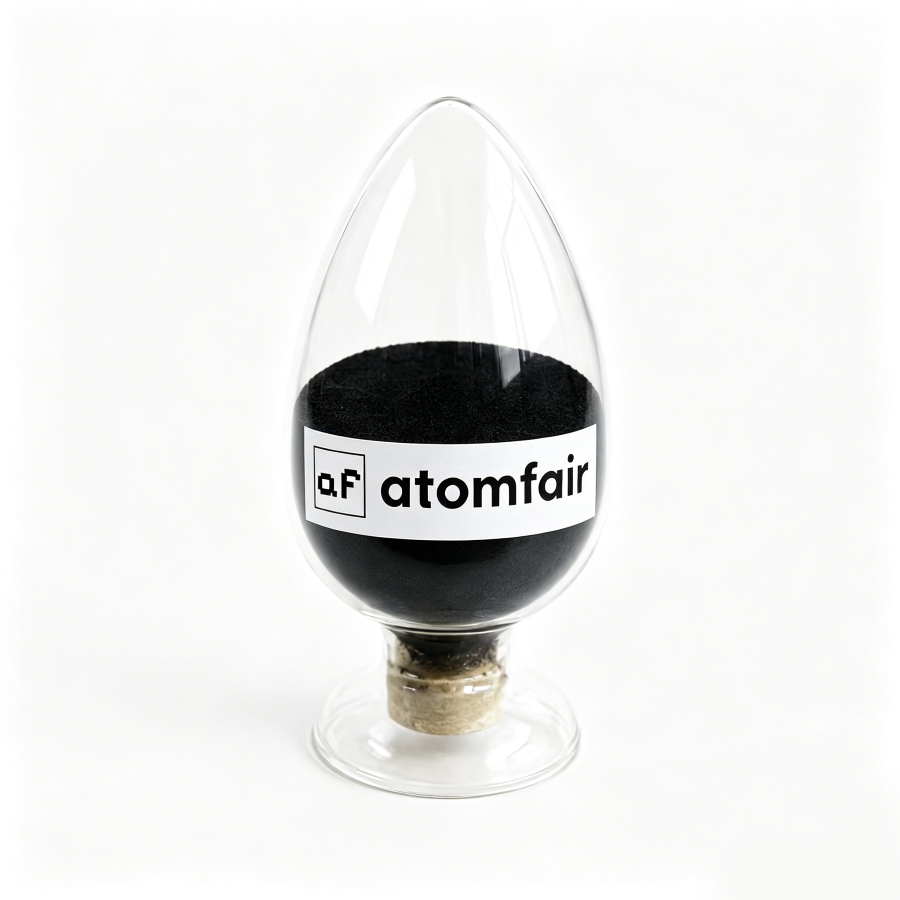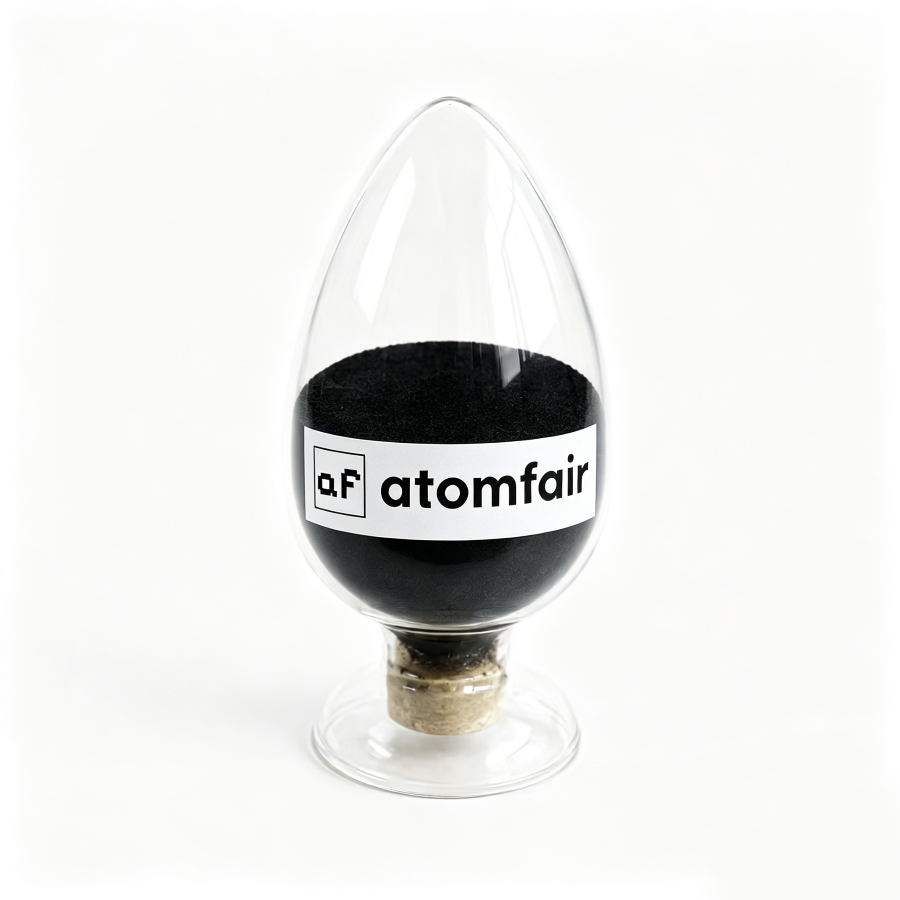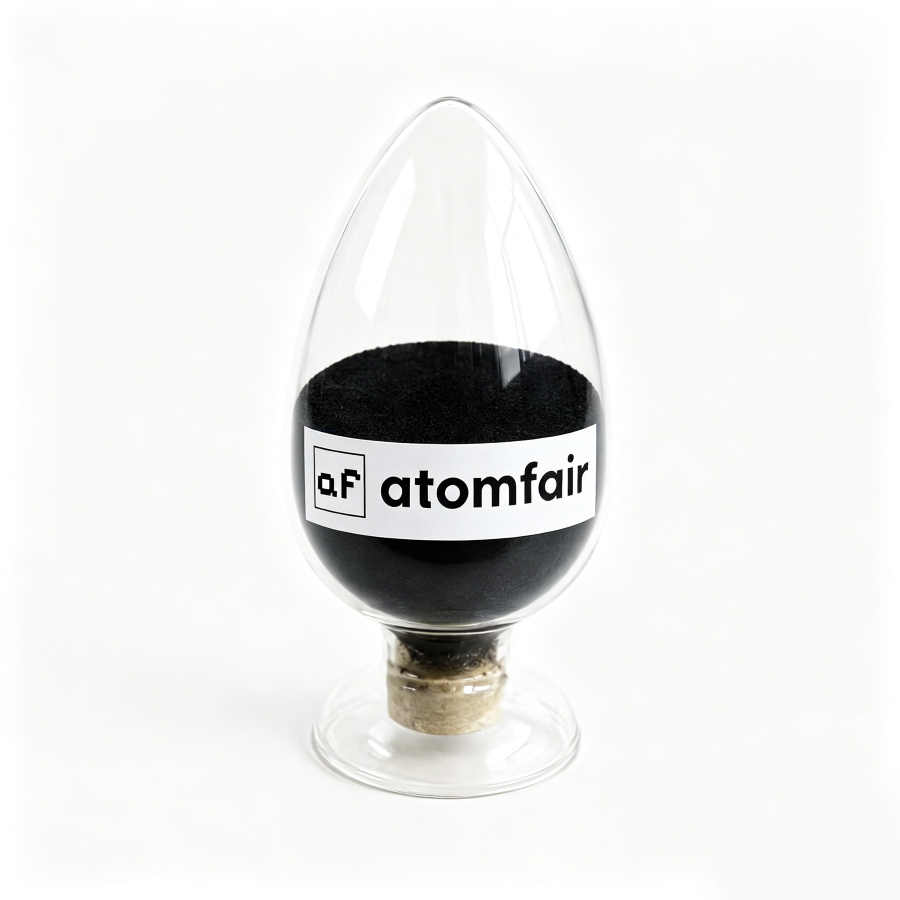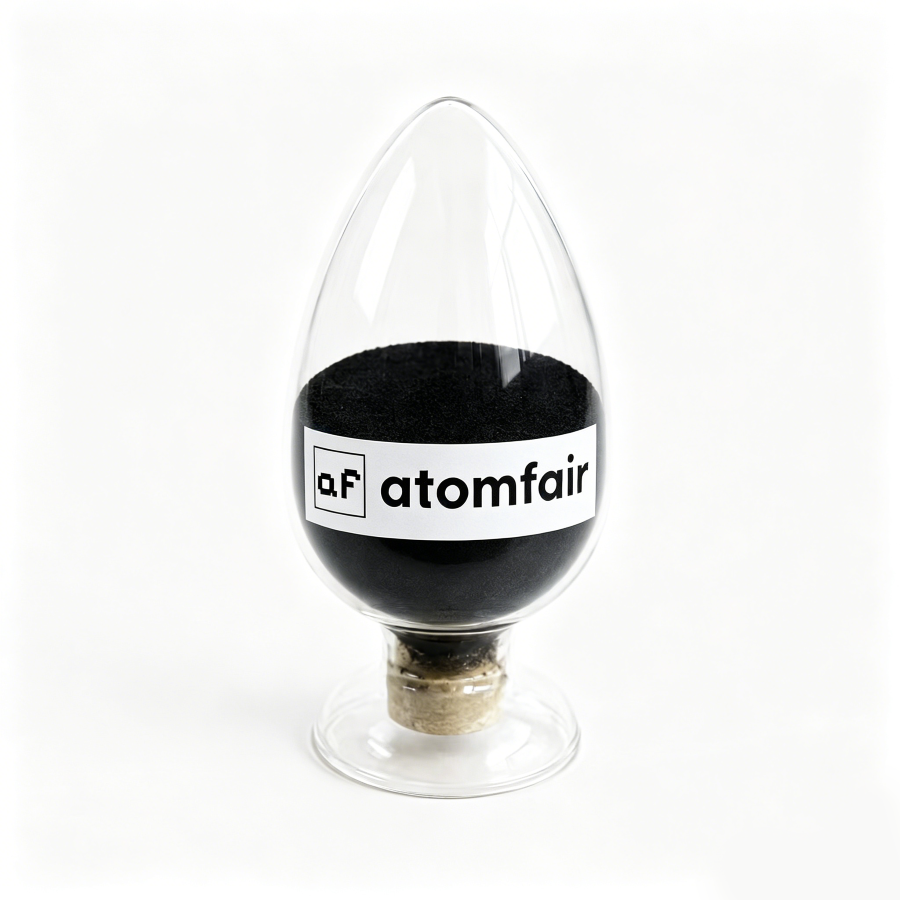
ATOMFAIR® 1800 MAH/G HIGH-EFFICIENCY NANO SILICON CARBON POWDERRESEARCH GRADE | HIGH-EFFICIENCY ANODE
|
|||||||||||||||||||||||||||||||||||||||||||
|
|||||||||||||||||||||||||||||||||||||||||||
|
TAILORED SOLUTIONS FOR RESEARCH
Contact our engineering team for technical support or official institutional quotations.
EMAIL: INQUIRY@ATOMFAIR.COM
|
|||||||||||||||||||||||||||||||||||||||||||
|
Manufacturer: ATOMFAIR LLC
Brand: ATOMFAIR®
|
|||||||||||||||||||||||||||||||||||||||||||
The powder must be compacted at 20 MPa to achieve valid resistivity and density measurements. Reversible capacity values are defined under specific voltage cut-off conditions of 2V and 0.8V.
- Compaction Requirement: The material requires compaction at 20 MPa to attain specified powder resistivity and compacted density.
- Voltage Cut-off Dependency: Capacity parameters are valid only under strict voltage cut-off conditions of 2V and 0.8V.
How does the first cycle efficiency of this nano silicon-carbon anode differ at 2V vs 0.8V cut-off voltages?
The first cycle efficiency exceeds 92% at a 2V cut-off, but at a 0.8V cut-off, the cycle efficiency drops to over 84%. This difference reflects increased irreversible capacity from deeper lithiation, which is critical for researchers calibrating voltage windows in half-cell electrolyte screening.
What is the specific application for this anode material in battery research?
This material is engineered for core electrolyte validation testing, eliminating chemical variables that obscure electrolyte performance due to inconsistent anode quality. Its high first cycle efficiency (>92%) and reversible capacity (>1800 mAh/g at 2V cut-off) ensure robust baseline control for evaluating electrolyte additives and formulations.
What compaction pressure is required to achieve the specified powder resistivity and density for this anode material?
The powder resistivity (<1.0 Ω·cm) and compacted density (1.0–1.3 g/cm³) are measured at 20 MPa, which serves as a reference for calendering forces during electrode fabrication. Achieving these values at 20 MPa ensures optimal electronic conductivity and mechanical stability in the final electrode.
This nano silicon-carbon anode powder offers an extreme reversible capacity of >1800 mAh/g and first-cycle efficiency >92% at 2V cut-off, but performance is voltage-sensitive and low powder resistivity is specified only at 20MPa compaction, imposing processing constraints.
Positive
- Extreme reversible capacity: Delivers >1800 mAh/g at 2V cut-off, nearly five times the theoretical capacity of graphite, for high-energy-density anode formulations.
- High first-cycle efficiency: First-cycle efficiency exceeds 92% at 2V cut-off, significantly reducing irreversible lithium loss during SEI formation and extending capacity retention.
Trade-offs
- Voltage cut-off sensitivity: At 0.8V cut-off, first-cycle efficiency drops to >84% and capacity to >1600 mAh/g, requiring precise voltage management to achieve the highest efficiency claims.
- Compaction pressure dependency: Powder resistivity <1.0 Ω·cm is measured at 20MPa; achieving this low electronic impedance in electrodes demands consistent high-pressure calendering during fabrication.
Every advanced material, component, equipment, and instrument in our catalog is backed by rigorous testing. We maintain strict internal quality management frameworks and align with CE conformity metrics to deliver transparent, reproducible performance data via our public open-science repository.
To request raw batch performance data, submit formal vendor registration paperwork, or execute a fast-turnaround R&D manufacturing loop, contact us at inquiry@atomfair.com.
Item is dispatched under the Atomfair Shipping & Delivery Framework (Free worldwide shipping on orders over $59 USD excl. heavy equipment). Return is governed by the Atomfair Return & Refund Policy (7-day technical return window).