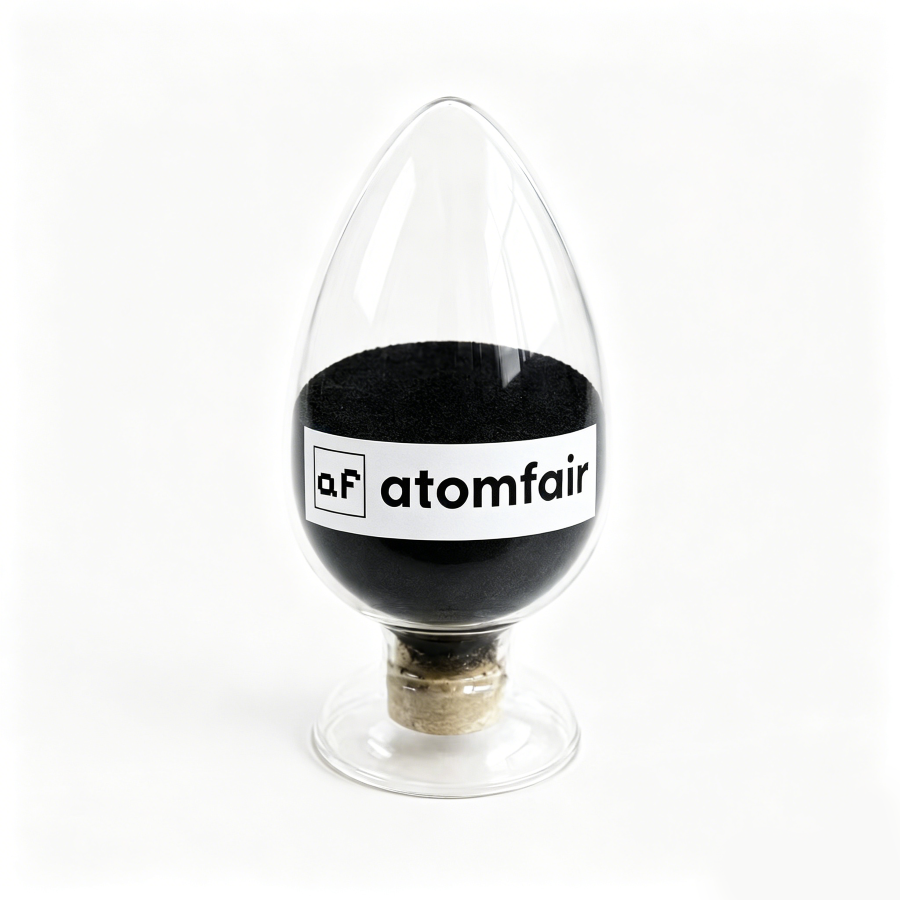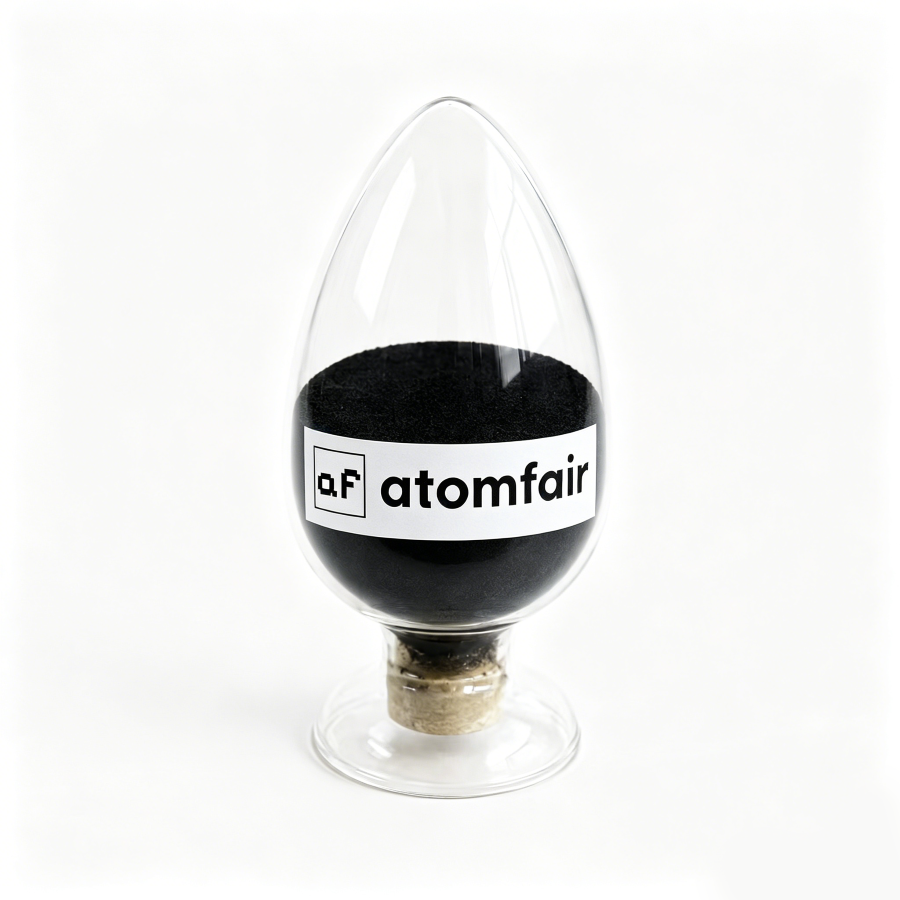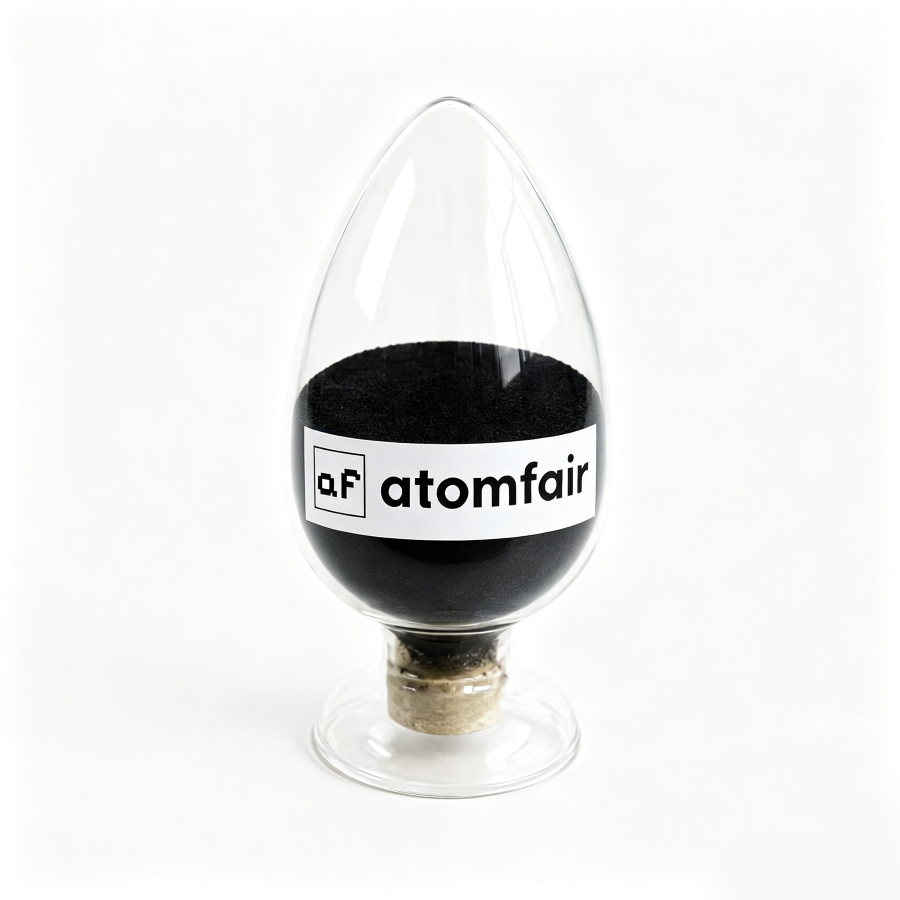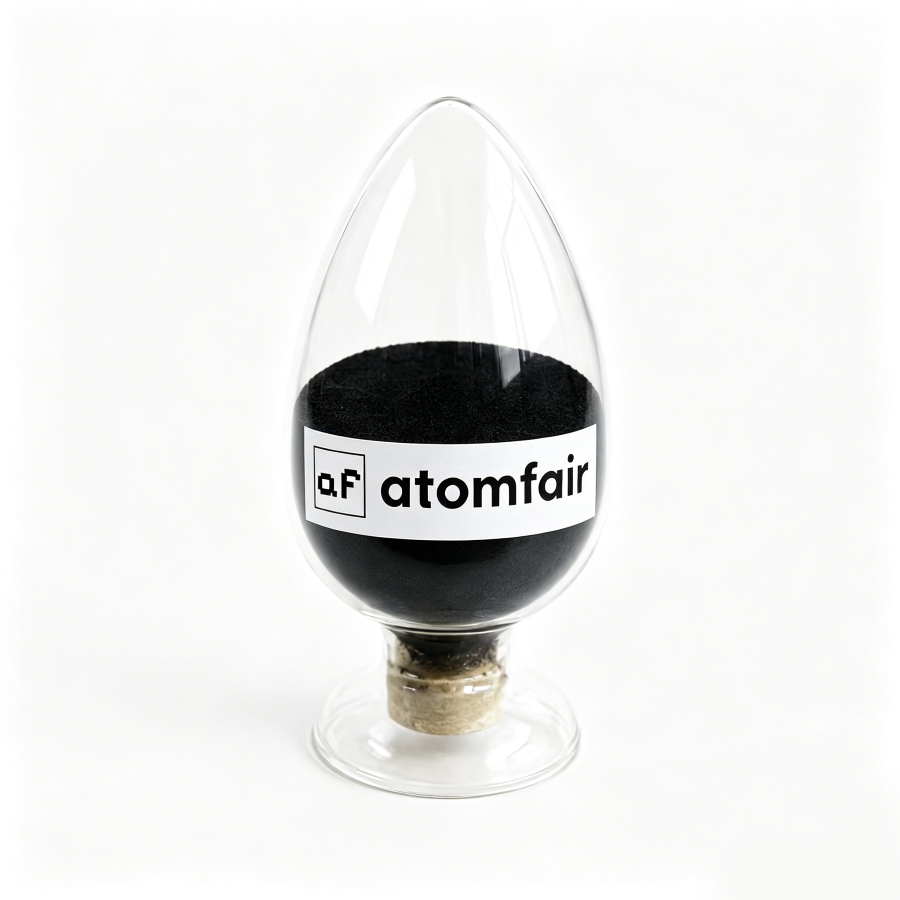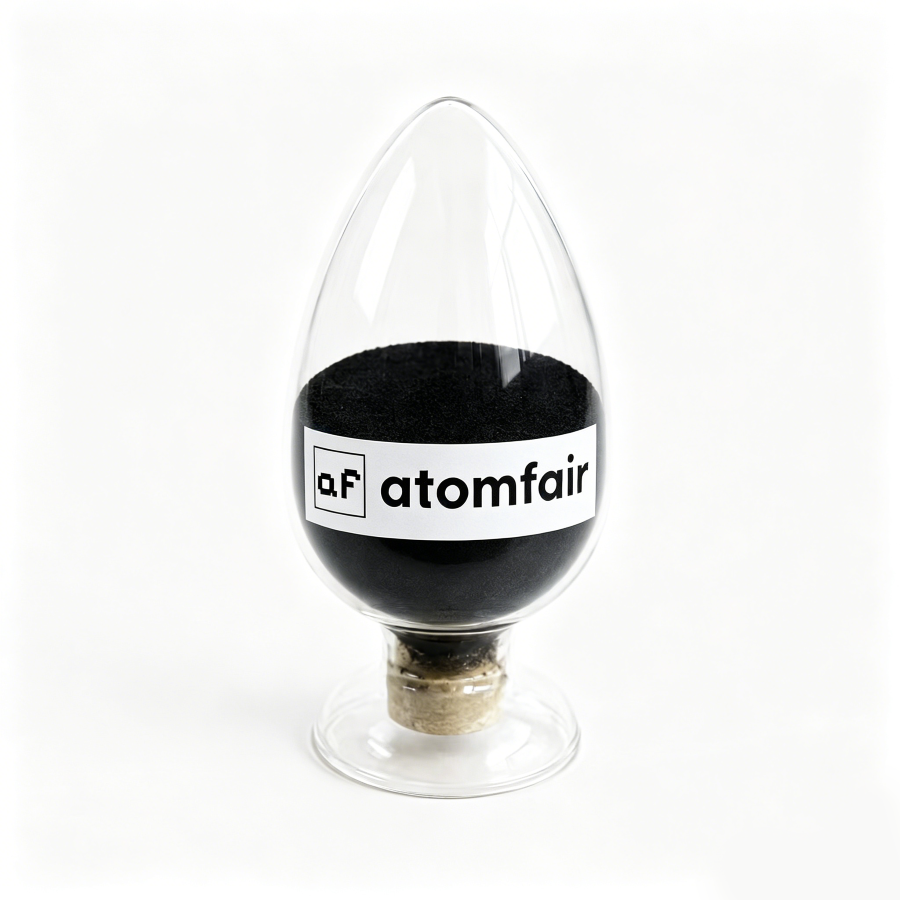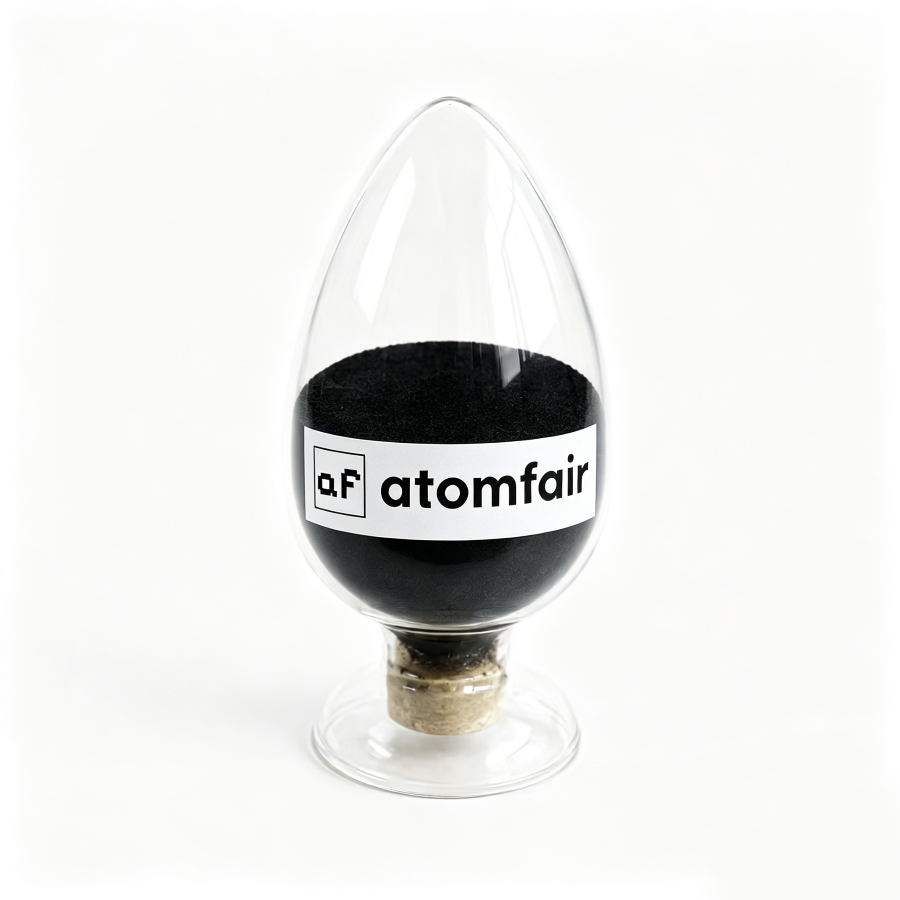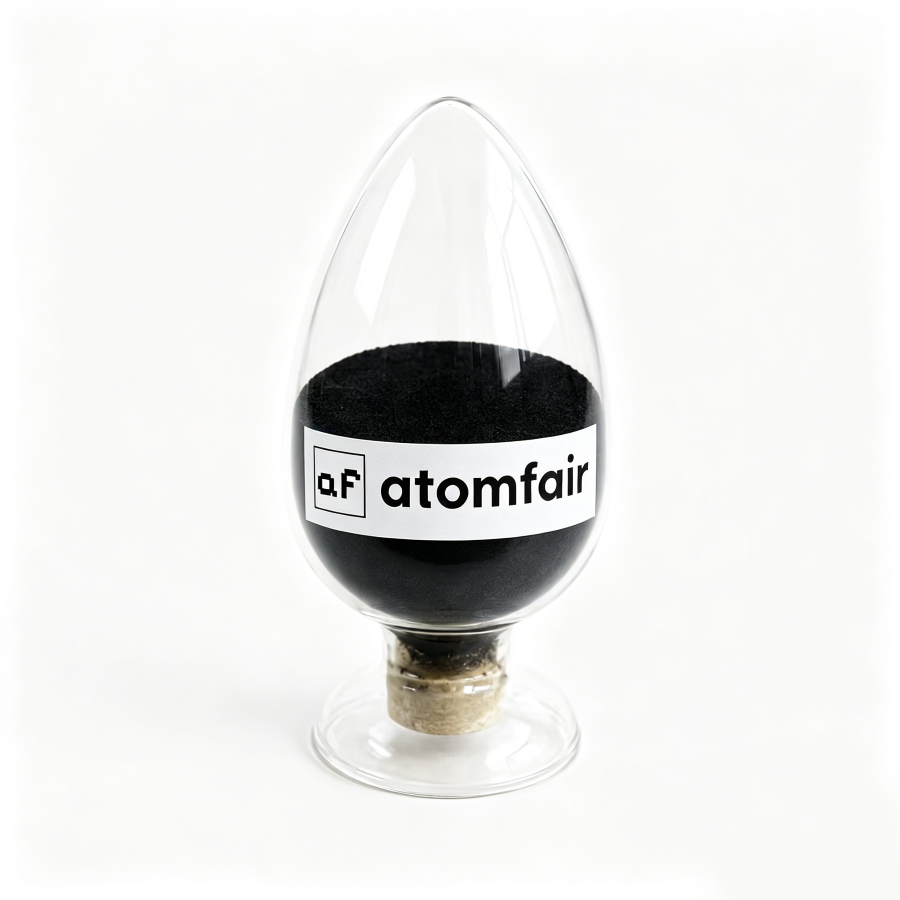
ATOMFAIR® 1350 MAH/G SILICON GRAPHITE COMPOSITE POWDERRESEARCH GRADE | SILICON-GRAPHITE HYBRID ANODE
|
|||||||||||||||||||||||||||||||||||||||||||
|
|||||||||||||||||||||||||||||||||||||||||||
|
TAILORED SOLUTIONS FOR PRODUCTION
Contact our engineering team for technical support or official production quotations.
EMAIL: INQUIRY@ATOMFAIR.COM
|
|||||||||||||||||||||||||||||||||||||||||||
|
Manufacturer: ATOMFAIR LLC
Brand: ATOMFAIR®
|
|||||||||||||||||||||||||||||||||||||||||||
How does the cutoff voltage affect the reversible capacity and first cycle efficiency of this silicon-graphite composite anode?
At a 2V cutoff, the material delivers a reversible capacity of 1564 mAh/g with a first cycle efficiency of 93.94%, whereas at a 0.8V cutoff the reversible capacity drops to 1352 mAh/g with an efficiency of 81.21%. Operating at a higher cutoff voltage reduces irreversible lithium loss and improves coulombic utilization but sacrifices maximum capacity. The 0.8V cutoff more closely represents practical full-cell operating conditions, making it the appropriate benchmark for application-specific evaluations.
How does the narrow particle size distribution of this powder influence slurry coating uniformity and electrode calendering?
With a D50 of 7.914 μm, D10 of 5.208 μm, D90 of 12.366 μm, and an ultra-narrow span of 0.90, the powder ensures exceptional slurry consistency and prevents handling segmentation during coating. This promotes uniform cavity filling and enables higher active film calendering density, as evidenced by the tap density of 1.02 g/cm³ and compacted density of 1.01 g/cm³ at 20 MPa. The tight particle size control directly reduces electrode irregularities and improves cycle-to-cycle reproducibility.
What calendering pressure is recommended to achieve optimal electrode conductivity and density with this silicon-graphite composite powder?
The powder is characterized at a compaction pressure of 20 MPa, yielding a compacted resistivity of 0.64 Ω·cm and a compacted density of 1.01 g/cm³, indicating that this pressure level is appropriate for calendering. Operating near 20 MPa minimizes active cell impedance while achieving sufficient electrode density for high-rate performance. Exceeding this pressure may risk particle fracture or excessive densification, while lower pressures reduce conductivity and volumetric energy density.
Atomfair's 1350 mAh/g silicon-graphite composite anode powder delivers a reversible capacity of 1352 mAh/g at 0.8V with a narrow particle span of 0.90 and compacted resistivity of 0.64 Ω·cm, ensuring slurry uniformity and low cell impedance for electrolyte validation studies. However, the 81.21% first cycle efficiency at 0.8V cutoff and reliance on matrix shielding for silicon volume expansion control impose electrode design constraints for low-voltage or high-cycling applications.
Positive
- Ultra-narrow particle size distribution: The span of 0.90 ensures exceptional slurry uniformity and prevents segregation during handling, enabling consistent electrode coating.
- Low compacted resistivity enhances conductivity: At 0.64 Ω·cm, the powder resistivity reduces active cell impedance, supporting high-rate power transfer and efficient charge-discharge.
Trade-offs
- Lower first-cycle efficiency at 0.8V cutoff: The 0.8V first cycle efficiency of 81.21% indicates substantial irreversible capacity loss compared to the 2V baseline, limiting low-voltage operation viability.
- Silicon volume expansion management required: The composite relies on integrated matrix shielding to control silicon volume expansion, necessitating careful electrode engineering to maintain structural integrity during cycling.
Every advanced material, component, equipment, and instrument in our catalog is backed by rigorous testing. We maintain strict internal quality management frameworks and align with CE conformity metrics to deliver transparent, reproducible performance data via our public open-science repository.
To request raw batch performance data, submit formal vendor registration paperwork, or execute a fast-turnaround R&D manufacturing loop, contact us at inquiry@atomfair.com.
Item is dispatched under the Atomfair Shipping & Delivery Framework (Free worldwide shipping on orders over $59 USD excl. heavy equipment). Return is governed by the Atomfair Return & Refund Policy (7-day technical return window).