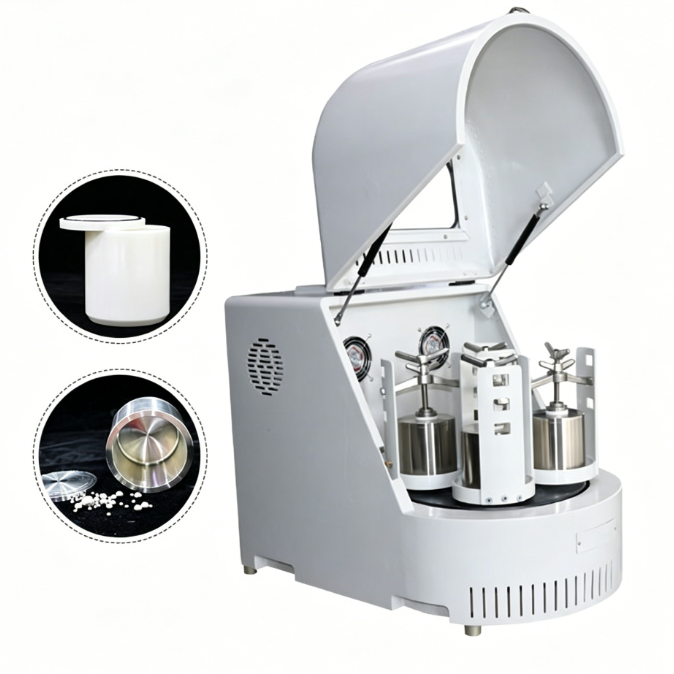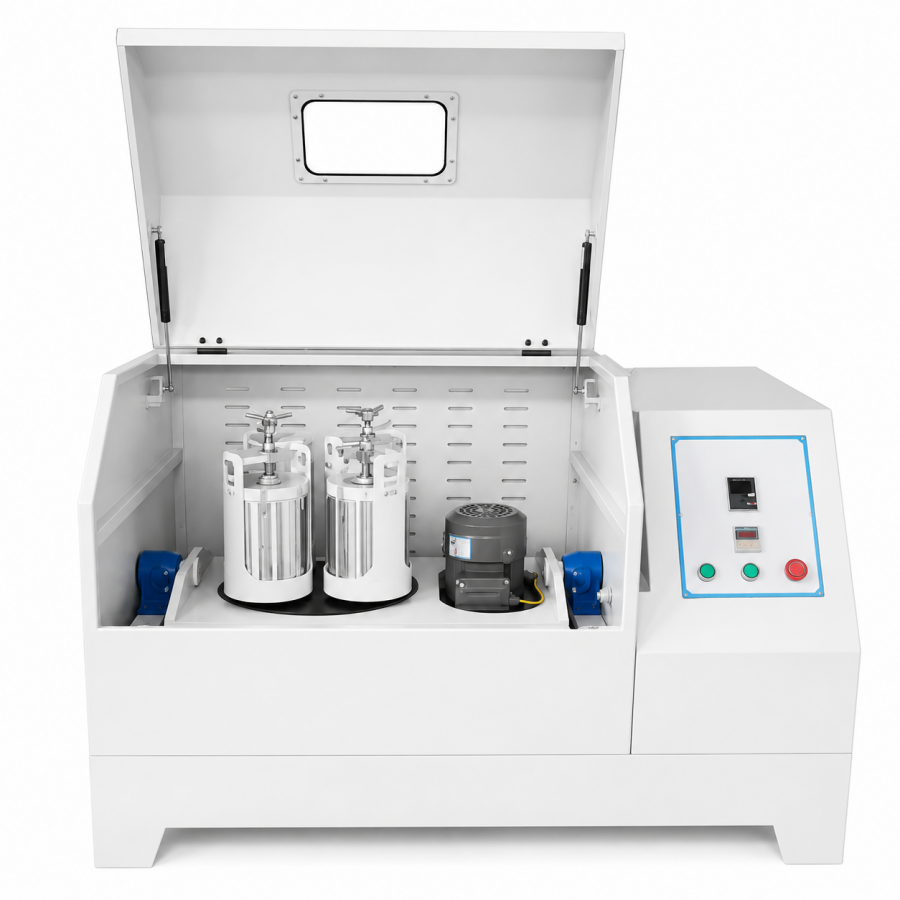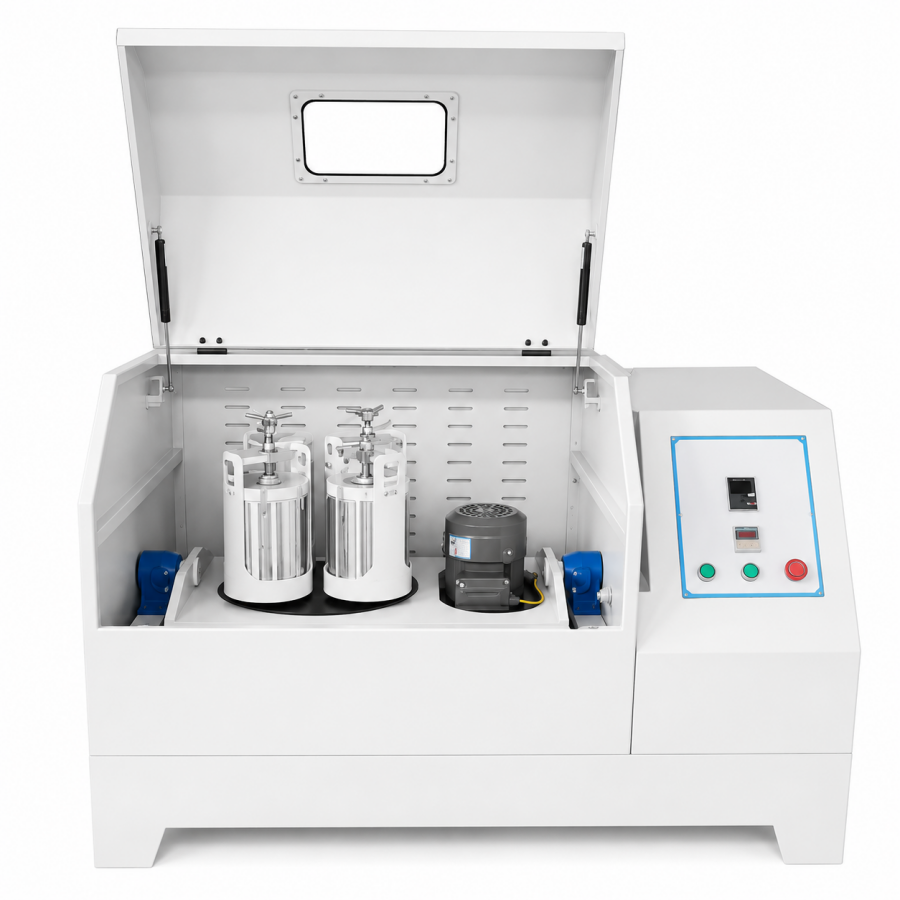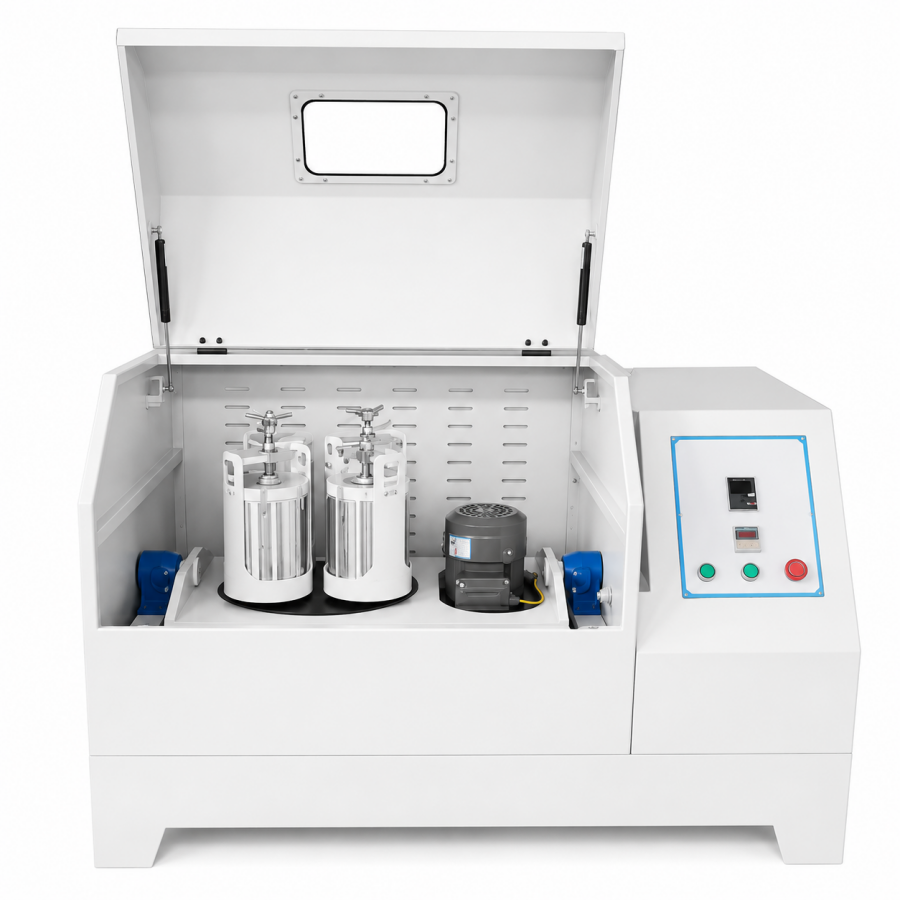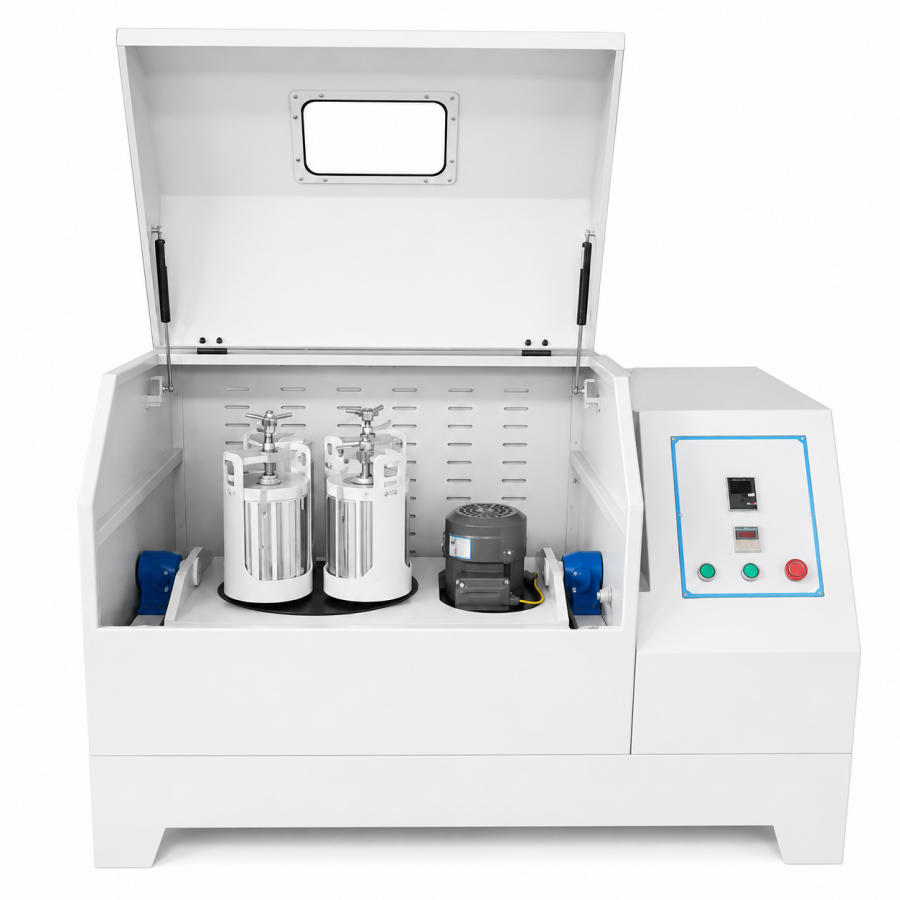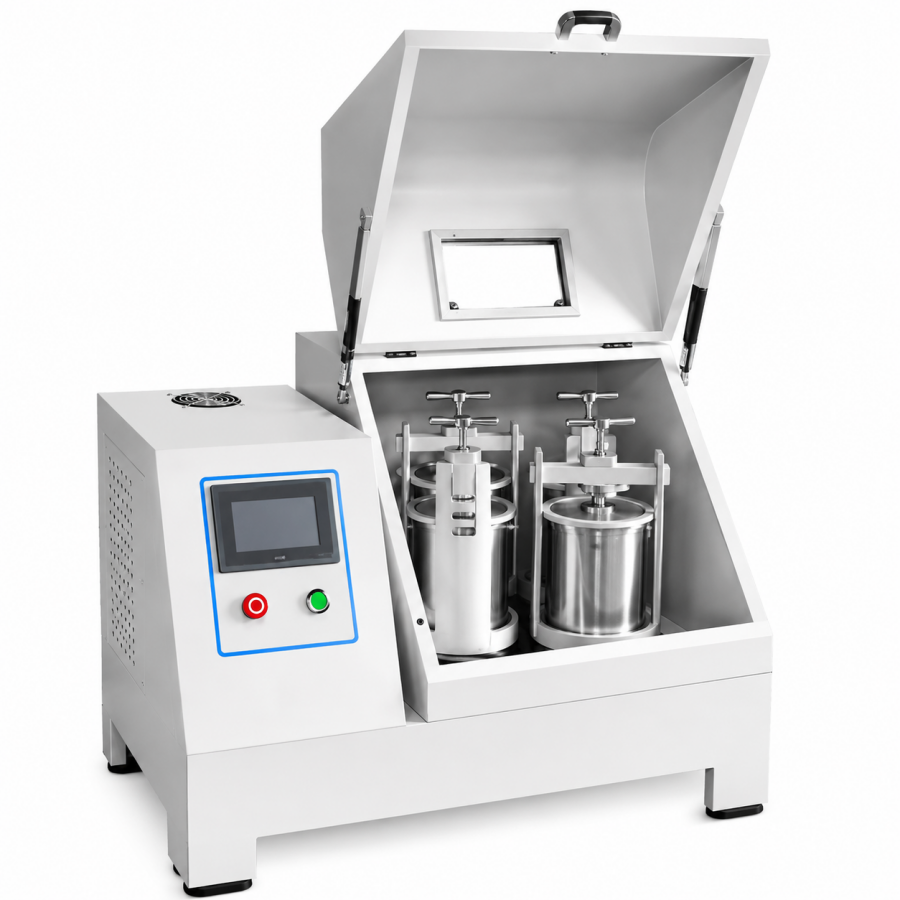
ATOMFAIR MPBM-20 TOUCHSCREEN PLANETARY BALL MILL PLC LAB GRADERESEARCH GRADE EQUIPMENT
|
|||||||||||||||||||||||||||||||||||||||||||||||||||||||||||||||||||||||||||||||||||||||||||||||||||||||||||||||||||||||||||||||||||||||||||||||||||||||||||||||||||||||||
|
|||||||||||||||||||||||||||||||||||||||||||||||||||||||||||||||||||||||||||||||||||||||||||||||||||||||||||||||||||||||||||||||||||||||||||||||||||||||||||||||||||||||||
|
TAILORED SOLUTIONS FOR RESEARCH
Contact our engineering team for technical support or official quotations.
EMAIL: inquiry@atomfair.com
|
|||||||||||||||||||||||||||||||||||||||||||||||||||||||||||||||||||||||||||||||||||||||||||||||||||||||||||||||||||||||||||||||||||||||||||||||||||||||||||||||||||||||||
|
Manufacturer: Atomfair LLC
Brand: ATOMFair®
|
The MPBM-20 is a powered mechanical mill requiring strict adherence to rotational speed limits, material compatibility, and electrical safety protocols. Operation without proper jar selection, parameter programming, and user manual guidance risks equipment damage, cross-contamination, or personal injury.
- Material Compatibility: Select jar and ball materials that are chemically compatible with the target material to avoid cross-contamination during grinding.
- Rotation Speed Limit: Operate the jar rotation speed within the specified 0–430 r/min range to prevent mechanical overload or jar instability.
- Control System Security: Use the password-protected PLC touchscreen to prevent unauthorized parameter changes and ensure reproducible grinding protocols.
- Grinding Mode Selection: Select dry, wet, or vacuum grinding mode according to the material properties and containment requirements of the jar system.
- Fault Alarm Monitoring: Monitor the automatic fault alarm system during operation and respond immediately to any detected anomalies to prevent equipment damage.
What is the maximum jar size that can be used with the MPBM-20 planetary ball mill, and how does the jar rotation speed range affect grinding performance for hard ceramic materials?
The MPBM-20 accommodates jars with an inner diameter of up to 222 mm, as specified by the jar holder inner diameter. The jar rotation speed ranges from 0 to 430 r/min, allowing precise control over grinding intensity. For hard electronic ceramics, lower speeds may be used for mixing or gentle grinding, while higher speeds maximize impact energy for particle size reduction.
Which grinding jar and ball materials are recommended for the MPBM-20 to avoid cross-contamination when processing high-purity electronic ceramics?
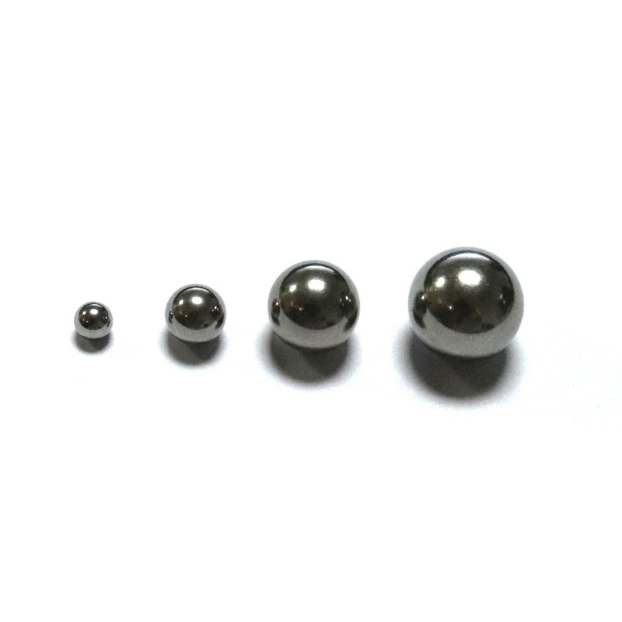
The MPBM-20 supports a wide range of jar materials including Al₂O₃ (corundum), Agate (natural SiO₂), YSZ (yttria-stabilized zirconia), WC-Co (tungsten carbide), stainless steel, polyurethane, ceramic, and nylon. Grinding balls are available in matching materials. For contamination-sensitive applications like electronic ceramics or battery materials, Al₂O₃ or YSZ jars and media are recommended to minimize metallic or other impurity introduction.
Does the MPBM-20 support vacuum or inert gas grinding, and what control features ensure reproducible grinding protocols?
Yes, the MPBM-20 supports vacuum grinding in addition to dry and wet grinding modes. The PLC touchscreen control system includes bidirectional rotation control, programmable timing, and power-off memory to retain parameters after interruption. Multi-program editing, storage, and recall enable consistent protocol execution across experiments, while real-time monitoring and automatic fault alarming enhance process security.
The ATOMFAIR MPBM-20 is a research-grade 4 kW planetary ball mill with PLC touchscreen control, 0–430 r/min jar speed, and 222 mm jar holder diameter, offering bidirectional rotation, timing, and power-off memory for reproducible dry, wet, or vacuum grinding of advanced materials including ceramics, magnetic materials, and battery components.
Positive
- PLC touchscreen with program management: The integrated capacitive touch PLC system supports password-protected access, multi-program editing with storage and recall, real-time operation monitoring, and automatic fault alarming, enhancing process security and reproducibility for multi-step grinding protocols.
- Bidirectional rotation with power-off memory: Forward and reverse rotation control with precise timing and automatic retention of operational parameters after power interruption ensures consistent grinding conditions across experimental campaigns, even in the event of an unexpected shutdown.
Trade-offs
- High unit weight and footprint: At 392 kg net weight and 1200×790×930 mm dimensions, the MPBM-20 requires substantial floor space, reinforced flooring, and mechanical handling equipment for installation, limiting deployment in smaller or multi-purpose labs.
- Grinding jars and media ordered separately: Jars and balls are not included with the main unit, requiring additional procurement and careful material compatibility selection (e.g., Al₂O₃, YSZ, agate, WC-Co) to avoid cross-contamination, adding to overall system cost and lead time.
Every advanced material, component, equipment, and instrument in our catalog is backed by rigorous testing. We maintain strict internal quality management frameworks and align with CE conformity metrics to deliver transparent, reproducible performance data via our public open-science repository.
To request raw batch performance data, submit formal vendor registration paperwork, or execute a fast-turnaround R&D manufacturing loop, contact us at inquiry@atomfair.com.
Item is dispatched under the Atomfair Shipping & Delivery Framework (Free worldwide shipping on orders over $59 USD excl. heavy equipment). Return is governed by the Atomfair Return & Refund Policy (7-day technical return window).