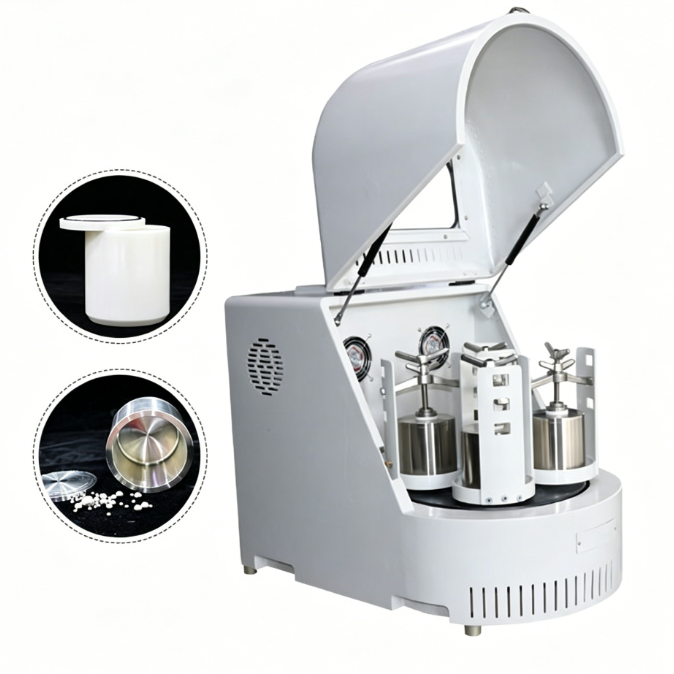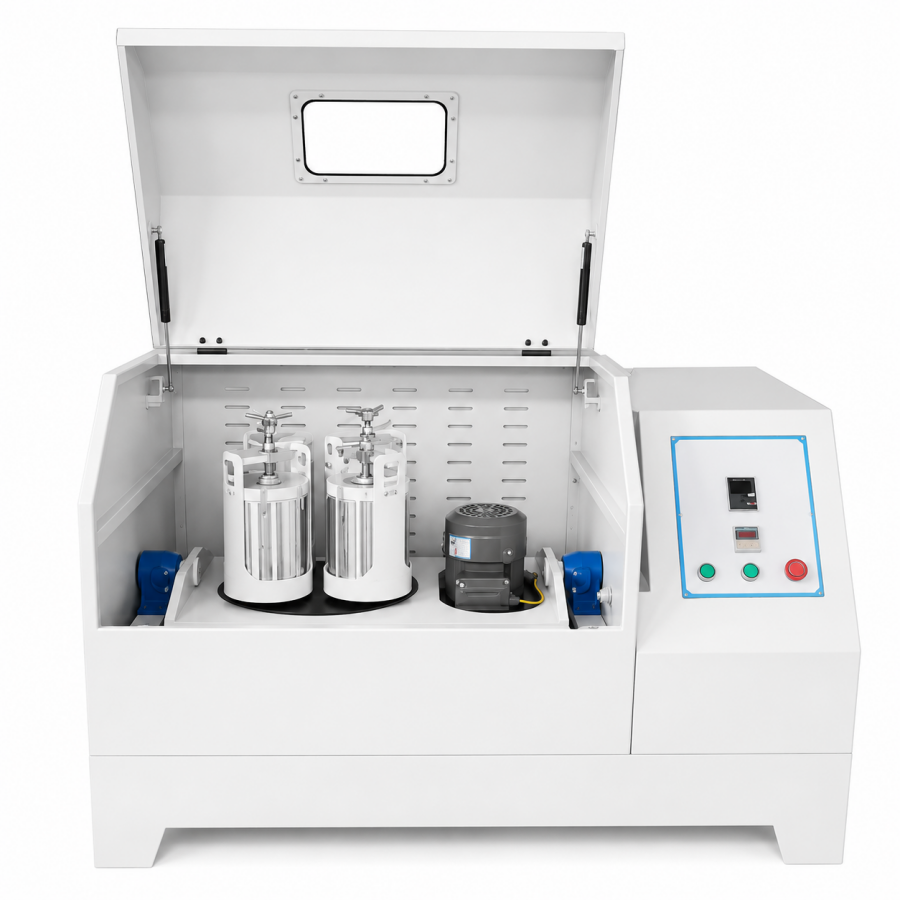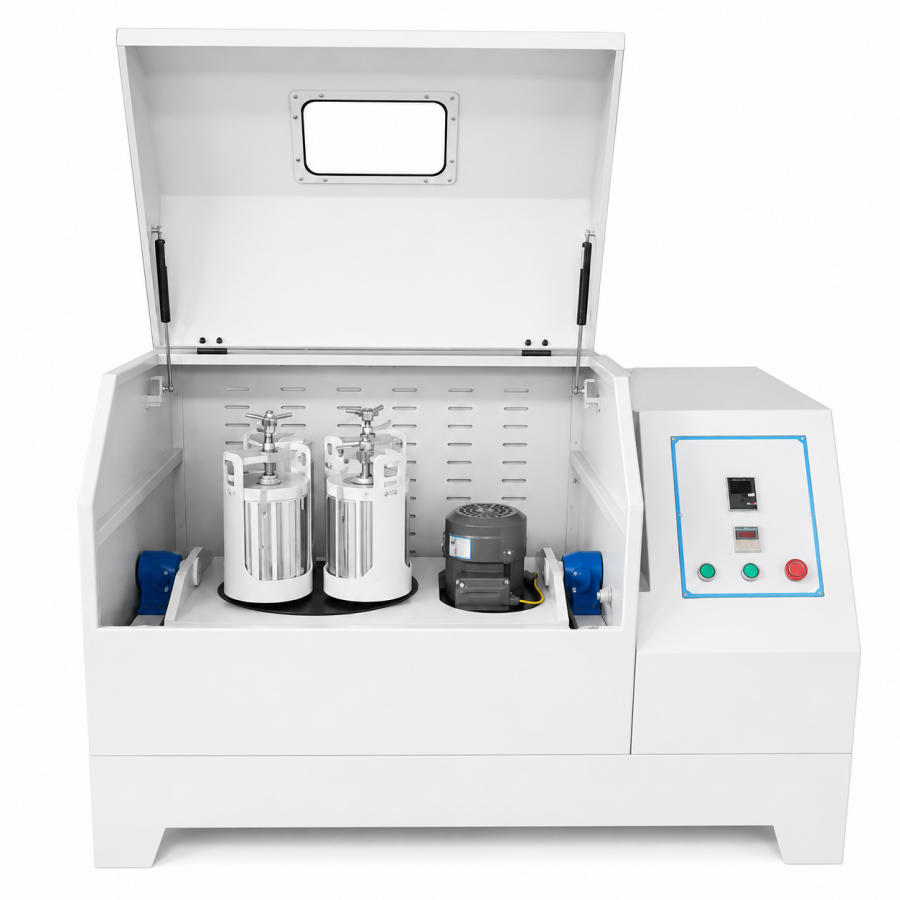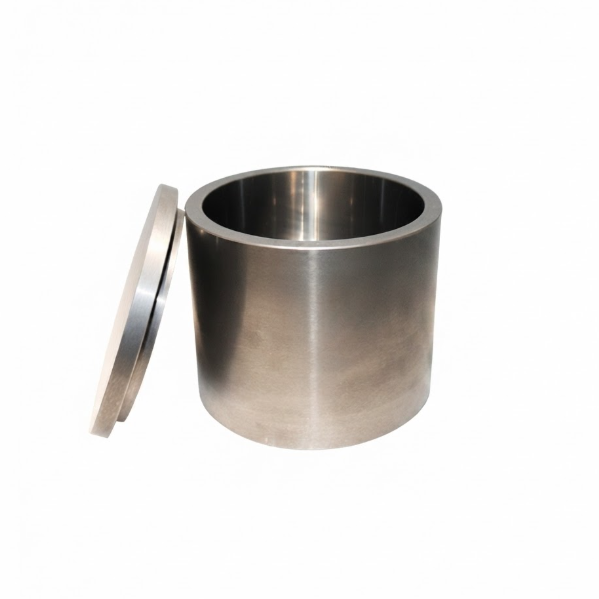
WC-CO TUNGSTEN CARBIDE PLANETARY MILL JAR 50ML-25L HRA 93 NANO GRINDRESEARCH GRADE MATERIAL
|
|||||||||||||||||||||||||||||||||||||||||||||||||||||||||||||||||||||||||||||||||||||||||||||||||||||||||||||||||||||||
|
|||||||||||||||||||||||||||||||||||||||||||||||||||||||||||||||||||||||||||||||||||||||||||||||||||||||||||||||||||||||
|
TAILORED SOLUTIONS FOR RESEARCH
Contact our engineering team for technical support or official quotations.
EMAIL: inquiry@atomfair.com
|
|||||||||||||||||||||||||||||||||||||||||||||||||||||||||||||||||||||||||||||||||||||||||||||||||||||||||||||||||||||||
|
Manufacturer: Atomfair LLC
Brand: ATOMFAIR®
|
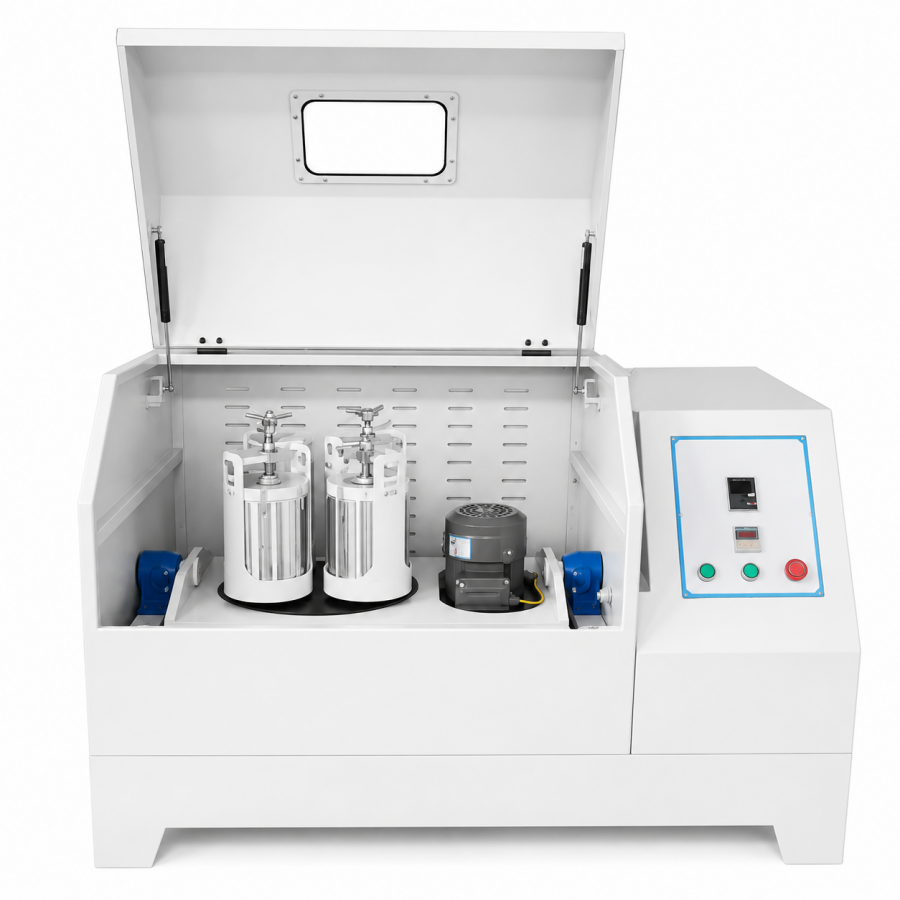
This jar is exclusively for use in vertical planetary ball mills and must be paired with same-grade WC-Co cemented carbide grinding balls. It is not compatible with hydrofluoric acid, concentrated strong alkali, or materials sensitive to trace tungsten and cobalt contamination such as lithium battery cathodes and high-purity electronic ceramics.
- Compatible Equipment: This jar is designed for vertical planetary ball mills only and must not be used in roller jar mills.
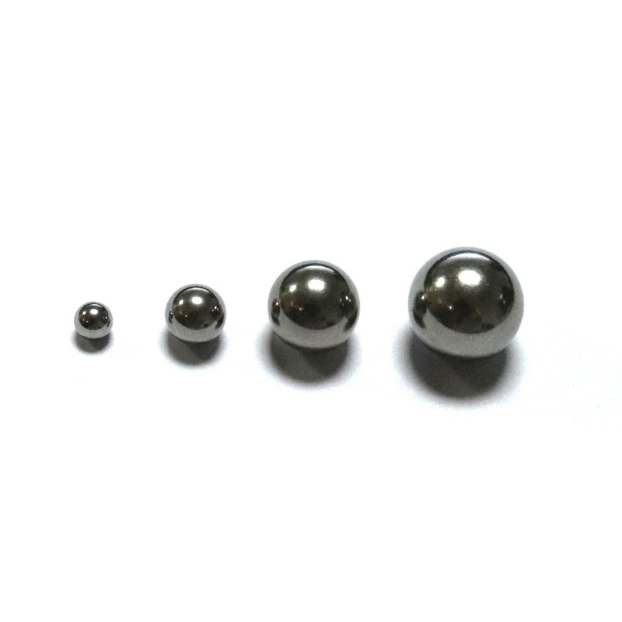
- Grinding Media Pairing: Only WC-Co cemented carbide grinding balls of the same grade are permitted; other ball materials will scratch the jar inner wall and cause sample contamination.
- Prohibited Applications: The jar is prohibited for lithium battery materials, high-purity electronic ceramics, and trace element detection samples due to unavoidable trace tungsten and cobalt release.
- Chemical Stability: The jar resists weak acids, weak alkalis, and most organic solvents but must not be used with hydrofluoric acid or concentrated strong alkali for long-term immersion.
- Thermal and Mechanical Handling: Avoid rapid thermal shock such as direct water cooling after high-temperature grinding and prevent severe impact or dropping which can cause hidden cracks and eventual fracture.
Why does the WC-Co jar's density of 14.5–15.0 g/cm³ provide superior grinding performance for ultra-hard materials compared to zirconia or alumina jars?
The WC-Co jar's density is 2.5× that of zirconia, 4× that of alumina, and nearly 2× that of stainless steel, generating maximum kinetic energy during planetary high-speed impact crushing. This enables nano-scale grinding of diamond, SiC, B₄C, and cBN that conventional ceramic jars cannot achieve. The mirror-polished non-stick interior with zero porosity ensures clean material discharge and easy cleaning.
What are the mandatory grinding media pairing requirements and prohibited applications for the WC-Co planetary mill jar?
Only WC-Co cemented carbide grinding balls may be used; any lower-hardness media (zirconia, alumina, stainless steel, agate) will severely scratch the jar inner wall and cause massive sample contamination. The jar is strictly prohibited for lithium battery materials (NCM/LFP), high-purity electronic ceramics, and trace element detection samples due to trace W and Co release. It is also incompatible with hydrofluoric acid and concentrated strong alkali systems.
What handling precautions are critical to prevent damage and contamination when using the WC-Co jar?
Avoid rapid thermal shock—direct water cooling after high-temperature grinding generates internal stress causing invisible cracking and accelerated degradation. Handle with care during transport and clamping to prevent severe impact that can produce hidden cracks leading to later fracture. Replace jars immediately if inner wall scratching, chipping, or edge spalling is observed, as tungsten and cobalt debris release increases dramatically at damage sites.
The ATOMFAIR Tungsten Carbide Planetary Ball Mill Jar (WC-Co YG8) delivers the highest density (14.5-15.0 g/cm³) among commercial grinding jars, enabling nano-scale grinding of ultra-hard materials such as diamond, SiC, and B4C. However, it mandates exclusive use of WC-Co grinding media and is unsuitable for lithium battery materials, high-purity electronic ceramics, or trace element analysis due to trace W and Co contamination, with a substantially higher initial cost than ceramic or stainless steel alternatives.
Positive
- Highest Density for Maximum Grinding Energy: Density 14.5-15.0 g/cm³ (2.5× zirconia, 4× alumina, ~2× stainless steel) provides unmatched kinetic energy for pulverizing ultra-hard materials like diamond and SiC to nanometer fineness.
- Extreme Wear Resistance and Toughness: When paired with same-grade WC-Co grinding balls, jar wall wear is negligible due to homogeneous material matching, while bending strength ≥2800 MPa prevents chipping and cracking under high-impact conditions.
Trade-offs
- Not for Lithium Battery or Trace Analysis: Trace release of W and Co during grinding contaminates lithium battery materials (NCM/LFP), high-purity electronic ceramics, and trace element detection samples, making the jar unsuitable for these applications.
- Higher Cost and Handling Precautions Required: Initial purchase cost is substantially higher than ceramic or stainless steel jars; additionally, the jar is sensitive to thermal shock and severe impact, requiring careful handling and immediate replacement if damaged.
Every advanced material, component, equipment, and instrument in our catalog is backed by rigorous testing. We maintain strict internal quality management frameworks and align with CE conformity metrics to deliver transparent, reproducible performance data via our public open-science repository.
To request raw batch performance data, submit formal vendor registration paperwork, or execute a fast-turnaround R&D manufacturing loop, contact us at inquiry@atomfair.com.
Item is dispatched under the Atomfair Shipping & Delivery Framework (Free worldwide shipping on orders over $59 USD excl. heavy equipment). Return is governed by the Atomfair Return & Refund Policy (7-day technical return window).