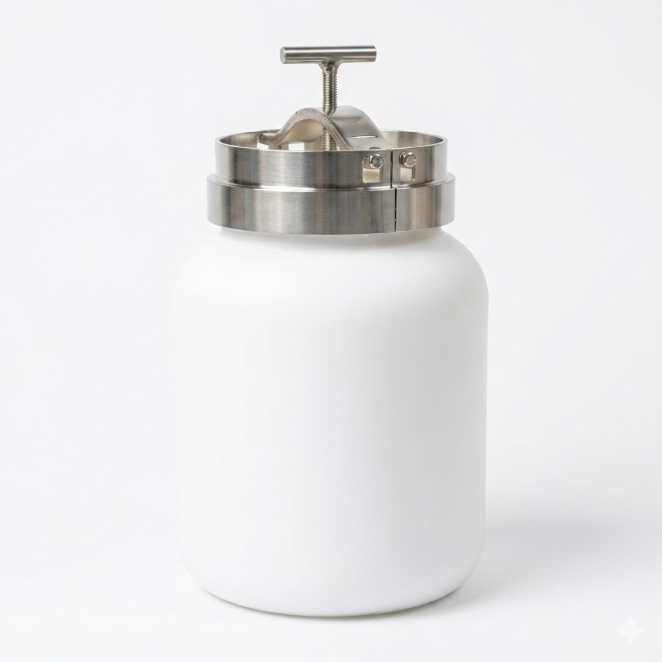
Corundum Planetary Ball Mill Jar 95% Al2O3 ATOMFAIR®

Price range: $130.00 through $497.00

Institutional Procurement & Supply Compliance: As a verified US supplier, Atomfair accepts formal institutional Purchase Orders (POs), contract billing schedules, and custom procurement loops for university and national laboratories, and corporate R&D departments globally.

95% Al2O3 corundum planetary ball mill jar, 50mL-2L, Mohs 9, 3.6-3.9 g/cm3 density, ≤1000°C long-term use. In stock.

SKU: AF-J-ALP-STD
Category:
Tags:
Brands:

CORUNDUM PLANETARY BALL MILL JAR 95% AL₂O₃ 50ML-2L MOHS 9 ISOSTATIC

RESEARCH GRADE MATERIAL

Product Overview

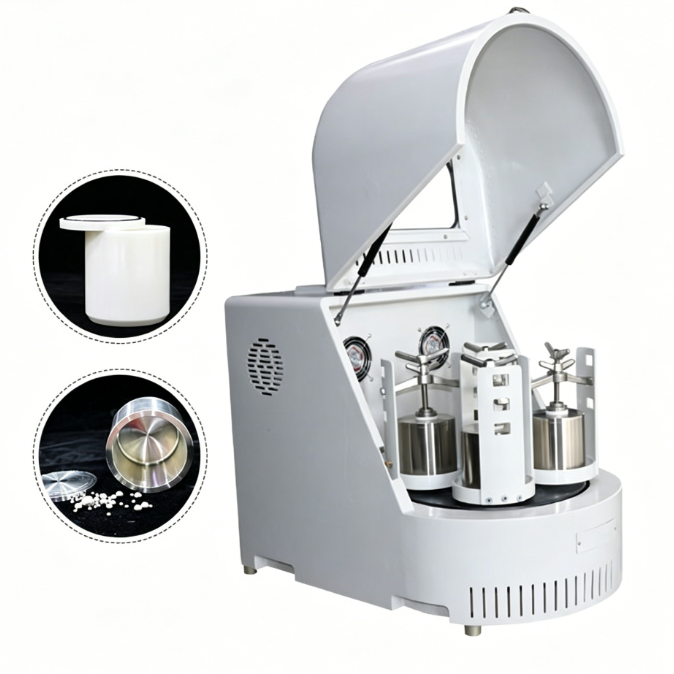
ATOMFAIR® Corundum Planetary Ball Mill Jar (95% Al₂O₃ ceramic jar) is manufactured from high-purity α-Al₂O₃ via 95% Al₂O₃ isostatic pressed 1600°C sintered integrated forming technology, delivering a fully densified, delamination-free, pore-free structure. With Mohs 9 no heavy metal contamination 1000°C performance—the highest hardness among conventional grinding jar materials—this jar is purpose-built for high-hardness mineral ultrafine grinding of quartz, feldspar, and refractory materials. The interior features a smooth arc-transition design without dead corners, preventing powder adhesion and enabling easy cleaning. The jar releases only trace aluminum elements with absolutely no iron, chromium, or nickel metal contamination. Standard volumes from 50 ml to 2 L are in stock with compatible stainless steel external clamp fixtures for mainstream vertical and horizontal planetary ball mills; 3 L, 5 L, large-capacity, and vacuum-sealed corundum jars are available upon custom order. Optimal grinding media pairing: corundum grinding balls or zirconia grinding balls (jar hardness ≥ ball hardness to prevent jar wear). This jar is not suitable for high-purity applications where aluminum impurities are unacceptable.

Technical Specifications

PARAMETER DETAILS
Material High-Purity α-Al₂O₃ (Al₂O₃ ≥ 95%); Optional: 92 / 99 Ceramic Grades
Manufacturing Process Isostatic Pressing Integrated Forming + 1600°C High-Temperature Densification Sintering
Hardness Mohs 9, HRC 80+ (Highest Among Conventional Grinding Jar Materials)
Density 3.6–3.9 g/cm³
Maximum Operating Temperature Long-Term: ≤1000°C; Short-Term: 1400°C
Wear Grade Excellent (Second Only to Zirconia Jars)
Chemical Stability Resistant to Weak Acids, Weak Alkalis, and Organic Solvents; Not Resistant to HF
Interior Structure Arc-Transition Smooth Surface, No Dead Corners, Dense Non-Stick Inner Wall
Defect Risk Brittle Ceramic; Low Impact Resistance—Cracking from Drops or Violent Impact
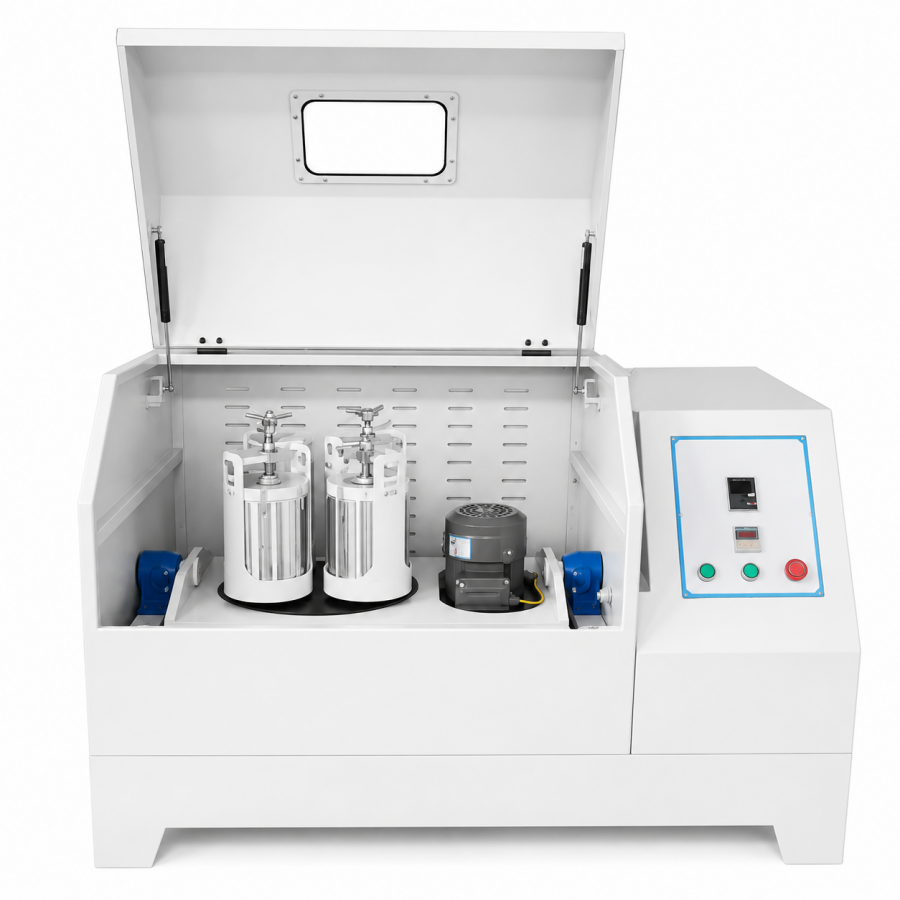
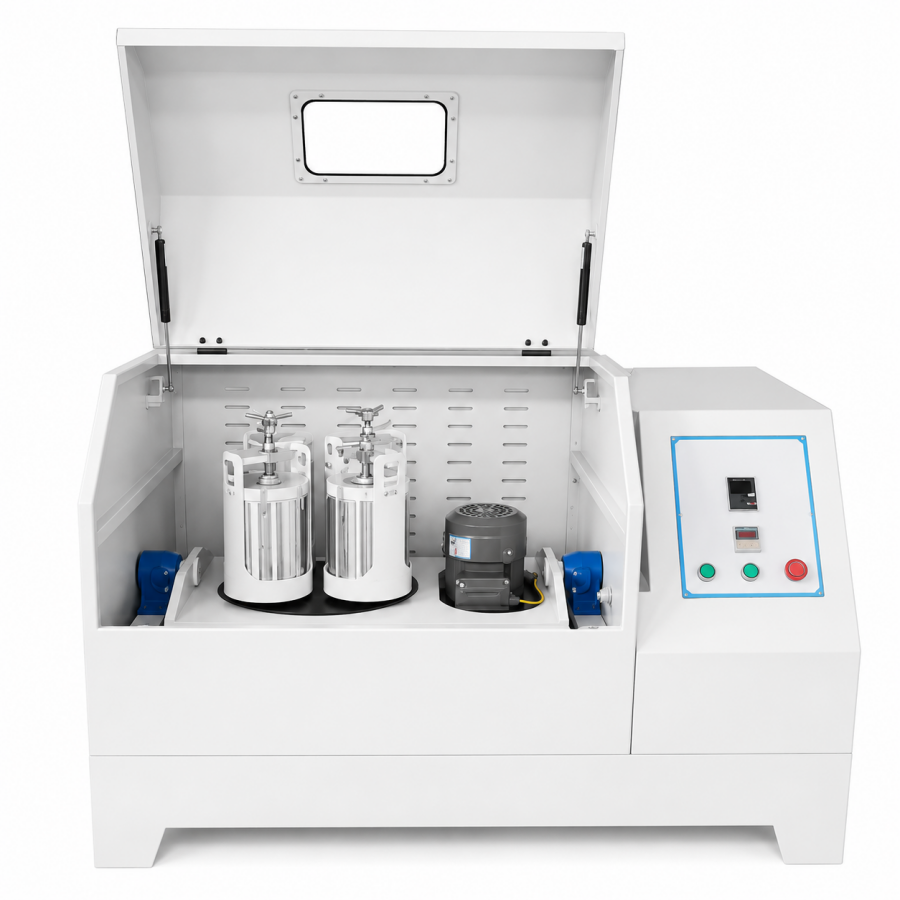
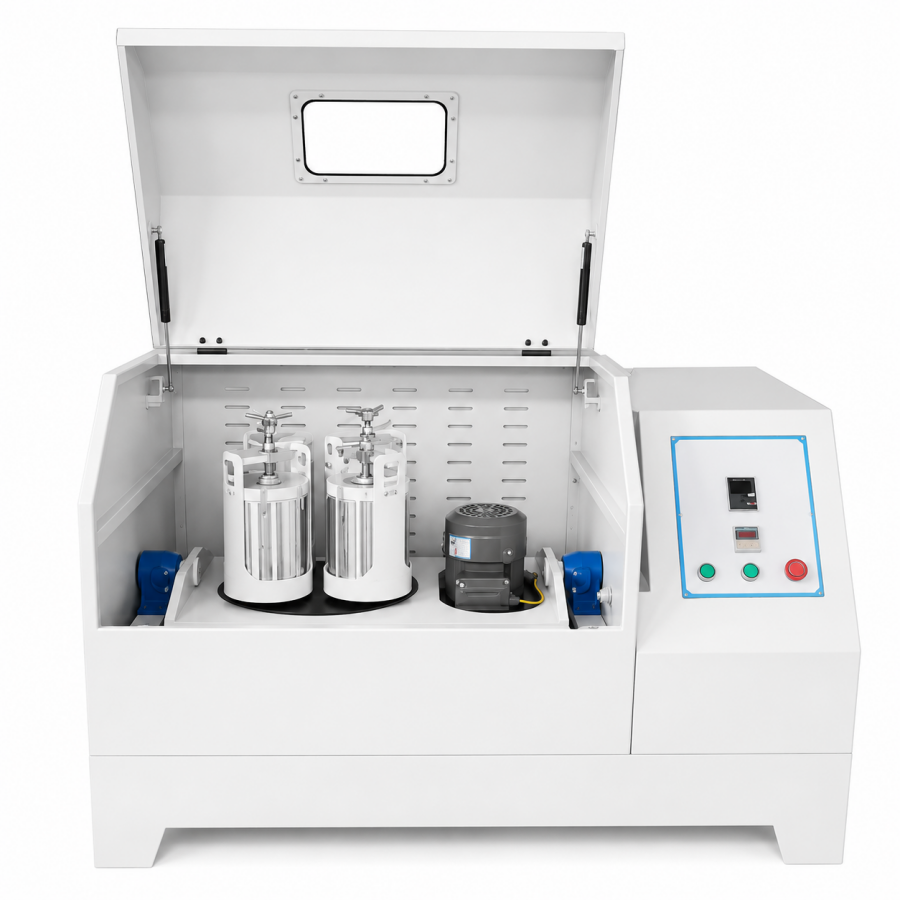
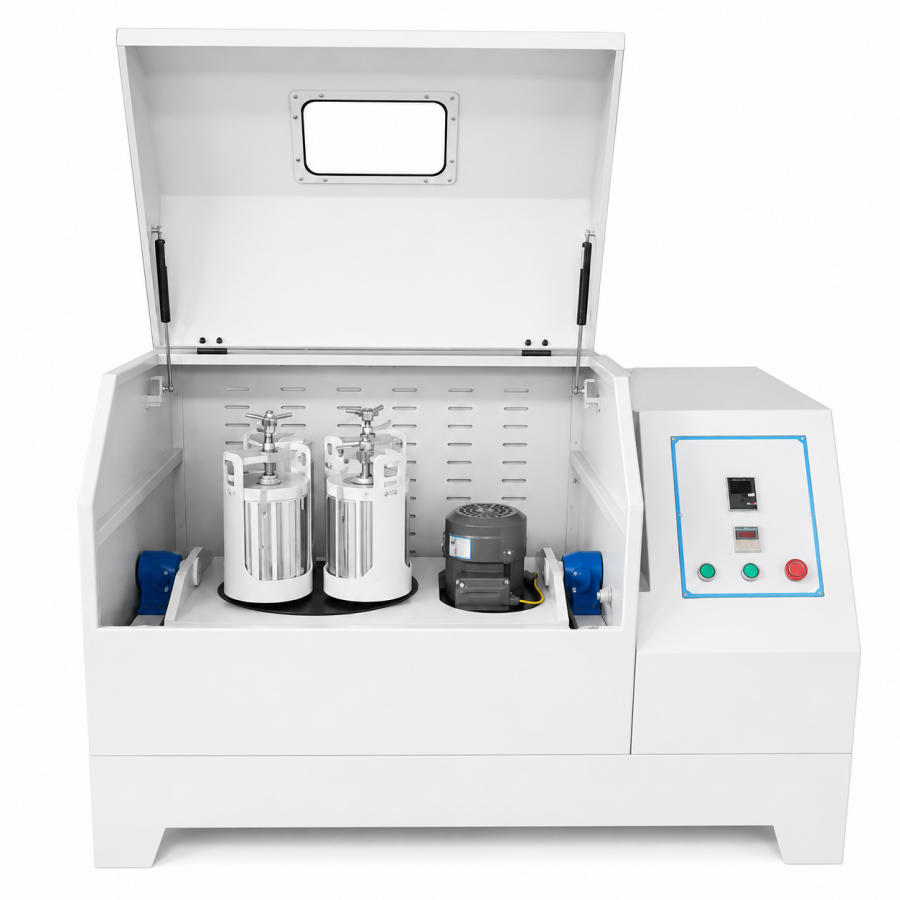
Compatible Equipment Vertical and Horizontal Planetary Ball Mills with Stainless Steel External Clamp Fixtures
Custom Configurations 3 L, 5 L, large-capacity, and vacuum-sealed corundum jars are available upon custom order. Please contact us via email at inquiry@atomfair.com.

Standard Size Specifications

NOMINAL VOLUME OUTER DIAMETER (mm) JAR BODY HEIGHT (mm)
50 ml 56 70
100 ml 70 72
250 ml 95 88
500 ml 106 112
1000 ml (1 L) 133 131
1500 ml (1.5 L) 132 141
2000 ml (2 L) 132 173

Key Features & Advantages

  • Ultra-High Hardness (Mohs 9)—Ideal for High-Hardness Mineral Grinding: Hardness exceeding agate and stainless steel ensures minimal jar wear when grinding quartz, feldspar, and refractory materials, delivering extended service life under demanding high-hardness material processing.
  • High-Temperature Stability up to 1000°C for Dry Grinding Processes: The jar maintains structural integrity and does not release impurities under high-temperature calcination and dry powder grinding conditions, supporting elevated-temperature material processing workflows.
  • Chemically Inert with Excellent Acid-Alkali Resistance: The dense sintered alumina structure resists corrosion in wet glaze and inorganic filler grinding applications, compatible with the majority of aqueous and organic slurry systems without degradation.
  • Smooth Arc-Transition Interior—No Dead Corners, Easy Cleaning: The integrated arc-molded inner wall prevents powder adhesion and material entrapment, enabling complete material discharge and simplified cleaning between different sample batches.

APPLICATION SCOPE: Ceramic and refractory industry: ceramic body materials, glazes, kaolin, quartz, feldspar, and refractory powder grinding. Building materials and minerals: calcium carbonate, talc, and various non-metallic mineral coarse and fine grinding. General chemical fillers: inorganic color powders, catalyst carriers, and general inorganic powder processing. Laboratory routine powder pretreatment: geological ordinary ores and inorganic oxides where zero aluminum impurity is not required. High-temperature powder dry grinding and pre-calcination powder refinement processes. Compatible with mainstream vertical and horizontal planetary ball mills using standard stainless steel external clamp fixtures.
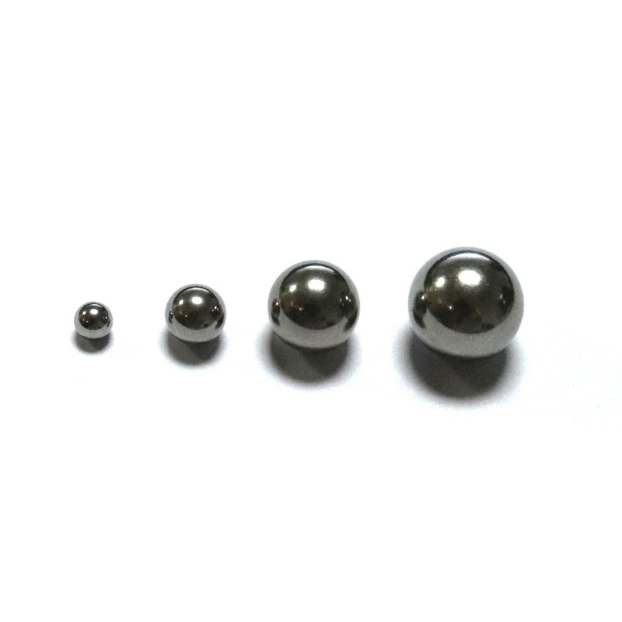
OPTIMAL GRINDING MEDIA PAIRING: Corundum grinding balls or zirconia grinding balls only (jar hardness ≥ ball hardness to prevent jar wall wear). Strictly prohibited: WC cemented carbide balls and stainless steel balls—hard metal balls will scratch and erode the corundum inner wall, generating substantial aluminum debris contamination.
IMPORTANT NOTICE: Aluminum-sensitive materials strictly prohibited: lithium battery ternary/LFP materials, MLCC high-end electronic ceramics, pharmaceutical high-purity powders, and trace element analysis samples—grinding will introduce Al impurities; use agate or zirconia jars instead. Prohibit pairing with cemented carbide or stainless steel balls for extended grinding: metal hard balls will scratch and erode the corundum inner wall, producing significant aluminum debris contamination. Only corundum and zirconia grinding balls are permitted. Strictly avoid dropping from height and violent impact: corundum has high brittleness; dropping or collision easily causes cracking and renders the jar unusable—handle with care during transport and clamping. Avoid rapid thermal shock: direct water cooling after high-temperature grinding or rapid heating during frozen grinding will create invisible internal cracks leading to later fracture. Hydrofluoric acid (HF) prohibited: HF corrodes aluminum oxide crystals, causing jar dissolution and damage with substantial aluminum impurity release into the slurry. Replace damaged jars immediately: discard jars showing inner wall cracks, ceramic spalling, or chipping—continued grinding will release large amounts of aluminum oxide powder contamination into samples. For custom volumes and vacuum jar configurations, contact us at inquiry@atomfair.com.
TAILORED SOLUTIONS FOR RESEARCH
Contact our engineering team for technical support or official quotations.
EMAIL: inquiry@atomfair.com
Manufacturer: Atomfair LLC
Brand: ATOMFAIR®

This corundum jar requires strict adherence to grinding media pairing and handling protocols to prevent contamination and catastrophic failure. Environmental constraints include avoiding thermal shock, hydrofluoric acid, and impact loads.

  • Grinding Media Pairing: Only corundum or zirconia grinding balls are permitted; cemented carbide and stainless steel balls are strictly prohibited to avoid scratching and aluminum contamination.
  • Mechanical Handling: Avoid dropping or violent impact as the brittle ceramic structure is prone to cracking from such forces.
  • Thermal Management: Rapid thermal shock, such as direct water cooling after high-temperature grinding, can cause invisible internal cracks and eventual fracture.
  • Chemical Compatibility: Hydrofluoric acid corrodes aluminum oxide crystals and must never contact the jar; weak acids, weak alkalis, and organic solvents are acceptable.
  • Inspection and Replacement: Discard jars showing inner wall cracks, spalling, or chipping immediately to prevent aluminum oxide contamination during grinding.

Safe operation of the corundum jar requires careful inspection, correct media selection, and proper clamping. Thermal management and impact avoidance are critical to prevent fracture.

Required Equipment: Planetary ball mill with stainless steel external clamp fixture

  1. Inspect the jar
    Inspect the jar for visible cracks, spalling, or chipping before each use.
  2. Select grinding media
    Confirm the grinding media is limited to corundum or zirconia balls only.
  3. Secure the jar
    Securely clamp the jar in the planetary ball mill using the standard stainless steel external fixture.
  4. Manage thermal conditions
    Avoid rapid thermal shock by not applying direct water cooling after high-temperature grinding or rapid heating from frozen conditions.

Can this corundum jar be used for grinding lithium battery cathode materials like NMC or LFP?

No, this jar is not suitable for aluminum-sensitive materials such as lithium battery ternary (NMC) or LFP materials. The product description explicitly states that grinding these materials will introduce aluminum impurities, and recommends using agate or zirconia jars instead.

What grinding media are compatible with the 95% Al₂O₃ corundum jar to prevent excessive jar wear?

Only corundum grinding balls or zirconia grinding balls are permitted. The jar hardness must be equal to or greater than the ball hardness to prevent jar wall wear. WC cemented carbide balls and stainless steel balls are strictly prohibited because they will scratch and erode the corundum inner wall, generating significant aluminum debris contamination.

What precautions are necessary to prevent cracking of the corundum jar during use?

Avoid dropping from height and violent impact, as the corundum ceramic is brittle and prone to cracking. Also avoid rapid thermal shock—direct water cooling after high-temperature grinding or rapid heating during frozen grinding can create invisible internal cracks. Hydrofluoric acid (HF) must never be used as it corrodes aluminum oxide crystals, causing jar dissolution and damage.

The Atomfair Corundum Planetary Ball Mill Jar (95% Al₂O₃, Mohs 9, isostatic pressed and sintered at 1600°C) provides high hardness and thermal stability for grinding refractory minerals and high-temperature dry processes, but carries inherent brittleness and introduces aluminum contamination that precludes use in aluminum-sensitive applications such as battery materials and high-purity ceramics.

Positive

  • Ultra-high hardness (Mohs 9): With hardness exceeding agate and stainless steel, the jar minimizes wear when grinding hard minerals like quartz, feldspar, and refractories, extending service life under demanding conditions.
  • High-temperature stability up to 1000°C: The dense sintered alumina structure maintains integrity and does not release impurities during dry grinding and calcination processes, supporting elevated-temperature material workflows.

Trade-offs

  • Brittle ceramic – low impact resistance: Corundum’s inherent brittleness means dropping or violent impact can cause cracking, requiring careful handling during transport, clamping, and operation.
  • Aluminum contamination risk for sensitive materials: Grinding releases trace aluminum impurities, making the jar unsuitable for high-purity applications such as lithium battery materials, MLCC ceramics, or pharmaceutical powders where zero aluminum is required.

Every advanced material, component, equipment, and instrument in our catalog is backed by rigorous testing. We maintain strict internal quality management frameworks and align with CE conformity metrics to deliver transparent, reproducible performance data via our public open-science repository.

To request raw batch performance data, submit formal vendor registration paperwork, or execute a fast-turnaround R&D manufacturing loop, contact us at inquiry@atomfair.com.

Item is dispatched under the Atomfair Shipping & Delivery Framework (Free worldwide shipping on orders over $59 USD excl. heavy equipment). Return is governed by the Atomfair Return & Refund Policy (7-day technical return window).
Volume

50ml, 100ml, 250ml, 500ml, 1000ml, 2000ml

Related Products