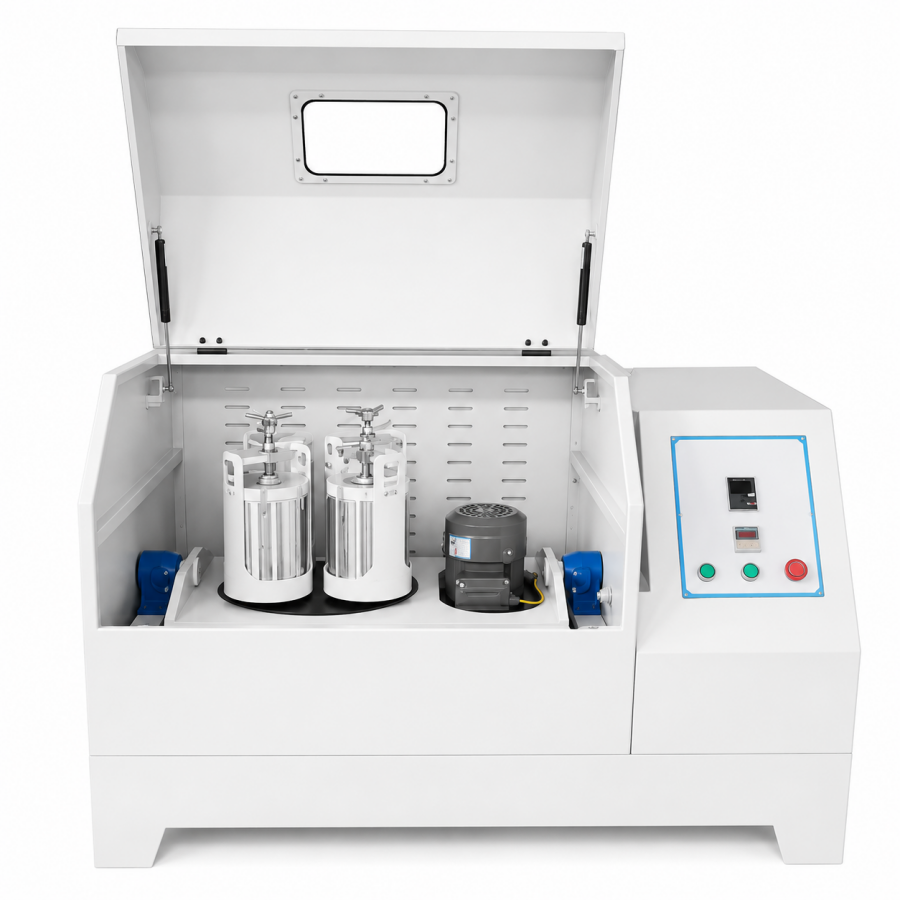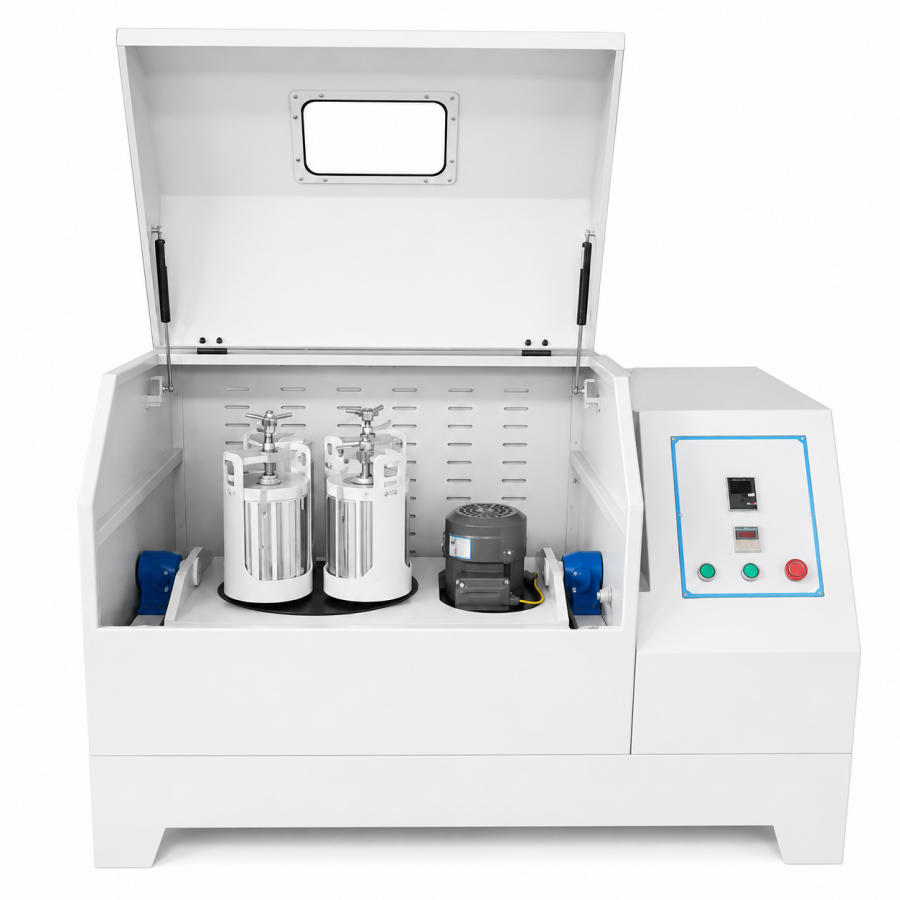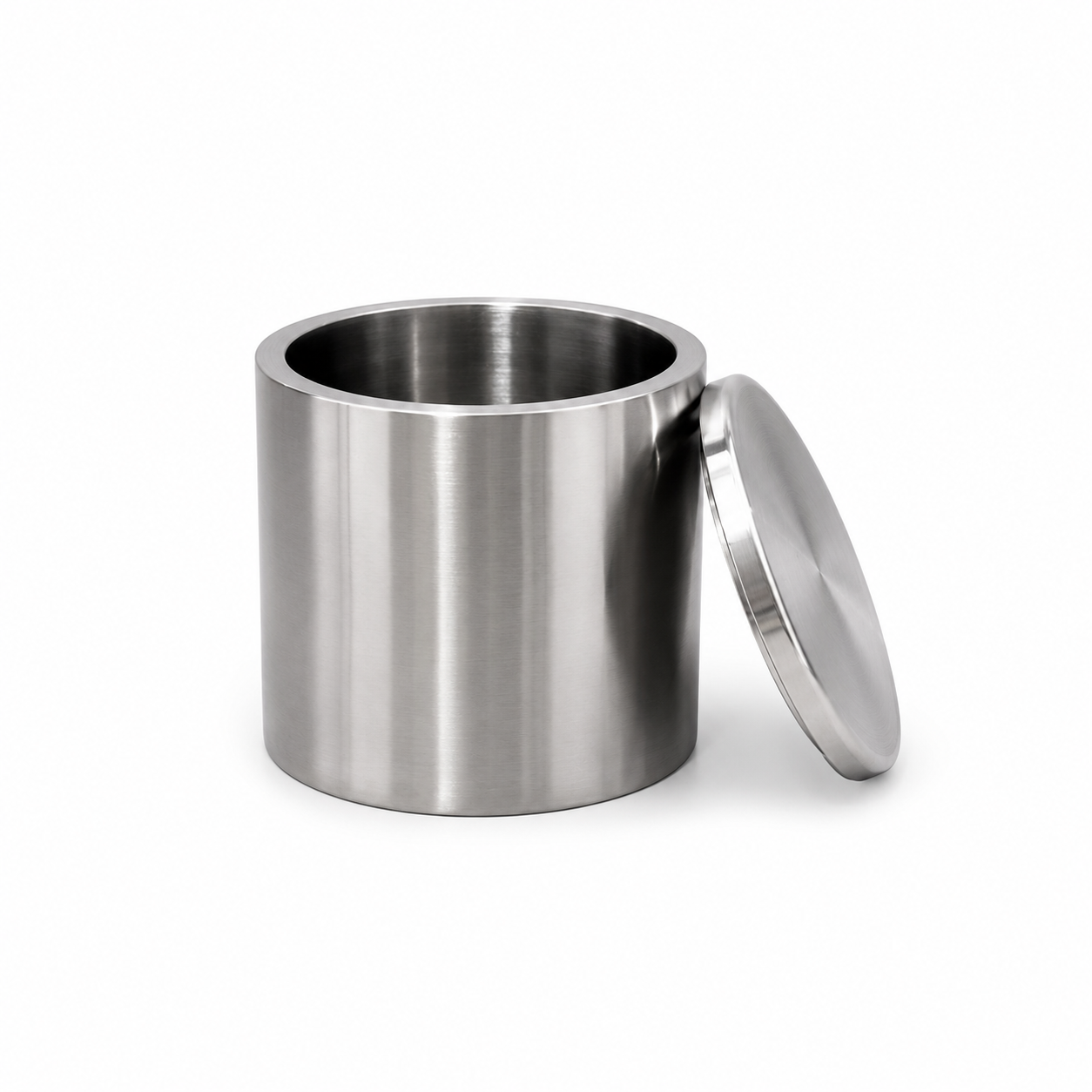
STAINLESS STEEL ROLLER GRINDING JARSCOMMERCIAL GRADE · PRODUCTION
|
|||||||||||||||||||||||||||||||||||||
|
|||||||||||||||||||||||||||||||||||||
|
|||||||||||||||||||||||||||||||||||||
|
TAILORED SOLUTIONS FOR RESEARCH
For bulk inquiries or official volume quotations, please contact us via email.
EMAIL: inquiry@atomfair.com
|
|||||||||||||||||||||||||||||||||||||
|
Manufacturer: Atomfair LLC
Brand: ATOMFAIR®
|
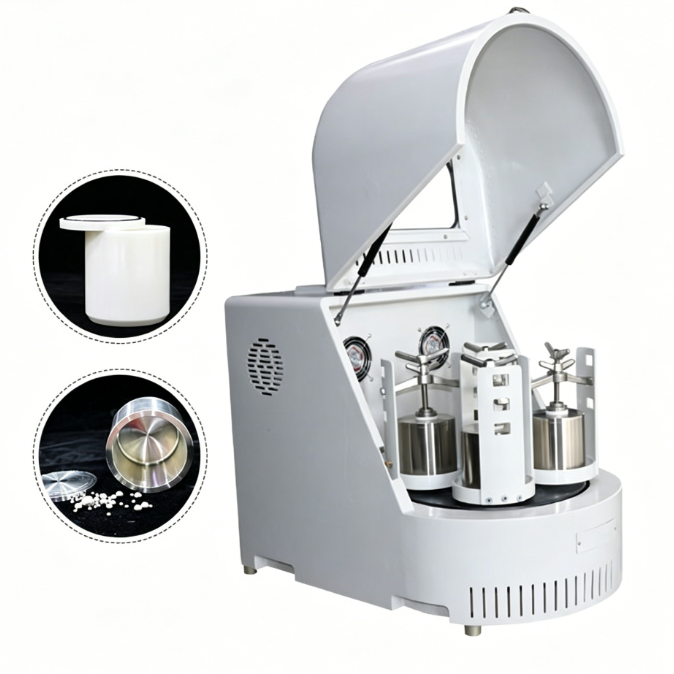
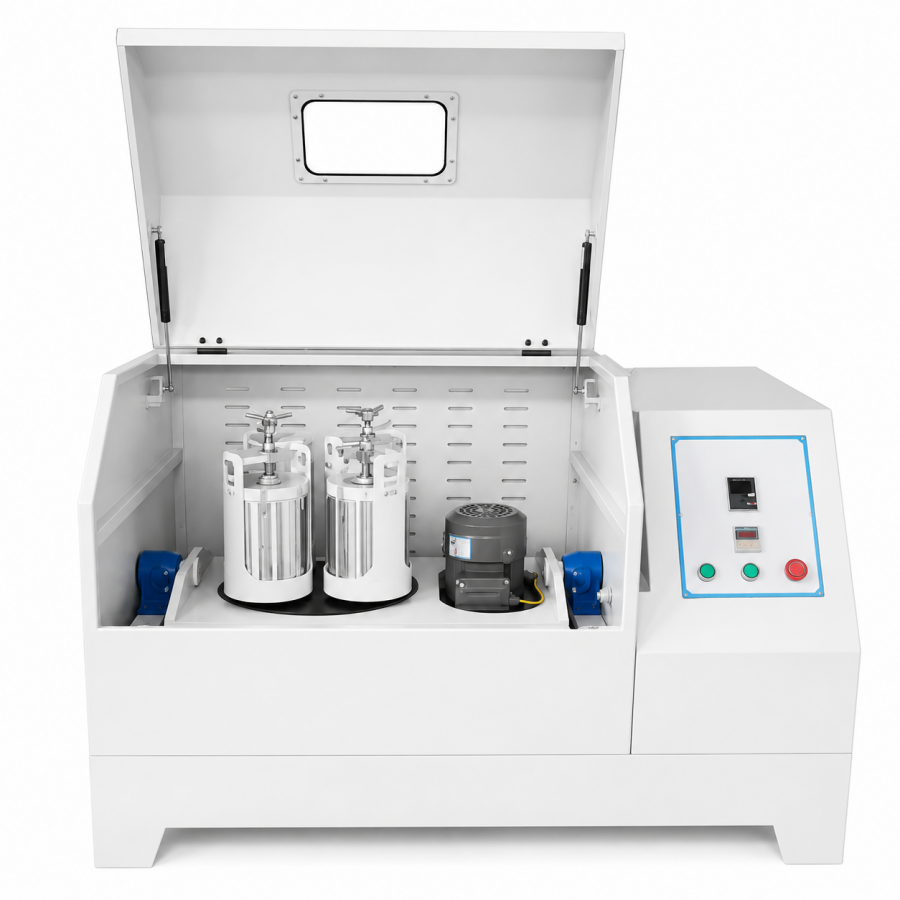
The stainless steel grinding jars require inspection of compression locks before use under deep vacuum or high-vibration conditions. The passivated surface layer is incompatible with highly concentrated halogen acids such as hydrochloric acid.
- Acid Compatibility: Avoid introducing highly concentrated hydrochloric or other non-compatible halogen acids that could compromise the passivated surface layer.
- Pre-Operation Inspection: Thoroughly inspect the compression locks before running deep vacuum or high-vibration roller mill scripts.
- Vacuum Adaptation: Custom vacuum inlet assemblies are required to maintain inert gas blankets during milling.
How do the outer and inner diameters vary across the different volume capacities of the ATOMFAIR stainless steel roller grinding jars?
The outer and inner diameters scale with volume. For the 500 ml jar, outer diameter is 88 mm and inner diameter is 82 mm. For the 15 L jar, outer diameter is 271 mm and inner diameter is 263 mm. Intermediate volumes follow the dimensional table provided in the product specifications.
What types of materials can be processed in these stainless steel grinding jars, and what materials should be avoided?
These jars are recommended for mechanical alloying, hard metallic powder processing, industrial alloy development, composite mineral blending, and rugged non-metallic element micronization. Avoid introducing highly concentrated hydrochloric or other non-compatible halogen acids that could compromise the passivated surface layer.
What precautions are necessary when using these grinding jars under vacuum or high-vibration conditions?
Thoroughly inspect the compression locks before running deep vacuum or high-vibration roller mill scripts. Also avoid introducing highly concentrated hydrochloric or other non-compatible halogen acids that could compromise the passivated surface layer.
The stainless steel roller grinding jars offer durable mechanical milling with smooth polished interiors to prevent sample carryover and vacuum sealing capability for inert atmosphere processing, but require routine compression lock inspection before high-vibration operation and avoidance of strong halogen acids to protect the passivated surface.
Positive
- Smooth polished interior walls: Superbly treated interior surfaces prevent material adherence, simplifying cell recovery and minimizing sample carryover between milling operations.
- Airtight vacuum adaptation: Mechanically optimized layout supports easy custom configuration with vacuum inlet assemblies to maintain inert gas blankets during milling, ensuring repeatability for air-sensitive materials.
Trade-offs
- Compression lock inspection required: Thoroughly inspect the compression locks before running deep vacuum or high-vibration roller mill scripts to avoid seal failure or operational hazard.
- Incompatible with halogen acids: Avoid introducing highly concentrated hydrochloric or other non-compatible halogen acids that could compromise the passivated surface layer and reduce corrosion resistance.
Every advanced material, component, equipment, and instrument in our catalog is backed by rigorous testing. We maintain strict internal quality management frameworks and align with CE conformity metrics to deliver transparent, reproducible performance data via our public open-science repository.
To request raw batch performance data, submit formal vendor registration paperwork, or execute a fast-turnaround R&D manufacturing loop, contact us at inquiry@atomfair.com.
Item is dispatched under the Atomfair Shipping & Delivery Framework (Free worldwide shipping on orders over $59 USD excl. heavy equipment). Return is governed by the Atomfair Return & Refund Policy (7-day technical return window).