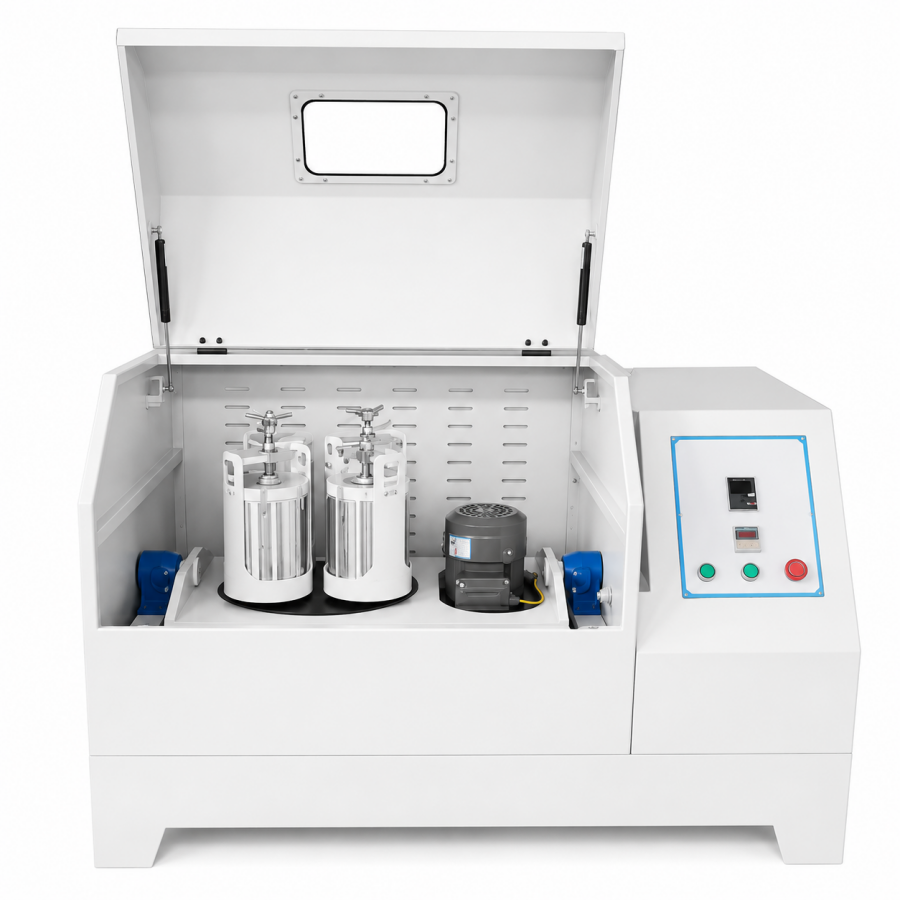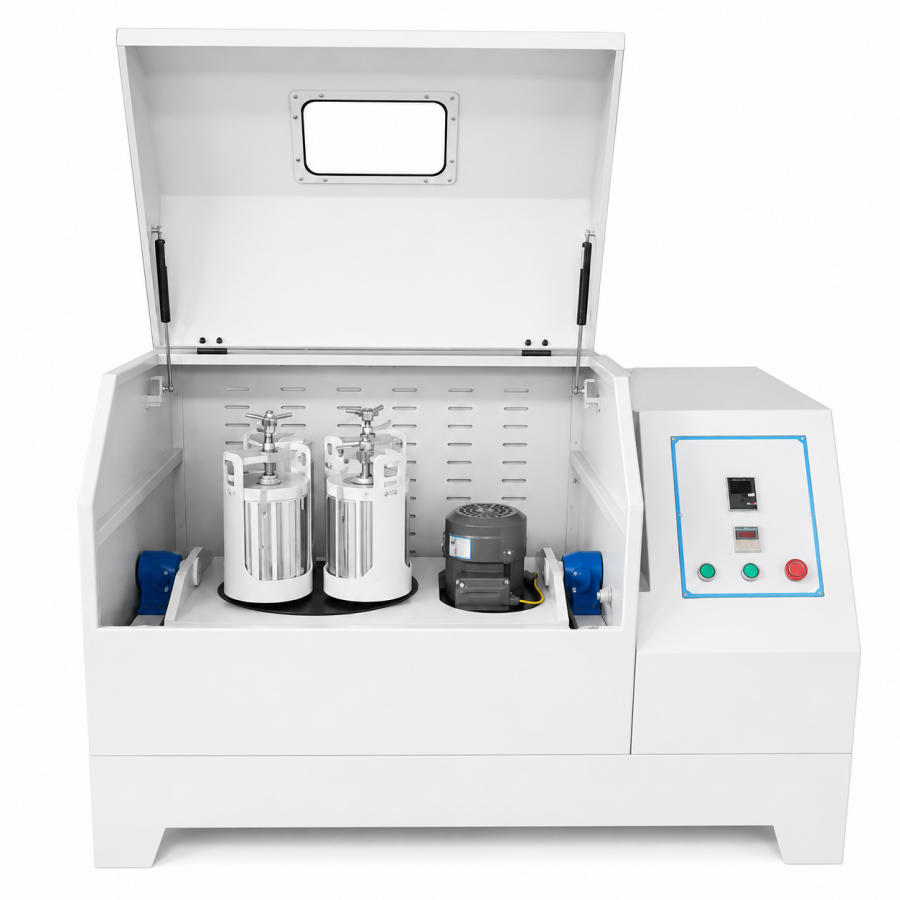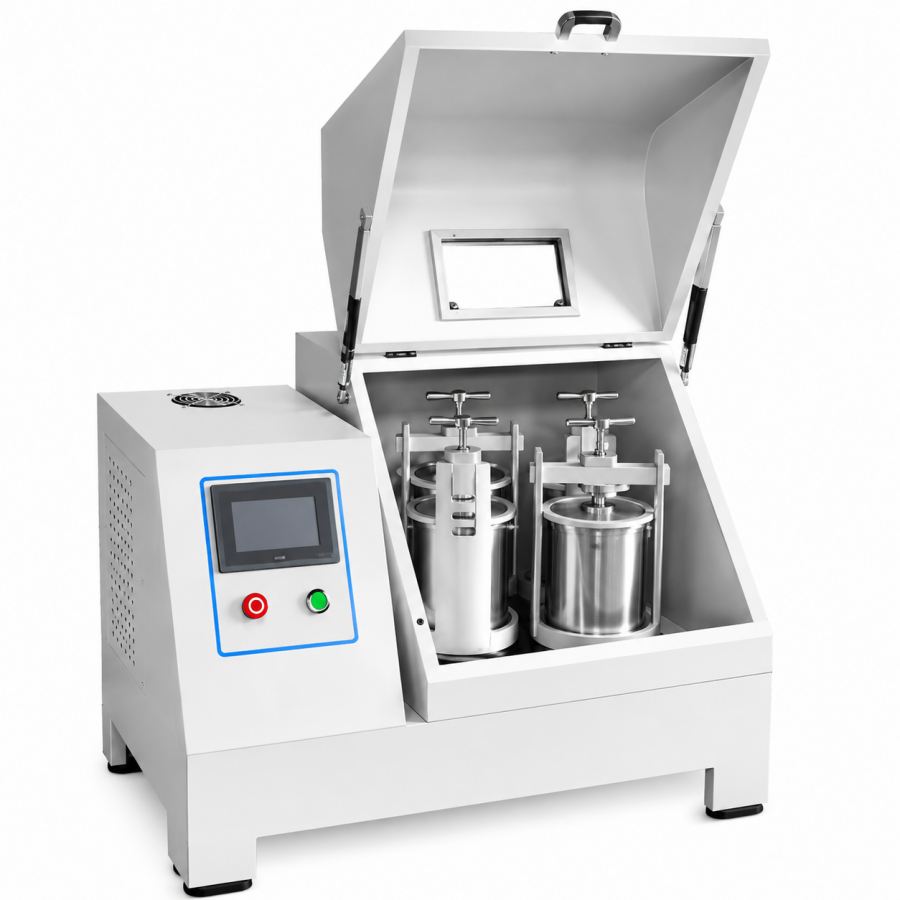
ATOMFAIR MPBM-16A TOUCHSCREEN PLANETARY BALL MILL PLC LAB GRADERESEARCH GRADE EQUIPMENT
|
|||||||||||||||||||||||||||||||||||||||||||||||||||||||||||||||||||||||||||||||||||||||||||||||||||||||||||||||||||||||||||||||||||||||||||||||||||||||||||||||||||||||||
|
|||||||||||||||||||||||||||||||||||||||||||||||||||||||||||||||||||||||||||||||||||||||||||||||||||||||||||||||||||||||||||||||||||||||||||||||||||||||||||||||||||||||||
|
TAILORED SOLUTIONS FOR RESEARCH
Contact our engineering team for technical support or official quotations.
EMAIL: inquiry@atomfair.com
|
|||||||||||||||||||||||||||||||||||||||||||||||||||||||||||||||||||||||||||||||||||||||||||||||||||||||||||||||||||||||||||||||||||||||||||||||||||||||||||||||||||||||||
|
Manufacturer: Atomfair LLC
Brand: ATOMFair®
|
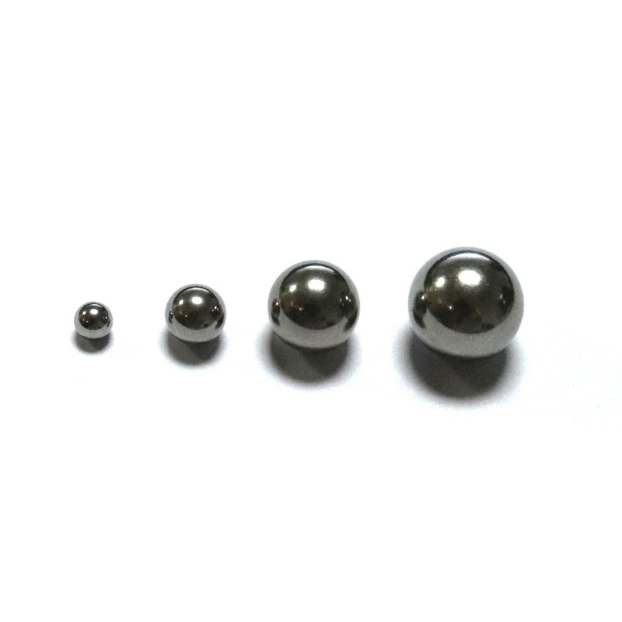
Operate the MPBM-16A only with compatible grinding jars and balls to prevent mechanical imbalance and cross-contamination. The PLC touchscreen control system must be used with password protection and fault alarm enabled to ensure safe operation.
- Jar and Ball Material Compatibility: Select jar and ball materials that are chemically compatible with the target material to avoid cross-contamination and equipment damage.
- Program Security and Memory: Use the password protection feature to restrict unauthorized program changes and rely on power-off memory to retain grinding parameters during interruptions.
- Grinding Mode Selection: Choose the appropriate grinding mode (dry, wet, or vacuum) based on the material properties and desired outcome to prevent overload or hazardous reactions.
Set up the ball mill with the appropriate grinding jars and balls, then program and execute a grinding cycle using the PLC touchscreen interface. Monitor the operation continuously and respond to any fault alarms to ensure safe and reproducible results.
Required Equipment: Planetary Ball Mill MPBM-16A
- Load Grinding Jars and Balls
Place the selected grinding jars and balls into the jar holders and secure them firmly to prevent imbalance during rotation. - Program the PLC Touchscreen
Select the desired grinding program from the touchscreen interface, setting rotation speed, duration, and direction (forward or reverse) as required. - Activate Safety Features
Enable password protection and confirm fault alarm settings to prevent unauthorized parameter changes and to receive immediate alerts during abnormal operation. - Start the Grinding Cycle
Initiate the grinding program and monitor the real-time display and fault alarm system throughout the cycle to ensure consistent and safe operation.
What is the maximum jar rotation speed and how does the 3 kW motor affect grinding efficiency for hard materials like WC-Co?
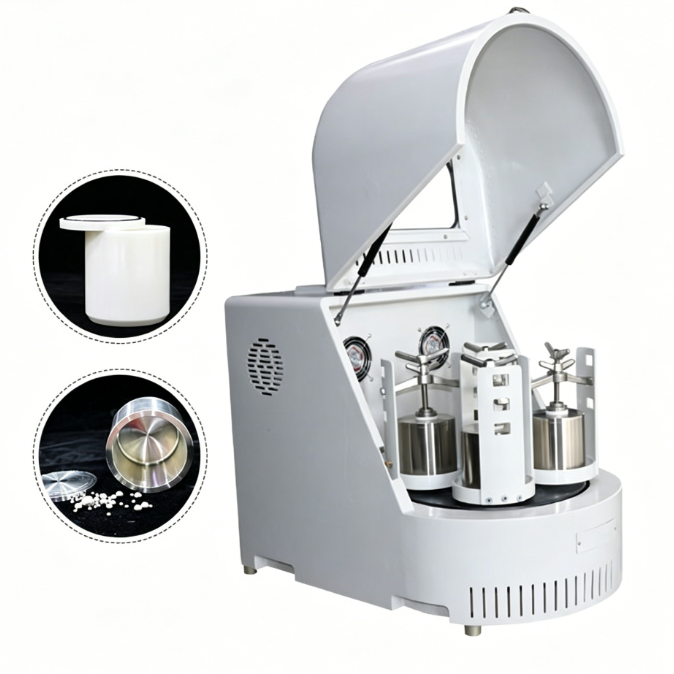
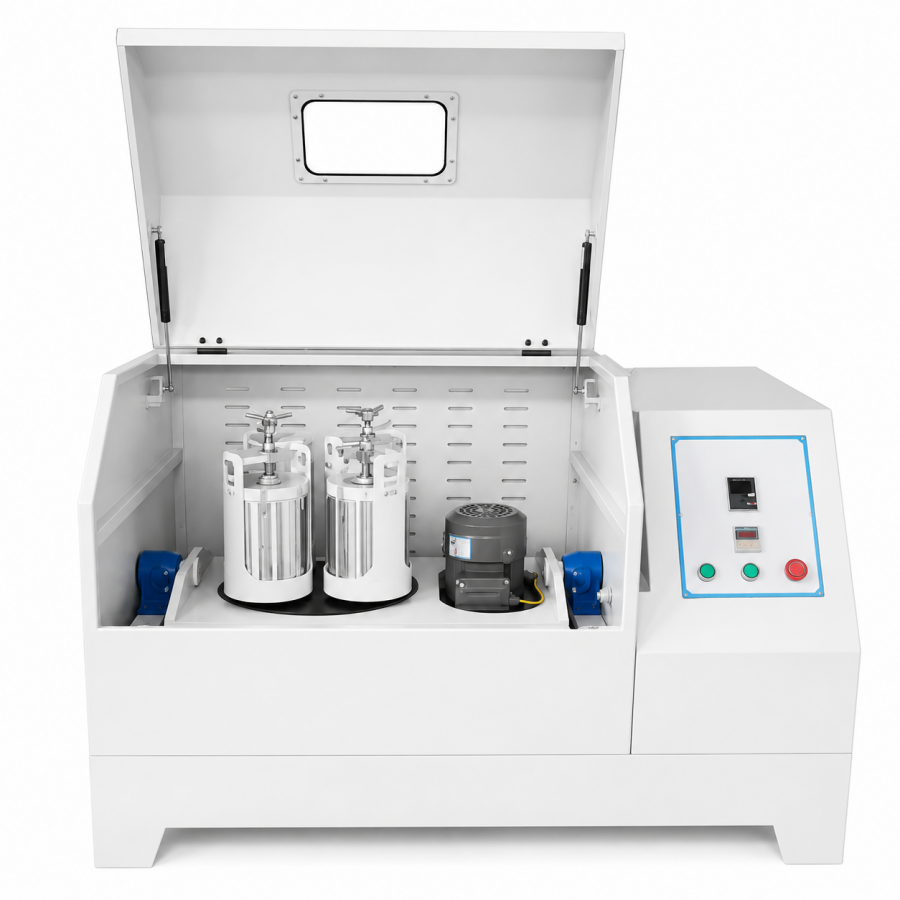
The MPBM-16A has a jar rotation speed range of 0–510 r/min and a 3 kW motor. The 3 kW motor provides sufficient torque for grinding hard materials such as WC-Co, but actual grinding efficiency depends on jar material, ball size, and material-to-ball ratio. The semi-circular design with a Φ320 mm revolution diameter ensures high centrifugal forces for fine grinding.
Which jar materials are compatible with the MPBM-16A for contamination-free grinding of oxide ceramics?
The MPBM-16A accepts 4L grinding jars in materials including Al₂O₃ (corundum), YSZ (yttria-stabilized zirconia), Agate (natural SiO₂), WC-Co, stainless steel, polyurethane, ceramic, and nylon. For oxide ceramics like alumina or zirconia, Al₂O₃ or YSZ jars are recommended to minimize cross-contamination. Grinding balls must be ordered separately and selected for compatibility.
What are the electrical and space requirements for installing the MPBM-16A planetary ball mill?
The MPBM-16A requires a 3 kW power supply (specific voltage not stated in source; assume standard industrial). Its dimensions are 950 × 600 × 710 mm and net weight is 205 kg, so a sturdy bench or floor mount is needed. The PLC touchscreen control system includes password protection and fault alarming for safe operation. Vacuum grinding mode requires additional vacuum equipment (not included).
The ATOMFAIR MPBM-16A is a semi-circular planetary ball mill with a 3 kW motor, 0–510 rpm jar speed, and PLC touchscreen control supporting program editing, monitoring, and fault alarm. It offers dry, wet, and vacuum grinding modes, but jars and media are sold separately, and the 205 kg unit requires substantial lab infrastructure.
Positive
- PLC touchscreen with program management: Integrated capacitive touch PLC system enables password-protected multi-program editing, storage, recall, real-time monitoring, and automatic fault alarming, ensuring reproducible and secure grinding protocols.
- Bidirectional rotation with power-off memory: Forward/reverse rotation control with timing and automatic memory retention after power interruption maintains consistent grinding parameters across experimental campaigns.
Trade-offs
- Jars and media ordered separately: Grinding jars and balls are not included and must be purchased separately, requiring careful material compatibility selection to avoid cross-contamination.
- Heavy unit requires adequate handling: At 205 kg net weight, the MPBM-16A demands robust benching, floor loading considerations, and appropriate handling equipment for installation.
Every advanced material, component, equipment, and instrument in our catalog is backed by rigorous testing. We maintain strict internal quality management frameworks and align with CE conformity metrics to deliver transparent, reproducible performance data via our public open-science repository.
To request raw batch performance data, submit formal vendor registration paperwork, or execute a fast-turnaround R&D manufacturing loop, contact us at inquiry@atomfair.com.
Item is dispatched under the Atomfair Shipping & Delivery Framework (Free worldwide shipping on orders over $59 USD excl. heavy equipment). Return is governed by the Atomfair Return & Refund Policy (7-day technical return window).