|
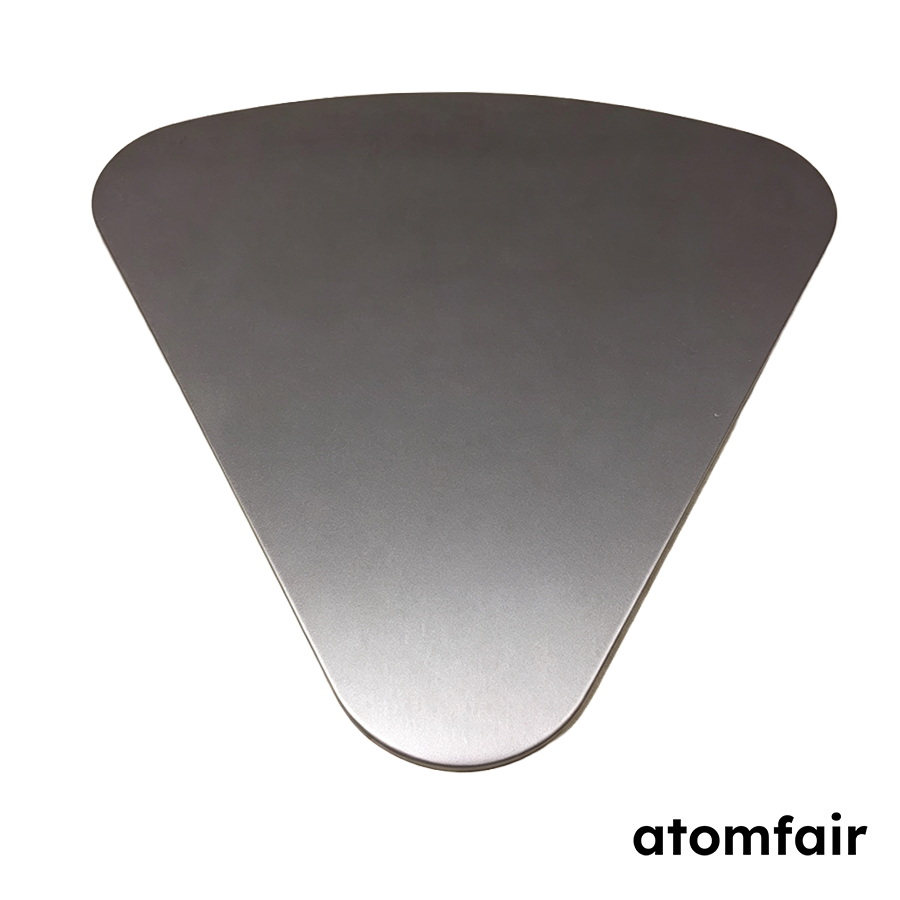
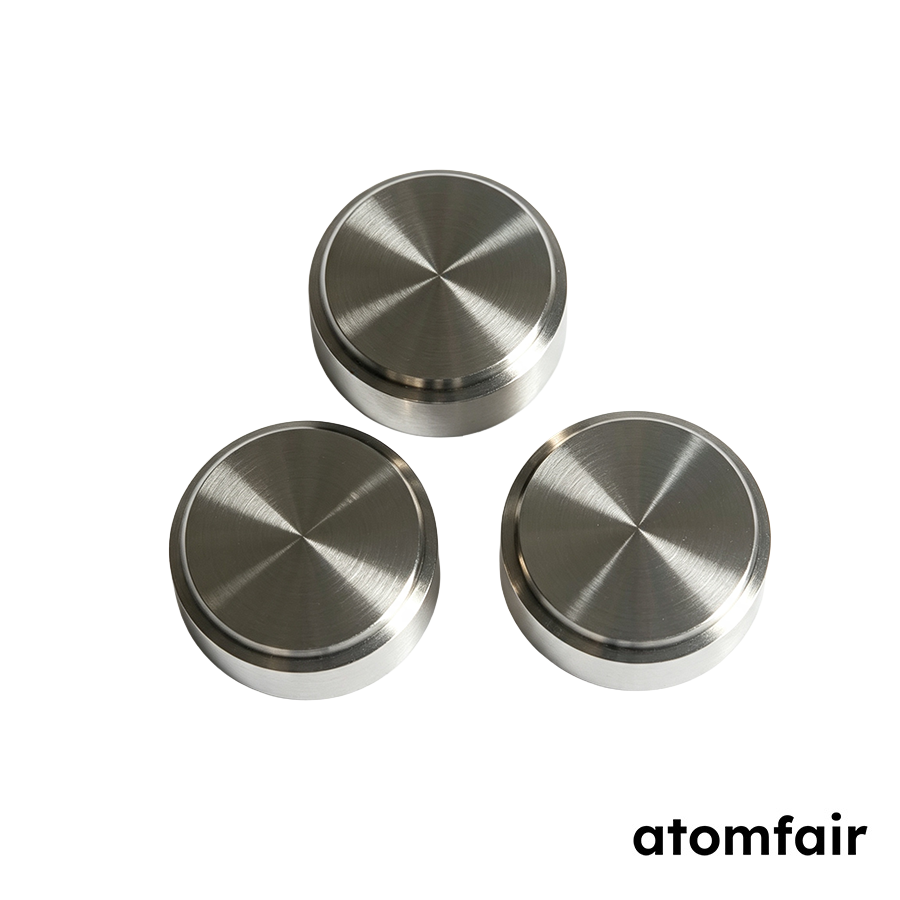
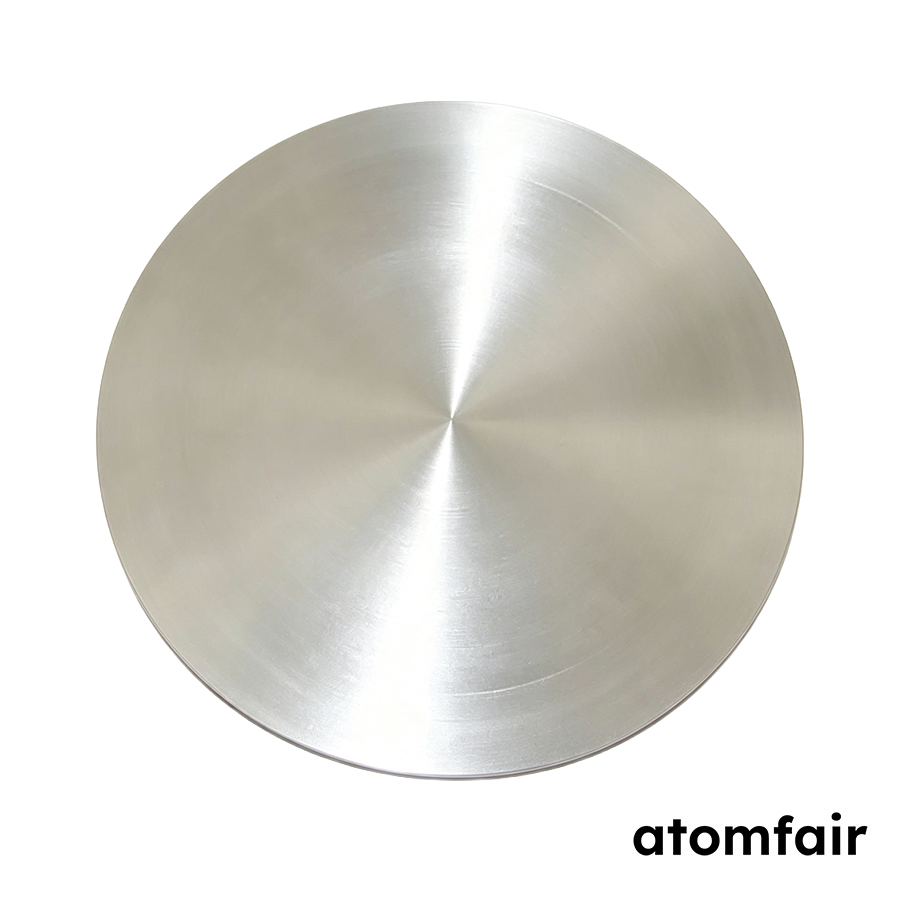
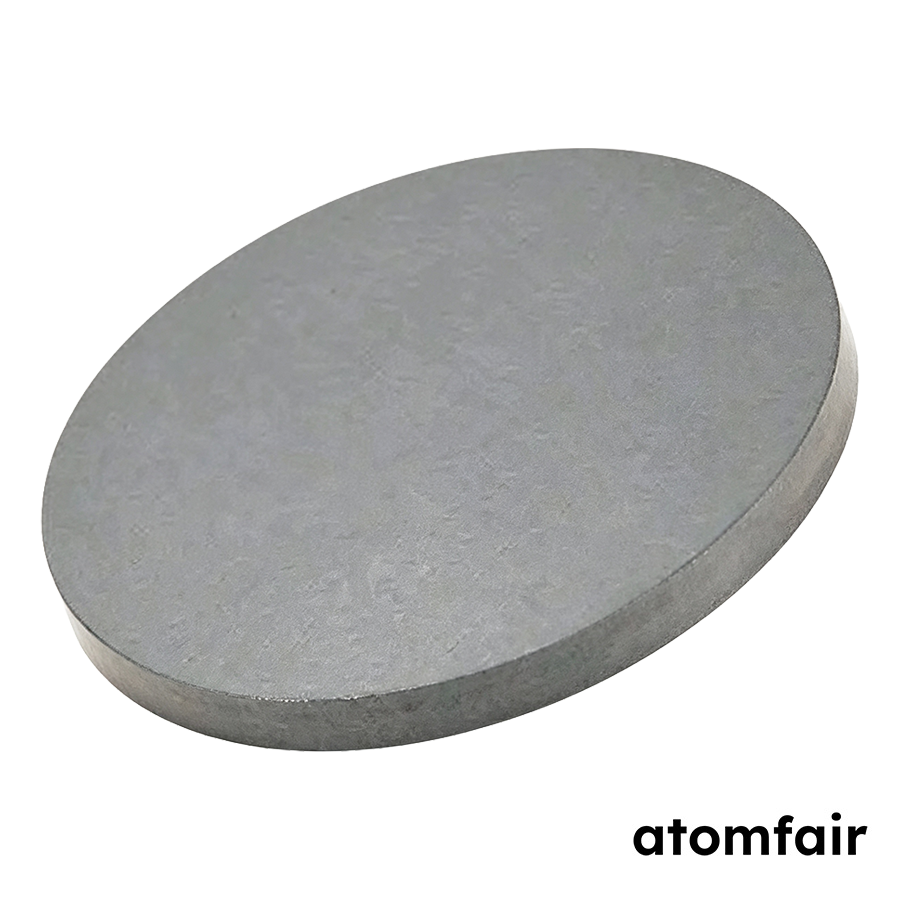
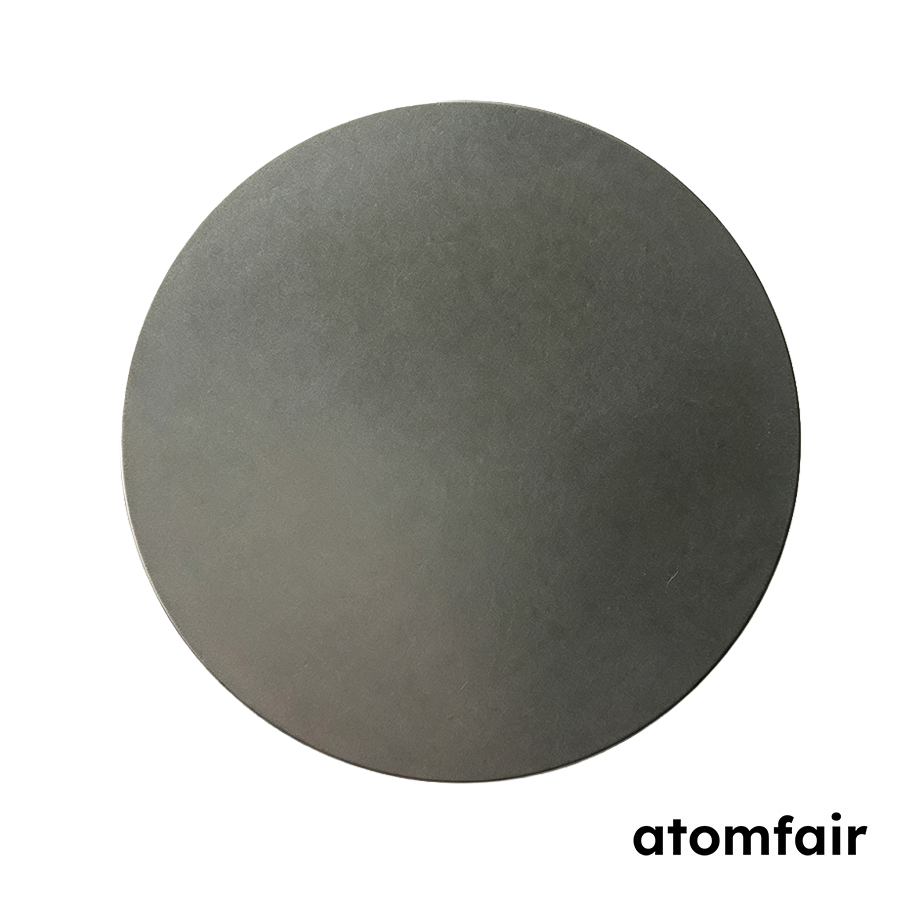
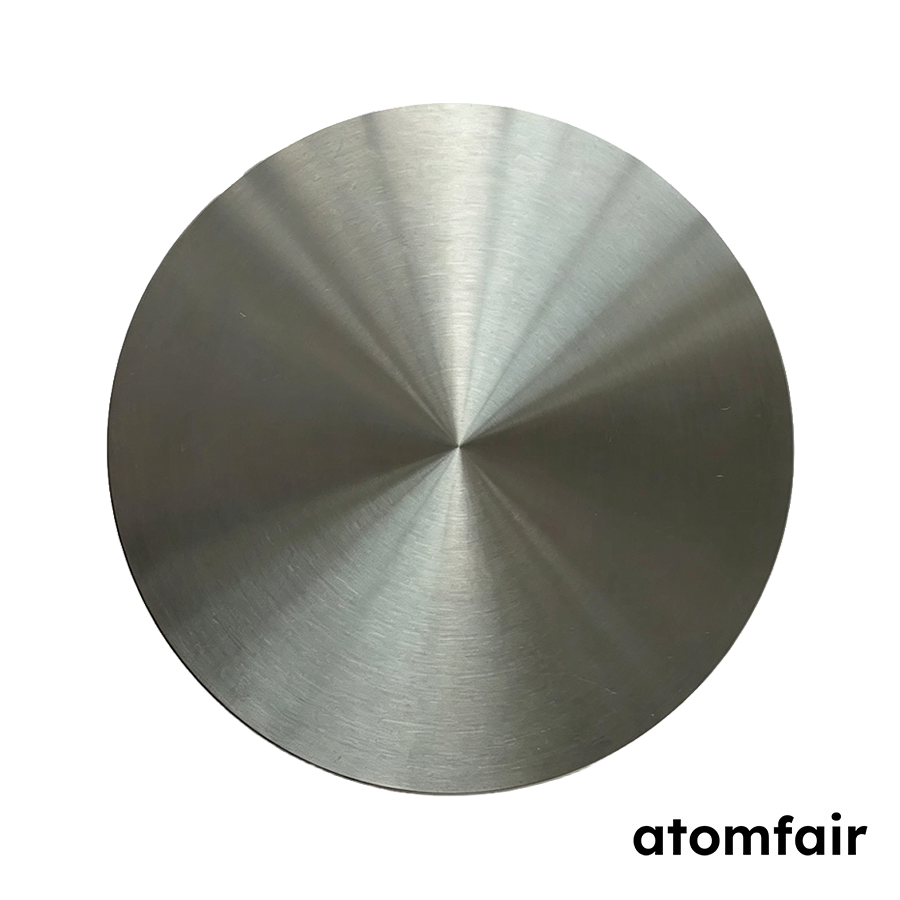
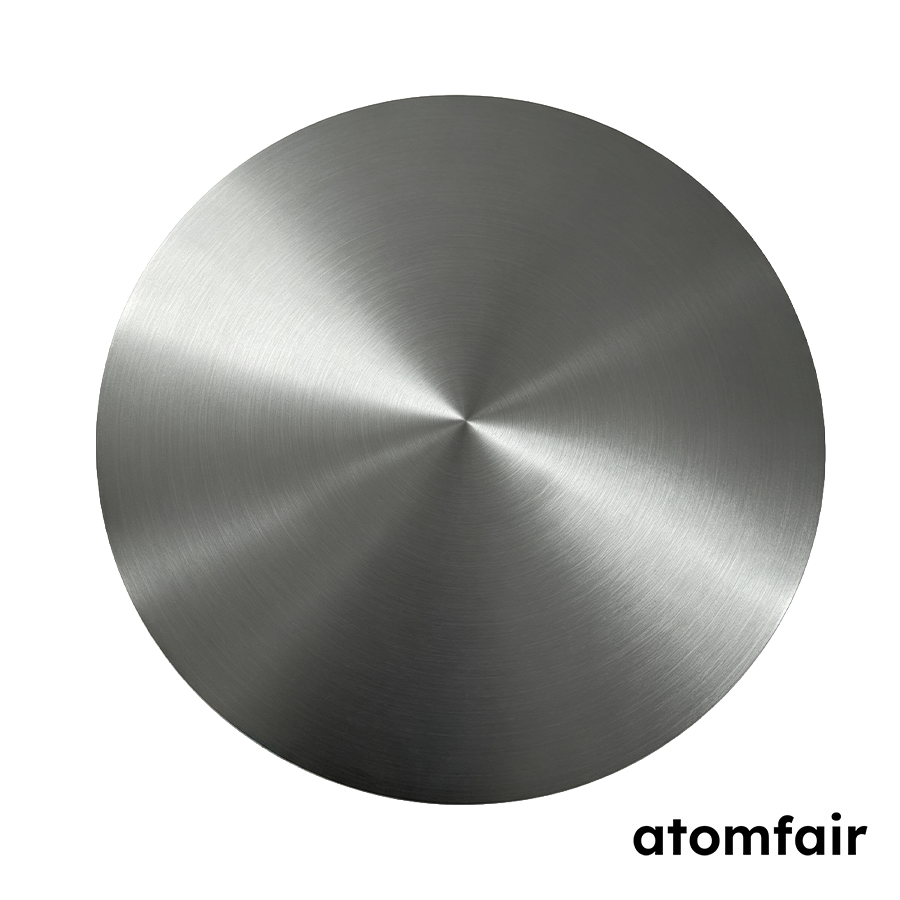
Tungsten-Titanium Alloy Sputtering Target (WTi (90:10 wt%))
Product Type: Metal alloy sputtering target
Research-grade laboratory product
|
|||||||||||||||||||||||||||||||||||||
|
|||||||||||||||||||||||||||||||||||||
|
LABORATORY PROCUREMENT SUPPORT
INQUIRY: inquiry@atomfair.com
|
|||||||||||||||||||||||||||||||||||||
|
Manufacturer: Atomfair LLC
Brand: ATOMFAIR®
|
This sputtering target requires operation under vacuum with Ar atmosphere at 0.5-2.0 Pa and power density limits of 3-15 W/cm² DC or 1-5 W/cm² RF to maintain stoichiometric transfer and film uniformity. Substrate preparation is critical for achieving adhesion strength >15 MPa, and bonding type (indium or elastomer) must be selected based on thermal and mechanical compatibility with the deposition system.
- Power and Pressure Constraints: Operate within DC power density 3-15 W/cm² or RF 1-5 W/cm² under Ar atmosphere at 0.5-2.0 Pa to maintain stoichiometric transfer and film uniformity.
- Substrate Preparation Requirement: Prepare substrates to achieve adhesion strength >15 MPa per ASTM D4541 pull-off test.
- Bonding Type Selection: Select indium or elastomer bonding based on thermal management requirements of the sputtering system.
- Thickness Tolerance Constraint: Verify target thickness within ±0.1 mm tolerance to ensure proper mounting and electrical contact.
- Surface Finish Constraint: Ensure target surface finish Ra ≤ 0.8 µm to minimize arcing and particle generation during sputtering.
What is the relationship between DC power density and achievable deposition rate for the WTi (90:10) target, and how does it affect film uniformity?
Under optimized conditions, the WTi (90:10) target achieves deposition rates of 10–80 nm/min when operated at DC power densities of 3–15 W/cm² in a 0.5–2.0 Pa Ar atmosphere. Thickness uniformity is maintained at ±5% across a 100 mm substrate within this range, allowing consistent film properties. Operating outside the recommended power density window risks target damage or compositional drift beyond the ±2 at% stoichiometric transfer specification.
Which bonding type and backing plate material should I select for integrating the WTi target into a DC magnetron sputtering system with high thermal load?
For high thermal load DC sputtering, the target is available with either indium or elastomer bonding to an oxygen-free copper or CuCrZr backing plate. Oxygen-free copper offers superior thermal conductivity for efficient heat dissipation, while CuCrZr provides higher mechanical strength. Selection must match the cathode design and maximum operating temperature of the sputtering system; confirm compatibility with your system before ordering.
How does the fine-grained microstructure (≤50 µm) of the WTi target influence sputtering performance and film quality?
The ≤50 µm grain size promotes uniform erosion across the target surface, reducing the likelihood of arcing and extending target lifetime. This fine microstructure also supports consistent stoichiometric transfer (within ±2 at% under optimized conditions) and contributes to the >15 MPa adhesion strength (ASTM D4541 pull-off) measured in deposited films. The combination of high relative density (≥97%) and fine grains ensures stable plasma conditions during deposition.
Technical evaluation of the WTi (90:10 wt%) sputtering target with 99.9% purity, fine grain size ≤50 µm, and density ≥97% theoretical. Optimized for DC/RF magnetron sputtering yielding deposition rates of 10-80 nm/min and ±5% thickness uniformity on 100 mm substrates, suitable for diffusion barriers and gate electrodes.
Positive
- High purity and low impurities: 99.9% purity with total metallic impurities <1000 ppm and O+N <200 ppm, minimizing contamination and improving deposited film resistivity and adhesion.
- Controlled deposition parameters: Optimized for DC/RF magnetron sputtering at 3-15 W/cm² (DC) or 1-5 W/cm² (RF) under 0.5-2.0 Pa Ar, achieving 10-80 nm/min deposition rates with ±5% thickness uniformity across 100 mm substrates.
Trade-offs
- Specific system requirements: Requires DC/RF magnetron sputtering system with defined power density ranges and Ar atmosphere; not universally compatible with all deposition equipment.
- Optional bonding and backing plate: Bonding type (indium or elastomer) and backing plate material (oxygen-free copper or CuCrZr) must be specified, affecting thermal management and system compatibility.
Every advanced material, component, equipment, and instrument in our catalog is backed by rigorous testing. We maintain strict internal quality management frameworks and align with CE conformity metrics to deliver transparent, reproducible performance data via our public open-science repository.
To request raw batch performance data, submit formal vendor registration paperwork, or execute a fast-turnaround R&D manufacturing loop, contact us at inquiry@atomfair.com.
Item is dispatched under the Atomfair Shipping & Delivery Framework (Free worldwide shipping on orders over $59 USD excl. heavy equipment). Return is governed by the Atomfair Return & Refund Policy (7-day technical return window).