|
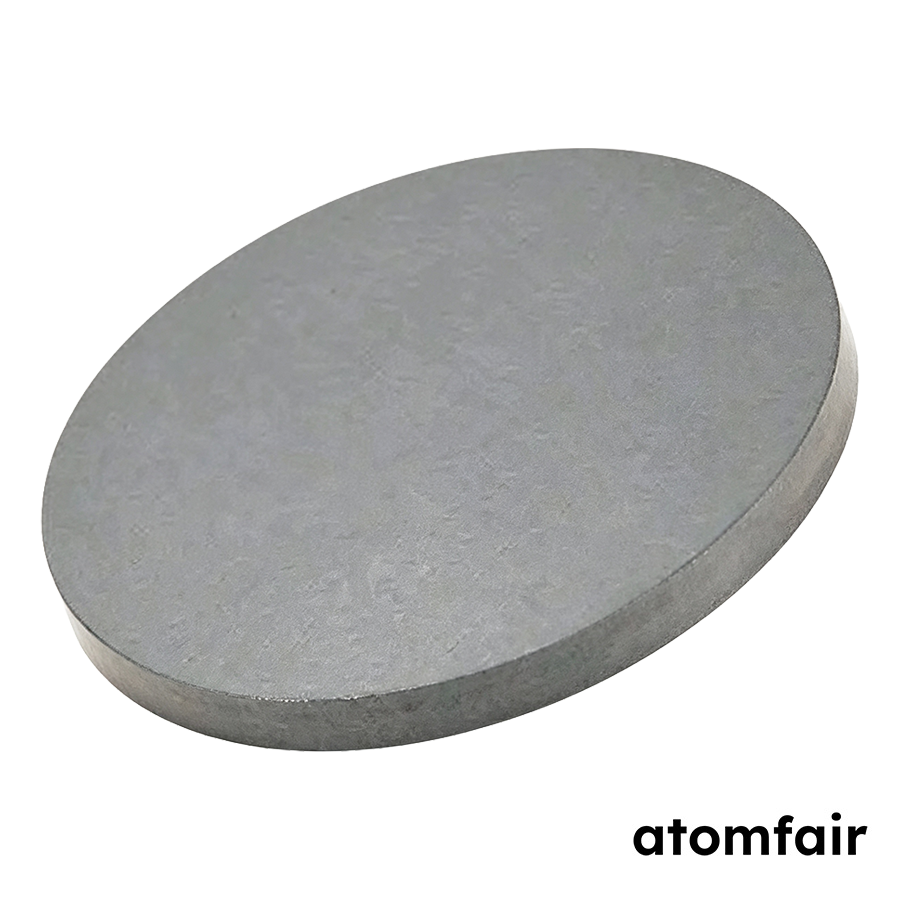
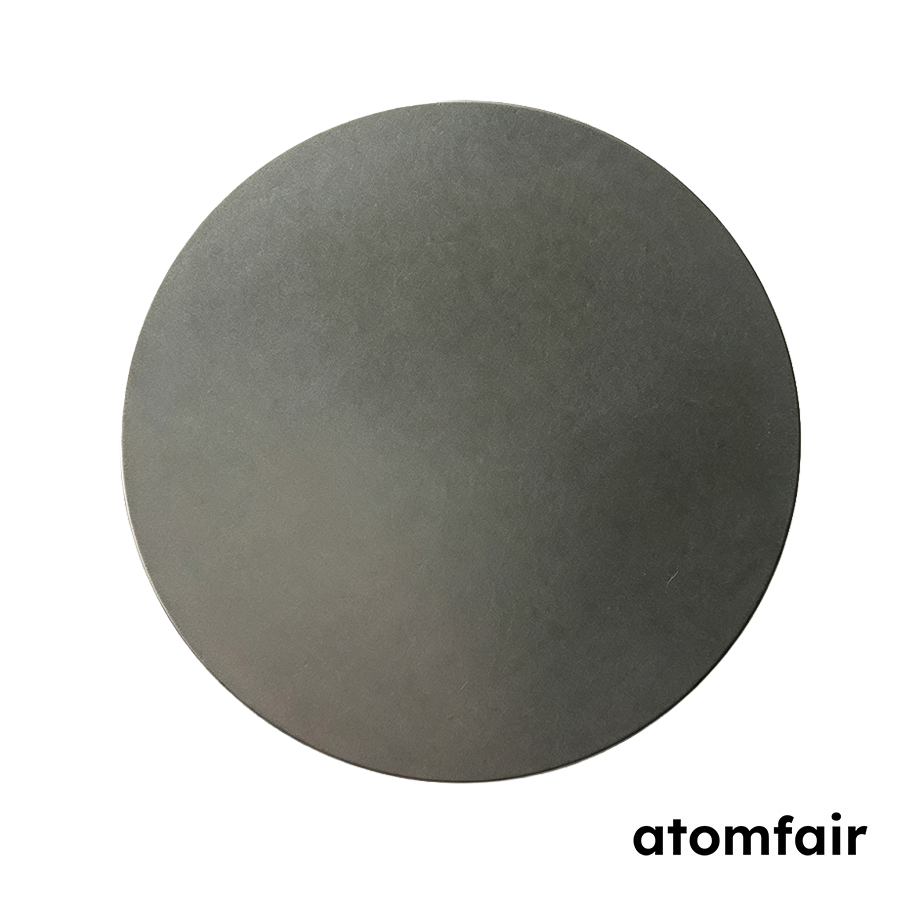
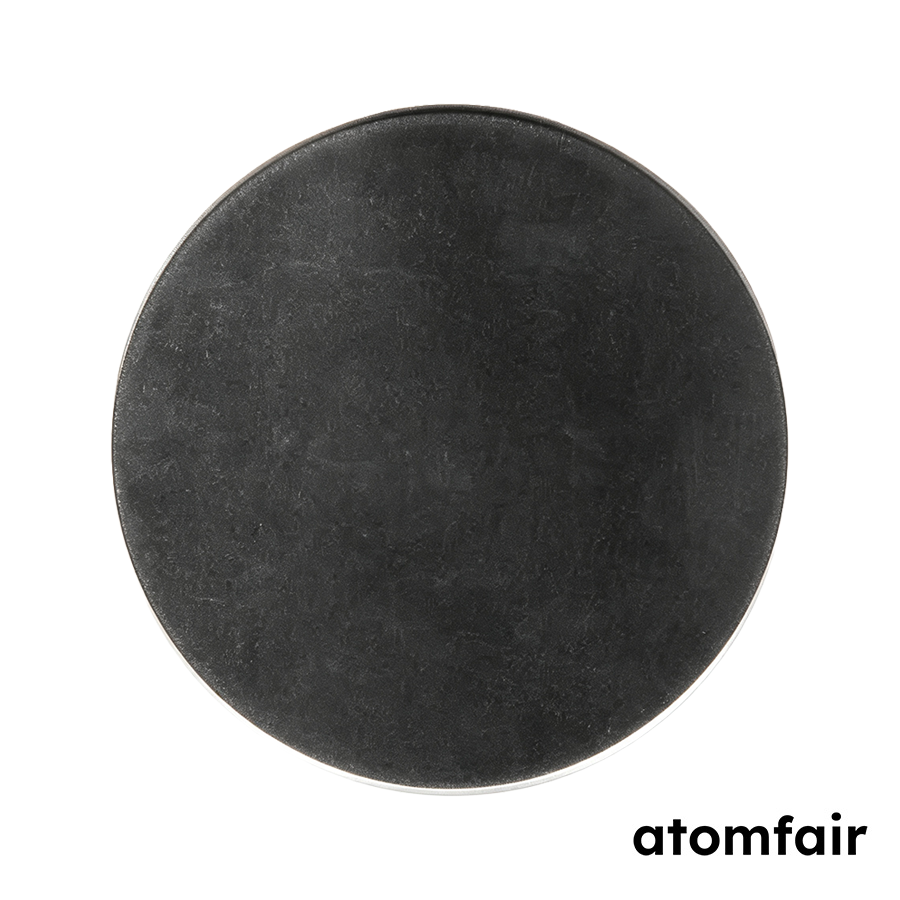
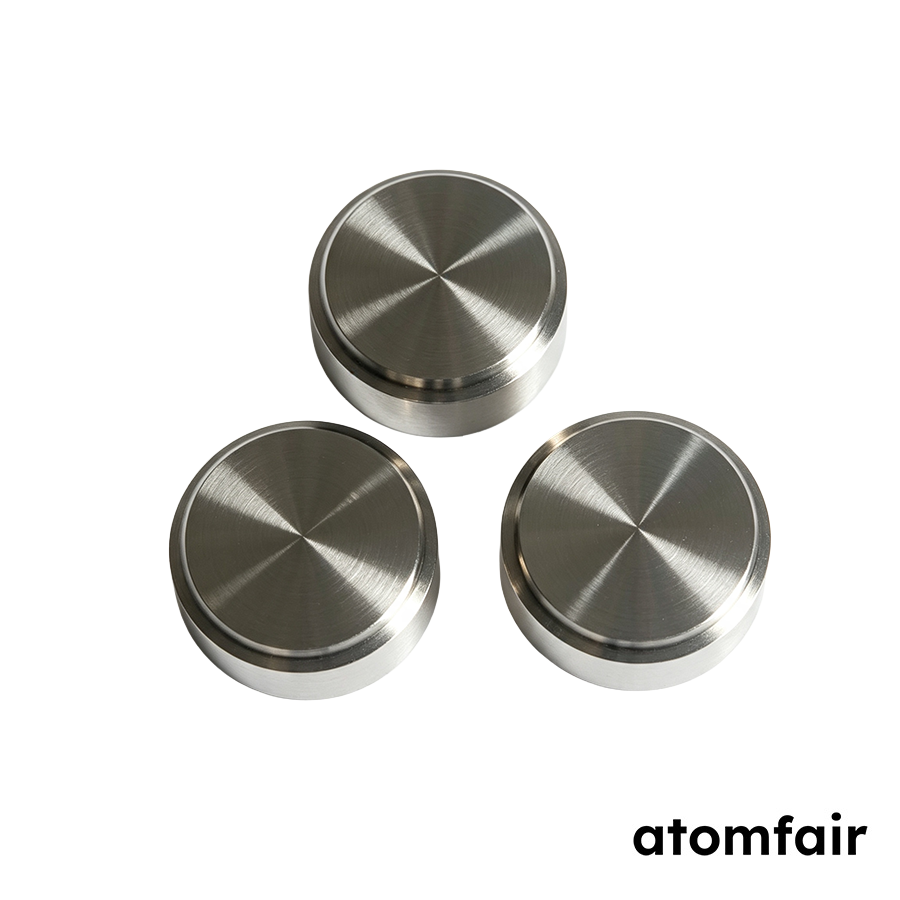
Tungsten-Molybdenum Alloy Sputtering Target (W/Mo (90:10))
Product Type: Metal alloy sputtering target
Research-grade laboratory product
|
|||||||||||||||||||||||||||||||||||||
|
|||||||||||||||||||||||||||||||||||||
|
LABORATORY PROCUREMENT SUPPORT
INQUIRY: inquiry@atomfair.com
|
|||||||||||||||||||||||||||||||||||||
|
Manufacturer: Atomfair LLC
Brand: ATOMFAIR®
|
The target requires controlled vacuum deposition conditions to prevent oxidation and ensure stoichiometric film transfer. Bonding type and backing plate material must be confirmed against the deposition system's thermal and mechanical specifications.
- Deposition Atmosphere Constraint: Sputtering must be performed under 0.5-2.0 Pa Ar atmosphere to maintain stable plasma and prevent reactive contamination.
- Power Density Limit: Maximum power density is 15 W/cm² for DC and 5 W/cm² for RF sputtering to avoid target cracking or delamination.
- Bonding Compatibility: Indium or elastomer bonding must be selected based on substrate temperature and thermal cycling requirements of the deposition process.
- Substrate Preparation Requirement: Deposited films achieve adhesion strength >15 MPa only on properly prepared substrates per ASTM D4541 pull-off test.
This procedure covers target mounting, chamber pump-down, and initial sputtering parameter setup for the W/Mo (90:10) alloy target. Proper bonding verification and power ramping are critical to avoid thermal shock and ensure uniform film deposition.
Required Equipment: DC/RF magnetron sputtering system with compatible target holder, Argon gas supply with mass flow controller, Vacuum pump system capable of base pressure <1e-5 Pa
- Inspect target and bonding
Inspect the target surface for cracks, chips, or contamination and verify the bonding layer is intact and free of voids. - Mount target in sputtering system
Mount the target onto the magnetron cathode using the appropriate backing plate and tighten all fasteners to the manufacturer's torque specification. - Evacuate chamber to base pressure
Evacuate the deposition chamber to a base pressure below 1e-5 Pa to remove residual water vapor and oxygen. - Introduce argon process gas
Introduce argon gas at a flow rate that achieves a working pressure of 0.5-2.0 Pa as measured by the chamber pressure gauge. - Pre-sputter to clean target surface
Pre-sputter the target for 5-10 minutes at low power (1-3 W/cm²) with the shutter closed to remove surface oxides and contaminants. - Set deposition power and ramp up
Set the DC power density to 3-15 W/cm² or RF power density to 1-5 W/cm² and ramp up gradually over 30 seconds to avoid thermal shock. - Open shutter and begin deposition
Open the shutter and begin deposition, monitoring plasma stability and adjusting power or pressure as needed to maintain a deposition rate of 10-80 nm/min.
What sputtering parameters are recommended to achieve the 10–80 nm/min deposition rate with ±5% thickness uniformity on a 100 mm substrate for this W/Mo (90:10) target?
For DC magnetron sputtering, use a power density of 3–15 W/cm²; for RF sputtering, use 1–5 W/cm². Operate under an Ar atmosphere of 0.5–2.0 Pa. Under these conditions, the target delivers 10–80 nm/min deposition rates with ±5% thickness uniformity across a 100 mm substrate, as specified in the product description.
What bonding and backing plate options are available for this target, and which combination is recommended for high-power DC sputtering?
This target offers optional indium bonding or elastomer bonding, with backing plate choices of oxygen-free copper or CuCrZr. For high-power DC sputtering, indium bonding on an oxygen-free copper backing plate is recommended to maximize thermal conductivity and ensure reliable heat dissipation during extended runs.
What purity and impurity constraints are specified for this W/Mo (90:10) target, and how do they affect deposited film quality?
The target is specified at 99.95% purity with total metallic impurities below 500 ppm and O+N combined below 100 ppm. These tight impurity limits minimize contamination, improve film resistivity control, and enhance adhesion—deposited films achieve adhesion strength greater than 15 MPa per ASTM D4541 on properly prepared substrates.
Tungsten-Molybdenum Alloy Sputtering Target (W/Mo (90:10)) with 99.95% purity, fine grain size ≤50 µm, and ≥97% relative density, optimized for DC/RF magnetron sputtering of diffusion barriers and high-temperature protective coatings requiring controlled stoichiometric transfer.
Positive
- High purity and low contamination: 99.95% (3N5) purity with total metallic impurities <500 ppm and O+N <100 ppm minimizes film contamination, improving resistivity and adhesion for demanding barrier and electrode applications.
- Fine grain size and high density: Grain size ≤50 µm and relative density ≥97% of theoretical promote uniform sputtering erosion and consistent film thickness uniformity across 100 mm substrates.
Trade-offs
- Bonding and backing plate dependencies: Requires indium or elastomer bonding and oxygen-free copper or CuCrZr backing plate, adding procurement complexity and potential system compatibility constraints.
- Sputtering parameter sensitivity: Stoichiometric transfer within ±2 at% requires tight control of power density (3–15 W/cm² DC, 1–5 W/cm² RF) and Ar pressure (0.5–2.0 Pa); deviation risks off-nominal film composition.
Every advanced material, component, equipment, and instrument in our catalog is backed by rigorous testing. We maintain strict internal quality management frameworks and align with CE conformity metrics to deliver transparent, reproducible performance data via our public open-science repository.
To request raw batch performance data, submit formal vendor registration paperwork, or execute a fast-turnaround R&D manufacturing loop, contact us at inquiry@atomfair.com.
Item is dispatched under the Atomfair Shipping & Delivery Framework (Free worldwide shipping on orders over $59 USD excl. heavy equipment). Return is governed by the Atomfair Return & Refund Policy (7-day technical return window).