|
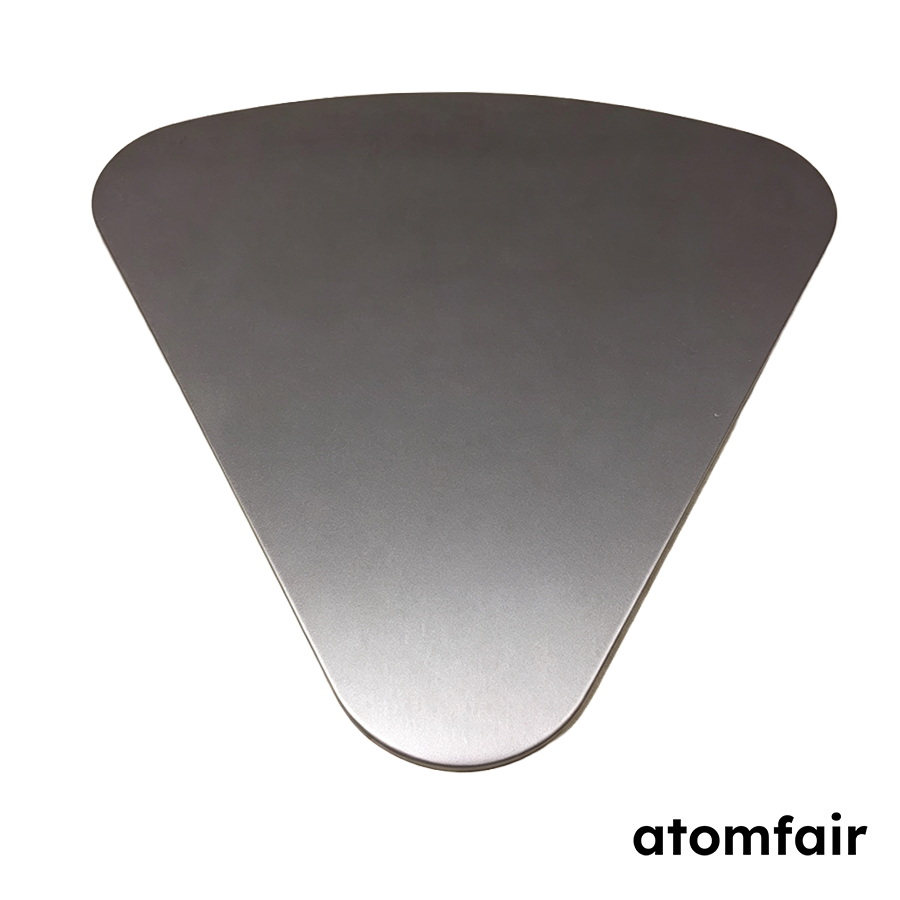
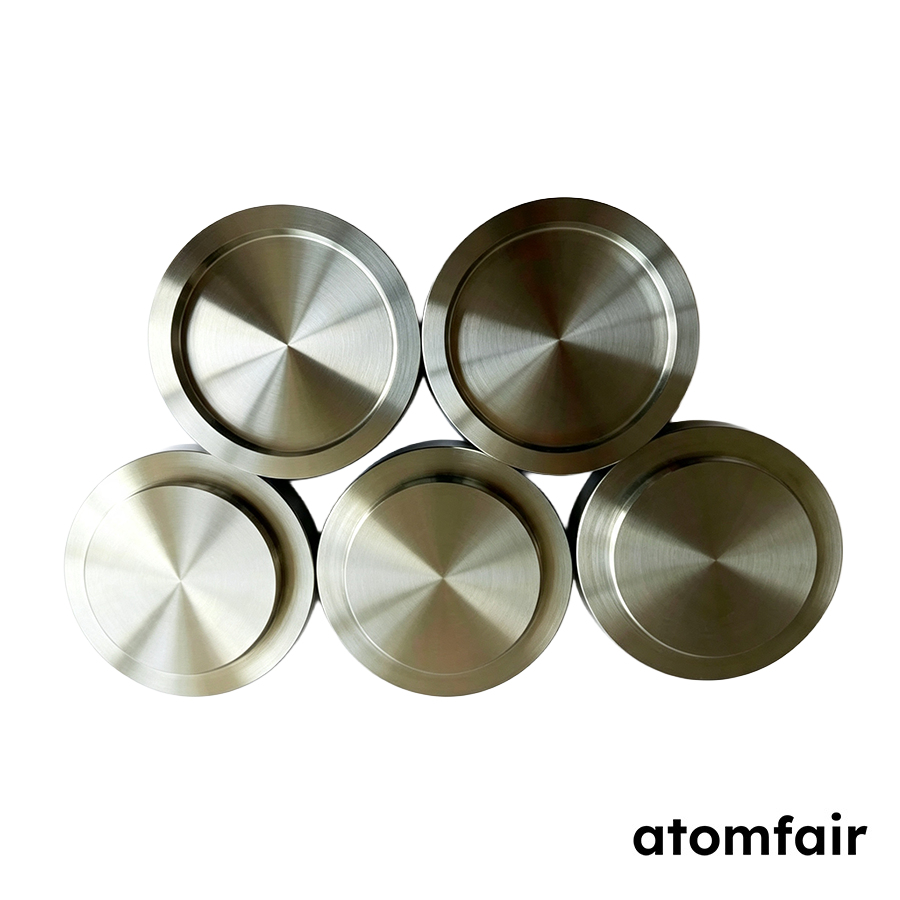
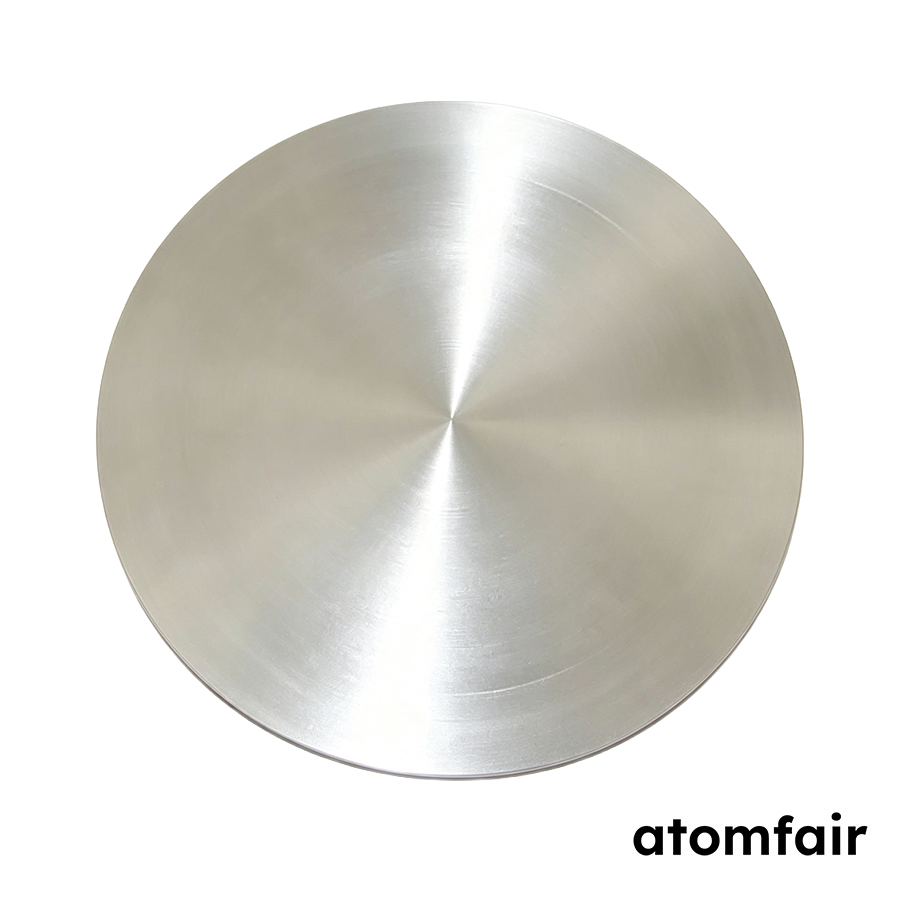
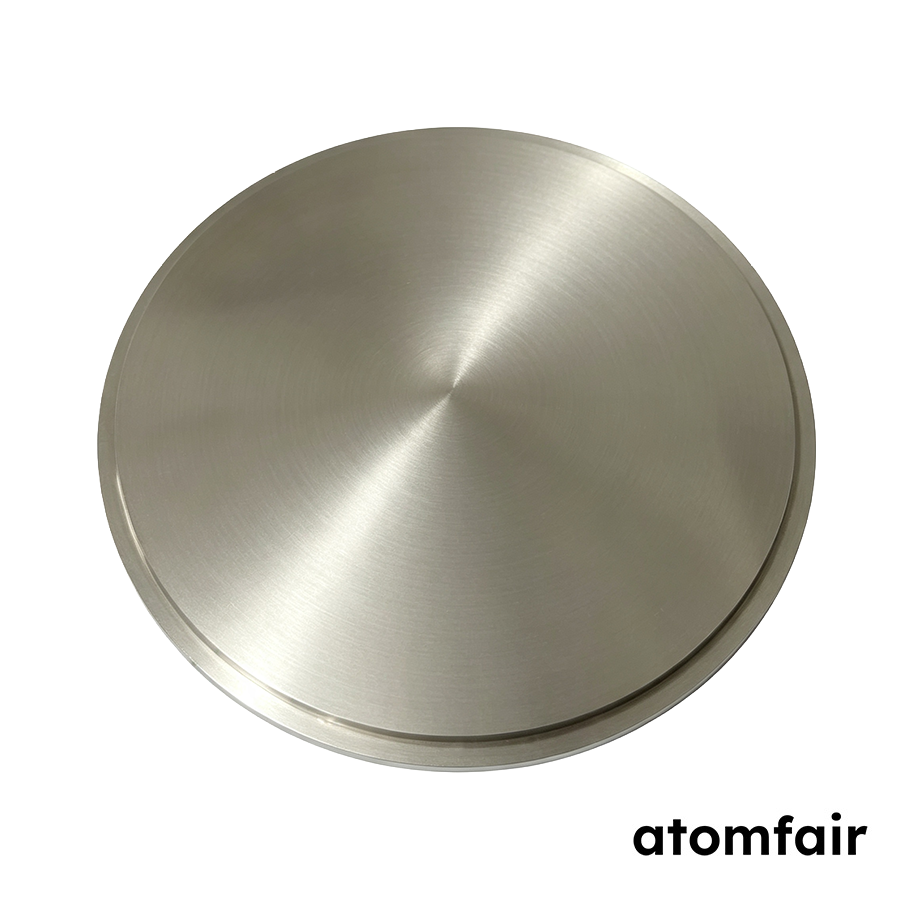
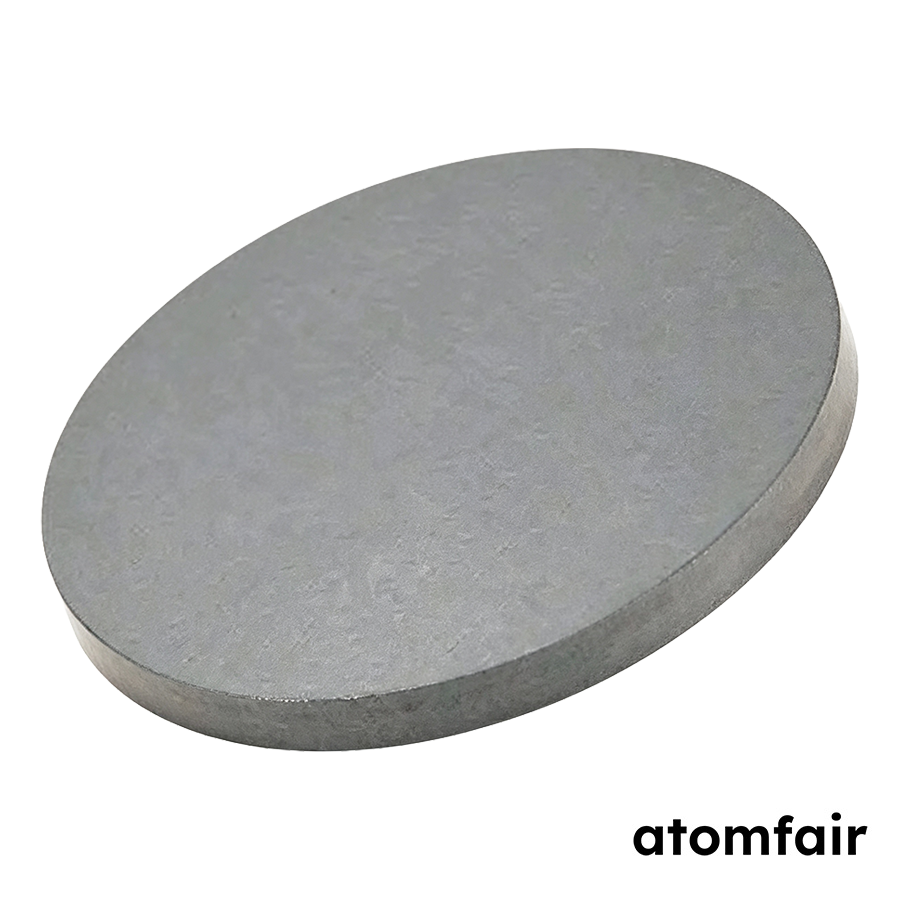
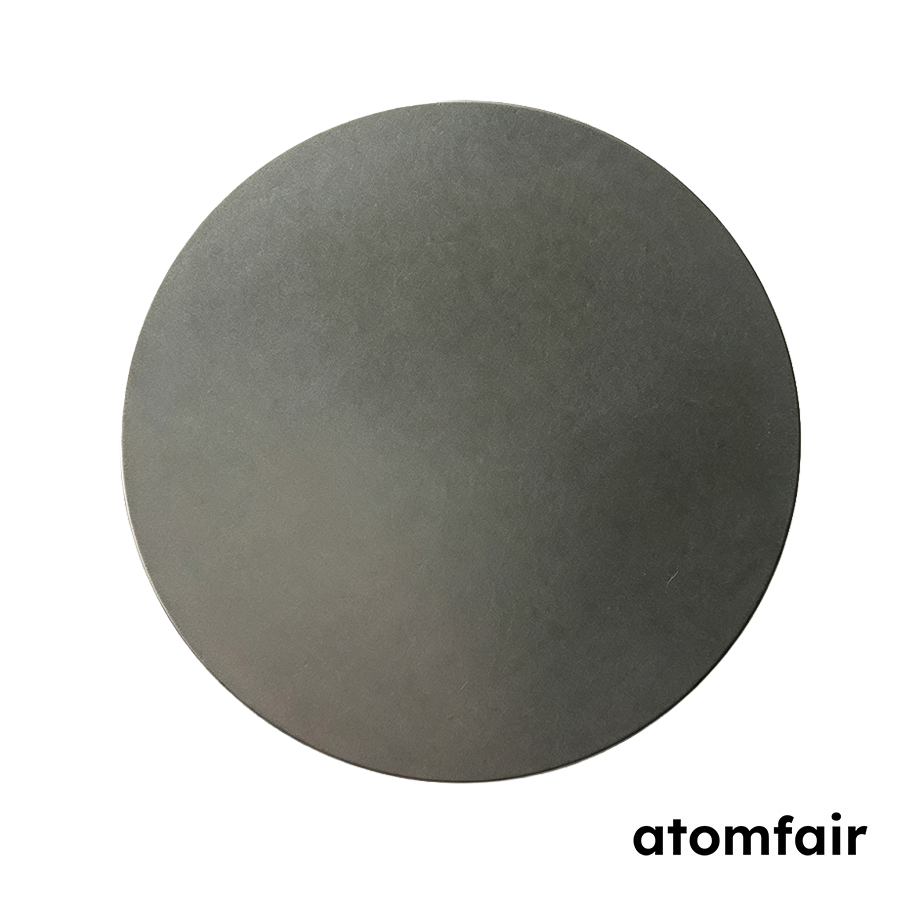
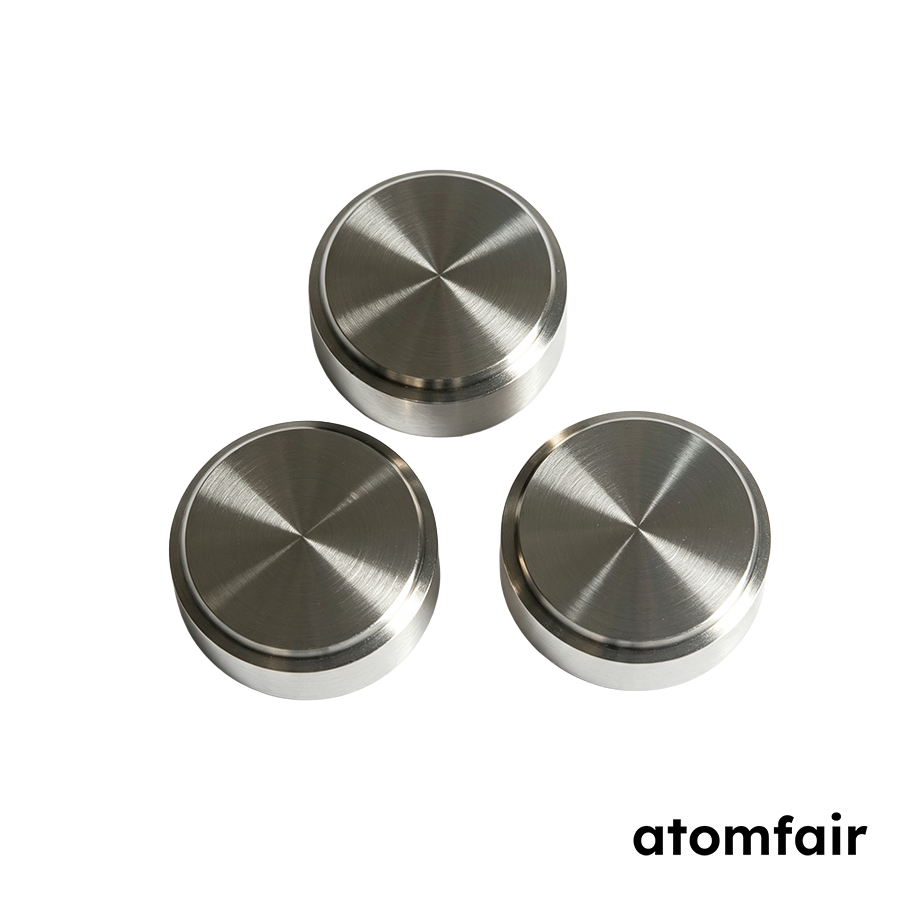
Titanium-Nickel Alloy Sputtering Target (TiNi (50:50 wt%))
Product Type: Metal alloy sputtering target
Research-grade laboratory product
|
|||||||||||||||||||||||||||||||||||||
|
|||||||||||||||||||||||||||||||||||||
|
LABORATORY PROCUREMENT SUPPORT
INQUIRY: inquiry@atomfair.com
|
|||||||||||||||||||||||||||||||||||||
|
Manufacturer: Atomfair LLC
Brand: ATOMFAIR®
|
The TiNi (50:50 wt%) sputtering target must be used only in vacuum deposition systems configured for magnetron sputtering. Process parameters, substrate preparation, and bonding selection must be matched to the deposition system to avoid contamination, stoichiometric drift, or adhesion failure.
- System compatibility check: Confirm that the selected composition, dimensions, substrate system, and quantity are compatible with the intended coating process before use.
- Sputtering atmosphere and power limits: Operate the target only under argon atmosphere and within the specified DC or RF power density range to maintain stoichiometric transfer.
- Substrate preparation criticality: Prepare substrates properly before deposition because the stated film adhesion strength is only achievable on properly prepared substrate surfaces.
- Bonding and backing plate compatibility: Select the indium or elastomer bonding option and the oxygen-free copper or CuCrZr backing plate option to match the thermal and mechanical requirements of the deposition system.
This procedure covers the prerequisite confirmation, installation, and operation of the TiNi (50:50 wt%) sputtering target in a magnetron sputtering system. Perform each step under vacuum deposition conditions and verify compatibility before power is applied.
Required Equipment: DC/RF magnetron sputtering system, Vacuum deposition chamber, Argon gas supply, Substrate holder
- Confirm target specifications
Confirm the target purity, dimensions, composition ratio, and bonding requirements against the deposition system before mounting. - Select bonding and backing plate
Select the appropriate indium or elastomer bonding and oxygen-free copper or CuCrZr backing plate for the sputtering system. - Mount target in chamber
Mount the target securely in the vacuum deposition chamber and connect it to the magnetron cathode. - Establish vacuum and argon atmosphere
Evacuate the chamber and set the argon pressure to the specified range for sputtering. - Apply sputtering power
Apply DC or RF power within the rated power density range and monitor deposition rate and film uniformity. - Verify film adhesion
Verify film adhesion on the prepared substrate after deposition to confirm the expected performance.
How does the TiNi (50:50 wt%) composition ratio affect the stoichiometry of deposited thin films, and what are the expected deposition rates under DC magnetron sputtering conditions?
The TiNi alloy target with a 50:50 wt% composition enables stoichiometric transfer to deposited films within ±2 at% under optimized sputtering conditions. Under DC magnetron sputtering at 3-15 W/cm² and 0.5-2.0 Pa Ar atmosphere, the target achieves deposition rates of 10-80 nm/min with ±5% thickness uniformity across a 100 mm substrate.
What are the bonding and backing plate options for this TiNi sputtering target, and how do they affect compatibility with different magnetron sputtering systems?
The target offers optional indium bonding or elastomer bonding, with an oxygen-free copper or CuCrZr backing plate. Indium bonding provides higher thermal conductivity for high-power applications, while elastomer bonding allows easier target removal and is preferred for systems requiring frequent target changes. The 4-inch diameter x 0.25-inch thickness geometry is standard for many sputter guns, but confirm the backing plate dimensions and bonding type with your system manufacturer.
What are the purity and impurity limits of this 99.95% TiNi sputtering target, and how should it be stored and handled to prevent contamination?
The target has a purity of 99.95% (3N5) with total metallic impurities <500 ppm and O+N <100 ppm, minimizing contamination risk in deposited films. The target should be stored in a clean, dry, vacuum-sealed environment to prevent oxidation and moisture adsorption. Handle with clean gloves and avoid touching the sputtering surface. The fine-grained structure (≤50 µm) and machined surface finish (Ra ≤0.8 µm) help reduce arcing and particle generation during sputtering.
This TiNi (50:50 wt%) sputtering target at 99.95% purity offers stoichiometric film deposition with ±5% thickness uniformity across 100 mm substrates when operated within recommended DC/RF power density and Ar pressure ranges, but requires careful selection of bonding type and backing plate to match the deposition system and achieve the specified ±2 at% composition transfer.
Positive
- High purity with low impurities: 99.95% (3N5) purity with total metallic impurities <500 ppm and O+N <100 ppm minimizes contamination, improving deposited film resistivity and adhesion.
- Optimized sputtering performance: DC/RF magnetron sputtering at 3-15 W/cm² (DC) or 1-5 W/cm² (RF) under 0.5-2.0 Pa Ar yields deposition rates of 10-80 nm/min with ±5% thickness uniformity across a 100 mm substrate.
Trade-offs
- Stoichiometric transfer requires optimization: The TiNi 50:50 wt% composition transfers within ±2 at% only under optimized sputtering parameters; deviation from recommended power density, pressure, or substrate conditions may alter film stoichiometry.
- Bonding and backing plate selection needed: The target requires selection of bonding type (indium or elastomer) and backing plate material (oxygen-free copper or CuCrZr) based on deposition system compatibility, adding a procurement coordination step.
Every advanced material, component, equipment, and instrument in our catalog is backed by rigorous testing. We maintain strict internal quality management frameworks and align with CE conformity metrics to deliver transparent, reproducible performance data via our public open-science repository.
To request raw batch performance data, submit formal vendor registration paperwork, or execute a fast-turnaround R&D manufacturing loop, contact us at inquiry@atomfair.com.
Item is dispatched under the Atomfair Shipping & Delivery Framework (Free worldwide shipping on orders over $59 USD excl. heavy equipment). Return is governed by the Atomfair Return & Refund Policy (7-day technical return window).