|
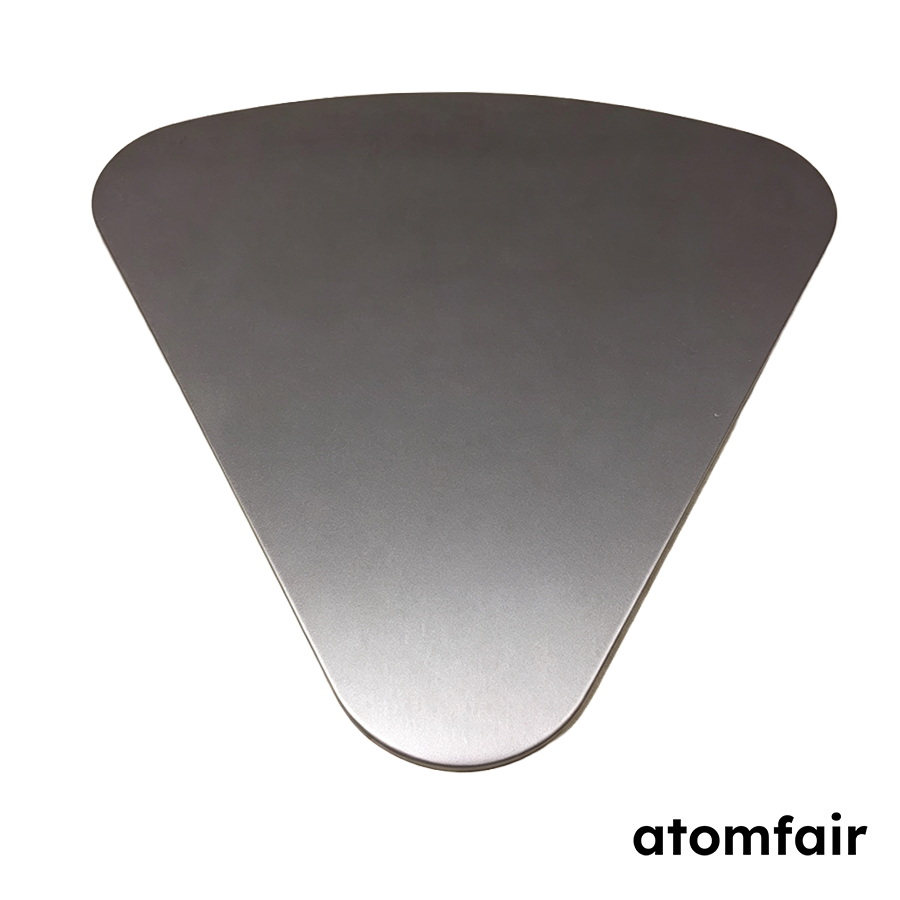
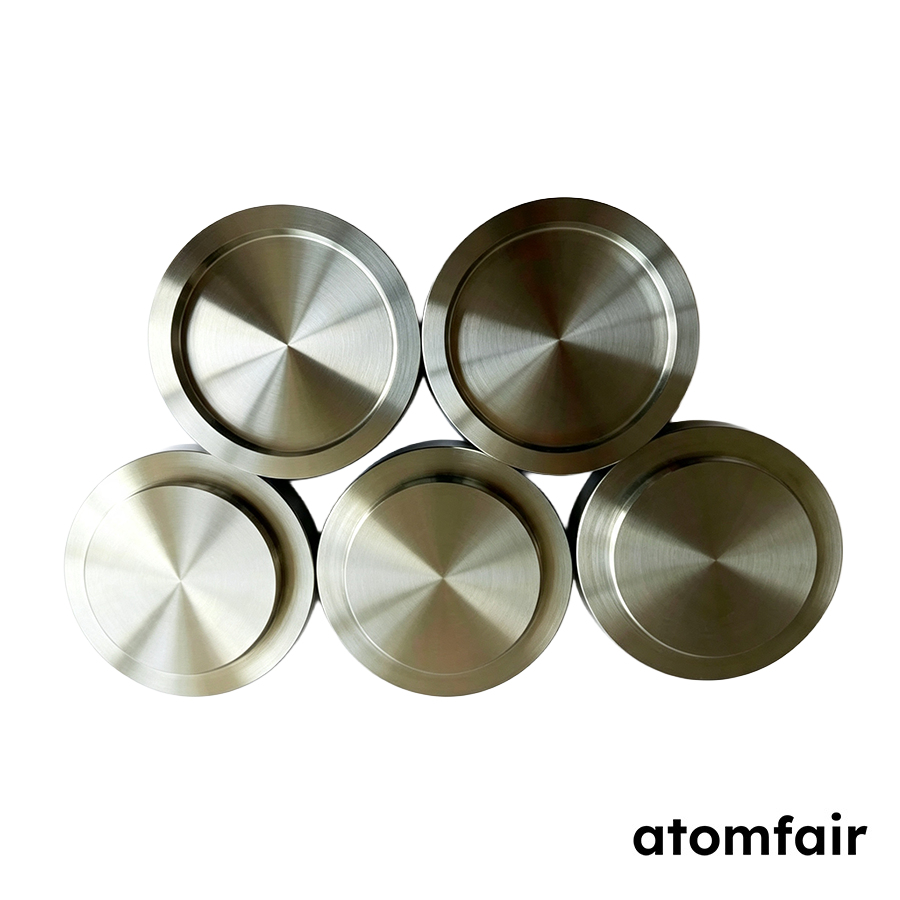
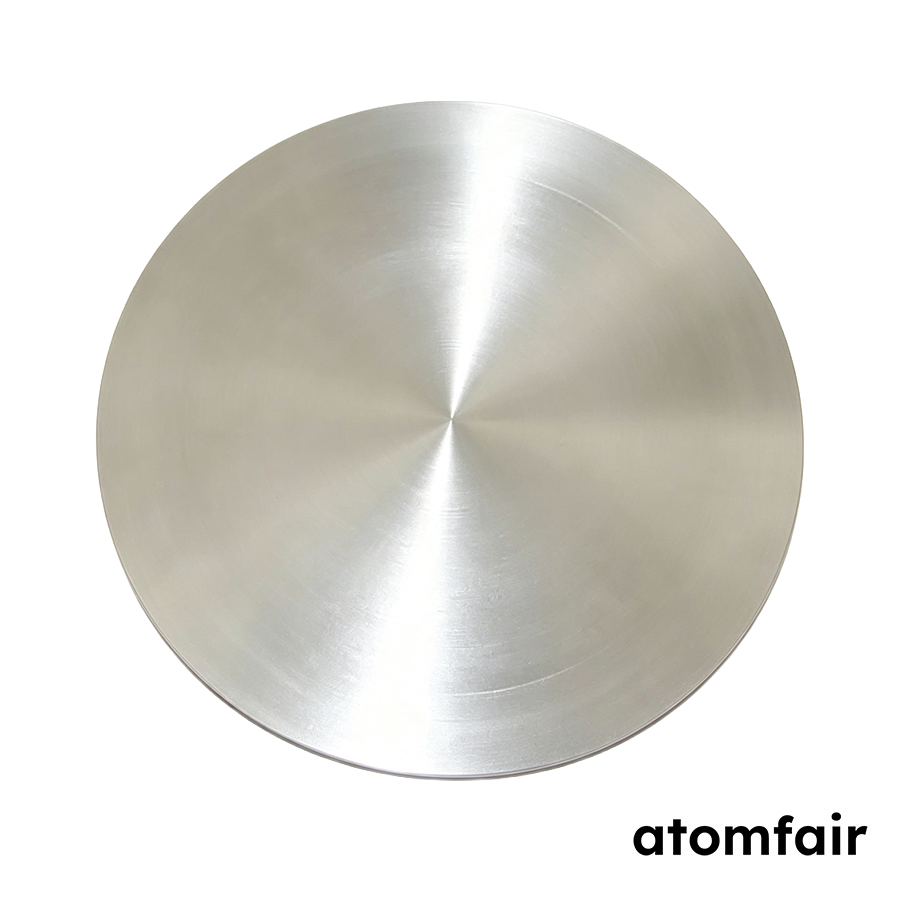
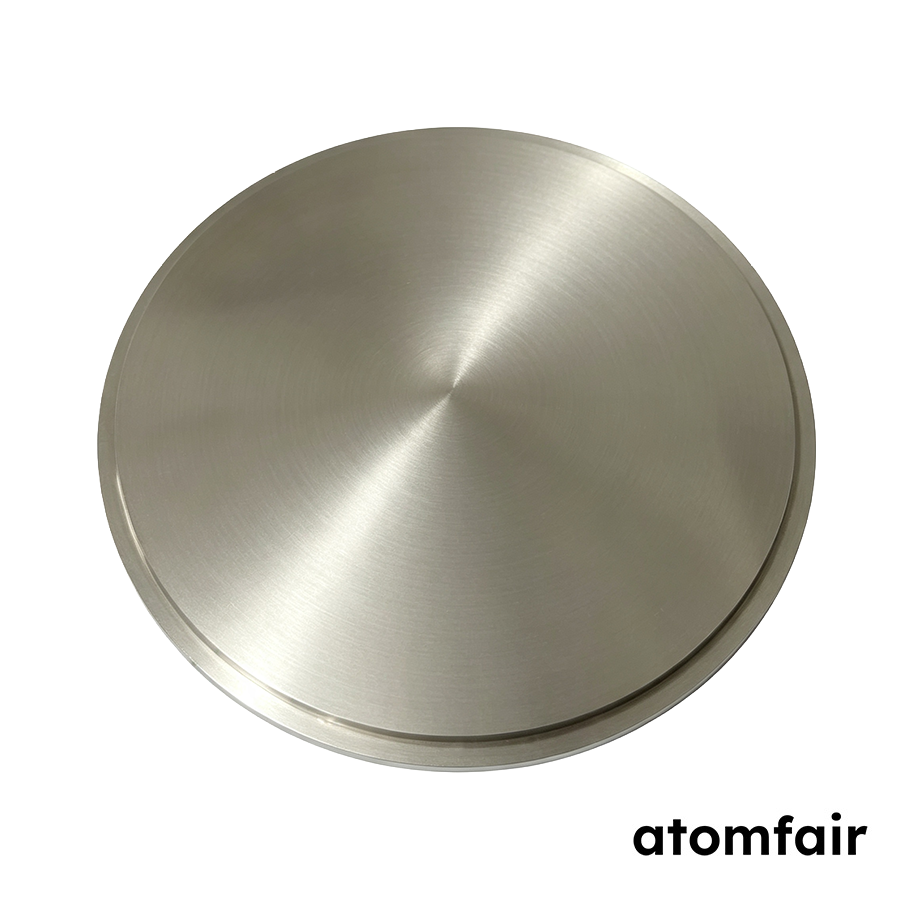
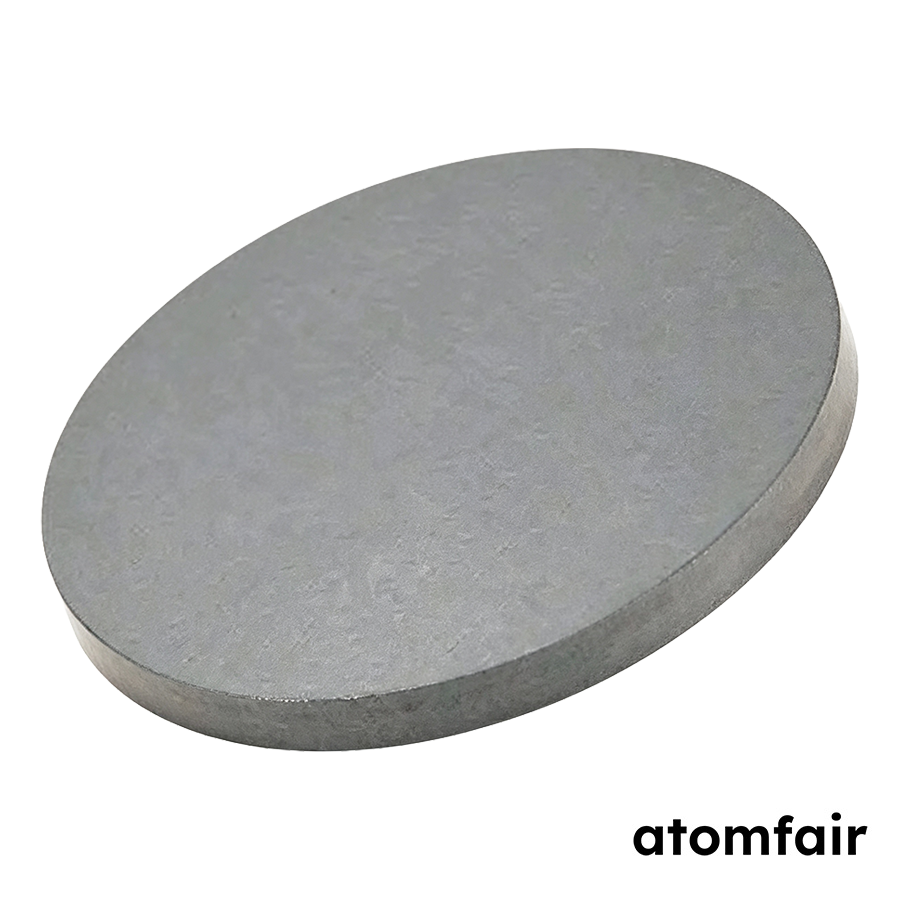
Iron Alloy Sputtering Target (TbFe(45/55at%))
Product Type: Metal alloy sputtering target
Research-grade laboratory product
|
|||||||||||||||||||||||||||||||||||||
|
|||||||||||||||||||||||||||||||||||||
|
LABORATORY PROCUREMENT SUPPORT
INQUIRY: inquiry@atomfair.com
|
|||||||||||||||||||||||||||||||||||||
|
Manufacturer: Atomfair LLC
Brand: ATOMFAIR®
|
The target must be stored in a dry, inert atmosphere to prevent oxidation of the reactive iron and terbium components. Deposition requires a vacuum environment with controlled Ar pressure and power density to avoid target cracking or delamination from the backing plate.
- Environmental Sensitivity: Exposure to ambient moisture or oxygen can degrade the target surface, increasing arcing and particulate contamination during sputtering.
- Thermal Management: Indium or elastomer bonding to a copper backing plate is required to dissipate heat and prevent thermal stress fractures at power densities above 15 W/cm².
- Contamination Risk: Total metallic impurities below 1000 ppm and O+N below 200 ppm must be maintained to avoid compromising film resistivity and adhesion.
- Mechanical Integrity: The fine-grained microstructure (≤50 µm) and machined surface finish (Ra ≤0.8 µm) reduce nodule formation but require careful handling to avoid edge chipping.
This procedure covers mounting, bonding verification, and pre-sputter conditioning of the TbFe(45/55at%) target for DC/RF magnetron sputtering. Proper execution minimizes arcing and ensures stoichiometric film transfer.
Required Equipment: DC/RF magnetron sputtering system with Ar gas supply, Indium or elastomer bonding press (if unbonded target), Oxygen-free copper or CuCrZr backing plate, Vacuum-compatible gloves and cleanroom wipes
- Inspect target and backing plate
Inspect the target surface for cracks, chips, or oxidation discoloration and verify the backing plate flatness within ±0.1 mm. - Bond target to backing plate
Apply indium foil or elastomer adhesive evenly between the target and backing plate, then press at 150°C (indium) or per adhesive specification to achieve full contact. - Mount assembly in sputtering chamber
Secure the bonded assembly onto the magnetron cathode using the manufacturer's clamp or screw mechanism, ensuring electrical continuity. - Evacuate chamber and introduce Ar
Evacuate the chamber to base pressure below 5×10⁻⁴ Pa, then backfill with 99.999% Ar to a working pressure of 0.5–2.0 Pa. - Condition target by pre-sputtering
Pre-sputter the target at 50% of maximum rated power for 10–15 minutes with the shutter closed to remove surface oxides and stabilize the plasma. - Set deposition parameters
Set DC power density to 3–15 W/cm² or RF power density to 1–5 W/cm², then open the shutter to begin deposition on the substrate. - Monitor film thickness and uniformity
Monitor deposition rate via quartz crystal microbalance and adjust target-to-substrate distance to maintain ±5% thickness uniformity across a 100 mm substrate.
What are the recommended power density ranges for DC vs RF magnetron sputtering of the TbFe(45/55at%) target, and what deposition rates can be expected?
For DC magnetron sputtering, operate at 3–15 W/cm²; for RF sputtering, use 1–5 W/cm², both under an Ar atmosphere of 0.5–2.0 Pa. Under these conditions, deposition rates of 10–80 nm/min are achievable with ±5% thickness uniformity across a 100 mm substrate, and stoichiometric transfer within ±2 at% Tb/Fe ratio is maintained.
What bonding and backing plate options are available for this TbFe sputtering target, and how do they affect thermal management?
The target is available with indium bonding (standard) or elastomer bonding (optional), and backing plate options of oxygen-free copper or CuCrZr. Indium bonding provides superior thermal conductivity for high-power DC applications, while elastomer bonding may be chosen to avoid indium contamination or at lower thermal loads. The backing plate material selection also influences thermal dissipation and system compatibility.
The Atomfair TbFe(45/55at%) iron alloy sputtering target offers 99.9% purity and fine-grained microstructure for magnetic and magneto-optical thin film deposition, with deposition rates of 10-80 nm/min and adhesion >15 MPa, but requires process optimization for ±2 at% composition control and careful selection of bonding and backing plate.
Positive
- High Purity and Low Contaminants: 99.9% (3N) purity with total metallic impurities <1000 ppm and O+N <200 ppm minimizes film contamination, improving deposited film resistivity and adhesion.
- Fine-Grained Microstructure: Grain size ≤ 50 µm and relative density ≥93% of theoretical promote uniform sputtering erosion and consistent film thickness distribution.
Trade-offs
- Composition Tolerance Requires Optimized Process: Stoichiometric transfer within ±2 at% is achievable only under optimized sputtering conditions (power density, pressure, substrate temperature), requiring careful process development.
- Bonding and Backing Plate Complexity: Indium or elastomer bonding and choice of backing plate (oxygen-free copper or CuCrZr) must be specified to match the thermal and mechanical demands of the deposition system, adding procurement complexity.
Every advanced material, component, equipment, and instrument in our catalog is backed by rigorous testing. We maintain strict internal quality management frameworks and align with CE conformity metrics to deliver transparent, reproducible performance data via our public open-science repository.
To request raw batch performance data, submit formal vendor registration paperwork, or execute a fast-turnaround R&D manufacturing loop, contact us at inquiry@atomfair.com.
Item is dispatched under the Atomfair Shipping & Delivery Framework (Free worldwide shipping on orders over $59 USD excl. heavy equipment). Return is governed by the Atomfair Return & Refund Policy (7-day technical return window).