ATOMFAIR® AF-ASB-IPS BATTERY PREPARATION SYSTEMRESEARCH GRADE MATERIAL
|
|||||||||||||||||||||||||||||||||||||
|
|||||||||||||||||||||||||||||||||||||
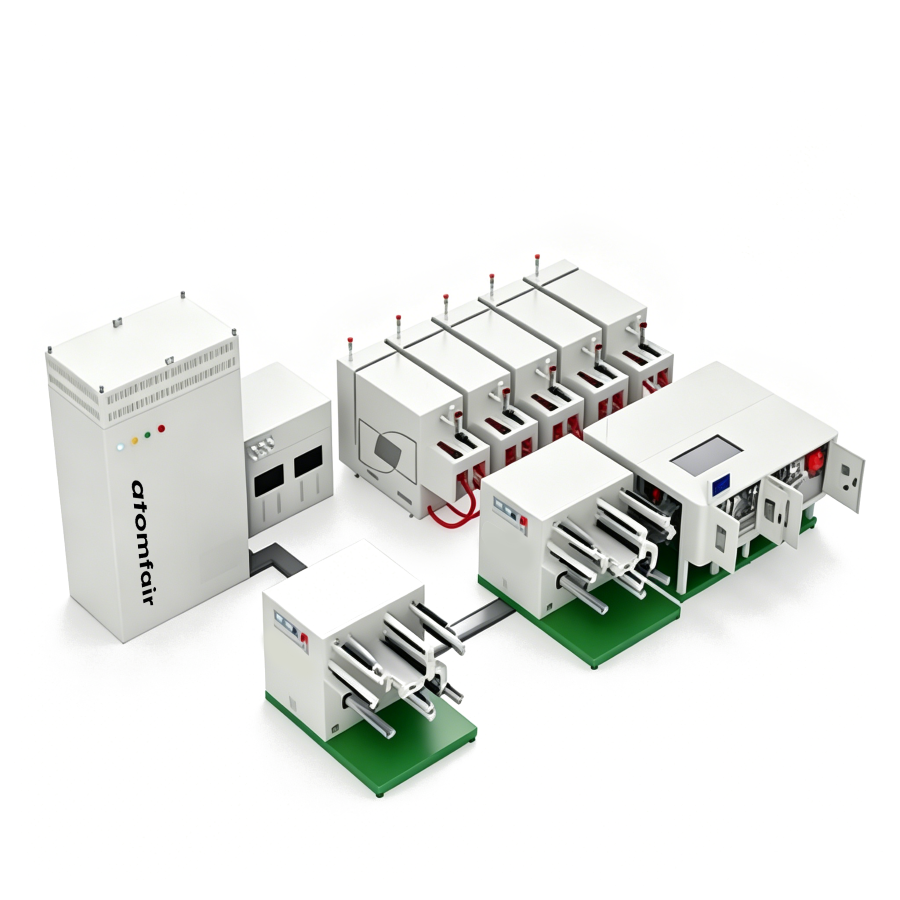
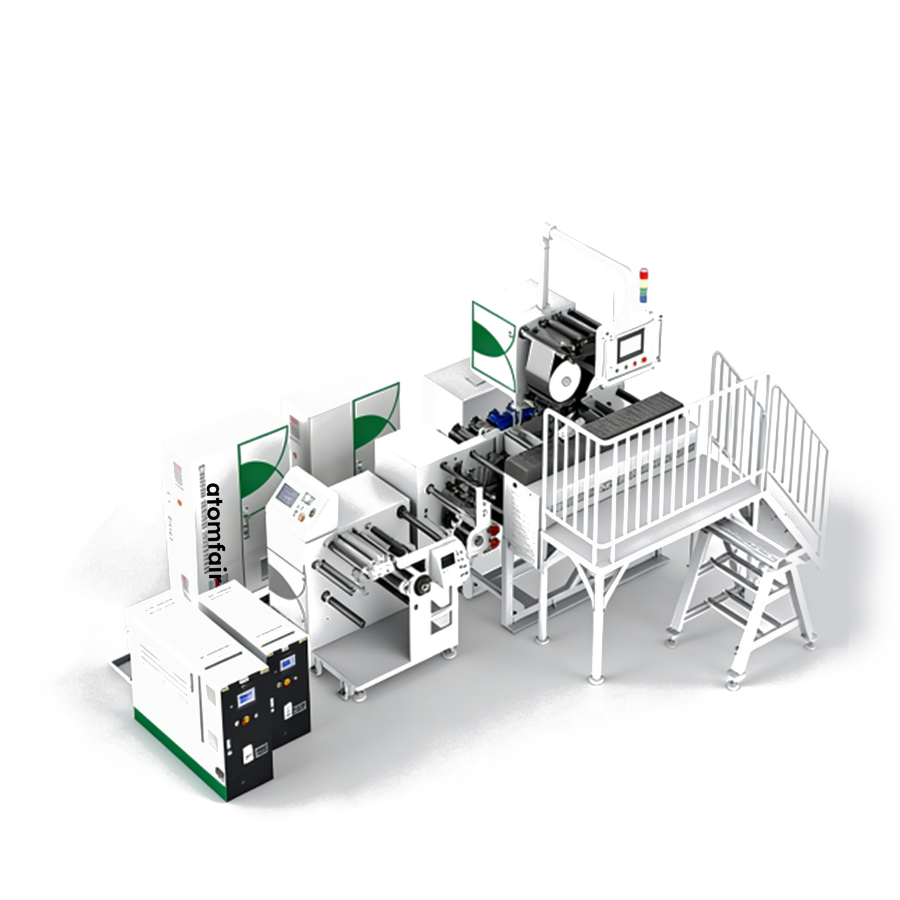
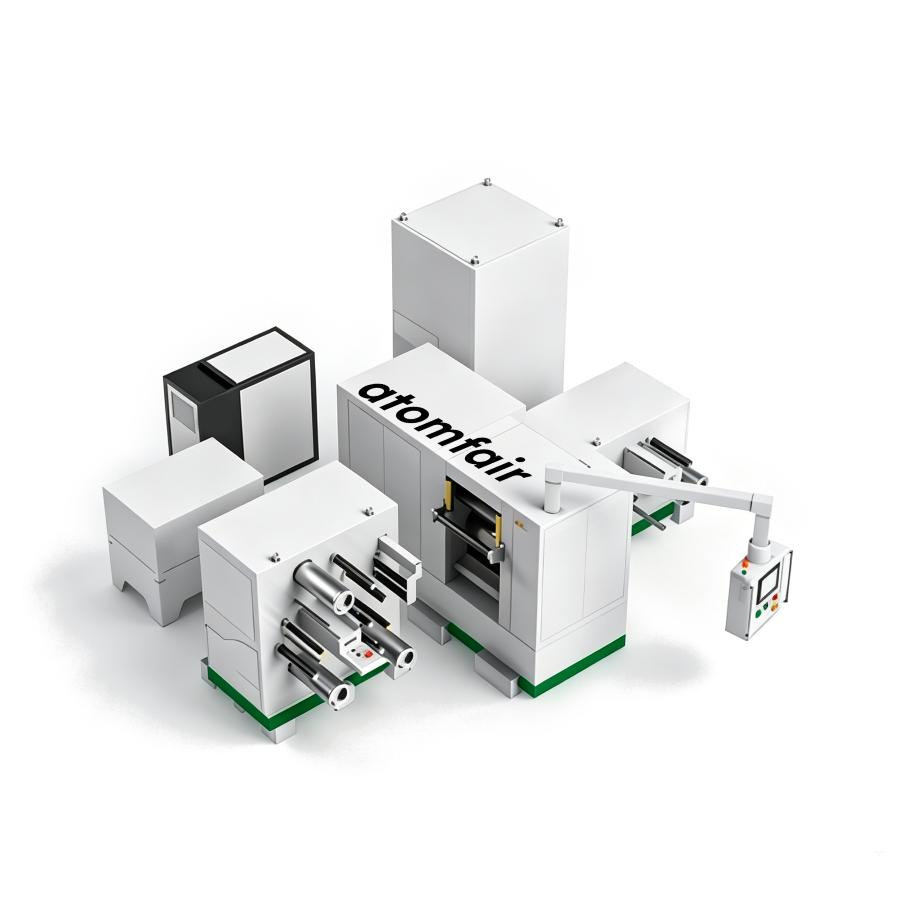
The Atomfair AF-ASB-IPS prints and cures electrode layers for all-solid-state batteries using a 4-nozzle system. The process requires sequential layer deposition with in-situ drying to minimize interface impedance.
Required Equipment: Atomfair AF-ASB-IPS Integrated Preparation System
- Load inks
Prepare the electrode inks and load them into the four printing heads. - Configure platform
Set the printing platform temperature between room temperature and 60°C and activate vacuum adsorption. - Print first layer
Print the first layer using the programmed pattern with a line width down to 150 micrometers. - Dry and cure in situ
Activate the in-situ drying and curing mechanism for the printed layer. - Repeat for subsequent layers
Repeat printing and curing for each subsequent layer until the desired structure is achieved.
What is the trade-off between the heating platform's temperature range (room temperature to 60°C) and the curing time for solid electrolyte inks in the AF-ASB-IPS?
The heating platform provides controlled drying up to 60°C, which accelerates solvent evaporation and in-situ curing for common solid electrolyte inks. However, for materials requiring curing above 60°C, the limited temperature range may increase processing time or necessitate additional post-processing steps, as the system cannot exceed this maximum.
Can the 4-nozzle multi-material printing capability accommodate high-viscosity solid electrolyte slurries without clogging?
The system supports online printing of up to 4 different materials with ultra-fine printing needles achieving minimum line widths of ≤150 μm and line spacing of ≤100 μm. High-viscosity slurries may cause nozzle clogging or inconsistent extrusion, so materials must be formulated to a viscosity compatible with the needle size and the high-precision screw module for reliable printing.
Does the Atomfair AF-ASB-IPS require a controlled atmosphere or glovebox for processing moisture-sensitive solid electrolyte materials?
The product description specifies a vacuum adsorption printing platform with customizable heating but does not include an inert atmosphere or sealed enclosure. Therefore, processing moisture-sensitive materials such as sulfide-based electrolytes would require external environmental control like a glovebox or dry room to prevent degradation during printing.
The AF-ASB-IPS integrates multi-material printing with in-situ drying and curing to reduce solid-solid interface impedance, enabling precise fabrication of complex all-solid-state battery electrode structures, though its small build volume and moderate heating range constrain sample size and thermal processing options.
Positive
- Multi-material online printing capability: Supports up to 4 different materials for simultaneous printing, enabling flexible fabrication of multi-layer all-solid-state battery components with complex architectures.
- In-situ drying and curing reduces interface impedance: Layer-by-layer in-situ drying and curing during printing minimizes solid-solid interfacial impedance, directly enhancing the electrochemical performance of the assembled battery.
Trade-offs
- Small build volume limits sample size: The maximum working range of 110×100×20 mm restricts the physical dimensions of electrode sheets that can be fabricated, making the system unsuitable for large-format cell production.
- Moderate heating range up to 60°C: The printing platform heating is limited to room temperature ~60°C, which may be insufficient for thermal post-processing steps that require higher temperatures for complete curing or annealing.
Every advanced material, component, equipment, and instrument in our catalog is backed by rigorous testing. We maintain strict internal quality management frameworks and align with CE conformity metrics to deliver transparent, reproducible performance data via our public open-science repository.
To request raw batch performance data, submit formal vendor registration paperwork, or execute a fast-turnaround R&D manufacturing loop, contact us at inquiry@atomfair.com.
Item is dispatched under the Atomfair Shipping & Delivery Framework (Free worldwide shipping on orders over $59 USD excl. heavy equipment). Return is governed by the Atomfair Return & Refund Policy (7-day technical return window).