|
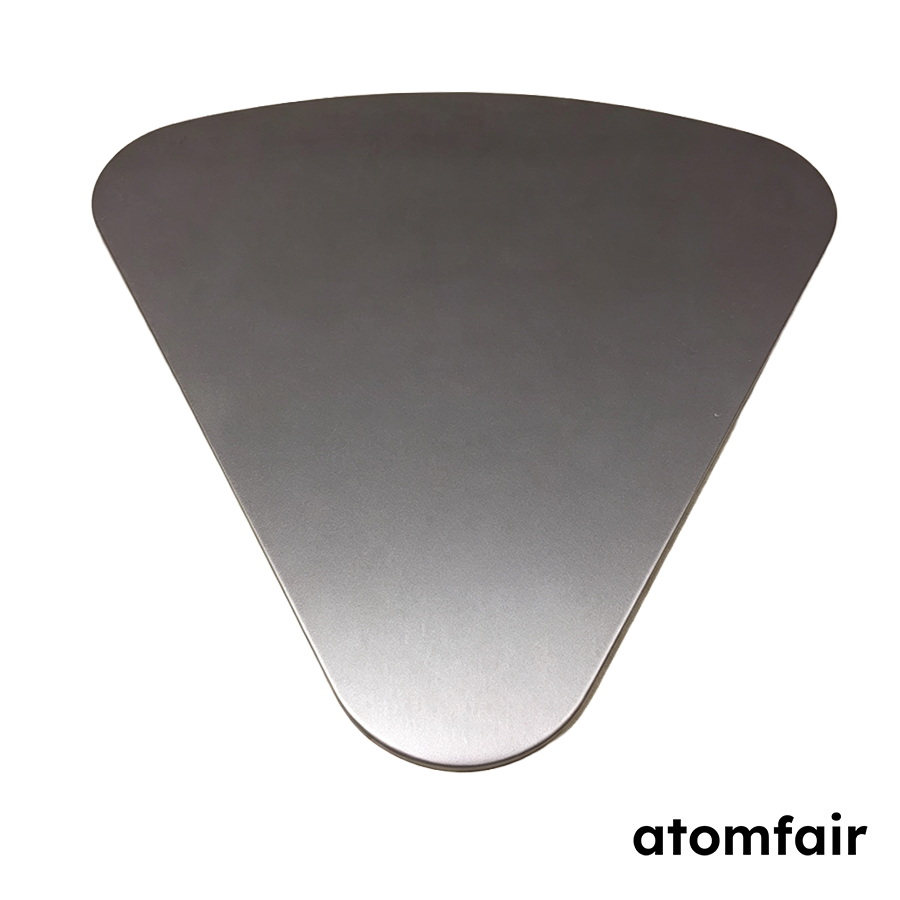
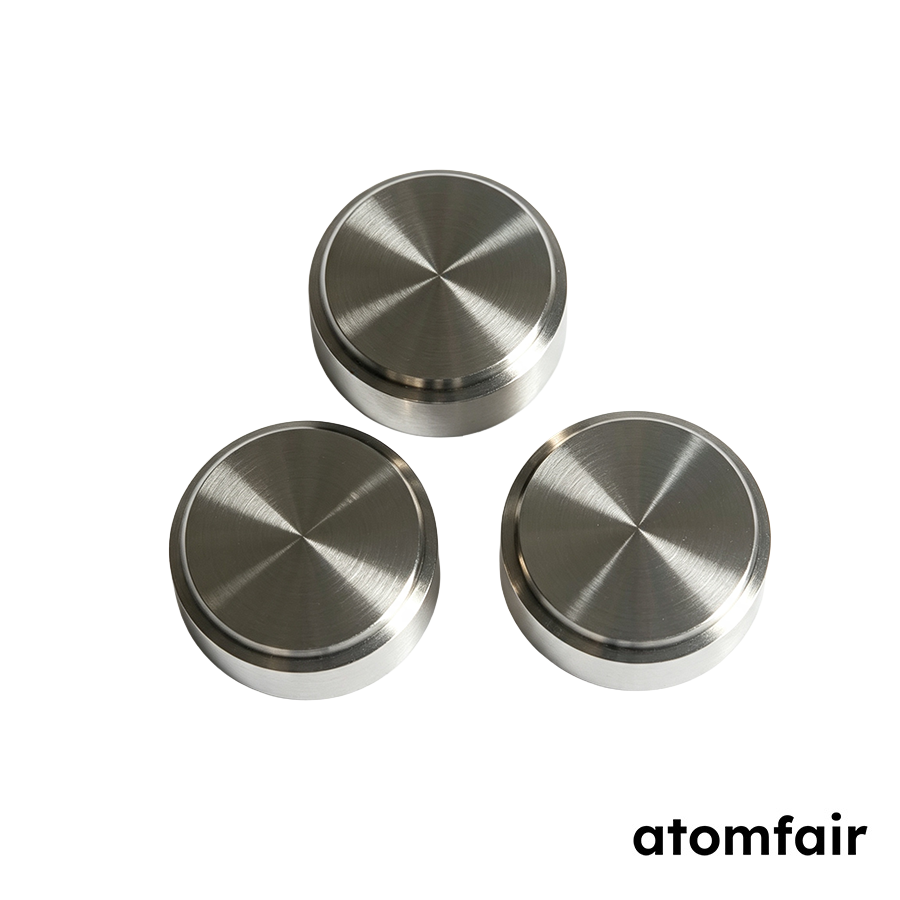
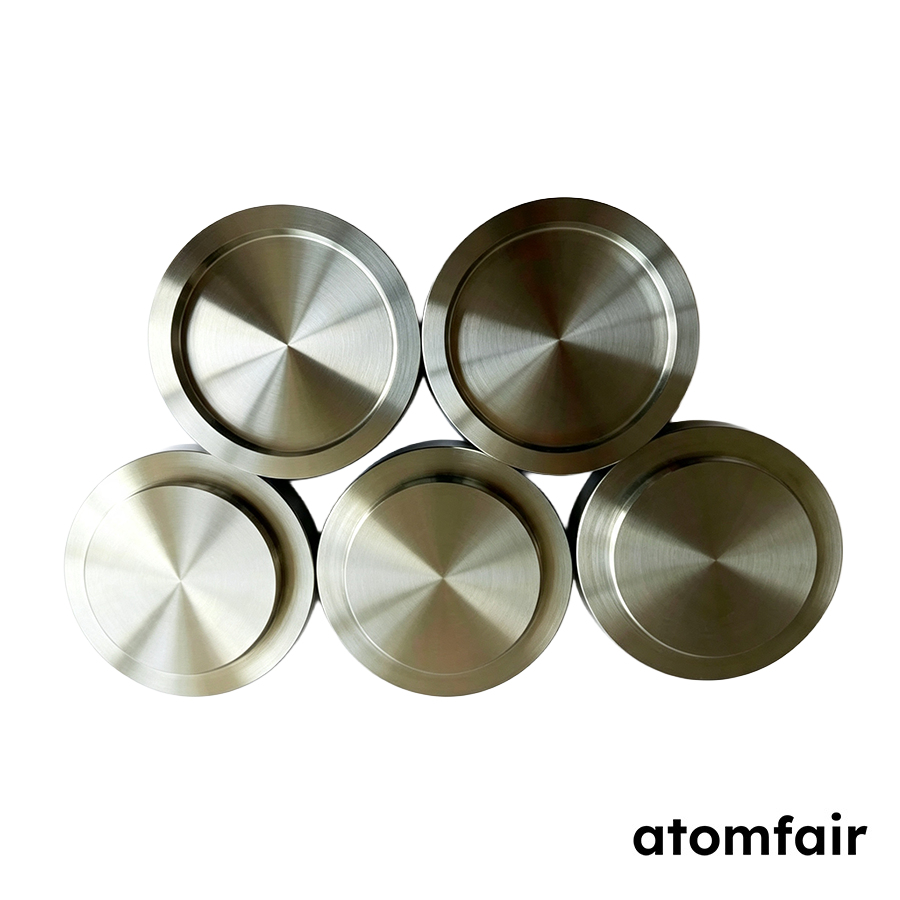
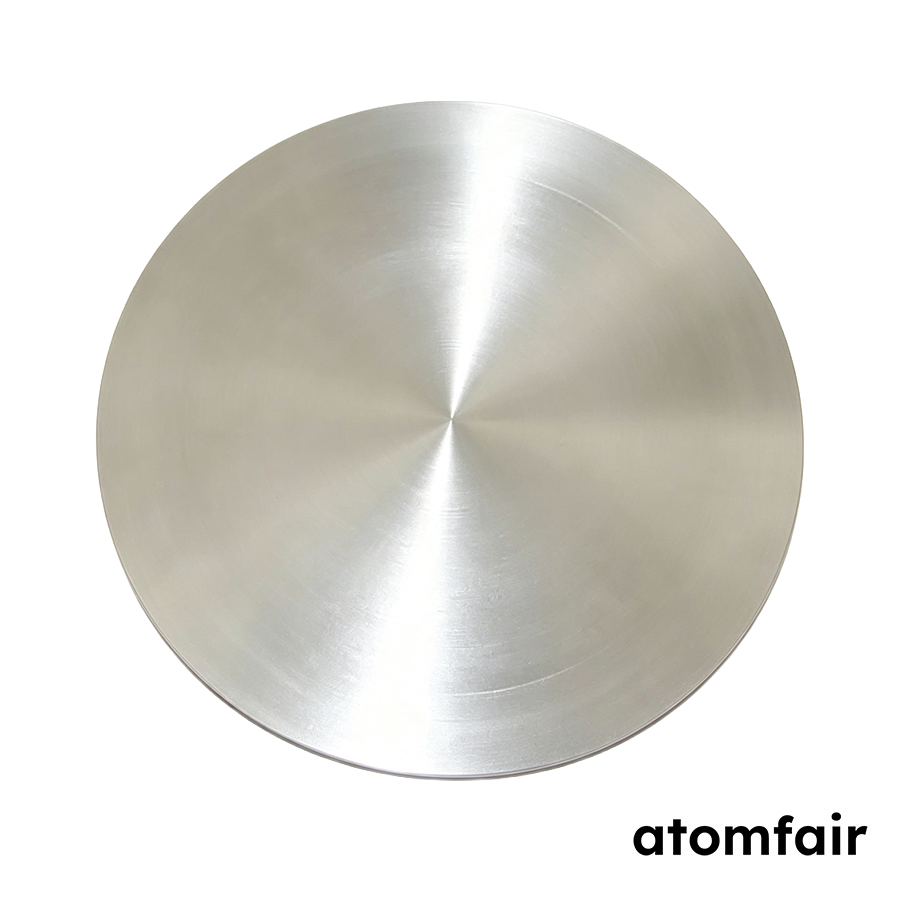
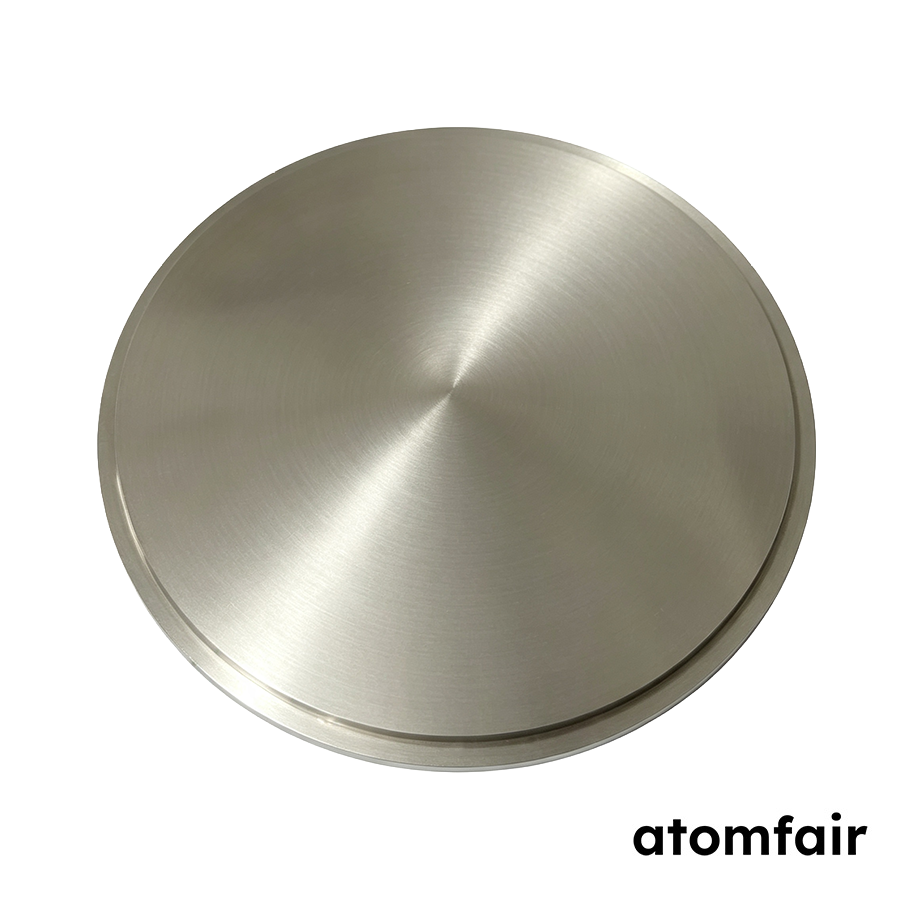
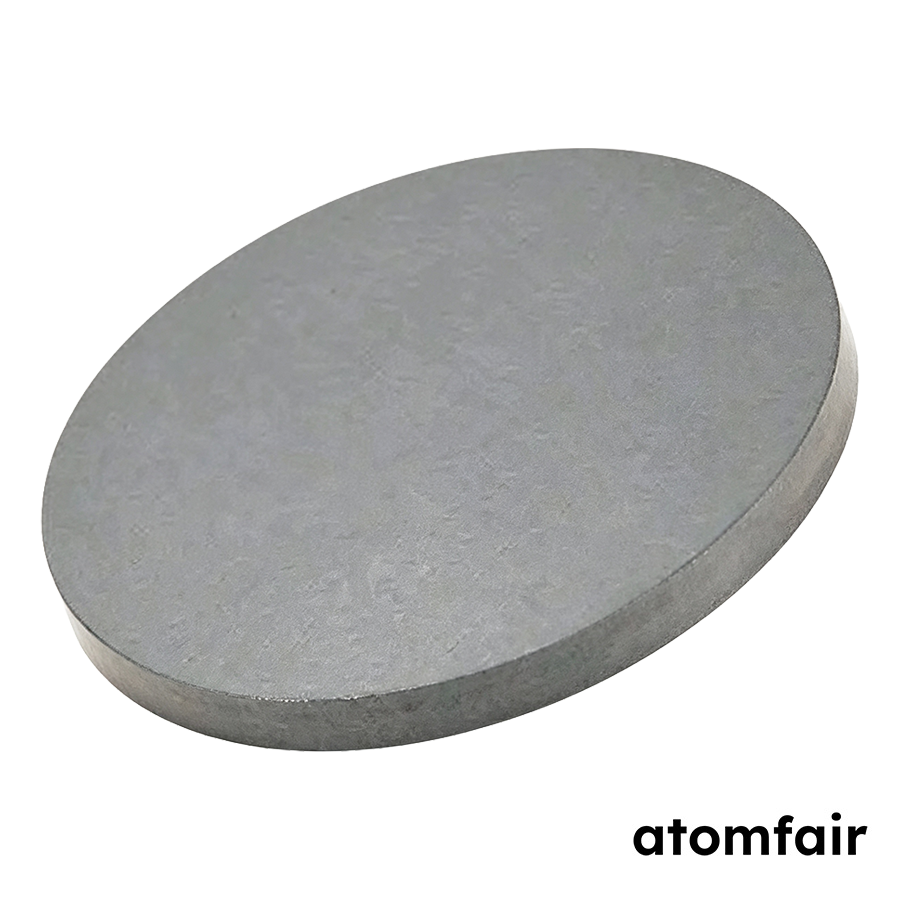
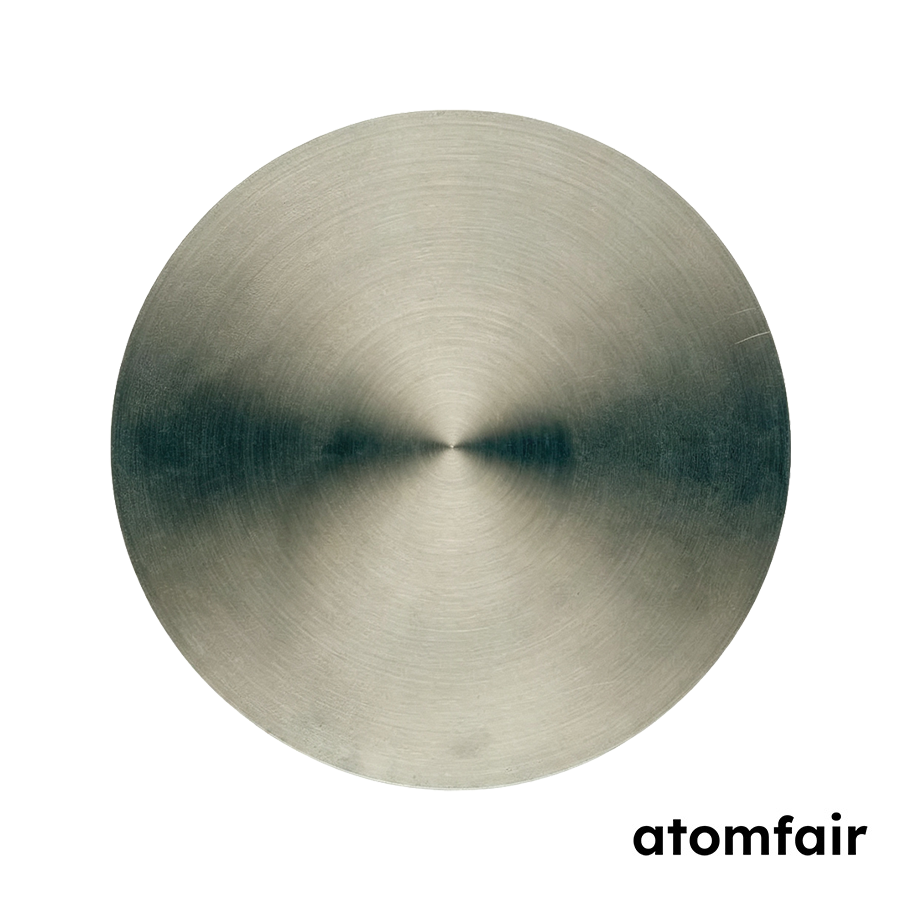
Iron Alloy Sputtering Target (SmFe)
Product Type: Metal alloy sputtering target
Research-grade laboratory product
|
|||||||||||||||||||||||||||||||||||||
|
|||||||||||||||||||||||||||||||||||||
|
LABORATORY PROCUREMENT SUPPORT
INQUIRY: inquiry@atomfair.com
|
|||||||||||||||||||||||||||||||||||||
|
Manufacturer: Atomfair LLC
Brand: ATOMFAIR®
|
The SmFe sputtering target requires controlled vacuum deposition conditions to maintain stoichiometric transfer and film quality. Environmental exposure to moisture or oxygen may degrade the target surface and compromise deposited film adhesion.
- Sputtering Atmosphere Constraint: Operate under 0.5-2.0 Pa Ar atmosphere to achieve stable plasma and prevent oxidation during deposition.
- Power Density Limit: Apply DC power density of 3-15 W/cm² or RF power density of 1-5 W/cm² to avoid target cracking or excessive heating.
- Substrate Preparation Requirement: Properly prepare substrates to achieve deposited film adhesion strength greater than 15 MPa per ASTM D4541 pull-off testing.
- Bonding Integrity Constraint: Use indium or elastomer bonding to ensure thermal contact between target and backing plate, preventing delamination under sputtering conditions.
This procedure covers mounting the SmFe sputtering target into a magnetron source and initiating deposition under controlled vacuum. Proper handling and parameter setup are critical to avoid target damage and achieve uniform film growth.
Required Equipment: Magnetron sputtering system with DC/RF power supply, Vacuum chamber with Ar gas inlet and pressure controller, Substrate holder with temperature control
- Inspect target and bonding layer
Inspect the SmFe target surface for cracks, contamination, or delamination from the backing plate before mounting. - Mount target into magnetron source
Secure the bonded target assembly onto the magnetron cathode using the appropriate clamping mechanism to ensure uniform thermal contact. - Evacuate chamber and introduce Ar gas
Evacuate the deposition chamber to base pressure below 1×10⁻⁴ Pa, then backfill with Ar to a working pressure of 0.5-2.0 Pa. - Set power density parameters
Set DC power density to 3-15 W/cm² or RF power density to 1-5 W/cm², ensuring the target surface remains below thermal damage thresholds. - Pre-sputter target to remove surface contamination
Pre-sputter the target for 5-10 minutes with shutter closed to remove any oxidized or contaminated surface layer. - Deposit film onto substrate
Open the shutter and deposit the SmFe film at a rate of 10-80 nm/min, monitoring thickness uniformity across the substrate. - Verify film adhesion and stoichiometry
Confirm deposited film adhesion exceeds 15 MPa via pull-off testing and verify SmFe composition within ±2 at% of nominal using EDS or XRF.
What is the optimal power density range for sputtering SmFe targets to achieve stoichiometric transfer?
For stoichiometric transfer within ±2 at%, operate at 3–15 W/cm² for DC or 1–5 W/cm² for RF magnetron sputtering under 0.5–2.0 Pa Ar atmosphere. Deviation outside these ranges may alter film composition or deposition rate.
Can this SmFe sputtering target be used with both DC and RF magnetron sputtering systems?
Yes, the SmFe target is optimized for both DC and RF magnetron sputtering. It supports DC power densities of 3–15 W/cm² and RF power densities of 1–5 W/cm². Ensure your system's target holder and bonding type are compatible; optional indium or elastomer bonding and oxygen-free copper or CuCrZr backing plates are available.
What bonding and backing plate options are available for the SmFe sputtering target, and how do they affect thermal management?
The target is offered with optional indium bonding or elastomer bonding, and backing plates of oxygen-free copper or CuCrZr. Indium bonding provides excellent thermal conductivity for high-power sputtering, while elastomer bonding facilitates easier target exchange. Oxygen-free copper ensures high thermal dissipation, and CuCrZr offers higher mechanical strength. Choose based on your power density and thermal budget.
The SmFe alloy sputtering target (99.99% purity, 2 in diameter x 0.25 in thickness) enables stoichiometric film transfer within ±2 at% under optimized DC/RF magnetron sputtering, with deposition rates of 10-80 nm/min and ±5% thickness uniformity across 100 mm substrates, suitable for magnetic and hydrogen-storage thin films.
Positive
- High purity with low impurities: 99.99% (4N) purity with total metallic impurities <100 ppm and O+N <20 ppm minimizes contamination, improving deposited film resistivity and adhesion.
- Controlled grain size and density: Fine-grained microstructure (≤50 µm) and relative density ≥93% of theoretical support consistent sputtering behavior and film uniformity.
Trade-offs
- Bonding and backing plate options: Indium or elastomer bonding and oxygen-free copper or CuCrZr backing plates are optional, requiring specification at order to ensure compatibility with deposition system thermal management.
- Stoichiometry sensitive to conditions: Stoichiometric transfer within ±2 at% is achieved only under optimized sputtering conditions; deviations in power density, pressure, or substrate temperature may alter film composition.
Every advanced material, component, equipment, and instrument in our catalog is backed by rigorous testing. We maintain strict internal quality management frameworks and align with CE conformity metrics to deliver transparent, reproducible performance data via our public open-science repository.
To request raw batch performance data, submit formal vendor registration paperwork, or execute a fast-turnaround R&D manufacturing loop, contact us at inquiry@atomfair.com.
Item is dispatched under the Atomfair Shipping & Delivery Framework (Free worldwide shipping on orders over $59 USD excl. heavy equipment). Return is governed by the Atomfair Return & Refund Policy (7-day technical return window).