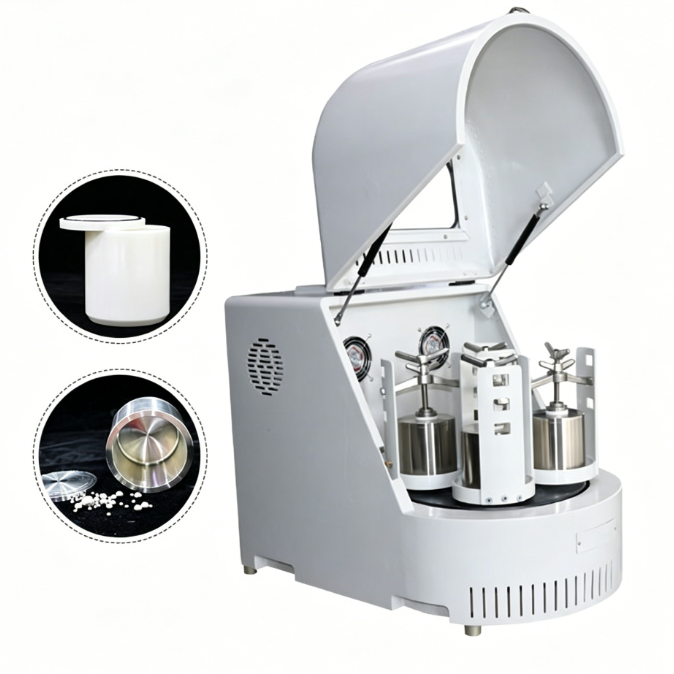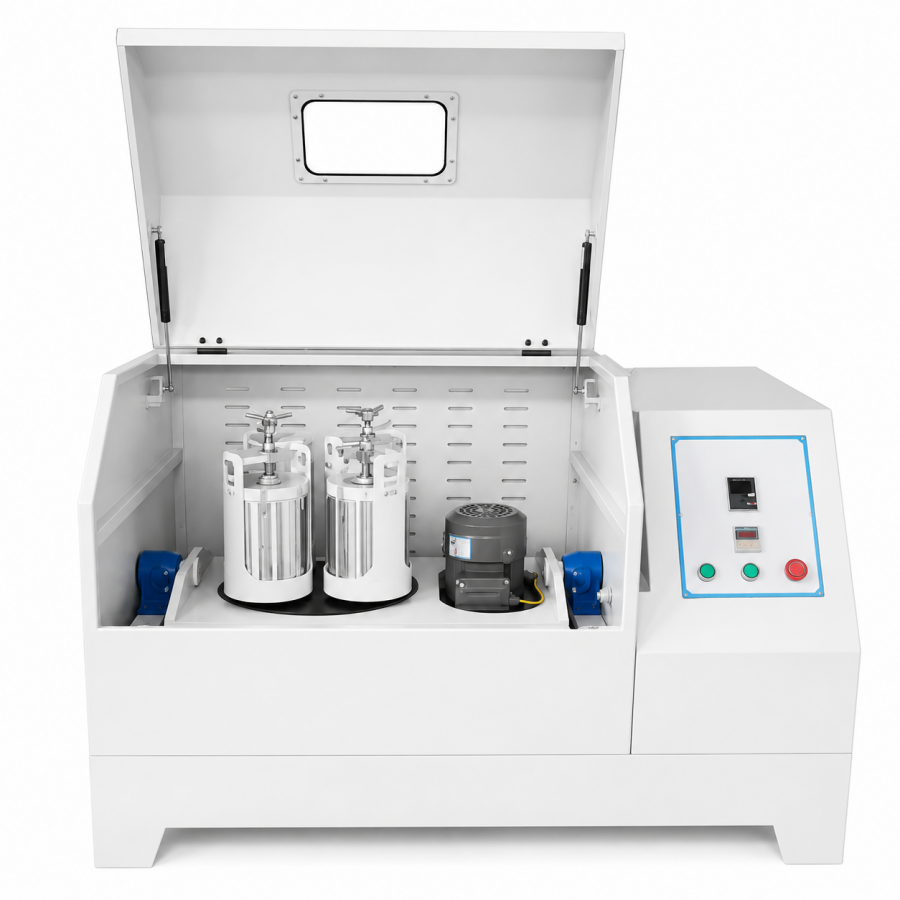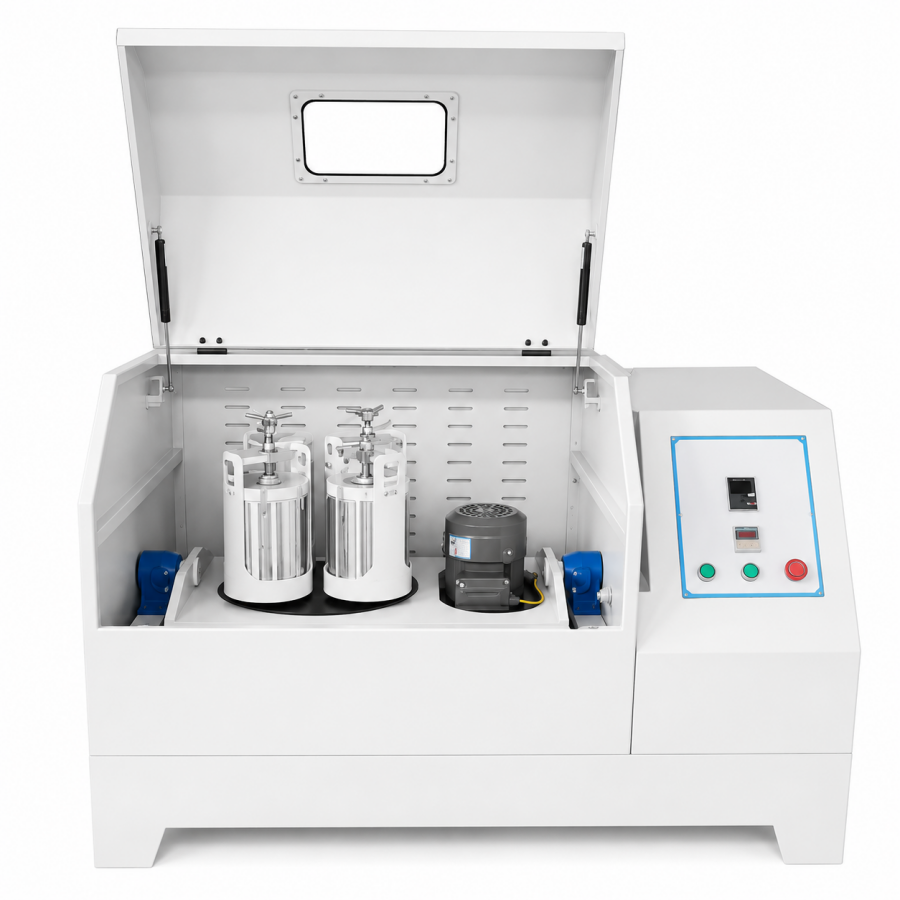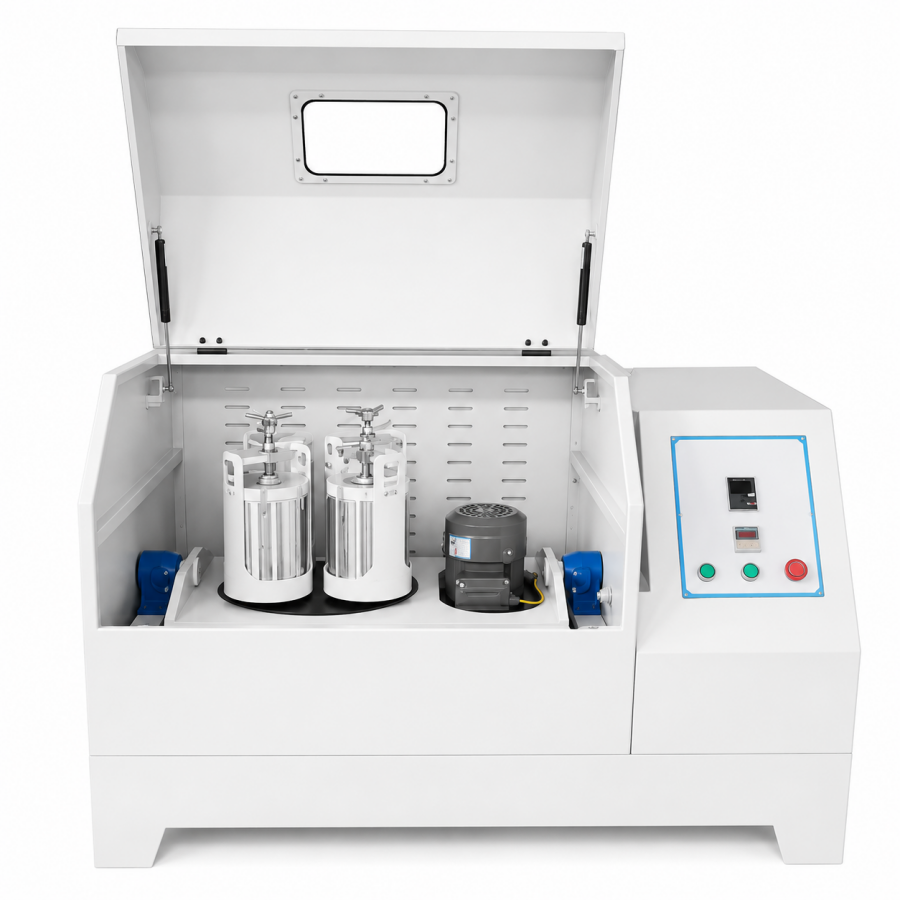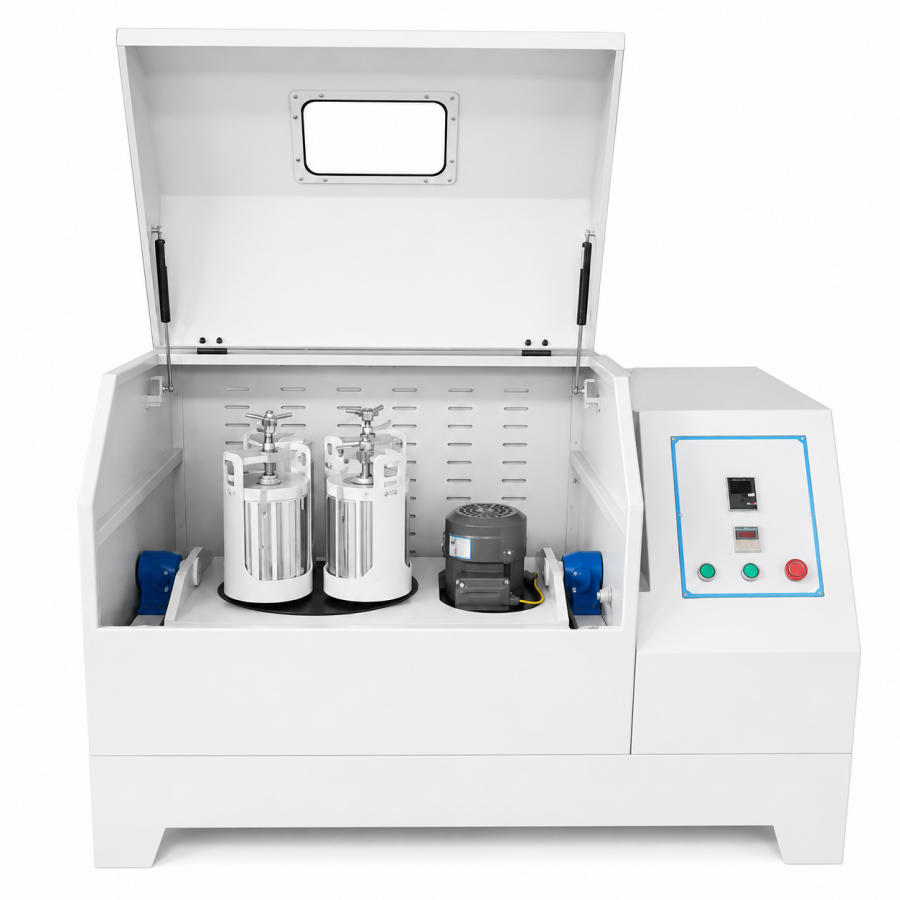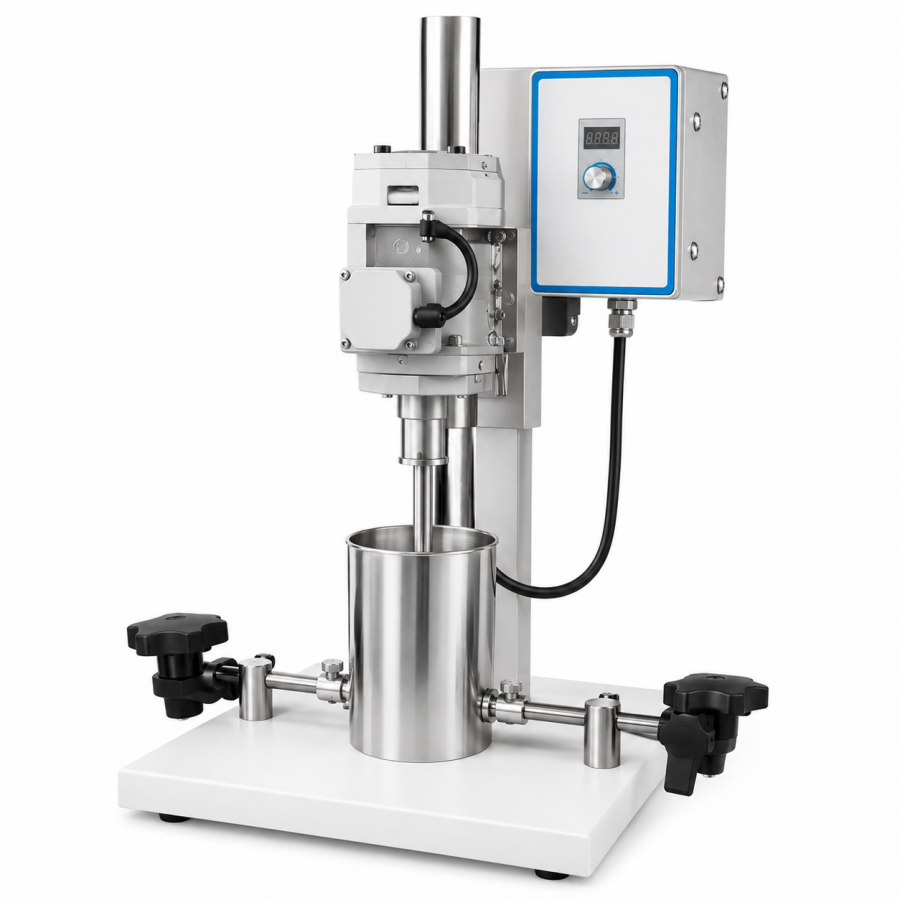
ATOMFAIR SBM-2L LABORATORY STIRRED BALL MILL ULTRASFINE GRINDINGRESEARCH GRADE EQUIPMENT
|
||||||||||||||||||||||||||||||||||||||||||||||||||||||||||||||||||||||||||||||||||||||||||||||||||||||||||||||||||||||||||||||||||||||||||||||||||||||||
|
||||||||||||||||||||||||||||||||||||||||||||||||||||||||||||||||||||||||||||||||||||||||||||||||||||||||||||||||||||||||||||||||||||||||||||||||||||||||
|
TAILORED SOLUTIONS FOR RESEARCH
Contact our engineering team for technical support or official quotations.
EMAIL: inquiry@atomfair.com
|
||||||||||||||||||||||||||||||||||||||||||||||||||||||||||||||||||||||||||||||||||||||||||||||||||||||||||||||||||||||||||||||||||||||||||||||||||||||||
|
Manufacturer: Atomfair LLC
Brand: ATOMFAIR®
|
The SBM-2L stirred ball mill requires a continuous cooling water supply and must be operated with grinding jars and media that are chemically compatible with the target material. The mill's electrical system must be properly grounded, and the grinding chamber must be securely closed before operation to prevent mechanical hazards.
- Cooling Water Requirement: Connect the jacketed cooling chamber to a water supply before starting the mill to prevent thermal damage.
- Material Compatibility: Select jar and ball materials that are inert to the sample to avoid cross-contamination and chemical reaction.
- Electrical Safety: Ensure the electrical supply matches the motor specifications and includes a residual-current device for operator safety.
- Mechanical Loading Limit: Do not load the grinding chamber beyond the maximum working capacity of 0.7 liters to prevent mechanical overload.
- Feed Size Constraint: Feed material must not exceed 5 mm in diameter to avoid clogging or damage to the grinding mechanism.
This procedure describes the safe initialization and operation of the SBM-2L stirred ball mill for ultrafine grinding. Follow these steps to ensure proper operation and avoid equipment damage.
Required Equipment: Grinding jar (sold separately), Grinding media (sold separately), Cooling water supply, User manual
- Connect Cooling Water
Connect the cooling water supply to the jacketed chamber and verify adequate flow before powering the mill. - Install Grinding Jar and Media
Select a compatible grinding jar and fill it with grinding media to approximately 40% of the jar's capacity. - Load Material
Load the material into the jar, ensuring the total volume does not exceed the maximum working capacity of 0.7 liters. - Secure Chamber and Start
Secure the jar into the mill, close the chamber, set the desired speed using the frequency control, and start the mill. - Unload After Grinding
Stop the mill, use the automatic lifting feature to raise the stirring shaft, and tilt the chamber to unload the ground product.
Why does the SBM-2L stirred ball mill have a maximum material load of only 0.7 L despite a 2 L total jar volume?
The 2 L total volume accommodates both grinding media (typically filled to 40% of jar capacity) and the slurry. The 0.7 L maximum load ensures sufficient free space for media movement and efficient energy transfer, preventing overfilling that would reduce grinding efficiency. This design is standard for stirred mills to achieve ultrafine output ≤1 μm from feed material ≤5 mm.
Which grinding jar and ball material combinations are recommended for contamination-free processing of metal-sensitive samples in the SBM-2L?
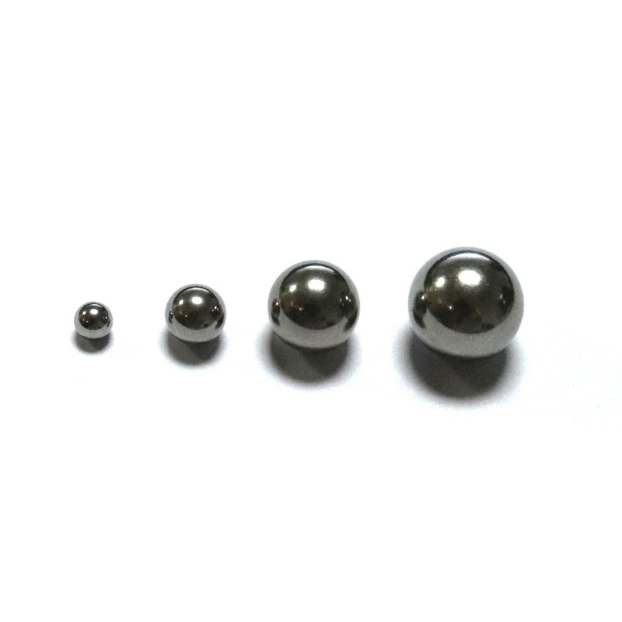
For zero-metal analysis, use agate (natural SiO₂) jars and agate grinding balls, as they introduce no metallic contamination. For high-purity oxide ceramics, YSZ (yttria-stabilized zirconia) or Al₂O₃ jars with matching media are recommended. The SBM-2L supports nine jar materials (WC-Co, Al₂O₃, Agate, YSZ, SS, PU, Ceramic, Nylon) and seven ball materials, allowing precise matching to avoid cross-contamination as stated in the product description.
What cooling water infrastructure is required for the jacketed cooling system on the SBM-2L?
The SBM-2L's jacketed cooling system requires connection to an appropriate cooling water supply capable of maintaining consistent temperature during extended grinding operations. While specific flow rates are not stated, the system is designed for laboratory tap water or recirculating chiller connections to prevent thermal degradation of temperature-sensitive materials, as noted in the product's key features and important notice.
The ATOMFAIR SBM-2L is a lab-scale stirred ball mill with a 0.37 kW motor and frequency speed control (50-1400 rpm), offering ultrafine grinding down to ≤1 μm from ≤5 mm feed, with jacketed cooling for thermal management, but requiring separate purchase of grinding jars and media and a cooling water supply.
Positive
- High energy utilization with ultrafine output: The stirred mill design achieves significantly higher power density than conventional ball mills, delivering consistent ultrafine grinding to particle sizes ≤1 μm from maximum feed of 5 mm.
- Jacketed cooling for precise temperature control: The double-walled cooling jacket enables effective heat dissipation during extended grinding operations, preventing thermal degradation of temperature-sensitive materials.
Trade-offs
- Grinding jars and media ordered separately: The grinding jar and grinding balls are not included with the main unit; they must be purchased separately, adding to the initial setup cost and lead time.
- Requires external cooling water supply: The jacketed cooling system must be connected to an appropriate cooling water supply, requiring lab plumbing infrastructure for temperature-controlled operation.
Every advanced material, component, equipment, and instrument in our catalog is backed by rigorous testing. We maintain strict internal quality management frameworks and align with CE conformity metrics to deliver transparent, reproducible performance data via our public open-science repository.
To request raw batch performance data, submit formal vendor registration paperwork, or execute a fast-turnaround R&D manufacturing loop, contact us at inquiry@atomfair.com.
Item is dispatched under the Atomfair Shipping & Delivery Framework (Free worldwide shipping on orders over $59 USD excl. heavy equipment). Return is governed by the Atomfair Return & Refund Policy (7-day technical return window).