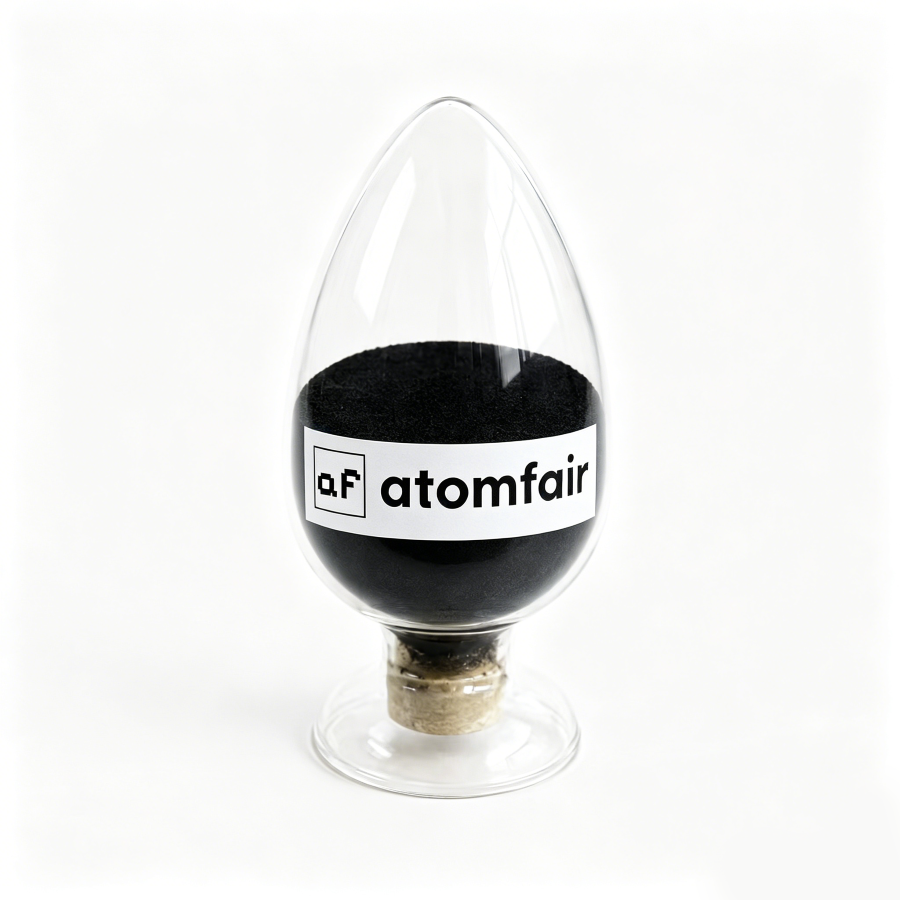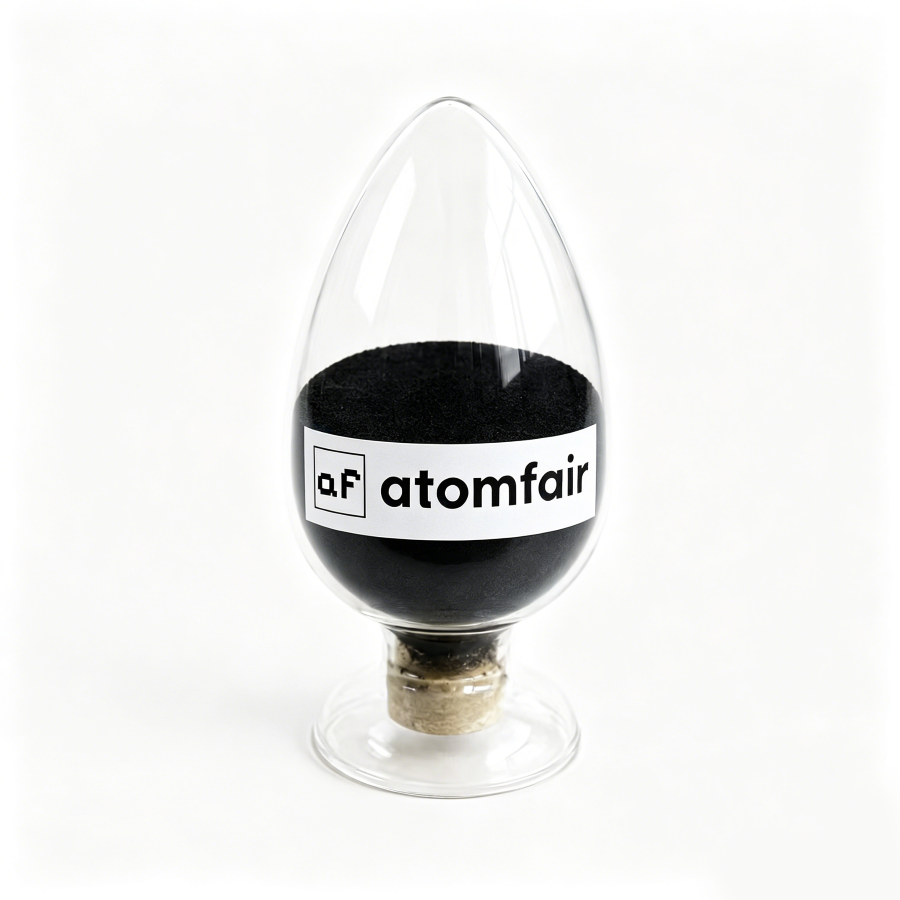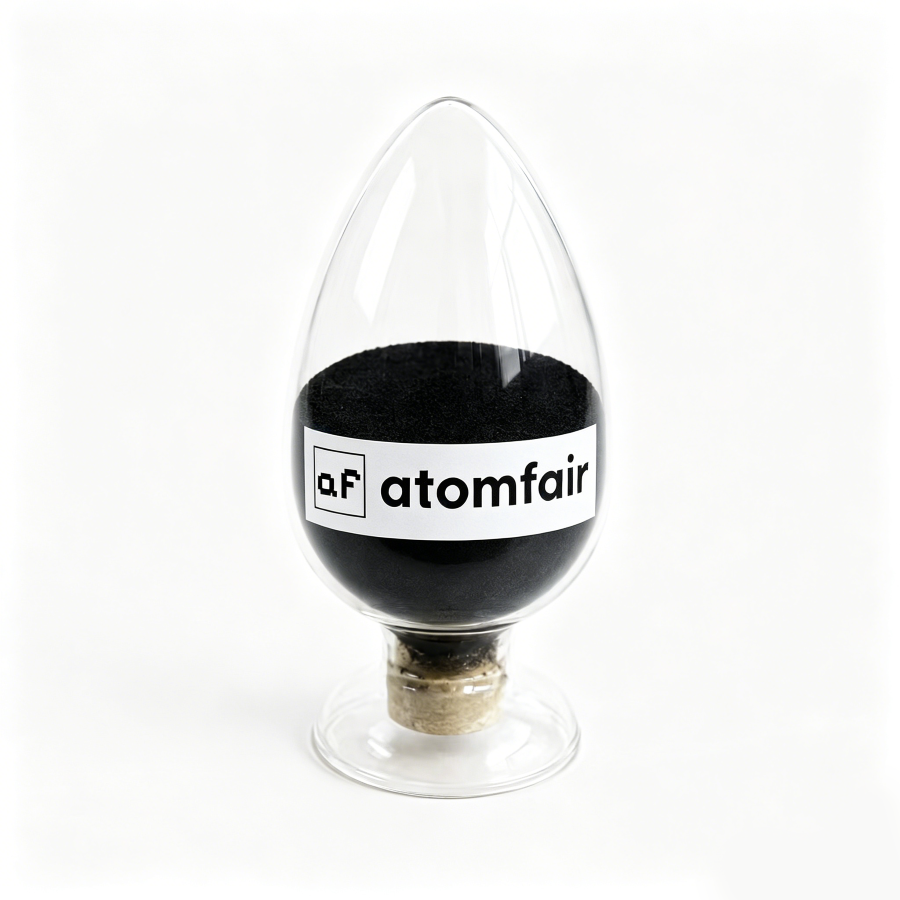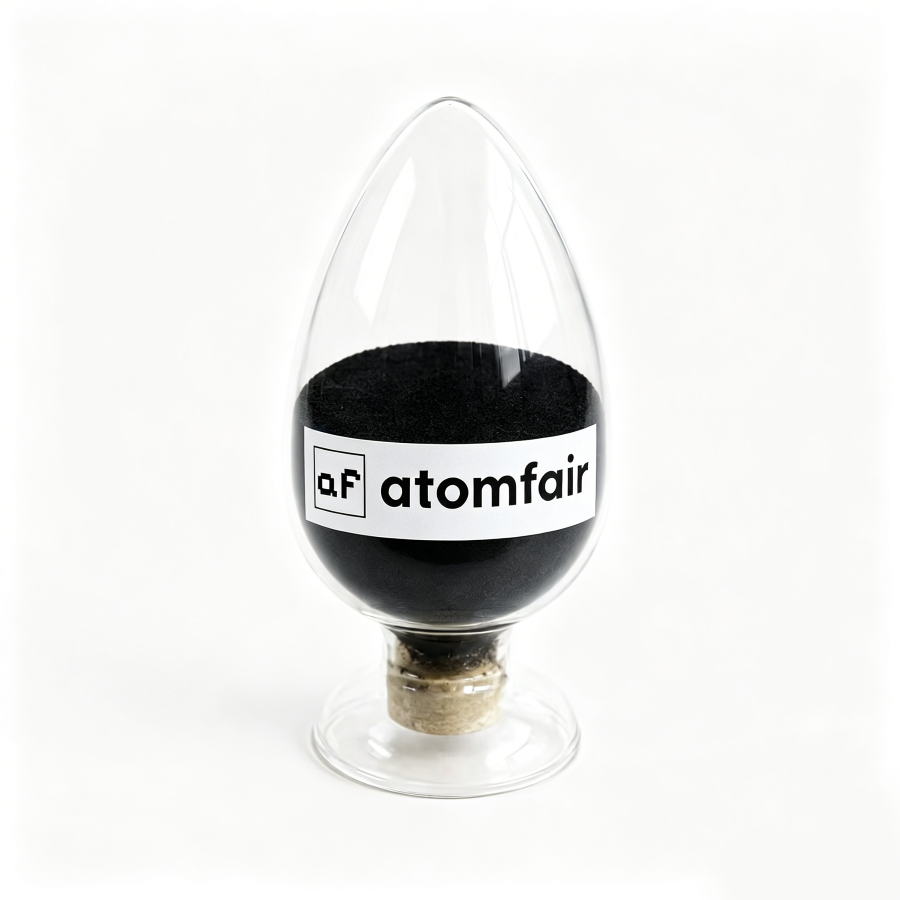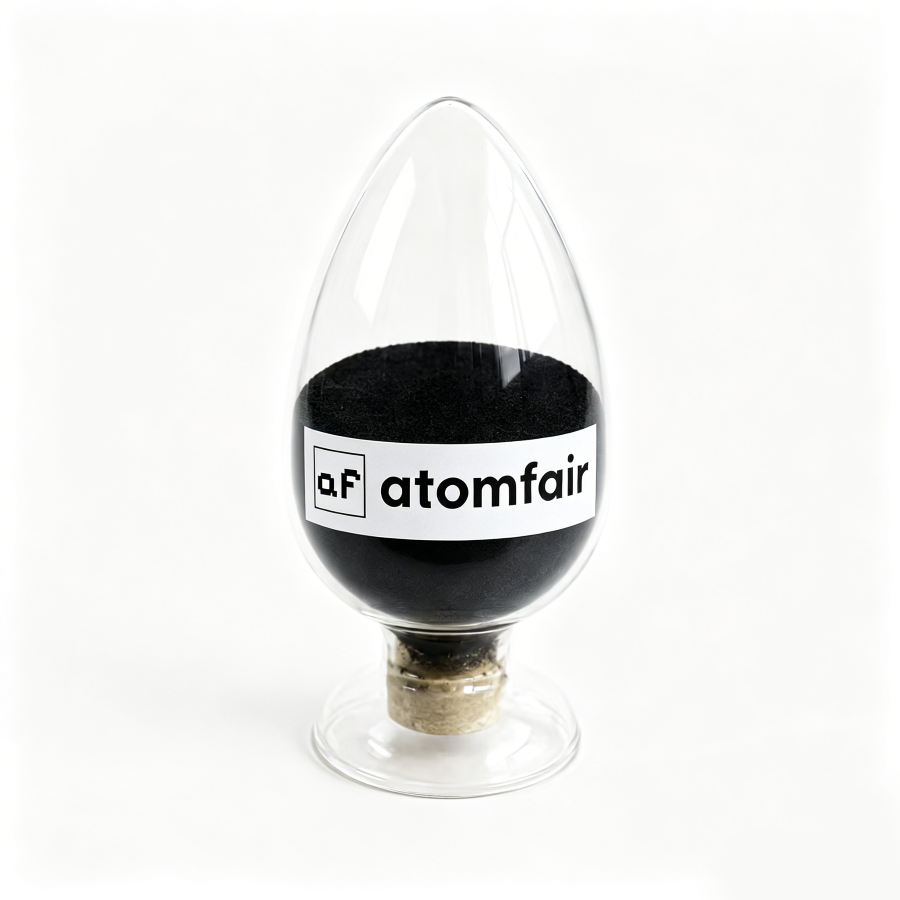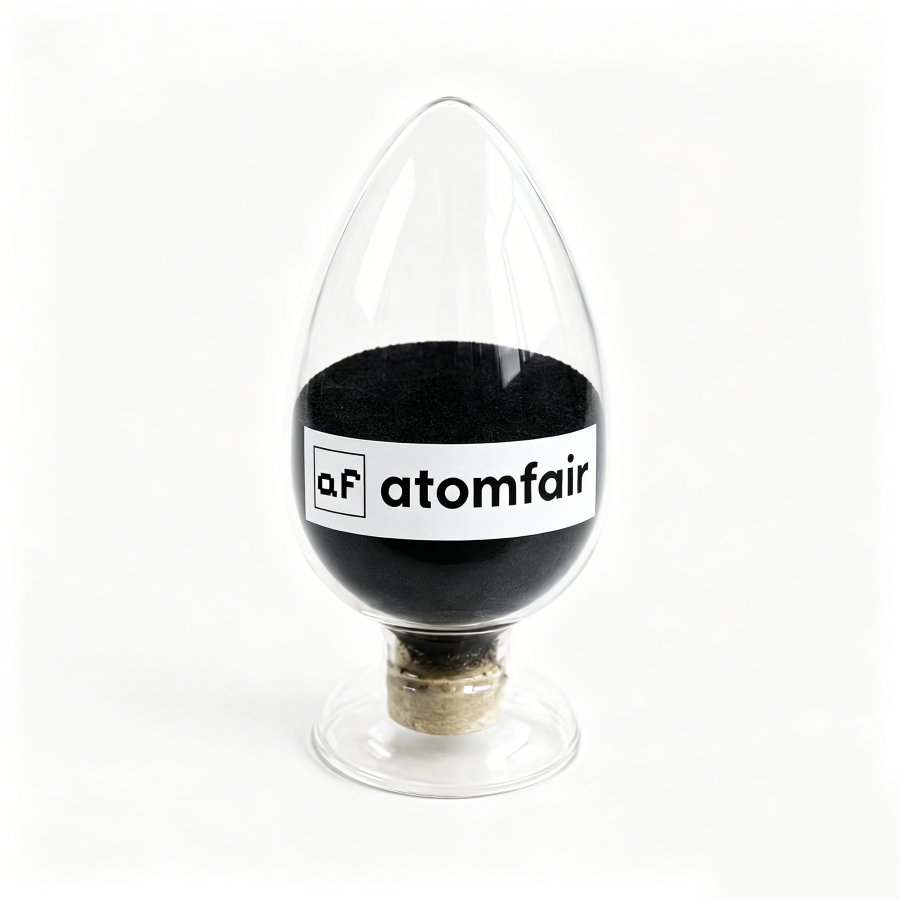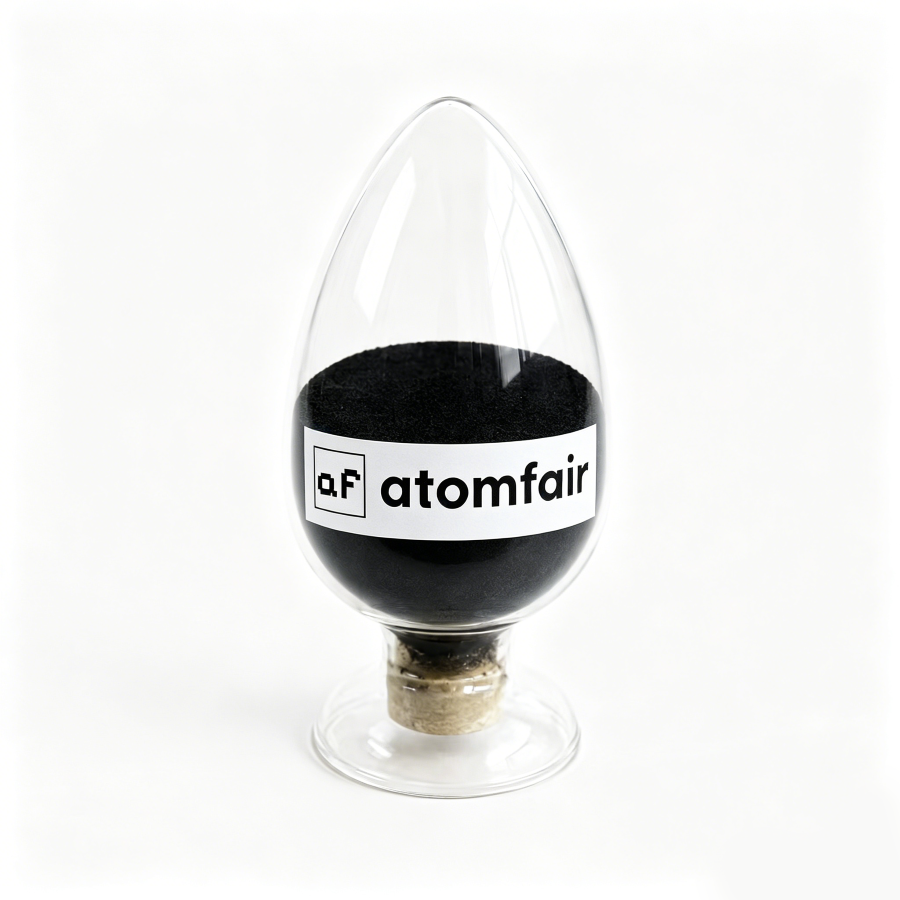
ATOMFAIR NCM (91:6:3): 220 mAh/g Cathode Active MaterialRESEARCH GRADE MATERIAL
|
|||||||||||||||||||||||||||||||||||||||||||||||||||||||||||||||
|
|||||||||||||||||||||||||||||||||||||||||||||||||||||||||||||||
|
TAILORED SOLUTIONS FOR RESEARCH
Contact our engineering team for technical support or official institutional quotations.
EMAIL: inquiry@atomfair.com
|
|||||||||||||||||||||||||||||||||||||||||||||||||||||||||||||||
|
Manufacturer: Atomfair LLC
Brand: ATOMFAIR®
|
|||||||||||||||||||||||||||||||||||||||||||||||||||||||||||||||
This cathode material contains surface residual alkali which reacts with moisture and carbon dioxide, causing degradation. Storage must be in an inert atmosphere within a sealed container to prevent performance loss and safety hazards.
- Moisture Sensitivity: The residual LiOH and Li2CO3 on the particle surfaces readily absorb atmospheric moisture, leading to surface degradation and capacity fading.
- CO2 Reactivity: Exposure to atmospheric carbon dioxide converts surface LiOH to Li2CO3, altering the cathode's electrochemical performance.
- Alkaline Corrosivity: The high pH of 11.6 indicates the material is alkaline and can cause skin and eye irritation upon contact.
- Dust Hazard: The fine powder form poses an inhalation risk and requires handling in a fume hood or glovebox with appropriate PPE.
- Inert Atmosphere Requirement: All processing and storage must be performed under dry, inert gas to prevent moisture and CO2 exposure.
This protocol describes the safe handling of moisture-sensitive cathode powder and preparation of electrode slurry. All steps must be performed in an inert-atmosphere glovebox to prevent material degradation.
Required Equipment: Inert-atmosphere glovebox with moisture and oxygen sensors, Precision analytical balance, Antistatic spatula, Doctor blade coating apparatus
- Glovebox Preparation
Purge the glovebox with inert gas until moisture and oxygen levels are below acceptable thresholds. - Material Transfer
Transfer the cathode material container into the glovebox through the antechamber using a vacuum purge cycle. - Weighing
Weigh the required amount of cathode powder using an antistatic spatula and a precision balance inside the glovebox. - Slurry Mixing
Combine the powder with solvent and binder in a mixing cup and homogenize thoroughly to form a uniform slurry. - Coating
Coat the slurry onto an aluminum foil substrate using a doctor blade with a controlled gap to achieve desired loading. - Drying
Dry the coated electrode at elevated temperature under vacuum to remove residual solvent completely. - Storage
Store the dried electrode in a sealed container within the glovebox until further use.
How does the 7:3 bimodal particle ratio of NCM91 affect the achievable electrode compaction density versus rate capability?
The 7:3 bimodal ratio of large spherical and small single-crystal particles yields a pellet density of 3.63 g/cm³, enabling a target electrode density of 3.5 g/cm³ without sacrificing high-rate performance. At 1.0C, the material still delivers 200.7 mAh/g, retaining 91% of the 0.1C capacity (220.8 mAh/g). This combination supports high volumetric energy density while maintaining good rate capability for cell prototyping.
What pre-conditioning steps are necessary when integrating this NCM91 cathode into a dry-room electrode fabrication line due to its high residual alkali content?
The material has a surface residual alkali content of 0.25% Li₂CO₃ and 0.30% LiOH with a pH of 11.6, which can cause gelation in NMP-based slurries and corrosion of aluminum current collectors. Dry-room operation with dew point below -40°C and use of ceramic-coated current collectors or acidic binders are strongly recommended to mitigate these reactions. Particle size distribution (D50 10.1 μm) ensures good dispersion but slurry aging time must be minimized.
What are the recommended storage conditions for this ultra-high nickel NCM91 powder to prevent capacity fade during long-term research studies?
Store the powder in an argon-filled glovebox with oxygen and moisture levels below 1 ppm, as the high nickel content (91.1 mol%) and residual alkalis make it prone to LiOH/Li₂CO₃ formation upon air exposure. The material should be used within one month of opening the original vacuum-sealed packaging to maintain its initial 220.8 mAh/g discharge capacity at 0.1C. Ambient storage leads to pH increase beyond the stated 11.6 and irreversible surface degradation.
This ultra-high nickel NCM91 cathode material features a bimodal particle architecture that provides excellent compaction density and stable capacity retention up to 1.0C, but its high surface alkali and pH demand careful dry processing to avoid slurry degradation.
Positive
- Exceptional volumetric compaction efficiency: The bimodal 7:3 blend of spherical and single-crystal particles achieves a pellet density of 3.63 g/cm³ and tap density of 2.46 g/cm³, enabling high electrode density for energy-dense cell designs.
- High stable discharge capacity: Delivers 220.8 mAh/g at 0.1C and 200.7 mAh/g at 1.0C in half-cell testing, providing reliable benchmarking for high-performance cathode development.
Trade-offs
- Elevated surface residual alkali content: Li2CO3 at 0.25% and LiOH at 0.30% can cause slurry gelation and require controlled dry-room processing for electrode fabrication.
- High pH and moisture sensitivity: With a pH of 11.6, the material is highly alkaline and prone to moisture uptake, necessitating inert atmosphere handling and stringent storage conditions.
Every advanced material, component, equipment, and instrument in our catalog is backed by rigorous testing. We maintain strict internal quality management frameworks and align with CE conformity metrics to deliver transparent, reproducible performance data via our public open-science repository.
To request raw batch performance data, submit formal vendor registration paperwork, or execute a fast-turnaround R&D manufacturing loop, contact us at inquiry@atomfair.com.
Item is dispatched under the Atomfair Shipping & Delivery Framework (Free worldwide shipping on orders over $59 USD excl. heavy equipment). Return is governed by the Atomfair Return & Refund Policy (7-day technical return window).