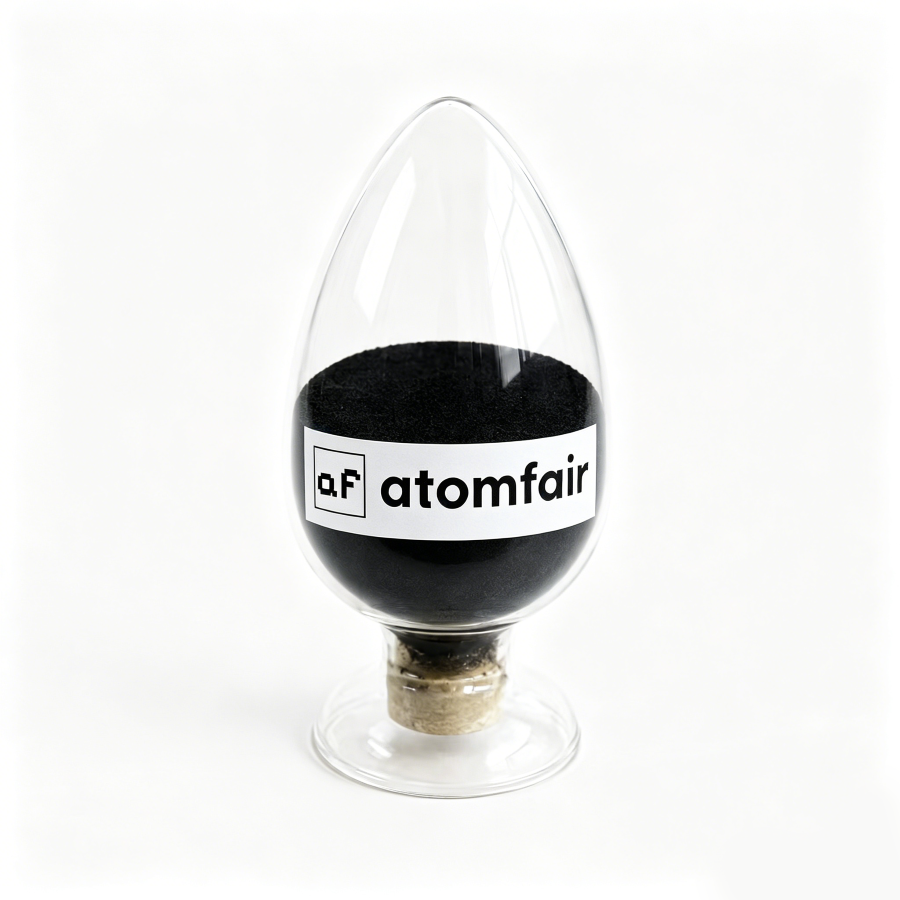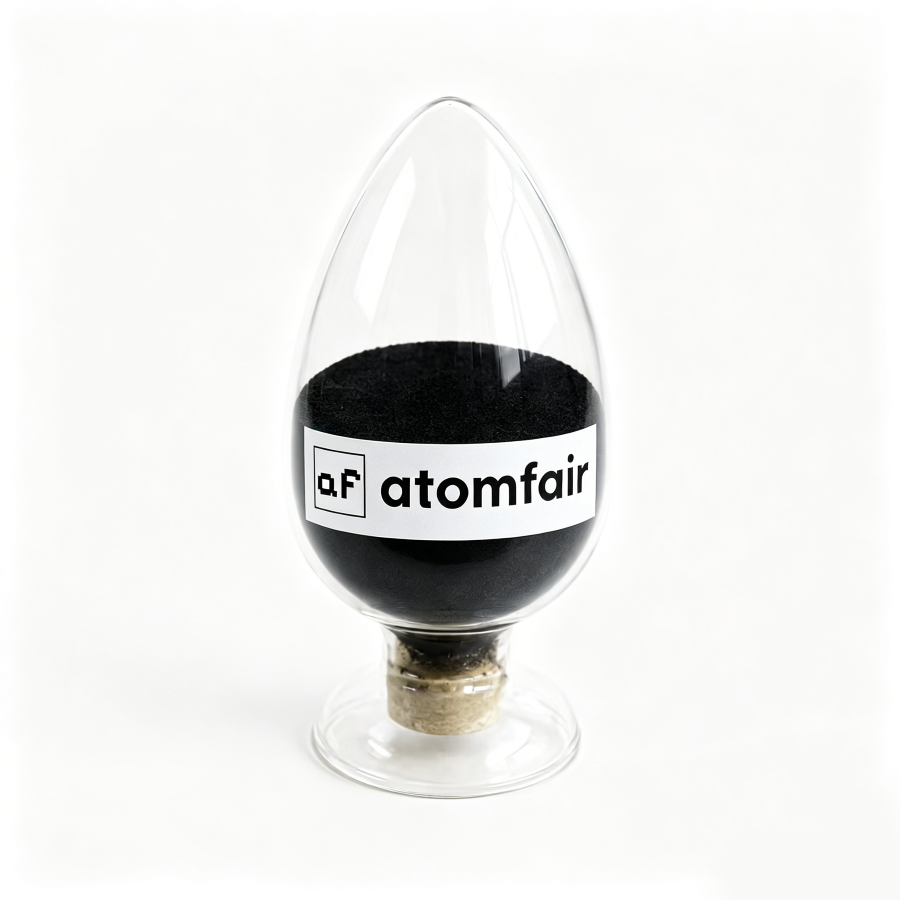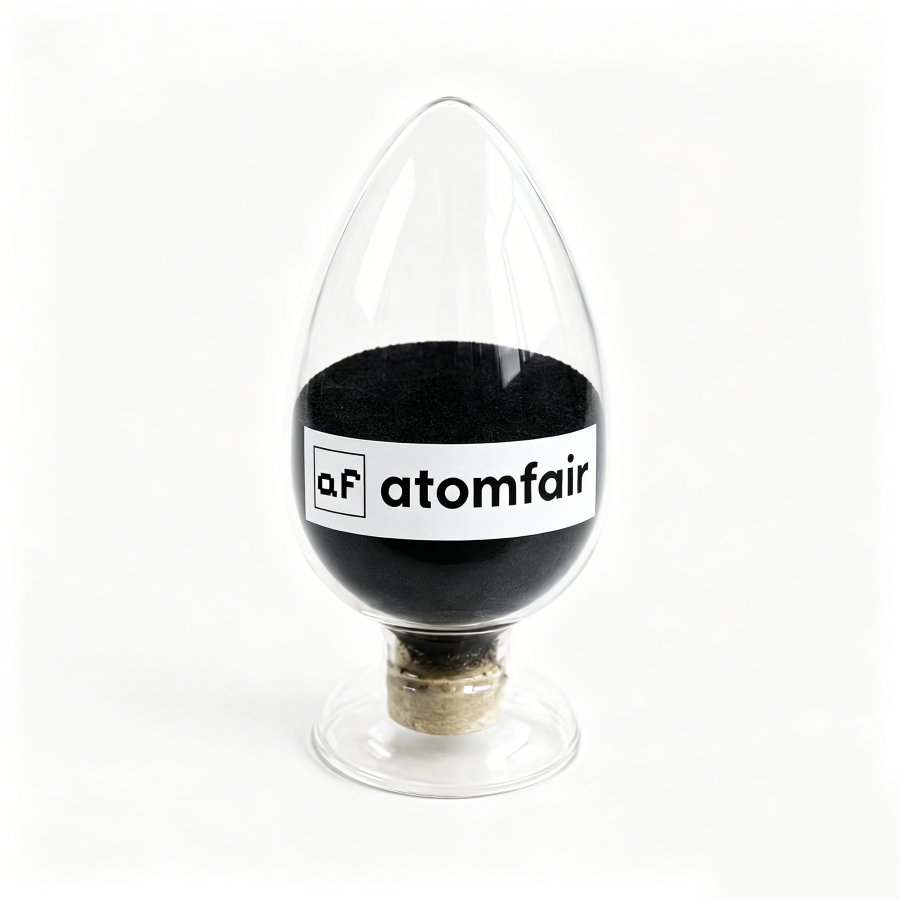
NCM 50:20:30 Cathode Precursor Powder (Large Particle Size)COMMERCIAL GRADE · PRODUCTION
|
|||||||||||||||||||||||||||
|
|||||||||||||||||||||||||||
|
TAILORED SOLUTIONS FOR RESEARCH
Contact our engineering team for technical support or official institutional quotations.
EMAIL: INQUIRY@ATOMFAIR.COM
|
|||||||||||||||||||||||||||
|
Manufacturer: PRODUCTION DIVISION · ADVANCED ENERGY STORAGE DIVISION
Brand: INDUSTRIAL TESTING HARDWARE
Specifications are representative and subject to change without notice. For the latest version and compliance certificates, contact official sales channel.
|
This material requires strict humidity control to maintain its specified water content below 0.50 wt%. Exposure to ambient moisture may degrade its electrochemical performance and compromise research outcomes.
- Moisture Sensitivity: Store the powder in a sealed container under dry conditions to prevent moisture absorption and maintain the water content specification.
How does the 10.64 μm D50 particle size of NCM523 precursor influence the trade-off between electrode compaction density and high-rate charge/discharge performance?
The 10.64 μm D50 particle size is optimized for achieving high electrode compaction density while preserving acceptable rate capability. The tap density of 2.39 g/cm³ exceeds the standard requirement of ≥1.80 g/cm³, enabling dense pellet packing, while the BET surface area of 5.95 m²/g (within the 5.00–15.00 m²/g range) provides sufficient electrochemical interface without excessive side reactions. This balanced morphology supports long-lifecycle capacity retention, making it suitable for power cell applications where both energy density and cycle life are critical.
Can this large-particle NCM523 hydroxide precursor be used in both electric vehicle power cells and consumer electronics, or are there specific application constraints?
Yes, this precursor is suitable for both new energy vehicle power cells and consumer electronics digital hardware, but with performance trade-offs. Its dense spherical morphology and core-shell design maximize pellet compaction density (tap density 2.39 g/cm³), which benefits high-loading power electrodes, while the medium-nickel composition (50 mol% Ni) ensures thermal stability and long cycle life. However, for ultra-high-energy-density applications, higher-nickel variants may be preferred; this material is optimized for balanced energy and power in medium-nickel NCM523 architectures.
What storage conditions are required to prevent moisture uptake and degradation of this hydroxide precursor powder, given its measured water content of 0.23 wt%?
Storage in a dry, inert atmosphere (e.g., argon or nitrogen glovebox) is mandatory to keep water content below the critical threshold of 0.50 wt% and prevent degradation. The as-received water content is 0.23 wt% (measured by Karl Fischer), but hydroxide surfaces are hygroscopic and rapidly adsorb ambient moisture, which can consume lithium during subsequent lithiation and impair capacity. Sealed containers with desiccant or vacuum packaging are essential for long-term stability.
This NCM523 precursor powder exhibits ultra-dense spherical morphology with a tap density of 2.39 g/cm³ and controlled D50 of 10.64 μm, providing excellent compaction for research-scale cathodes. As a precursor, it requires subsequent lithiation and calcination processing, and its moisture sensitivity necessitates dry storage to maintain performance specifications.
Positive
- Ultra-dense spherical core-shell morphology: The core-shell structural design with dopant lattice modification maximizes electrode pellet compaction density while improving thermal stability and long-cycle capacity retention.
- High tap density for electrode packing: Tap density of 2.39 g/cm³ significantly exceeds the ≥1.80 g/cm³ standard requirement, enabling higher volumetric energy density in fabricated electrodes.
Trade-offs
- Precursor requires additional calcination steps: As a precursor powder, this material must be lithiated and calcined at high temperature to form the active cathode material, adding processing time and equipment requirements.
- Moisture sensitivity demands controlled environment: With a water content of 0.23 wt% (just below the <0.50 wt% limit), the material requires storage and handling in low-humidity conditions to prevent moisture uptake that could degrade performance.
Every advanced material, component, equipment, and instrument in our catalog is backed by rigorous testing. We maintain strict internal quality management frameworks and align with CE conformity metrics to deliver transparent, reproducible performance data via our public open-science repository.
To request raw batch performance data, submit formal vendor registration paperwork, or execute a fast-turnaround R&D manufacturing loop, contact us at inquiry@atomfair.com.
Item is dispatched under the Atomfair Shipping & Delivery Framework (Free worldwide shipping on orders over $59 USD excl. heavy equipment). Return is governed by the Atomfair Return & Refund Policy (7-day technical return window).