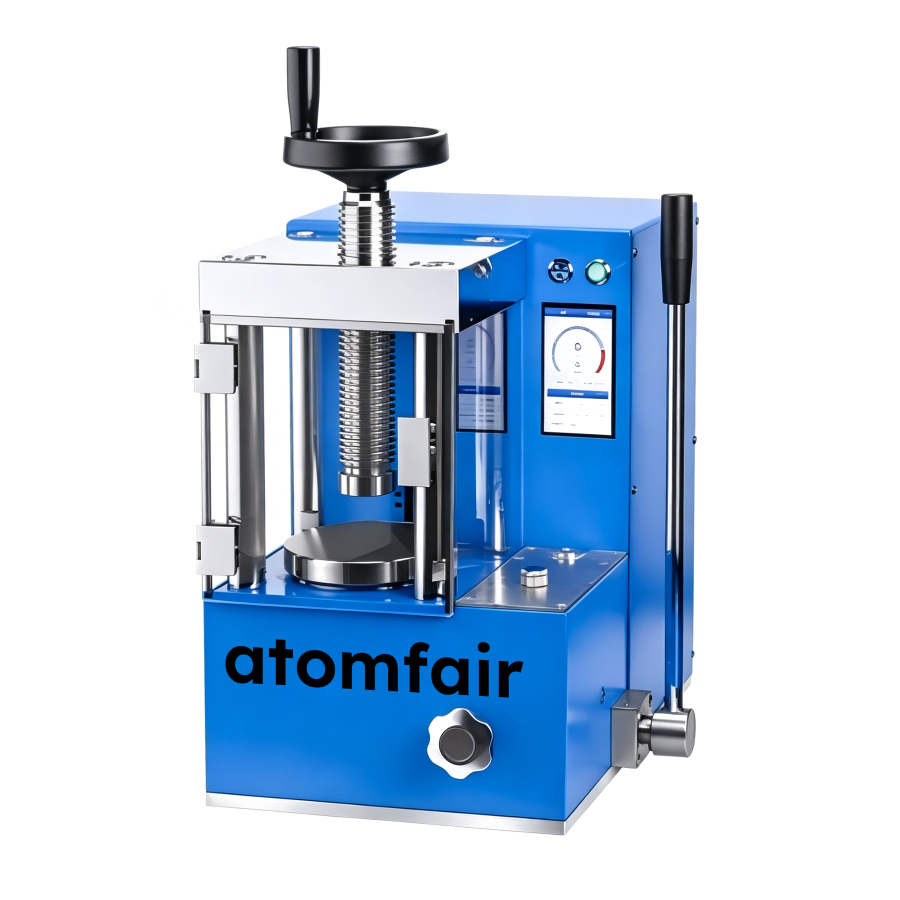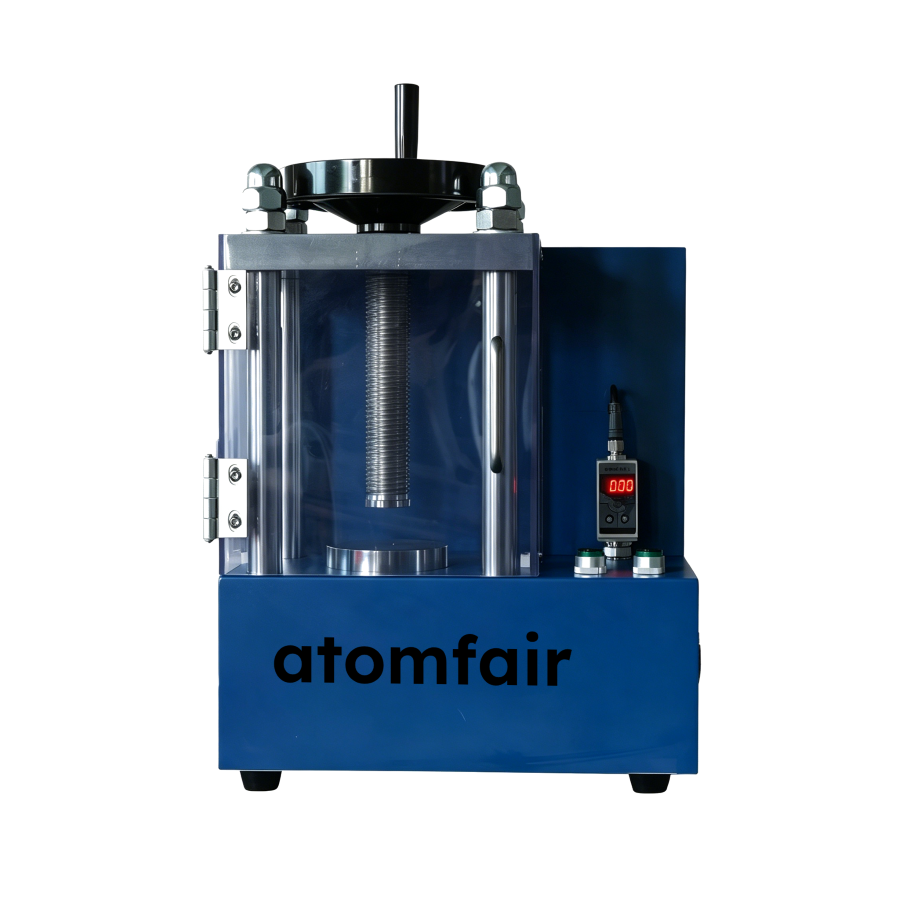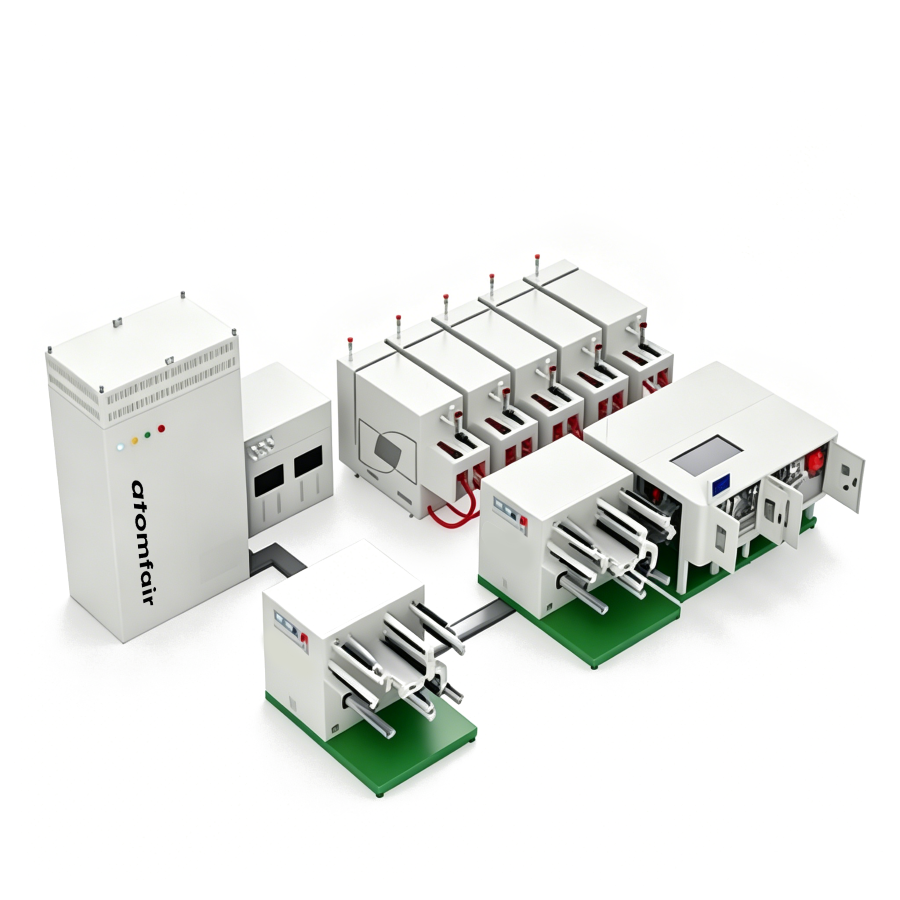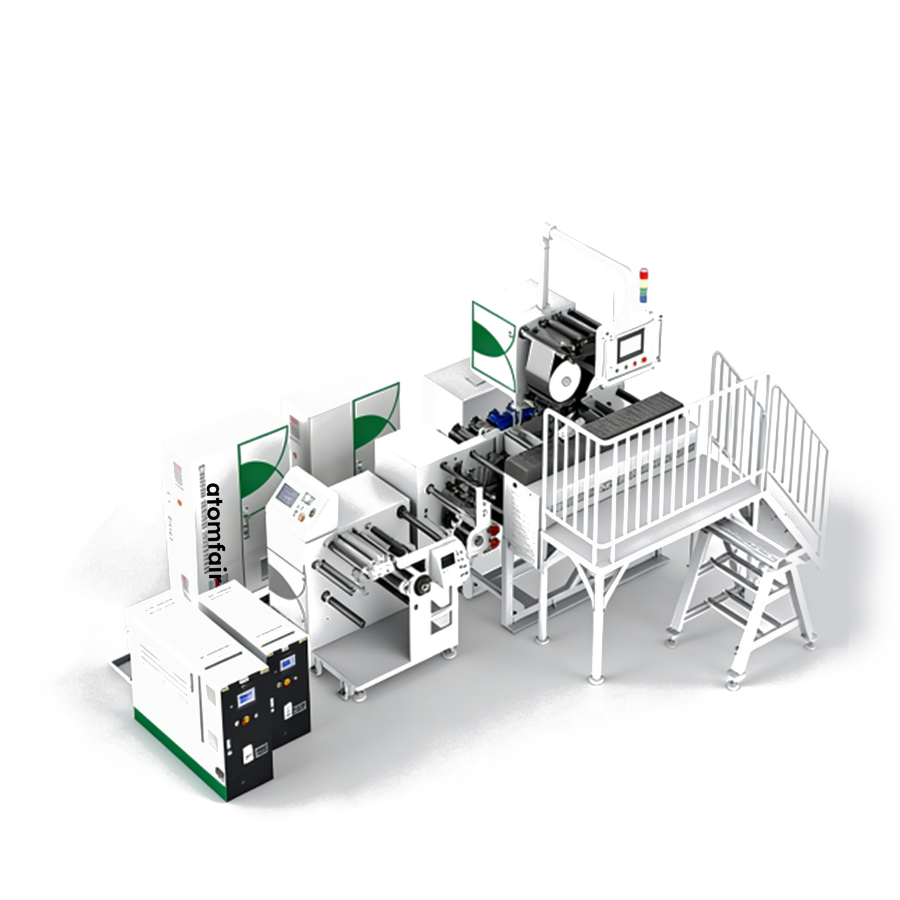
ATOMFAIR® ATOMFAIR-MTR8091 MANUAL TWIN ROLL MILLRESEARCH GRADE MATERIAL
|
|||||||||||||||||||||||||||||||||
|
|||||||||||||||||||||||||||||||||
|
TAILORED SOLUTIONS FOR RESEARCH
Contact our engineering team for technical support or official quotations.
EMAIL: inquiry@atomfair.com
|
|||||||||||||||||||||||||||||||||
|
Manufacturer: Atomfair LLC
Brand: ATOMFAIR®
|
This equipment presents mechanical pinch and entanglement hazards during operation. Operators must always use the organic glass protective plate and never bypass safety guards.
- Mechanical Hazard: The twin-roll assembly can cause severe crush injuries if hands or clothing contact rotating rolls.
- Material Hazard: Battery electrode materials and precious metal powders may be toxic or reactive; consult safety data sheets before processing.
- Operational Constraint: Rolling thickness is limited to 0–2 mm and width to 0–100 mm; exceeding these dimensions may damage the equipment.
- Roll Surface Maintenance: The hardened steel rolls (HRC60-62) require periodic cleaning to prevent material buildup affecting finish.
This procedure describes safe rolling of battery electrodes and precious metal materials. Follow steps in order to avoid injury and material damage.
Required Equipment: Organic glass protective plate, Roll gap adjustment mechanism, Forward/reverse rotation switch
- Inspect Safety Guard
Verify the organic glass protective plate is correctly positioned and securely fastened before powering the mill. - Adjust Roll Gap
Set the rolling thickness using the adjustment mechanism to the desired clearance between 0 and 2 mm. - Set Rotation Direction
Select forward or reverse rotation depending on the material feed direction and the need to withdraw material. - Feed Material
Introduce the material into the roll nip evenly at the center of the rolling width to ensure uniform pressing. - Collect Rolled Material
Retrieve the rolled sheet from the output side once it has passed through the rolls completely.
How does the roll surface hardness of HRC60-62 and finish of Ra 0.8 μm affect the ability to roll thin lithium battery foils down to 0 mm thickness without surface defects?
The HRC60-62 hardness ensures the rolls resist deformation under load, maintaining consistent gap control even at the 0 mm lower limit specified. The Ra 0.8 μm finish minimizes surface transfer to the foil, reducing defect formation during thinning. However, achieving true 0 mm thickness requires precise manual feeding to avoid roll contact damage.
Can the Atomfair-MTR8091 be used to process precious metal alloys like gold or silver with cross-contamination risk to battery materials?
Yes, the roll materials and finish above Ra 0.8 μm allow processing of soft precious metals without contamination, provided the rolls are cleaned between batches. The design supports forward and reverse rotation, aiding in material removal. However, the rolls are not coated or dedicated per material type, so thorough cleaning is required to avoid cross-contamination.
What laboratory safety precautions are required when operating this manual twin roll mill with lithium battery electrodes?
The organic glass protective plate shields operators from debris during pressing. Because the mill is manual and self-contained, no electrical safety concerns exist. Operators should ensure the plate is securely in place before each use and avoid feeding oversized material beyond the 100 mm rolling width to prevent jamming.
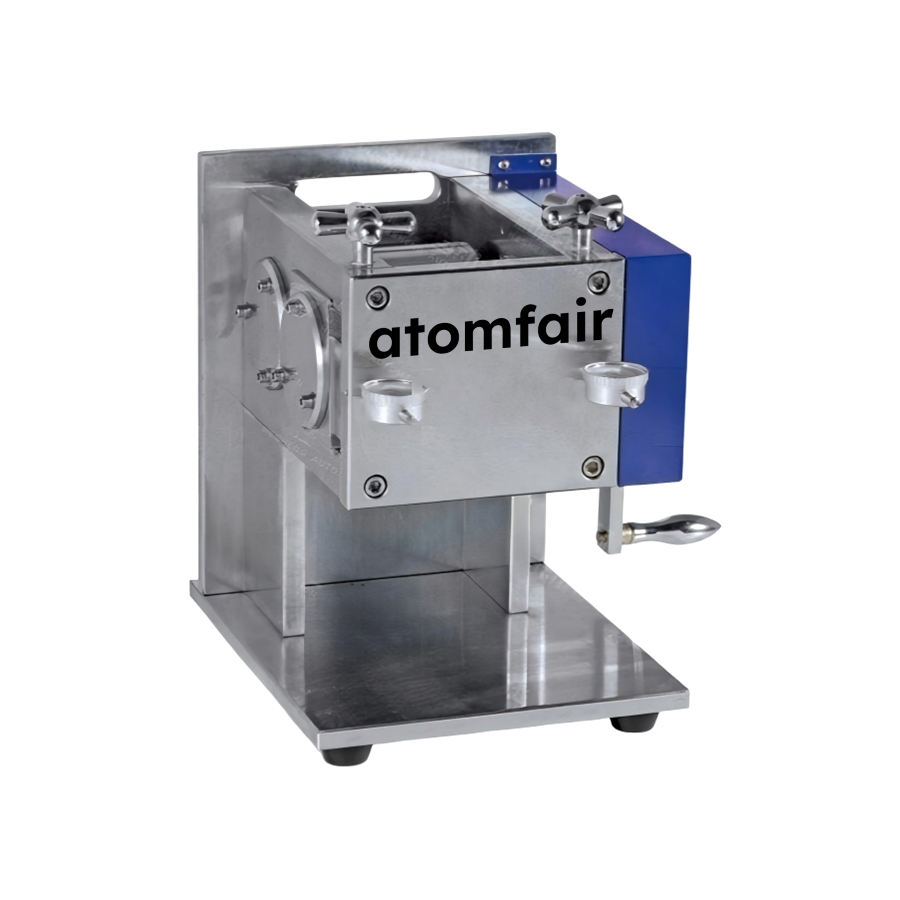
The Atomfair-MTR8091 Manual Twin Roll Mill provides precise thickness adjustment from 0 to 2 mm using hardened steel rolls (HRC60–62) for lab-scale thinning and densification of battery electrodes and precious metals, but its manual feed and 100 mm width restrict throughput and sample dimensions.
Positive
- Adjustable rolling thickness and speed: Rolling thickness can be set from 0 to 2 mm, enabling controlled thinning and densification of lithium battery plates and other materials.
- High roll surface hardness: Roll surface hardness of HRC60–62 ensures wear resistance and consistent pressing force over extended laboratory use.
Trade-offs
- Manual operation limits throughput: As a manual twin roll mill, material feed and thickness adjustment rely on operator skill, making the process unsuitable for high-volume or continuous production.
- Organic glass protective plate durability: The included organic glass shield is susceptible to scratching and cracking over time, necessitating periodic replacement to maintain operator safety.
Every advanced material, component, equipment, and instrument in our catalog is backed by rigorous testing. We maintain strict internal quality management frameworks and align with CE conformity metrics to deliver transparent, reproducible performance data via our public open-science repository.
To request raw batch performance data, submit formal vendor registration paperwork, or execute a fast-turnaround R&D manufacturing loop, contact us at inquiry@atomfair.com.
Item is dispatched under the Atomfair Shipping & Delivery Framework (Free worldwide shipping on orders over $59 USD excl. heavy equipment). Return is governed by the Atomfair Return & Refund Policy (7-day technical return window).