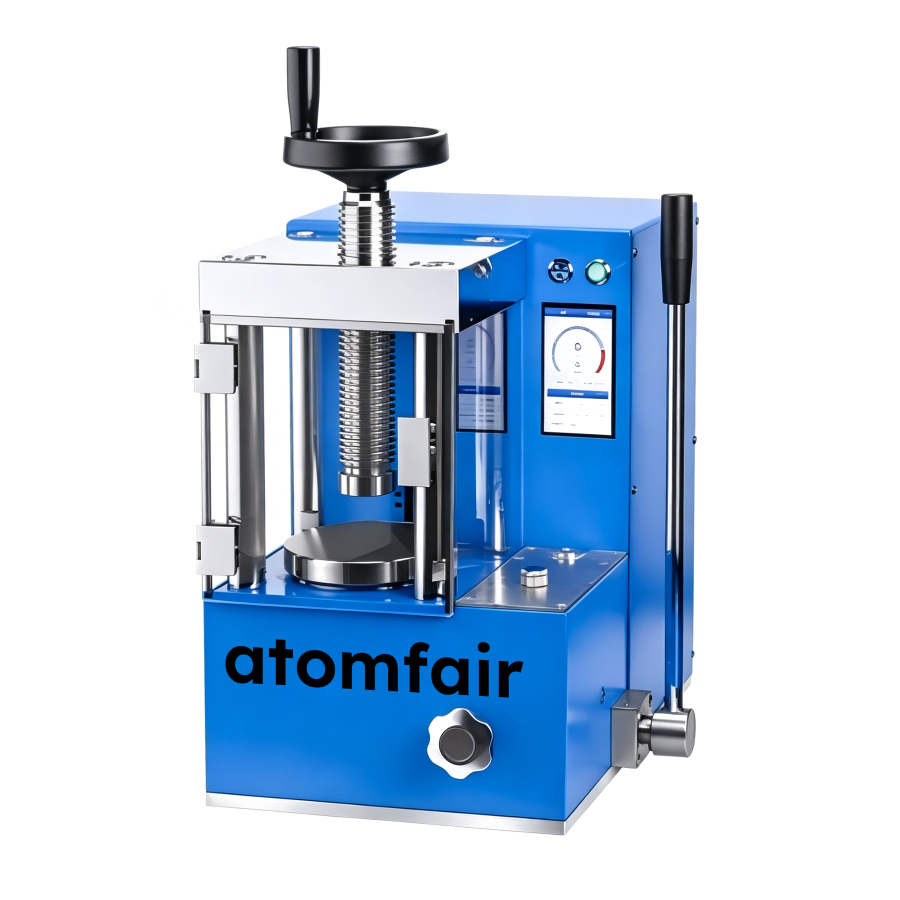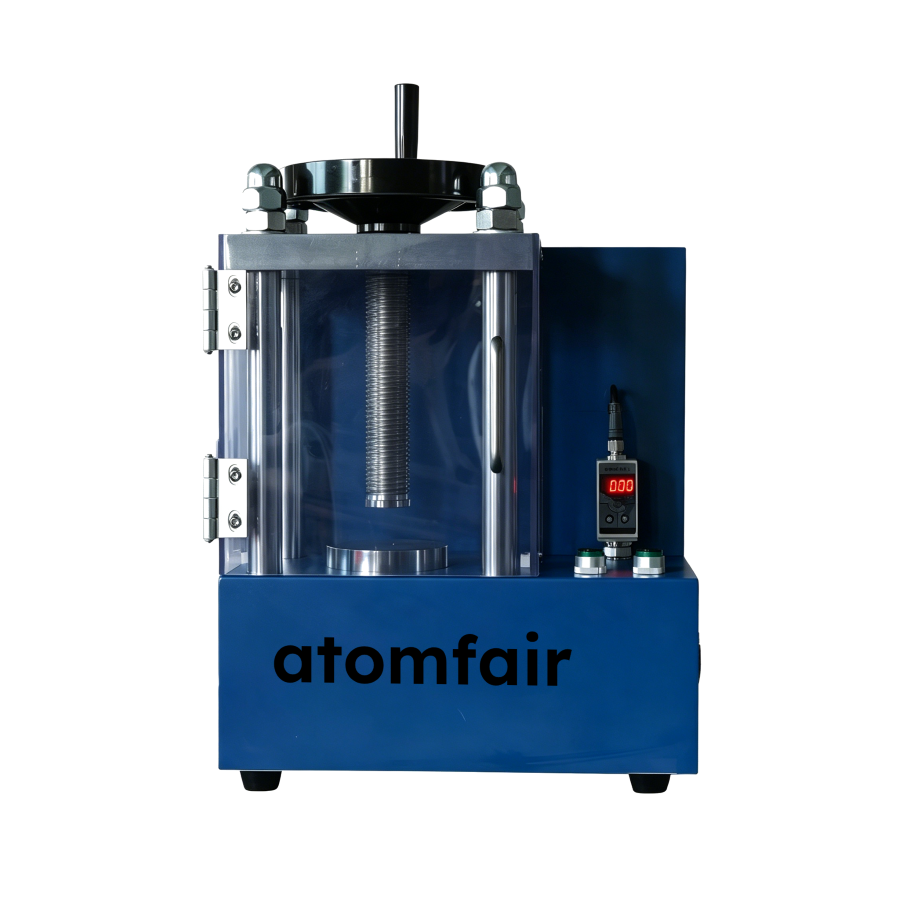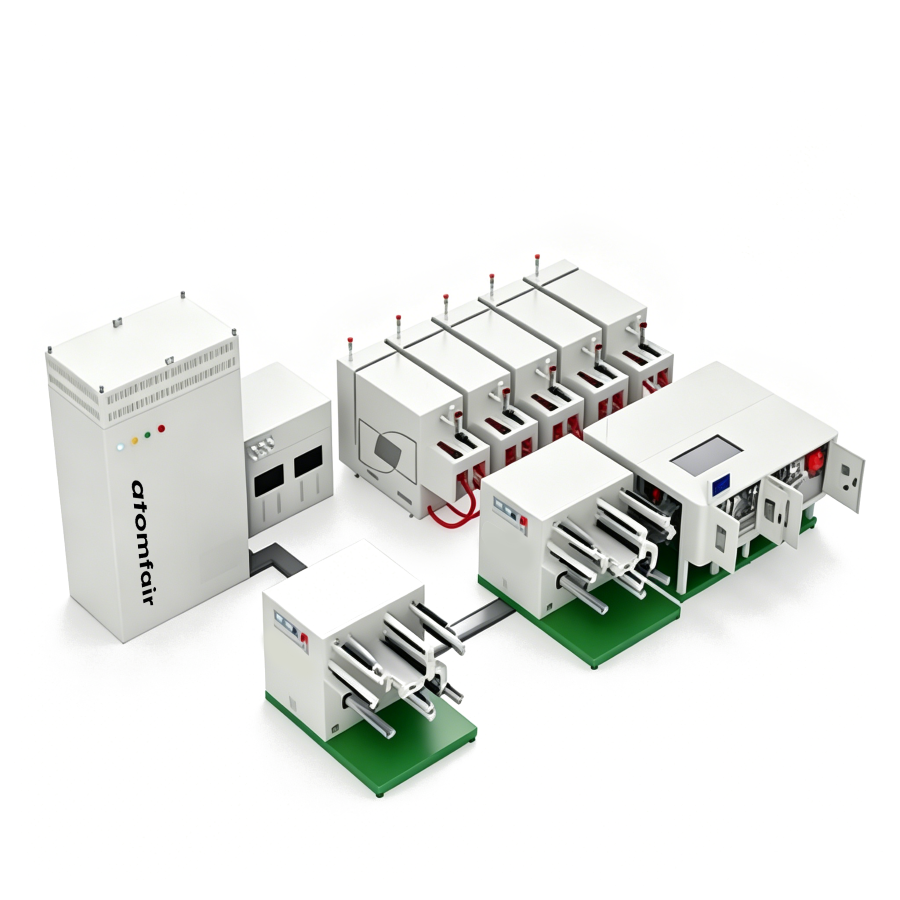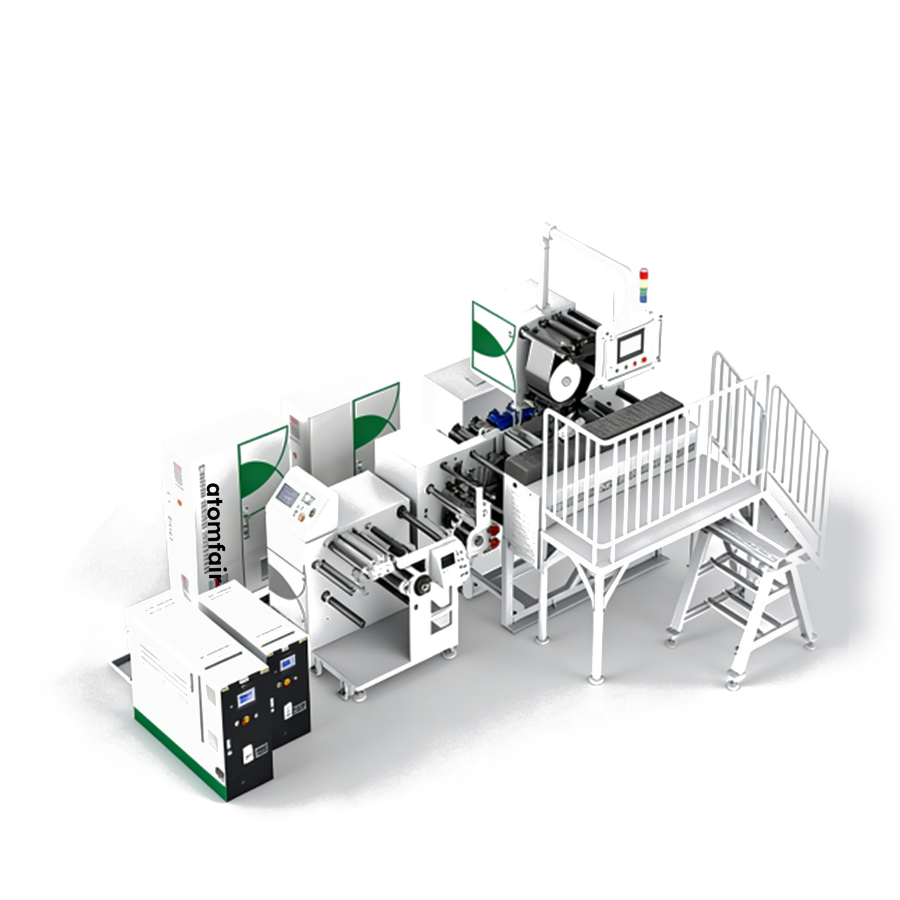
ATOMFAIR® ATOMFAIR-MTR9067 MANUAL TWIN ROLL MILLRESEARCH GRADE MATERIAL
|
|||||||||||||||||||||||||||||||||
|
|||||||||||||||||||||||||||||||||
|
TAILORED SOLUTIONS FOR RESEARCH
Contact our engineering team for technical support or official quotations.
EMAIL: inquiry@atomfair.com
|
|||||||||||||||||||||||||||||||||
|
Manufacturer: Atomfair LLC
Brand: ATOMFAIR®
|
This device requires strict adherence to mechanical and electrical safety protocols due to its powered twin-roll operation for battery and precious metal rolling. Environmental storage must maintain low humidity and stable temperature to prevent corrosion of precision roll surfaces and electrical components.
- Mechanical Safety: Always engage the organic glass protective plate before operating the rolls to prevent entanglement or ejection hazards.
- Electrical Safety: Disconnect the power supply before any maintenance or cleaning to avoid accidental activation.
- Roll Surface Care: Avoid rolling materials harder than the specified roll hardness (HRC60–62) to prevent surface damage or scoring.
- Material Feed Constraint: Do not feed materials exceeding the maximum rolling width of 100 mm to ensure even pressure distribution and prevent mechanical binding.
- Storage Conditions: Store the device in a dry, temperature-controlled environment to inhibit oxidation of precision rollers and drive components.
This procedure ensures controlled rolling of battery materials and precious metal sheets with minimal risk of injury or equipment damage. Follow these steps to adjust the roll gap, load material, and operate the twin rolls safely.
Required Equipment: Organic Glass Protective Plate, Roll Gap Adjuster, Forward/Reverse Motor Switch
- Inspect Safety Guard
Inspect the organic glass protective plate for cracks or misalignment before each use. - Set Rolling Gap
Adjust the roll gap using the thickess control knob to the desired setting within the 0–2 mm range. - Load Material
Insert the material sheet evenly between the rolls, ensuring it does not exceed the 100 mm rolling width. - Initiate Rolling
Activate the motor and rotate the rolls in the forward direction to begin compression. - Monitor Operation
Observe the rolling process continuously for any material misalignment or irregular noise. - Reverse if Jammed
If material jams or misalignment occurs, immediately engage reverse rotation to safely withdraw the sheet. - Clean Rolls After Use
After completion, power down the unit and wipe the roll surfaces with a dry lint-free cloth to remove debris.
How does the roll hardness of HRC60-62 and surface finish above Ra 0.8 μm influence the density uniformity of lithium battery plates during rolling?
The HRC60-62 roll surface hardness paired with a finish above Ra 0.8 μm minimizes micro‑scale friction variation and ensures consistent pressure distribution across the 0–100 mm rolling width. This combination is critical for achieving uniform densification in thin lithium battery electrodes, where surface imperfections can compromise adhesion and electrochemical performance.
What are the limitations of rolling widths and thicknesses when processing precious metal foils like gold or silver on this mill?
The Atomfair-MTR9067 is constrained to a maximum rolling width of 100 mm and a thickness range of 0–2 mm. For precious metal foils, this means only small‑format strips can be processed, and the 50 kg net weight combined with manual operation requires careful feed control to avoid tearing the material below approximately 0.1 mm thickness.
What safety and operational precautions are necessary when using the reverse rotation feature to extract jammed battery materials?
The mill includes an organic glass protective plate that must be fully closed during operation. When reversing to clear a jam in lithium battery plates, operators should first increase the roll gap to >0.5 mm to reduce pinching risk, then engage reverse rotation while keeping hands clear of the roll nip, as forward‑reverse torque changes can eject material fragments.
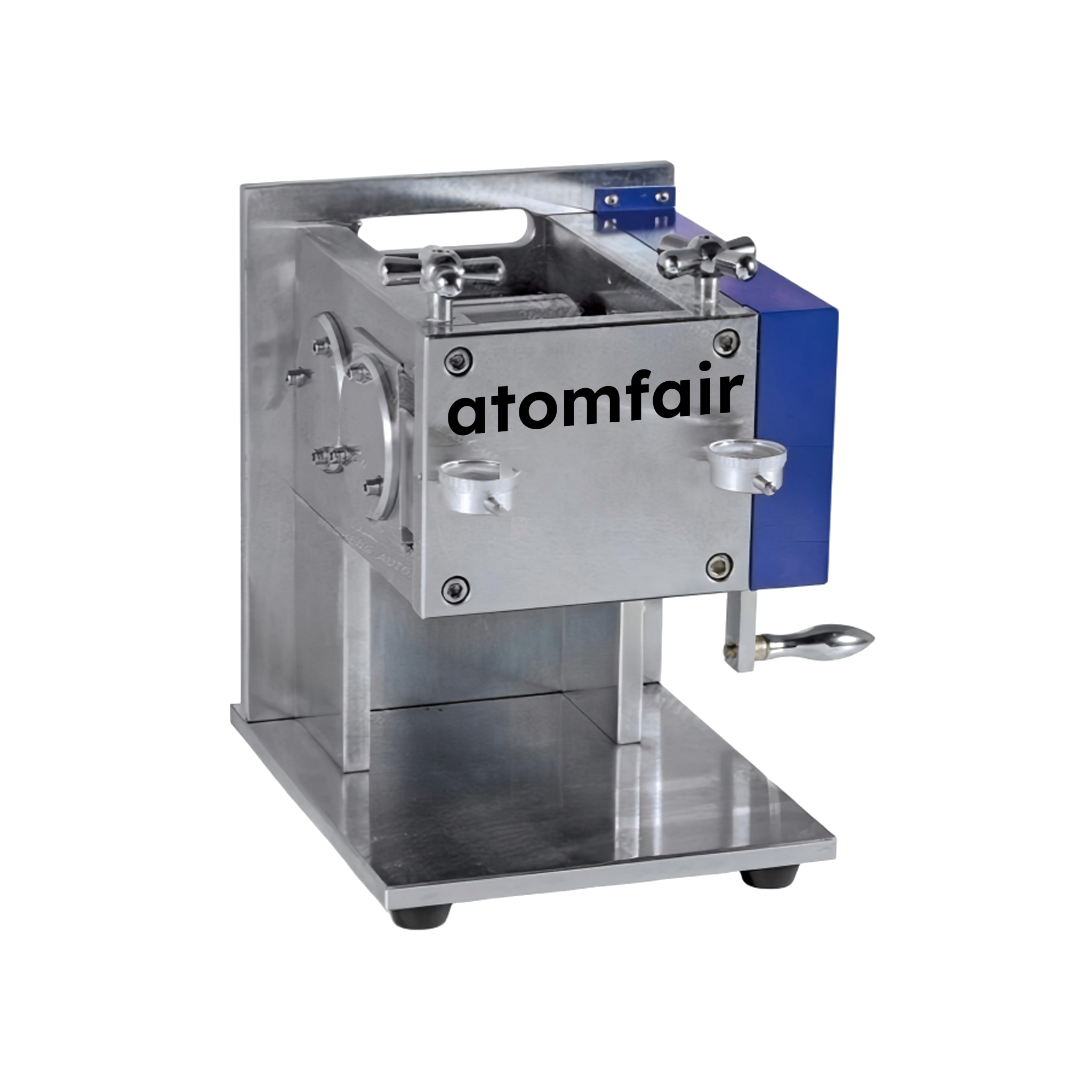
The Atomfair-MTR9067 Manual Twin Roll Mill provides controlled densification of battery electrode plates and precious metal foils via gear-driven horizontal rolls (Φ96mm, HRC60-62) with adjustable thickness (0–2mm) and reversible rotation, but requires manual feeding and operator judgment due to the absence of automated process control.
Positive
- Adjustable rolling thickness and speed: The mill allows independent adjustment of roll gap (0–2 mm) and rotational speed, enabling precise control over material compaction and final thickness for varied battery or precious metal samples.
- Gear-drive for stable twin-roll pressing: A gear transmission system synchronizes both rolls, delivering consistent compression force and uniform densification across the 100 mm rolling width without slipping.
Trade-offs
- Manual operation limits throughput: As a manually fed and adjusted system, the mill relies on operator skill for consistent feed rate and thickness control, making it unsuitable for high-volume or continuous production lines.
- Rolling thickness limited to 2 mm: The maximum roll gap of 2 mm restricts the mill to thin foils and electrodes; thicker plates or pre-forms cannot be processed without prior reduction steps.
Every advanced material, component, equipment, and instrument in our catalog is backed by rigorous testing. We maintain strict internal quality management frameworks and align with CE conformity metrics to deliver transparent, reproducible performance data via our public open-science repository.
To request raw batch performance data, submit formal vendor registration paperwork, or execute a fast-turnaround R&D manufacturing loop, contact us at inquiry@atomfair.com.
Item is dispatched under the Atomfair Shipping & Delivery Framework (Free worldwide shipping on orders over $59 USD excl. heavy equipment). Return is governed by the Atomfair Return & Refund Policy (7-day technical return window).