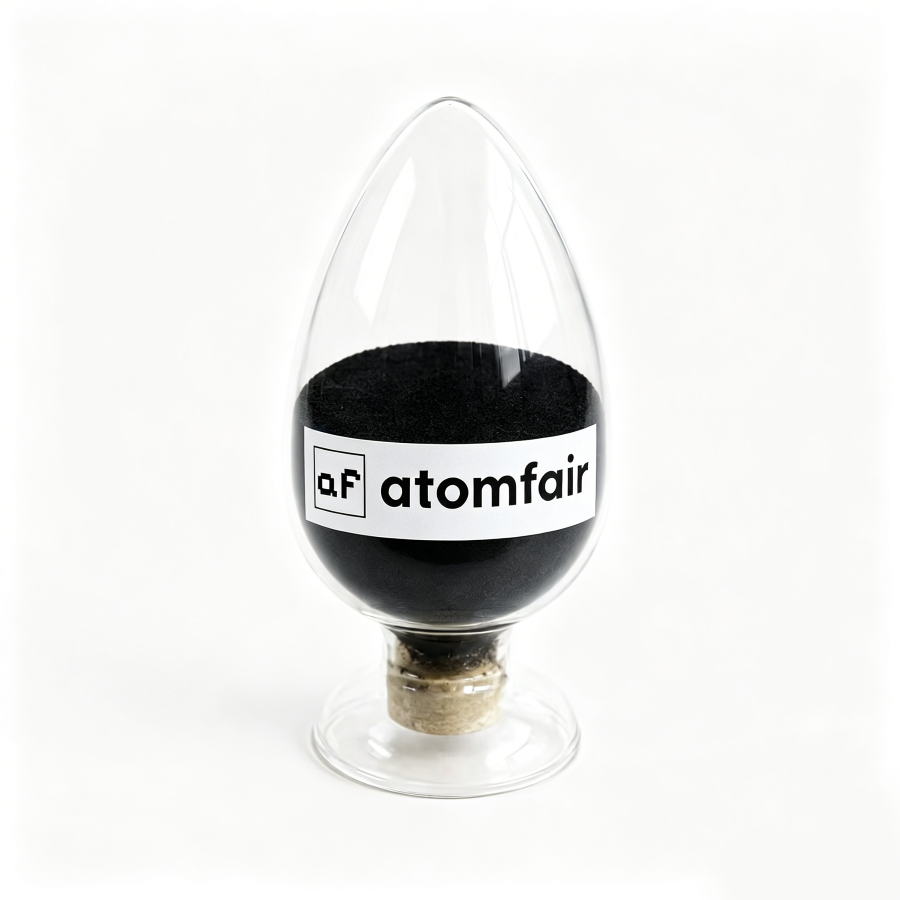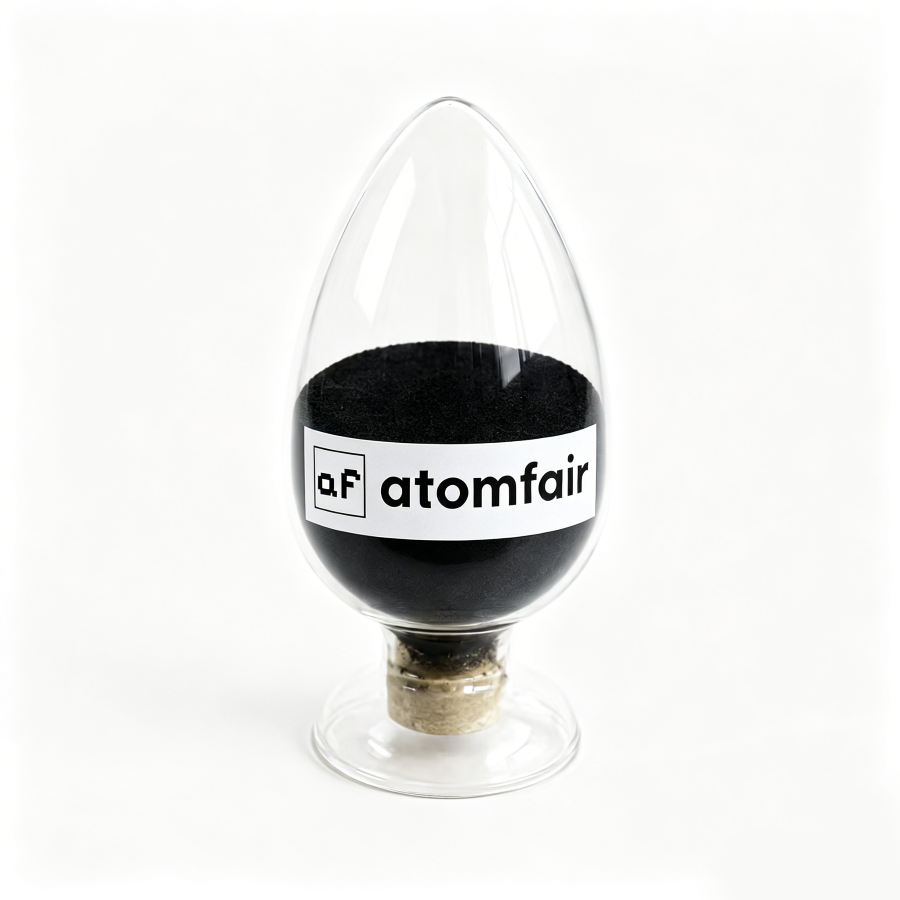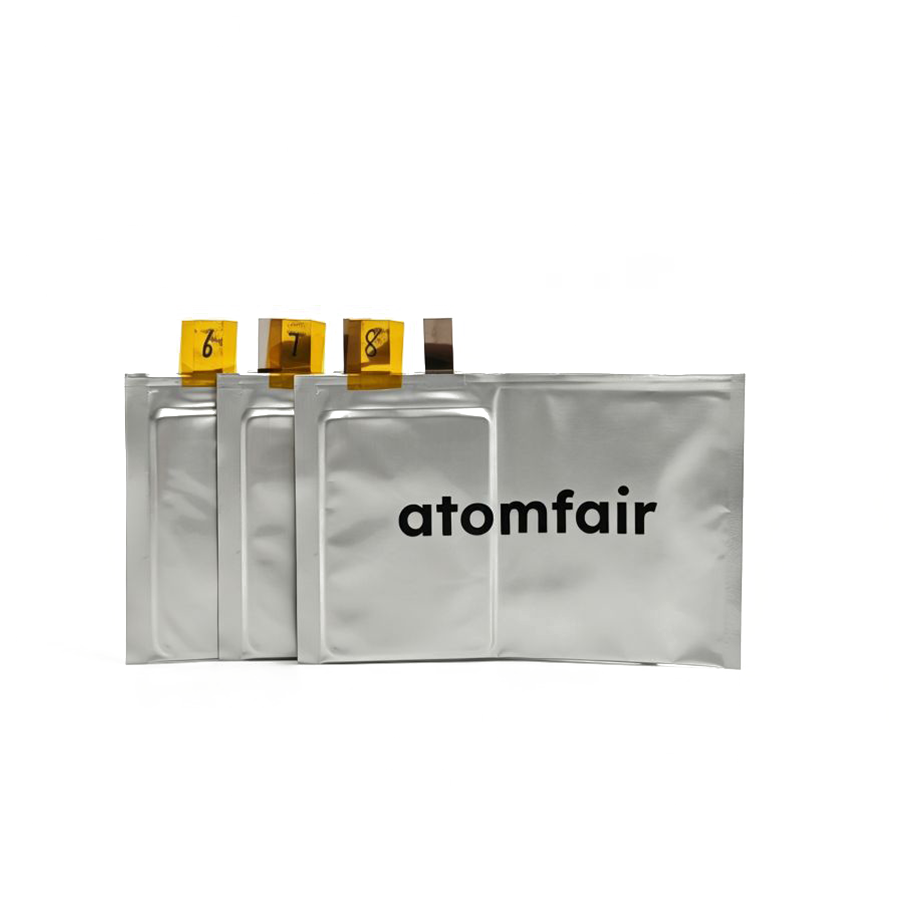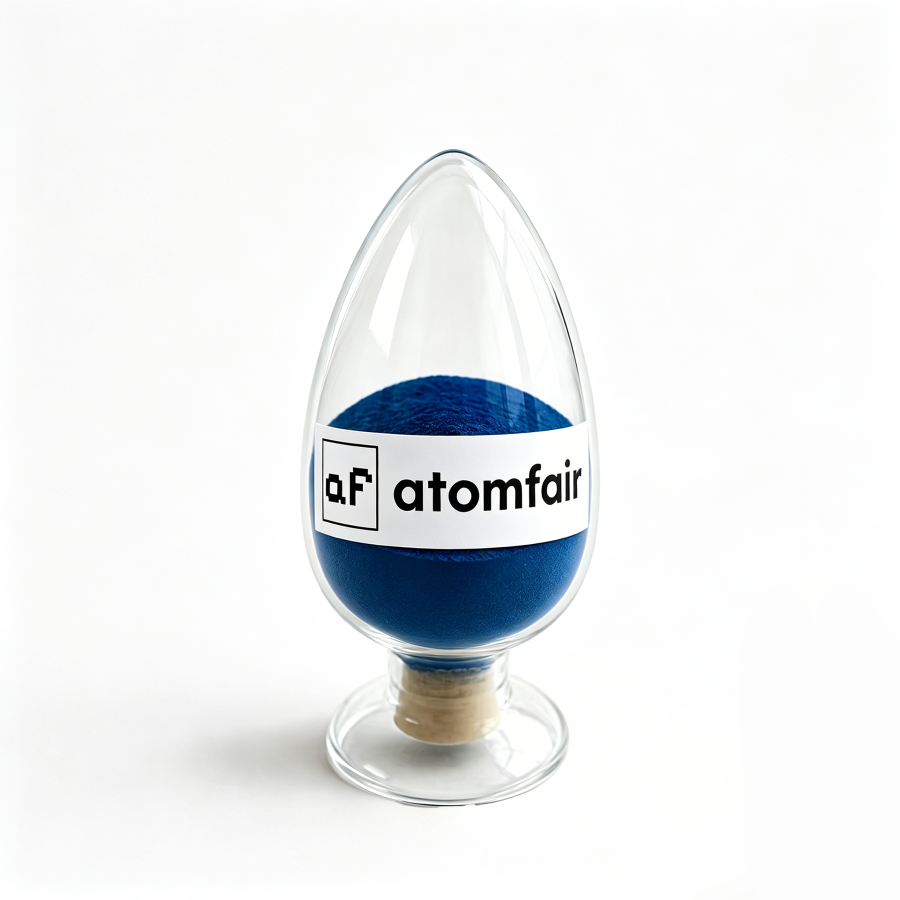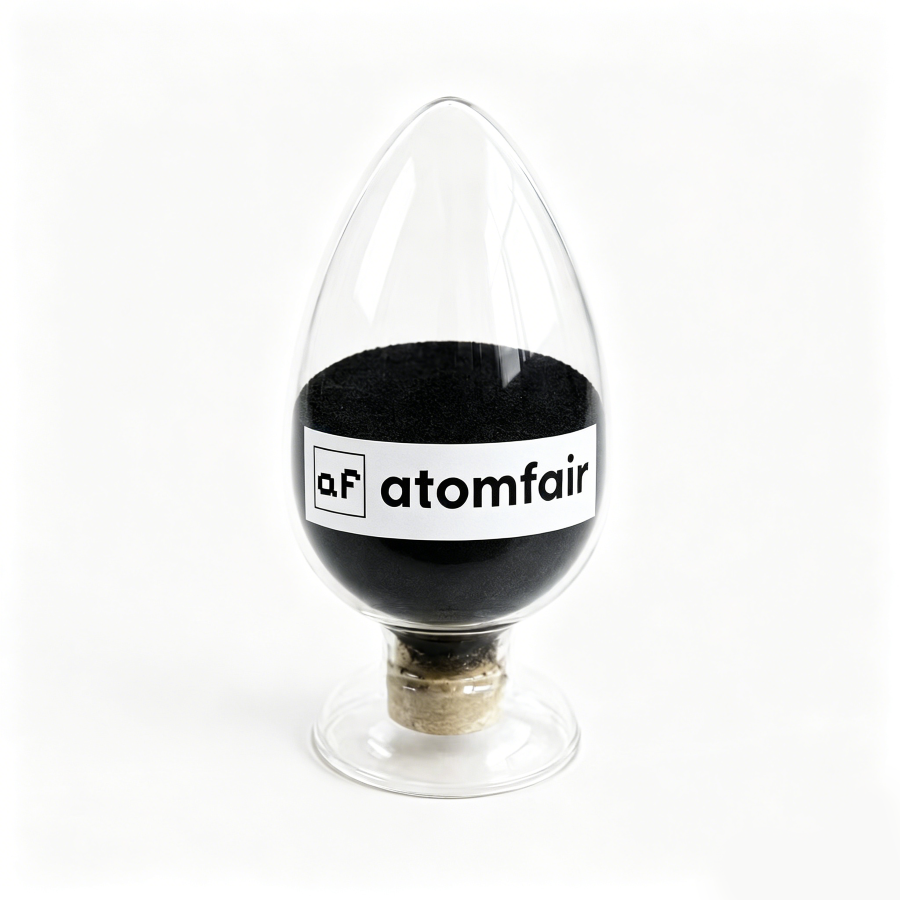
ATOMFAIR® LINBO3-COATED LITHIUM COBALT OXIDERESEARCH GRADE MATERIAL
|
|||||||||||||||||||||||||
|
|||||||||||||||||||||||||
|
ADVANCE YOUR BATTERY TECHNOLOGY
Contact our engineering team for technical support, official quotations, or full SEM/XRD characterization reports.
EMAIL: inquiry@atomfair.com
|
|||||||||||||||||||||||||
|
Manufacturer: Atomfair LLC
Brand: ATOMFAIR®
|
|||||||||||||||||||||||||
This powder is sensitive to moisture and atmospheric exposure, requiring storage in an inert, dry environment to preserve electrochemical performance. Proper containment and handling procedures are essential to prevent degradation and ensure safety during battery fabrication.
- Moisture Sensitivity: Store the material in a glovebox under argon or nitrogen with low moisture and oxygen levels to prevent lithium leaching and structural degradation.
- Temperature Stability: Avoid prolonged exposure above moderate elevated temperatures to prevent coating delamination or unwanted phase transitions in the cathode material.
- Containment Requirement: Use sealed, antistatic containers and avoid generating airborne dust to mitigate inhalation hazards and contamination.
- Electrolyte Compatibility: Prior to slurry preparation, confirm the LiNbO3 coating is compatible with the chosen electrolyte system to avoid undesirable side reactions.
- Degradation Risk: Minimize air exposure time during transfer and avoid high-humidity environments to prevent capacity fade from surface degradation.
Follow these steps to safely handle the coated cathode powder and prepare it for slurry mixing. Proper glovebox technique and moisture control are critical to maintain material integrity.
Required Equipment: Inert atmosphere glovebox with controlled moisture and oxygen, Static-dissipative spatula and weighing dish, Vacuum oven with temperature control
- Precondition Glovebox
Verify that the glovebox atmosphere maintains very low moisture and oxygen levels before introducing the powder. - Inspect Powder Container
Inspect the sealed container for damage and moisture ingress, and confirm the powder is free-flowing without agglomerates. - Transfer to Glovebox
Transfer the sealed container into the glovebox antechamber and purge with inert gas before opening. - Weigh Powder
Weigh the required mass of powder using a static-dissipative spatula and dish, minimizing exposure to the glovebox atmosphere. - Pre-Dry Powder
Dry the powder under dynamic vacuum at an appropriate elevated temperature to remove residual moisture before slurry preparation.
How does the LiNbO3 coating on LCO affect the trade-off between rate capability and cycle life at elevated temperatures?
The LiNbO3 coating simultaneously improves both rate capability and cycle life by facilitating rapid Li-ion diffusion through the optimized coating while suppressing electrolyte decomposition and capacity fade during high-voltage cycling. It also provides enhanced thermal stability and structural integrity under high-drain or high-temperature operating conditions, effectively eliminating the traditional performance trade-off seen in uncoated LCO.
Is LiNbO3-coated LCO compatible with sulfide-based solid-state electrolytes for all-solid-state battery configurations?
Yes, the LiNbO3 coating acts as a protective ionic conductor specifically designed to mitigate side reactions and improve interface kinetics between the electrode and electrolyte, making it highly suitable for sulfide-based solid-state electrolytes. The coating stabilizes the cathode–electrolyte interface, which is critical for all-solid-state batteries where interfacial degradation is a primary failure mode.
What are the critical handling and storage requirements to preserve the LiNbO3 coating integrity on LCO powder?
The LiNbO3 coating layer is moisture-sensitive; handling must be performed in a controlled, dry environment with appropriate PPE to avoid contamination. Storage requires hermetically sealed containers kept in a cool, dry place away from direct sunlight, as exposure to moisture or humidity can degrade the surface modification layer and compromise its protective function.
This LiNbO3-coated LCO powder delivers enhanced interface stability and electrochemical kinetics for high-voltage lithium-ion cells, but its surface modification layer demands strict moisture control and dry processing conditions to maintain performance.
Positive
- Enhanced Interface Stability: The LiNbO3 coating layer effectively suppresses electrolyte decomposition and prevents capacity fade during high-voltage cycling.
- Improved Electrochemical Kinetics: Optimized coating facilitates rapid Li-ion diffusion, leading to higher rate capability compared to pristine LCO.
Trade-offs
- Moisture Sensitivity: The surface modification layer requires storage in a cool, dry place away from direct sunlight and moisture; containers must be hermetically sealed to preserve integrity.
- Strict Dry Atmosphere Handling: Handling requires use of appropriate PPE and a controlled, dry environment to maintain coating performance, implying additional infrastructure and expertise.
Every advanced material, component, equipment, and instrument in our catalog is backed by rigorous testing. We maintain strict internal quality management frameworks and align with CE conformity metrics to deliver transparent, reproducible performance data via our public open-science repository.
To request raw batch performance data, submit formal vendor registration paperwork, or execute a fast-turnaround R&D manufacturing loop, contact us at inquiry@atomfair.com.
Item is dispatched under the Atomfair Shipping & Delivery Framework (Free worldwide shipping on orders over $59 USD excl. heavy equipment). Return is governed by the Atomfair Return & Refund Policy (7-day technical return window).