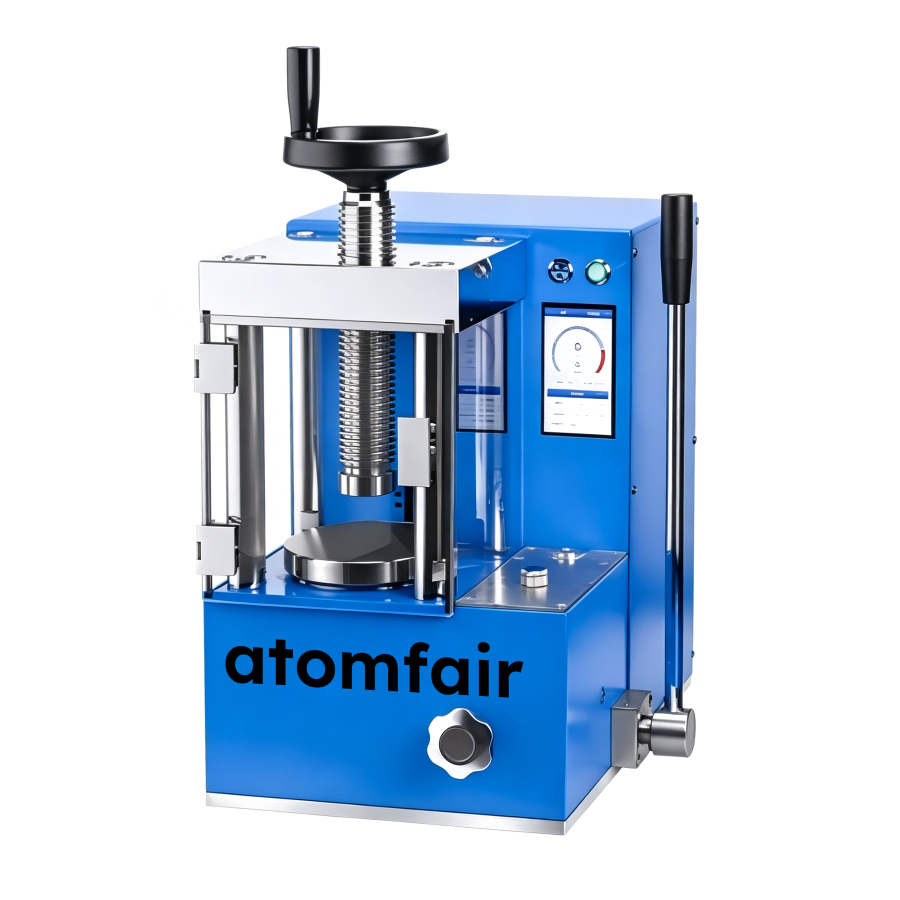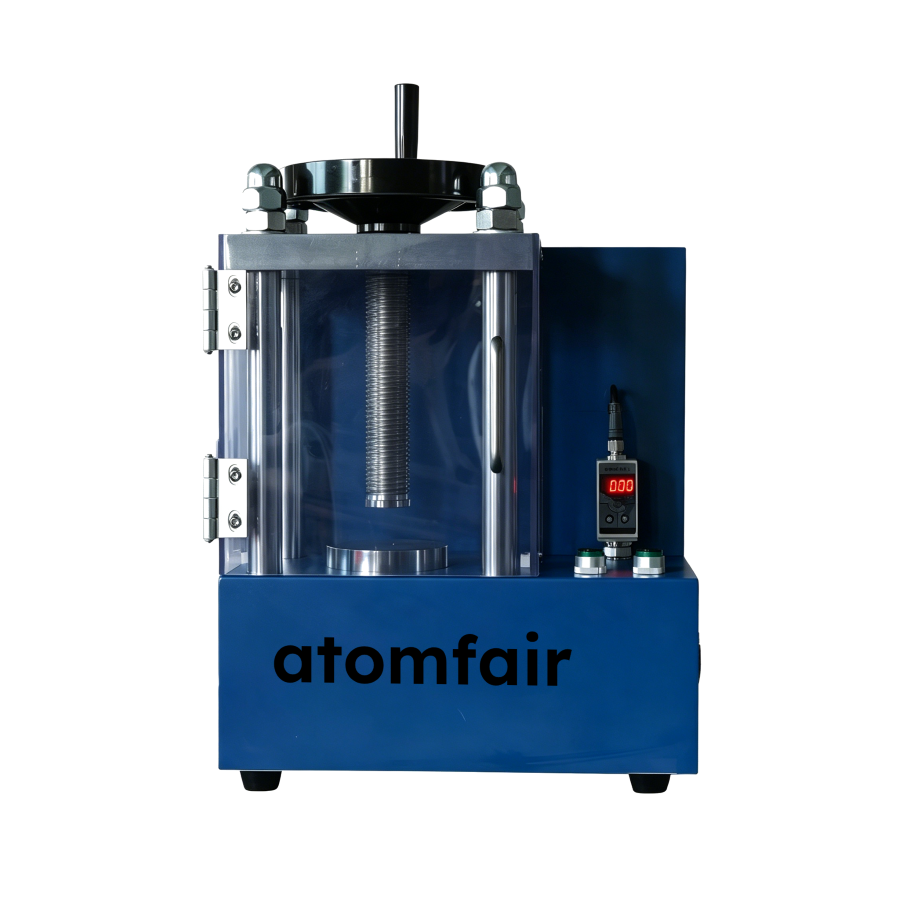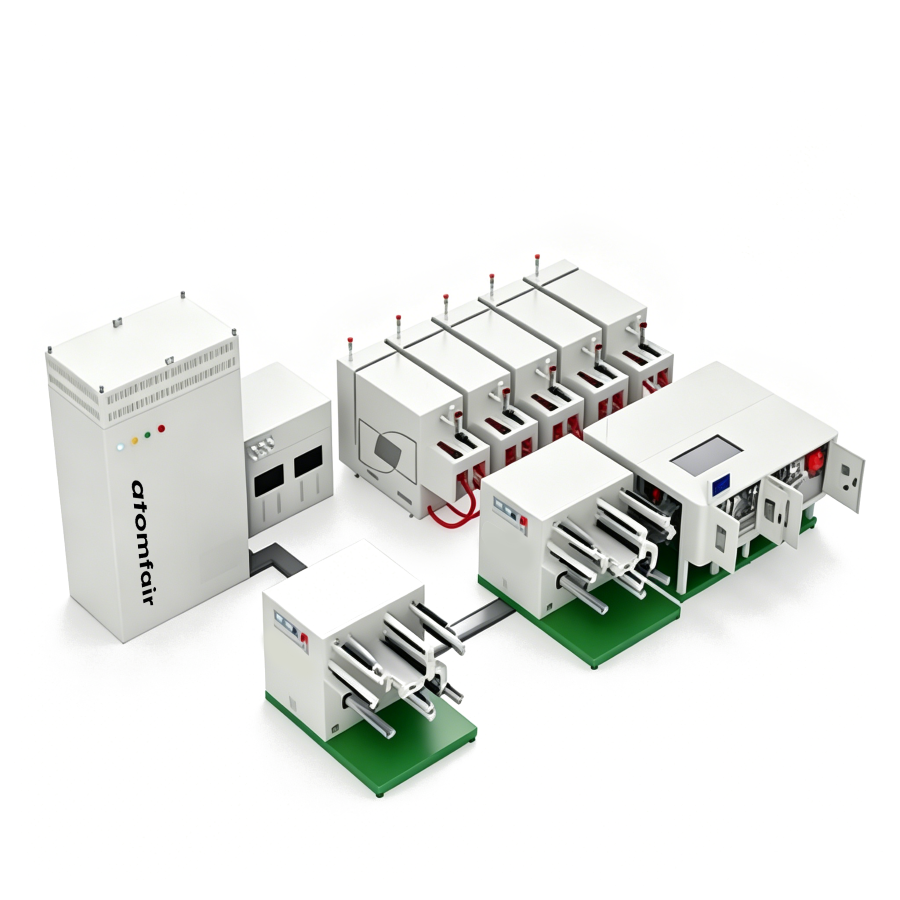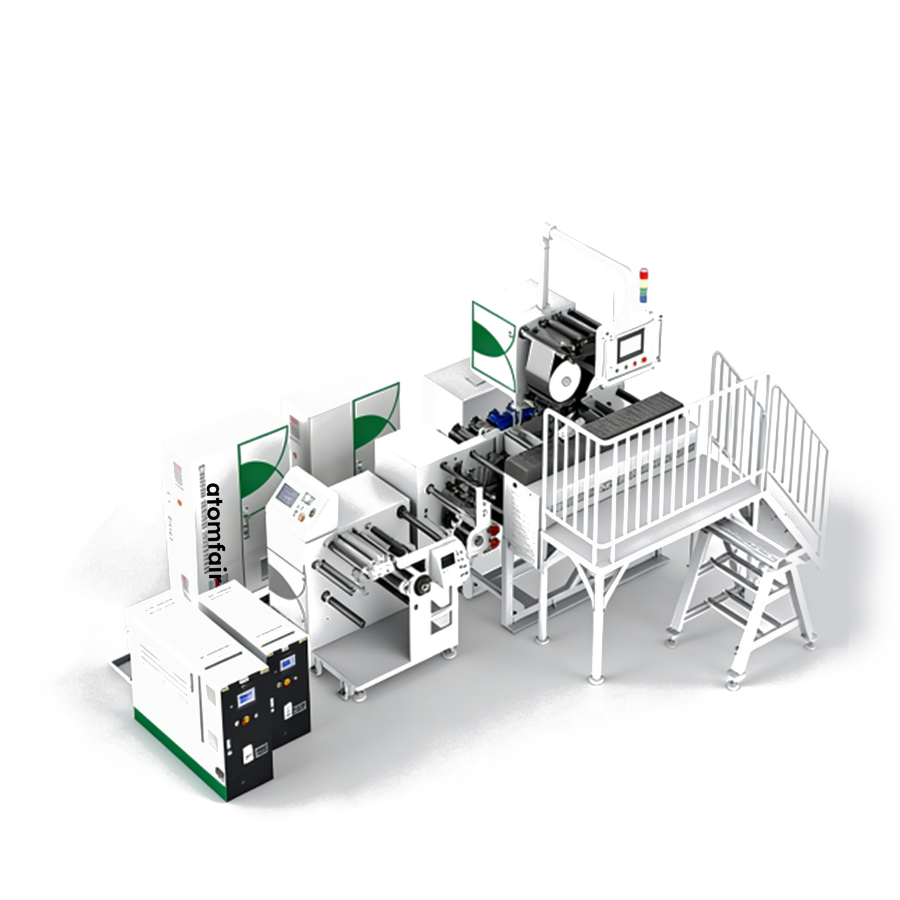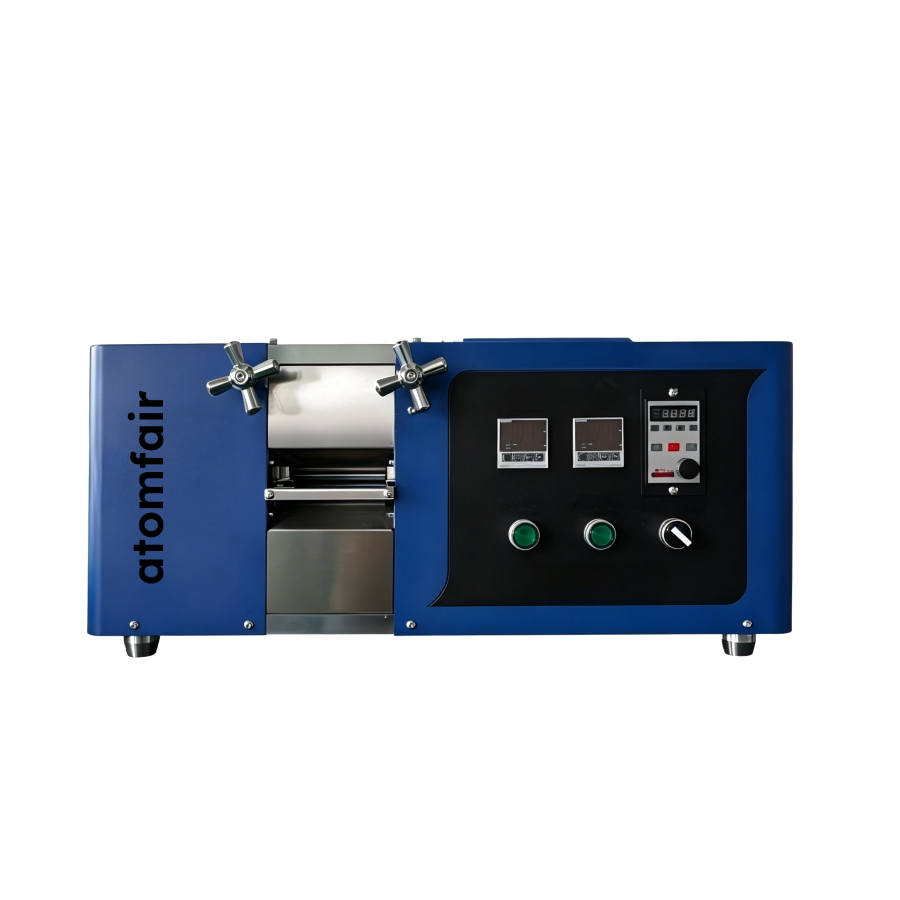
ATOMFAIR® ATOMFAIR-LHR3091 LAB HEATING ROLLING MILLRESEARCH GRADE MATERIAL
|
|||||||||||||||||||||||||||||||||||||||
|
|||||||||||||||||||||||||||||||||||||||
|
TAILORED SOLUTIONS FOR RESEARCH
Contact our engineering team for technical support or official quotations.
EMAIL: inquiry@atomfair.com
|
|||||||||||||||||||||||||||||||||||||||
|
Manufacturer: Atomfair LLC
Brand: ATOMFAIR®
|
This equipment operates with heated rolls and electrical power, requiring careful management of thermal and electrical hazards. The high surface hardness and precision cylindricity of the rolls demand cautious handling to avoid mechanical injury.
- Thermal Limit: Operate within the prescribed temperature envelope to prevent overheating of roll components and surrounding materials.
- Electrical Safety: Verify that the power source matches the device electrical specification before connection to avoid shock or damage.
- Mechanical Hazard: Keep hands and loose clothing away from the roll nip during operation to prevent crushing injuries.
- Roll Surface Protection: Avoid contact with hard or abrasive objects that could damage the chrome-plated roll surface finish.
- Ventilation Requirement: Ensure adequate airflow around the unit to dissipate heat accumulated during extended use.
This procedure covers initialization, material feeding, and safe shutdown of the lab heating rolling mill. Follow these steps to achieve consistent rolling results while mitigating thermal and mechanical risks.
Required Equipment: Thermally insulated gloves, Feed guide or tweezers for thin strips
- Inspect Machine
Inspect the roll surfaces for debris or damage and confirm the emergency stop functions correctly. - Set Temperature
Set the desired roll temperature via the digital thermostat, allowing sufficient warm‑up time until stable. - Adjust Roll Gap
Adjust the pressing gap using the inclined block mechanism to match the required final thickness. - Set Feeding Speed
Set the feeding speed to an appropriate rate for the material being processed. - Feed Material
Feed the strip material between the rolls using the guide, ensuring it enters evenly and straight. - Initiate Rolling
Start the rolling process using the forward direction, monitoring temperature and thickness continuously. - Reverse and Remove
Reverse the rolls to release the processed strip, then power down the heating element and allow cooling before cleaning.
What is the trade-off between rolling thickness precision and feeding speed for the Atomfair-LHR3091?
The rolling mill maintains roll cylindricity ≤±2μm across the full 0-2mm thickness range while allowing feeding speeds from 0-10mm/s. The inclined block self-locking adjustment mechanism ensures gap stability regardless of speed, so precision is not compromised by throughput.
Can the Atomfair-LHR3091 process precious metal foils wider than 100mm?
No, the pressing width is limited to 0-100mm as specified in the technical parameters. The equipment is designed for small-batch processing of battery materials, precious metals (gold, silver), and non-ferrous metals (copper, aluminum) within this width constraint.
What laboratory power infrastructure is required to operate the Atomfair-LHR3091 heating rolling mill?
The mill requires a standard AC220V/50Hz single-phase power supply with a capacity of at least 720W. No special three-phase wiring or high-amperage circuit is needed, making it compatible with typical laboratory benches and outlets.
The Atomfair-LHR3091 is a compact lab-scale heating rolling mill designed for small-batch processing of battery materials and precious/non-ferrous metals, offering adjustable temperature up to 200°C and precise thickness control with ±2μm cylindricity rolls.
Positive
- High rolling precision: Roll cylindricity ≤±2μm ensures consistent and accurate sheet thickness for battery plate densification and thinning.
- Hard chrome rolls HRC62: Surface hardness above HRC62 with hard chrome plating provides excellent wear and rust resistance, extending roll life and maintaining surface finish.
Trade-offs
- Limited temperature range: Maximum rolling temperature of 200°C may not be sufficient for materials requiring higher thermal processing conditions.
- Narrow thickness and width limits: Rolling thickness is restricted to 0–2mm and pressing width to 0–100mm, confining use to thin, narrow strips only.
Every advanced material, component, equipment, and instrument in our catalog is backed by rigorous testing. We maintain strict internal quality management frameworks and align with CE conformity metrics to deliver transparent, reproducible performance data via our public open-science repository.
To request raw batch performance data, submit formal vendor registration paperwork, or execute a fast-turnaround R&D manufacturing loop, contact us at inquiry@atomfair.com.
Item is dispatched under the Atomfair Shipping & Delivery Framework (Free worldwide shipping on orders over $59 USD excl. heavy equipment). Return is governed by the Atomfair Return & Refund Policy (7-day technical return window).