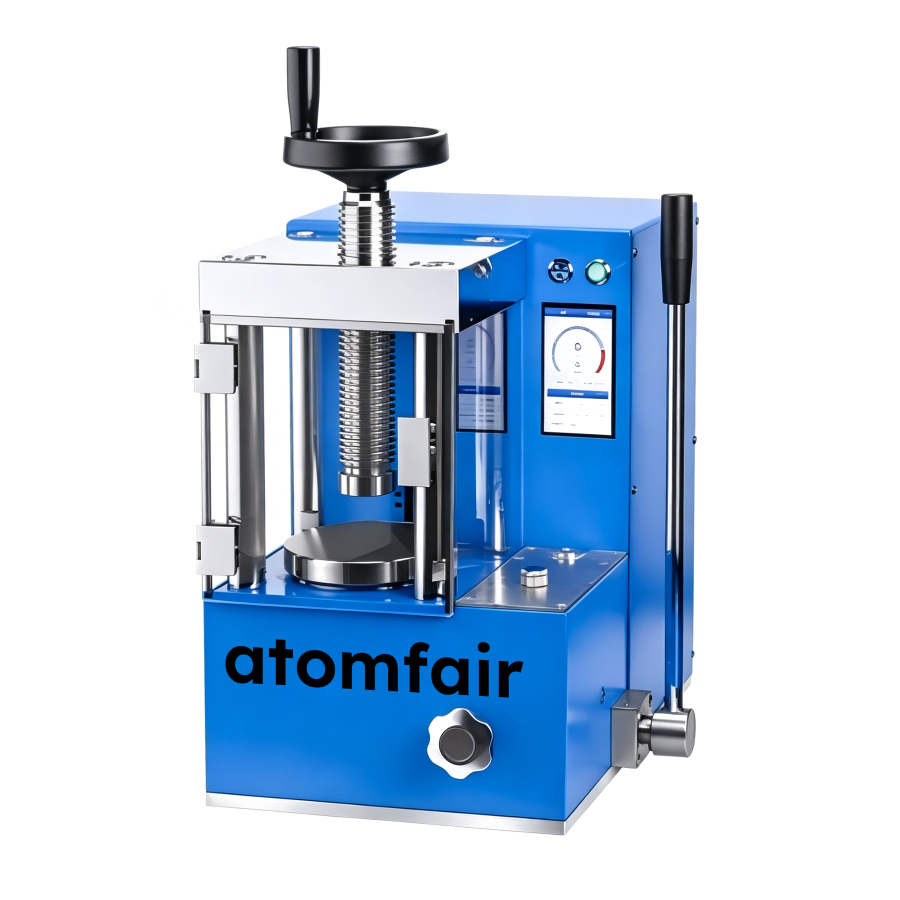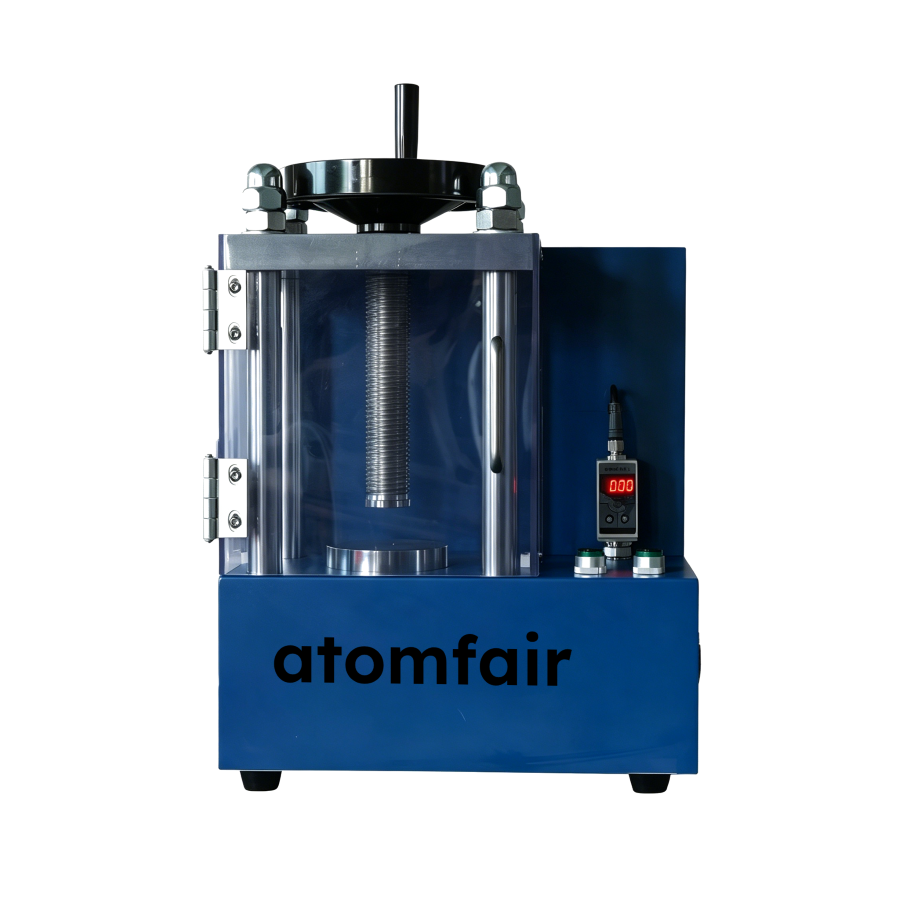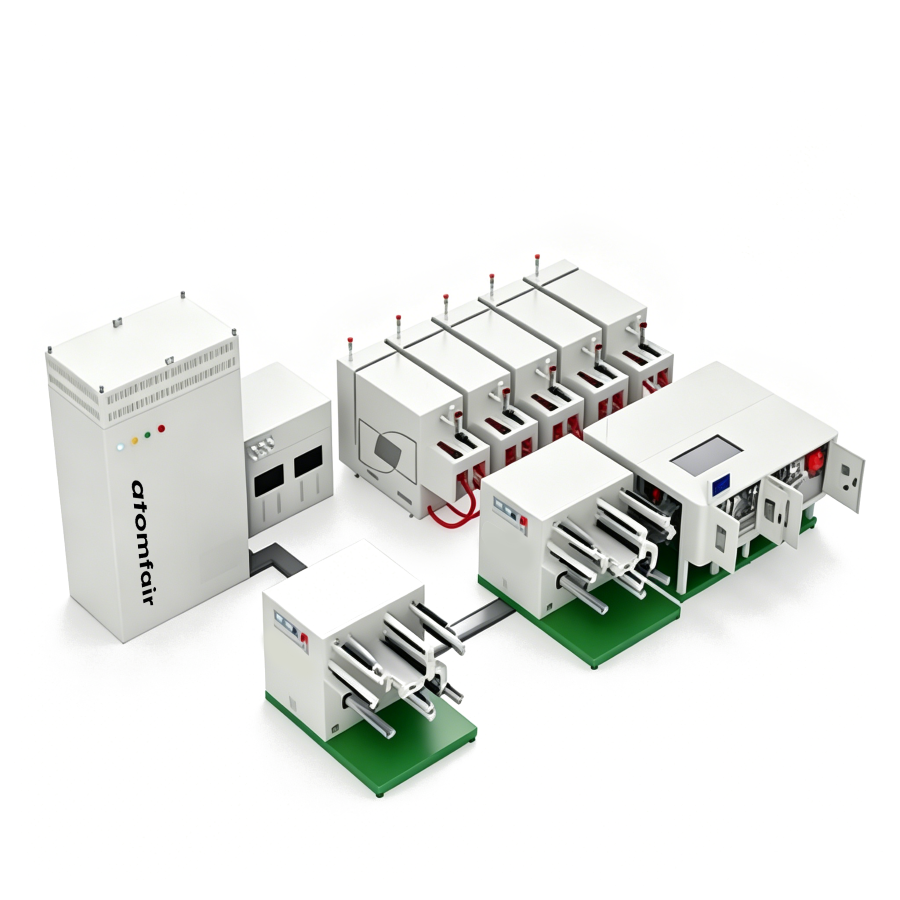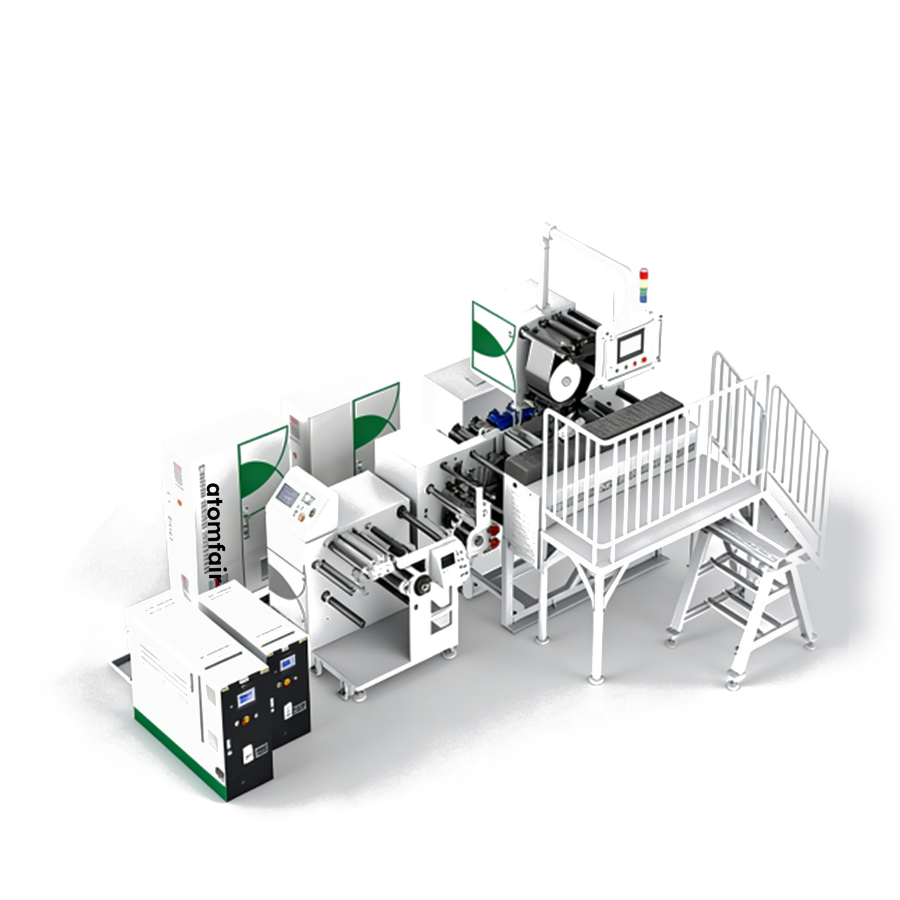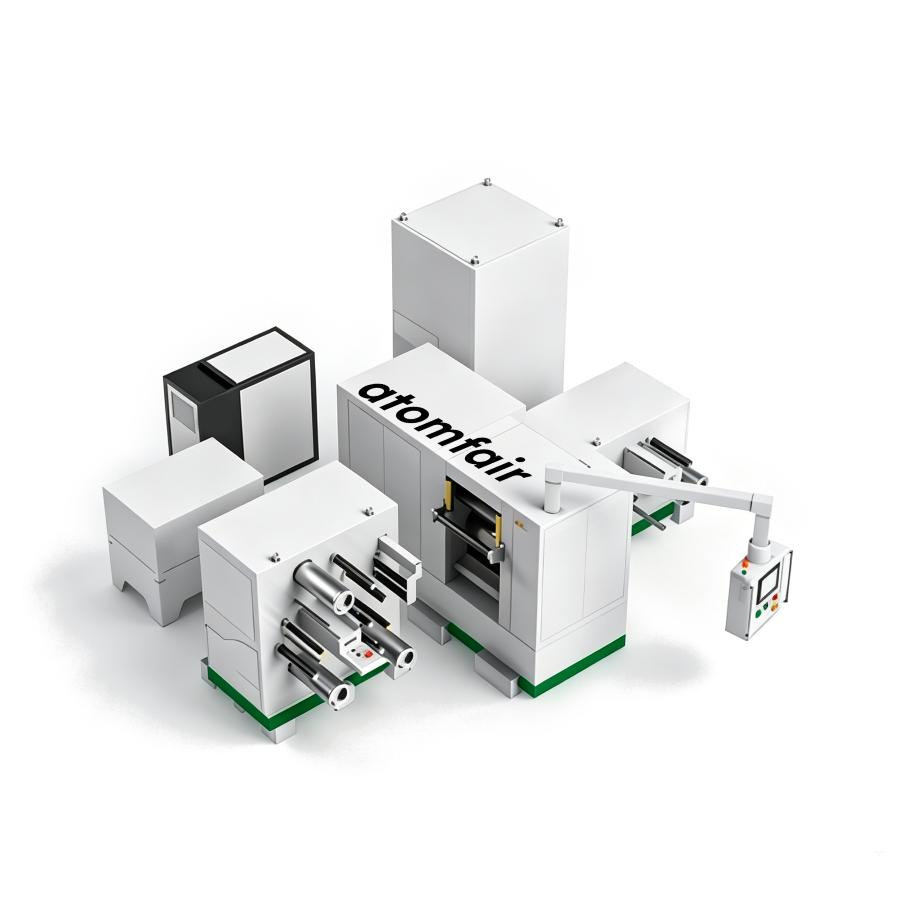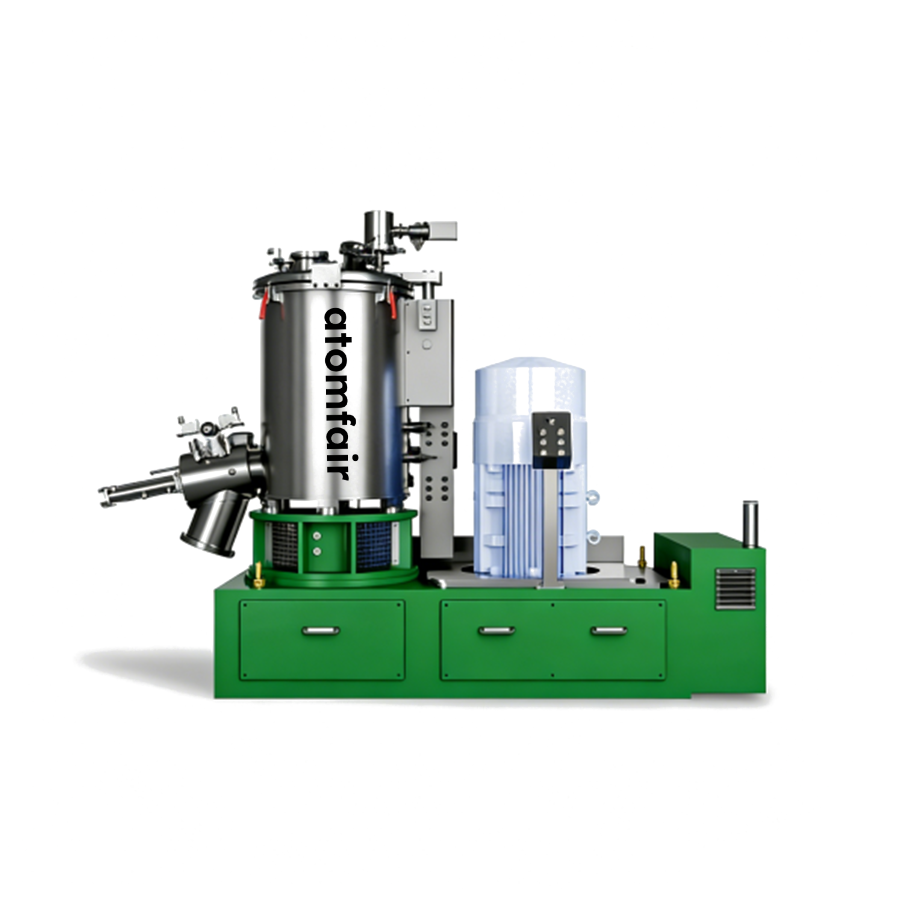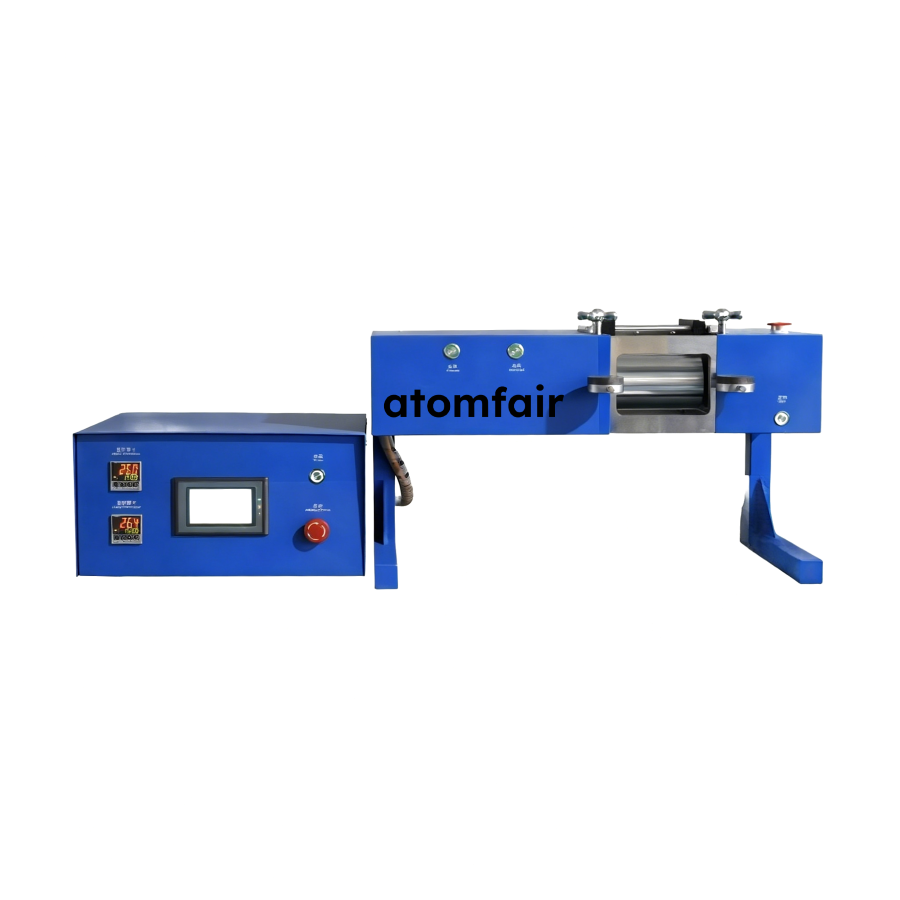
ATOMFAIR® LAB HEATED ROLLING MACHINE / MODEL ATOMFAIR-LHRM-8249RESEARCH GRADE MATERIAL
|
|||||||||||||||||||||||||||||||||||||
|
|||||||||||||||||||||||||||||||||||||
|
TAILORED SOLUTIONS FOR RESEARCH
Contact our engineering team for technical support or official quotations.
EMAIL: inquiry@atomfair.com
|
|||||||||||||||||||||||||||||||||||||
|
Manufacturer: Atomfair LLC
Brand: ATOMFAIR®
|
This equipment generates surface temperatures up to 150°C and operates on 220V AC at 1.6kW, presenting burn and electrical shock hazards. It must be used in a well-ventilated area or within a glove box for inert atmosphere processing, and requires stable, level placement due to its 150kg mass.
- Thermal Hazard: Surface temperatures exceed 60°C during operation, requiring heat-resistant gloves and a cool-down period before contact.
- Electrical Safety: The equipment must be grounded and connected to a dedicated circuit with appropriate overcurrent protection to prevent shock.
- Mechanical Pinch Hazard: Roller nip points can entrap fingers or loose clothing; keep hands clear and use a feed guide for thin materials.
- Contamination Control: Chrome-plated roller surfaces require regular cleaning with non-abrasive, solvent-resistant wipes to maintain surface finish and prevent material cross-contamination.
- Installation Requirements: The unit’s split design allows the working section to be placed inside a glove box, but the control box must remain outside and cables must pass through sealed ports.
Initialize and operate the heated rolling machine under controlled temperature and feed conditions to process battery electrode materials safely. Follow chronological steps to prevent thermal, electrical, and mechanical hazards.
Required Equipment: Heat-resistant gloves (rated for >150°C), Thickness gauge (0–2mm resolution), Non-abrasive cleaning wipes, Glove box (if inert atmosphere required)
- Pre-Operation Inspection
Inspect power cord, enclosure, and emergency stop button for damage before connecting to AC220V supply. - Temperature Ramp-Up
Set the digital temperature controller to the required rolling temperature (max 150°C) and allow the rollers to stabilize for 10 minutes. - Gap and Speed Adjustment
Adjust the rolling thickness gap (0–2mm) and feed speeds (0–37 mm/s for roller 1, 0–22 mm/s for roller 2) using the control panel. - Material Feeding
Feed the electrode sheet or powder compact evenly into the roller nip while maintaining constant tension and alignment. - In-Process Monitoring
Monitor displayed temperature, motor current, and material output thickness continuously to verify process stability. - Shutdown and Cooling
Power off the main switch and wait until roller surface temperature drops below 40°C before any cleaning or adjustment. - Post-Use Cleaning
Clean roller surfaces with specified non-abrasive wipes to remove residual material and prevent contamination buildup.
What is the maximum feeding speed achievable at the highest rolling temperature of 150°C?
The feeding speed is independently adjustable regardless of temperature. Roller 1 can be set up to 37 mm/s and Roller 2 up to 22 mm/s even at the maximum 150°C, because the dual-motor drive and hardened rollers (HRC62, Ra0.8) maintain stable counter-roll pressing across the full temperature range.
Can the Atomfair-LHRM-8249 be used inside a glove box for processing air-sensitive battery materials?
Yes, the split-type structure allows the working unit (580×700×750 mm) to be placed inside a glove box while the control box remains outside. This enables electric rolling and heated processing of air-sensitive materials without contaminating the inert atmosphere, as the equipment is designed specifically for such integration.
What are the power and space requirements for installing the Atomfair-LHRM-8249 in a laboratory?
The equipment requires a single-phase AC220V/50Hz power supply with a 1.6 kW capacity. The working unit occupies 580×700×750 mm, the control box measures 470×460×260 mm, and the total weight is 150 kg. Adequate bench support and clearance for heat dissipation around the 150°C rollers are necessary.
The Atomfair-LHRM-8249 lab heated rolling machine provides controlled rolling up to 150°C with high-hardness chrome-plated rollers (≥HRC62, Ra0.8 finish), enabling precise electrode processing for battery materials, but its 150 kg split-unit design requires dedicated AC220V/50Hz power infrastructure and careful handling for glove-box integration.
Positive
- Controlled heated rolling up to 150°C: Adjustable temperature with digital display allows precise thermal conditioning of battery materials, improving electrode film consolidation and adhesion during processing.
- High-hardness, low-roughness rollers: Chrome-plated rollers with hardness ≥ HRC62 and surface finish ≤ Ra0.8 ensure consistent nip pressure and minimal surface contamination, critical for uniform electrode thickness and quality.
Trade-offs
- Dedicated AC220V/50Hz power required: The 1.6 kW unit operates solely on AC220V/50Hz mains, limiting use in labs with different voltage/frequency standards without additional transformation equipment.
- Split-unit design with weight and sync constraints: The 150 kg working unit and separate control box require ample bench space and careful cable management; differential roller speeds (max 37 vs 22 mm/s) demand operator calibration for uniform feeding.
Every advanced material, component, equipment, and instrument in our catalog is backed by rigorous testing. We maintain strict internal quality management frameworks and align with CE conformity metrics to deliver transparent, reproducible performance data via our public open-science repository.
To request raw batch performance data, submit formal vendor registration paperwork, or execute a fast-turnaround R&D manufacturing loop, contact us at inquiry@atomfair.com.
Item is dispatched under the Atomfair Shipping & Delivery Framework (Free worldwide shipping on orders over $59 USD excl. heavy equipment). Return is governed by the Atomfair Return & Refund Policy (7-day technical return window).