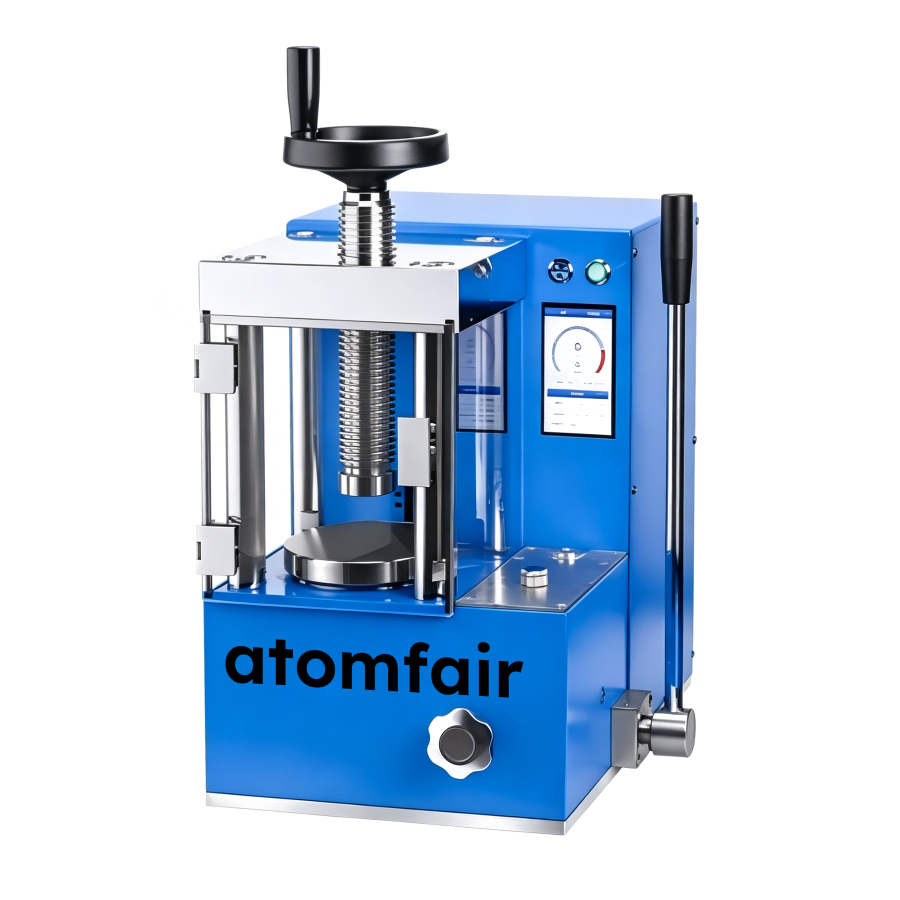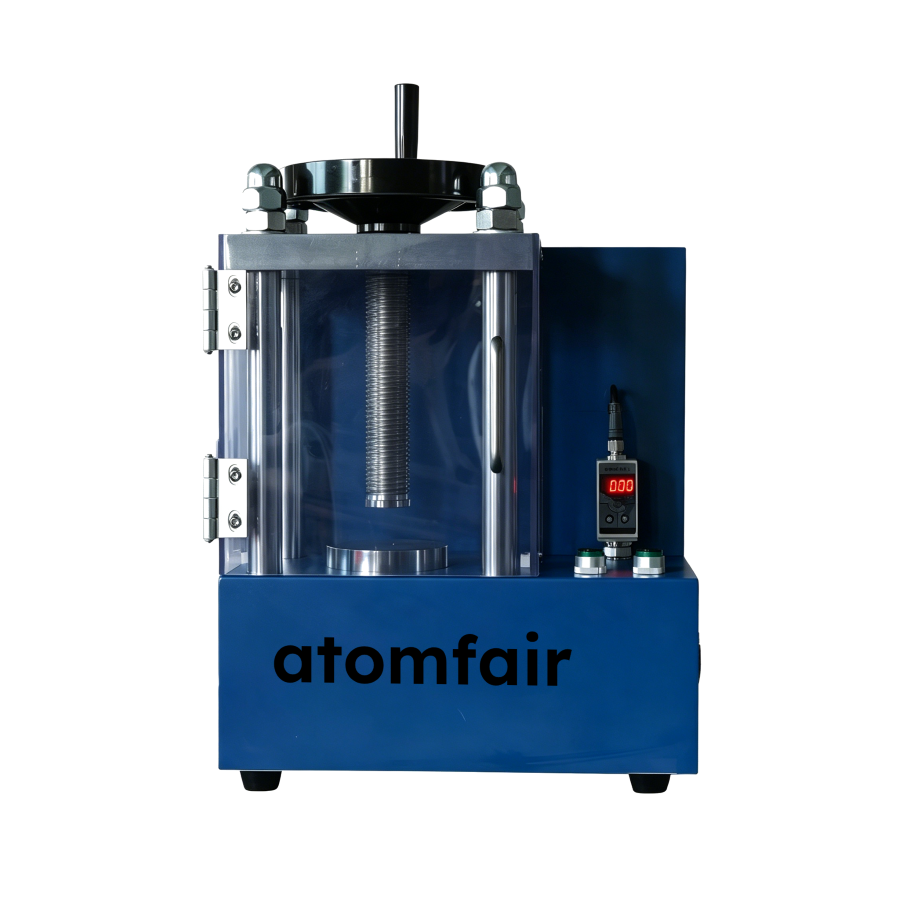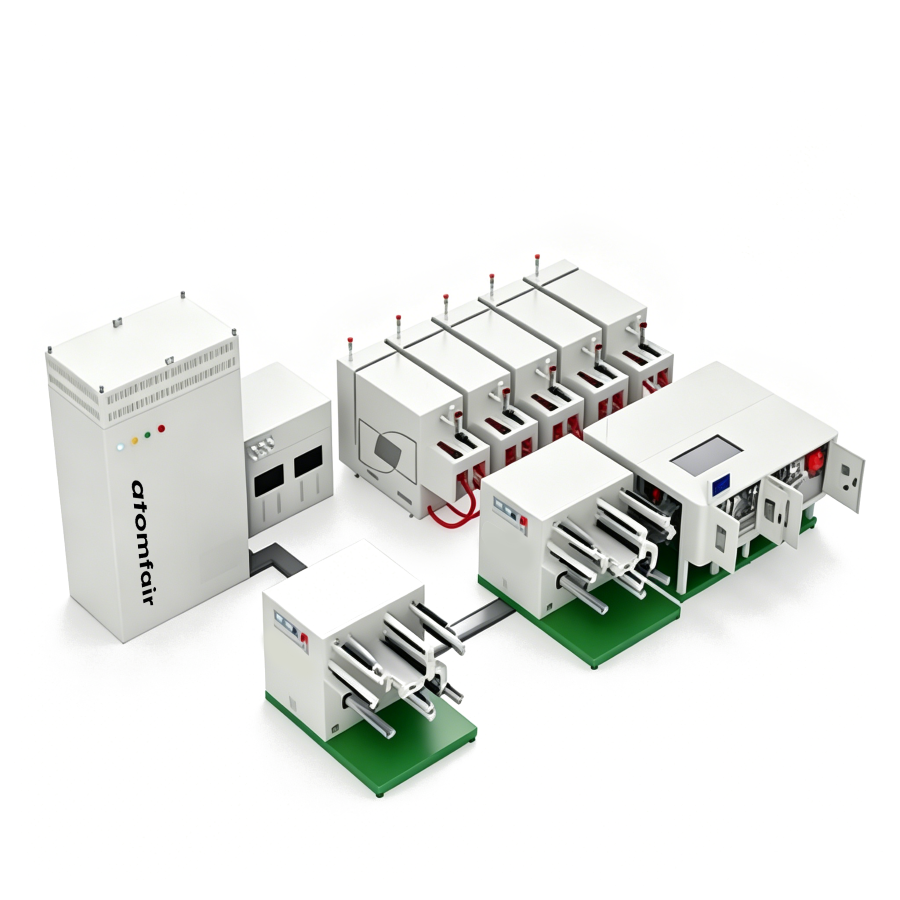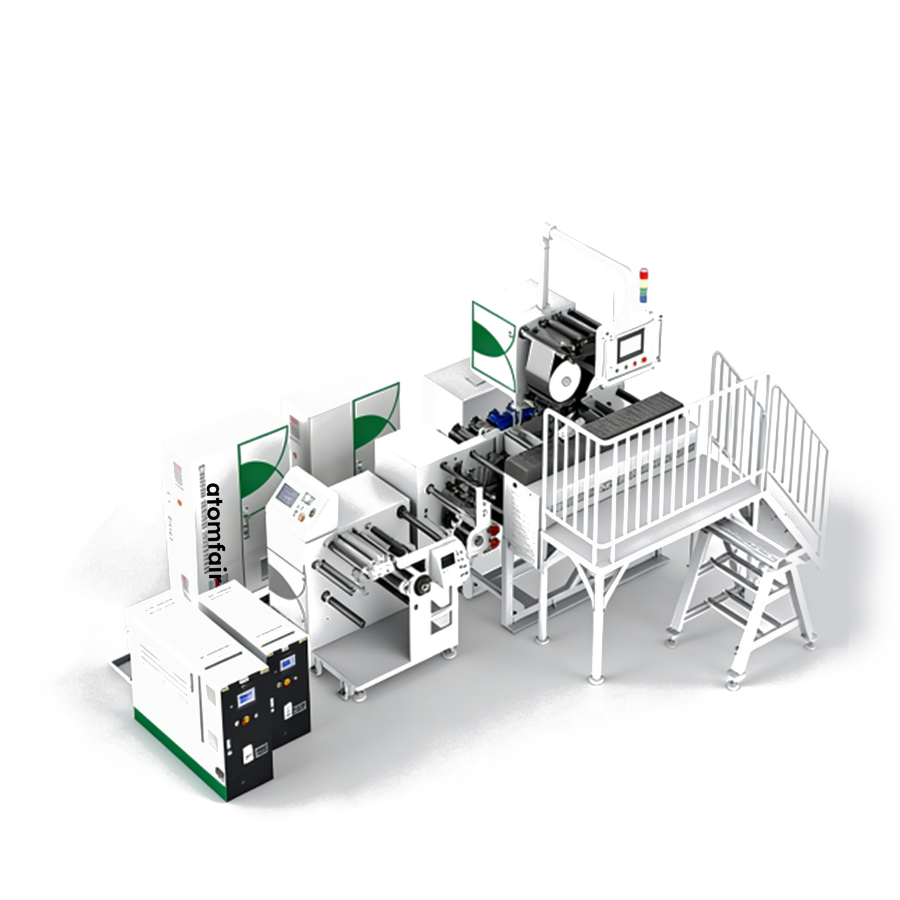
ATOMFAIR® ATOMFAIR-ELR7049 ELECTRIC ROLLING MILLRESEARCH GRADE MATERIAL
|
|||||||||||||||||||||||||||||||||
|
|||||||||||||||||||||||||||||||||
|
TAILORED SOLUTIONS FOR RESEARCH
Contact our engineering team for technical support or official quotations.
EMAIL: inquiry@atomfair.com
|
|||||||||||||||||||||||||||||||||
|
Manufacturer: Atomfair LLC
Brand: ATOMFAIR®
|
This document outlines operational and environmental constraints for safe use of the Atomfair-ELR7049 electric rolling mill. Adherence to these constraints prevents equipment damage and personal injury.
- Electrical Supply: Operate the mill only on a grounded AC 220V/50Hz power supply to prevent electrical hazards.
- Environmental Conditions: Use the equipment in a dry, indoor environment away from flammable materials to minimize fire risk.
- Mechanical Safety: Keep hands and loose clothing clear of the rotating rolls during operation to avoid crush injuries.
- Material Handling: Feed only small pieces of material within the 0-100mm width and 0-2mm thickness limits to prevent jamming.
- Roll Maintenance: Clean rolls after each use to prevent contamination and maintain surface finish.
This procedure describes safe steps to initialize and operate the electric rolling mill for plate thinning. Follow these steps in order to achieve consistent results and avoid accidents.
Required Equipment: Atomfair-ELR7049 Electric Rolling Mill
- Set Roll Gap
Adjust the roll gap to the desired thickness using the thickness adjustment mechanism before powering on. - Power On and Set Speed
Connect the mill to a grounded AC 220V/50Hz outlet and set the feeding speed using the speed control knob. - Feed Material
Insert the material evenly into the roll inlet, ensuring it is aligned straight to avoid misalignment. - Monitor Rolling
Observe the rolling process continuously and prepare to reverse the motor if material becomes stuck. - Retrieve Material
Collect the rolled material from the outlet side and inspect thickness with a micrometer. - Power Down and Clean
Turn off the motor, disconnect power, and wipe rolls clean with a lint-free cloth.
How does the roll surface hardness of HRC62 affect the achievable surface finish on lithium battery electrode materials?
The roll surface hardness above HRC62 ensures durability for repeated rolling of battery materials, while the roll finish above Ra 0.4 μm provides a smooth surface that minimizes defects. This combination allows uniform thinning and density increase of lithium battery plates without introducing surface irregularities, as specified in the technical parameters.
What are the maximum material dimensions that can be processed with the Atomfair-ELR7049 rolling mill?
The rolling mill can process materials with a maximum width of 100mm and thickness ranging from 0 to 2mm. The horizontal twin-roll design with adjustable feeding speed (0–40 mm/s) and forward/reverse motor allows precise handling of small pieces of battery materials, precious metals, and non-ferrous metals, as stated in the product specifications.
What electrical and physical infrastructure is required to operate the Atomfair-ELR7049 rolling mill in a laboratory?
The mill requires a standard AC220V/50HZ power supply with 200W power consumption. Its 70kg weight and dimensions of L500mm × W360mm × H620mm necessitate a sturdy, level bench and adequate laboratory space to accommodate the footprint and ensure safe operation.
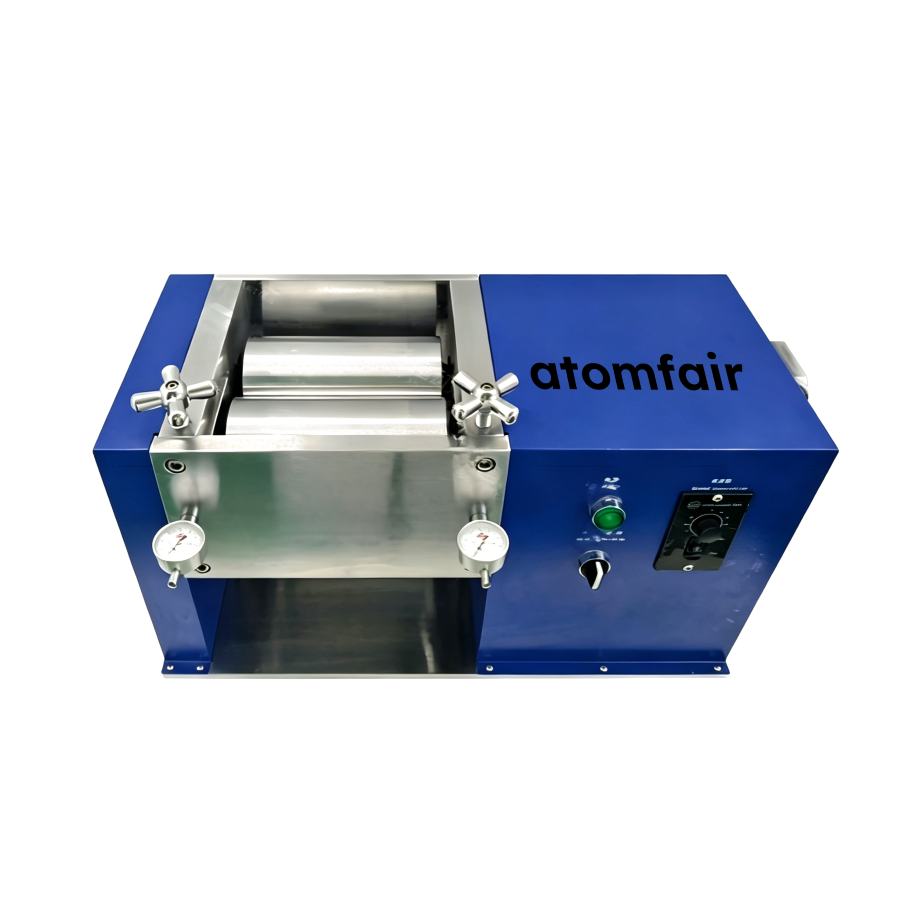
The Atomfair-ELR7049 is a horizontal electric rolling mill engineered for lab-scale thinning and densification of lithium battery plates and small precious/non-ferrous metal strips. It offers precise thickness adjustment from 0–2 mm and variable feed speed up to 40 mm/s, with a reversible motor for safe material retraction.
Positive
- Reversible motor for safe operation: The motor can rotate forward and reverse, allowing the operator to withdraw material quickly if problems are detected during rolling, reducing waste and handling risk.
- Adjustable thickness and speed: Rolling thickness is continuously adjustable from 0 to 2 mm and feeding speed from 0 to 40 mm/s, providing flexible process control for different materials and experimental requirements.
Trade-offs
- Limited to small piece sizes: The mill is designed for small materials with a maximum rolling width of 100 mm, restricting throughput and compatibility with larger electrode or strip formats.
- Specific AC power requirement: Operation requires a 220 V / 50 Hz supply, which may necessitate a transformer or frequency converter in labs with 110 V or 60 Hz electrical infrastructure.
Every advanced material, component, equipment, and instrument in our catalog is backed by rigorous testing. We maintain strict internal quality management frameworks and align with CE conformity metrics to deliver transparent, reproducible performance data via our public open-science repository.
To request raw batch performance data, submit formal vendor registration paperwork, or execute a fast-turnaround R&D manufacturing loop, contact us at inquiry@atomfair.com.
Item is dispatched under the Atomfair Shipping & Delivery Framework (Free worldwide shipping on orders over $59 USD excl. heavy equipment). Return is governed by the Atomfair Return & Refund Policy (7-day technical return window).