|
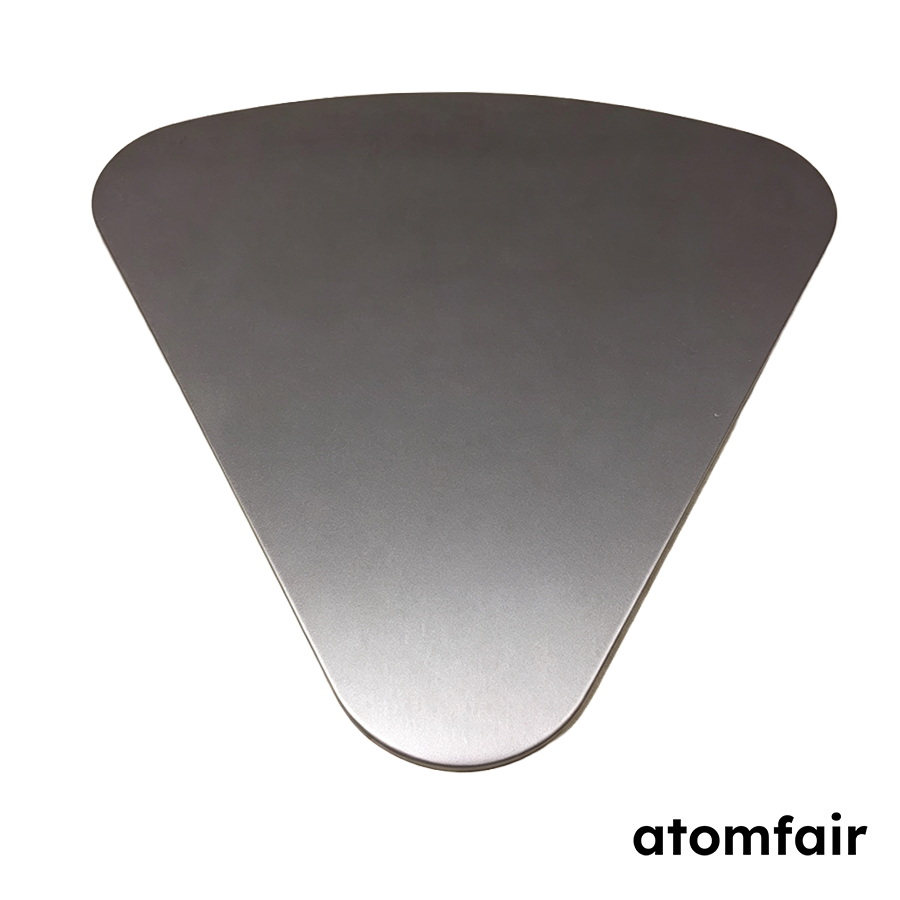
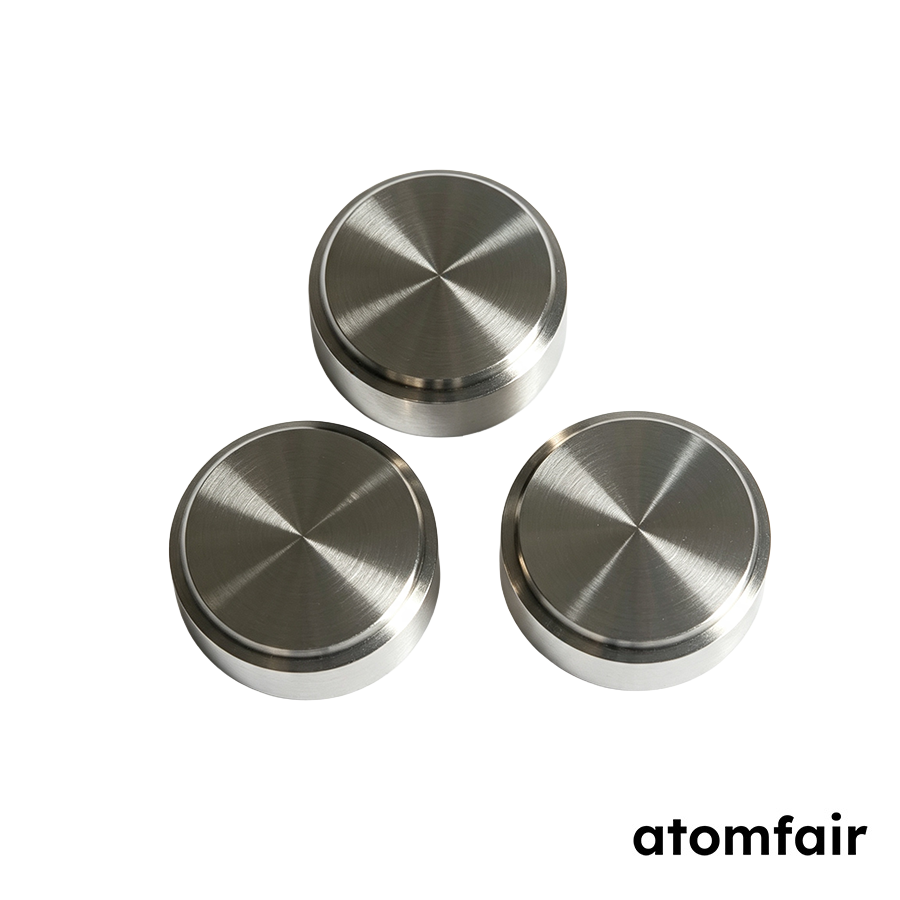
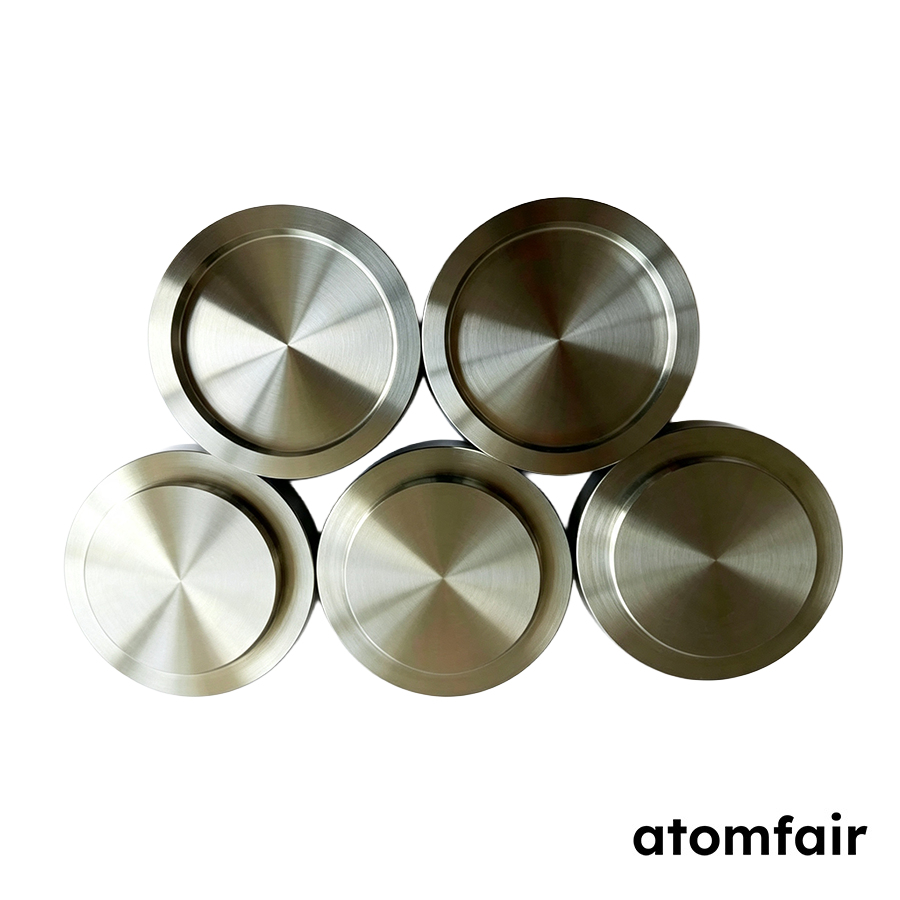
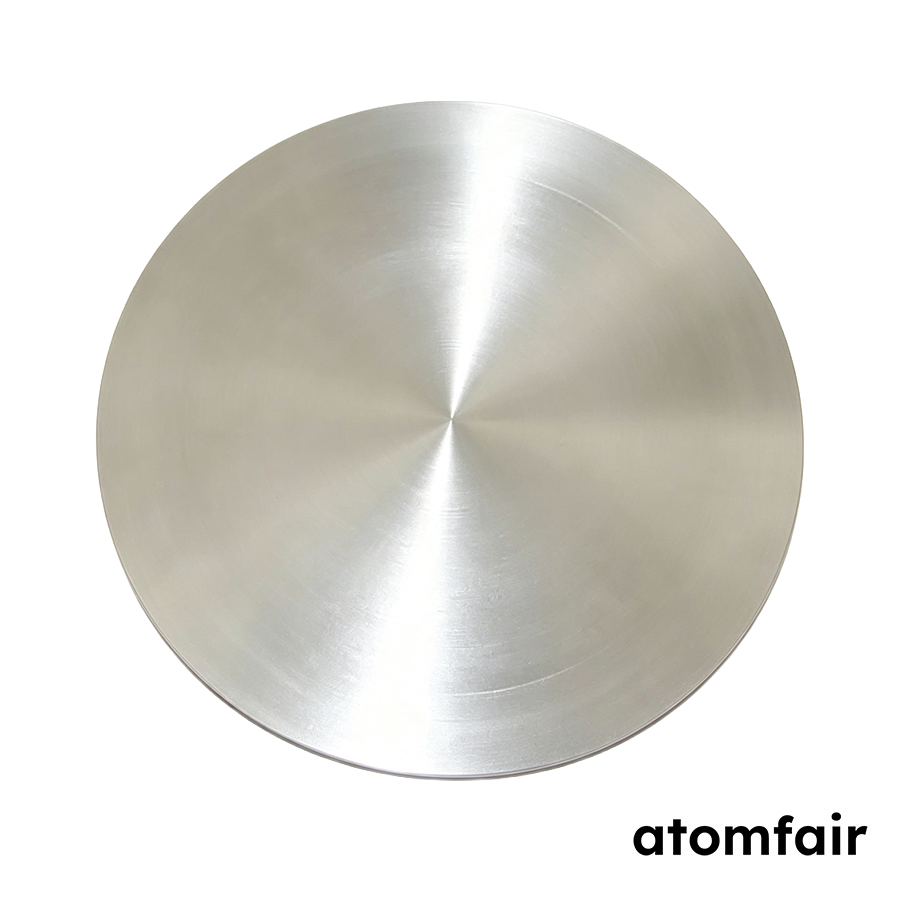
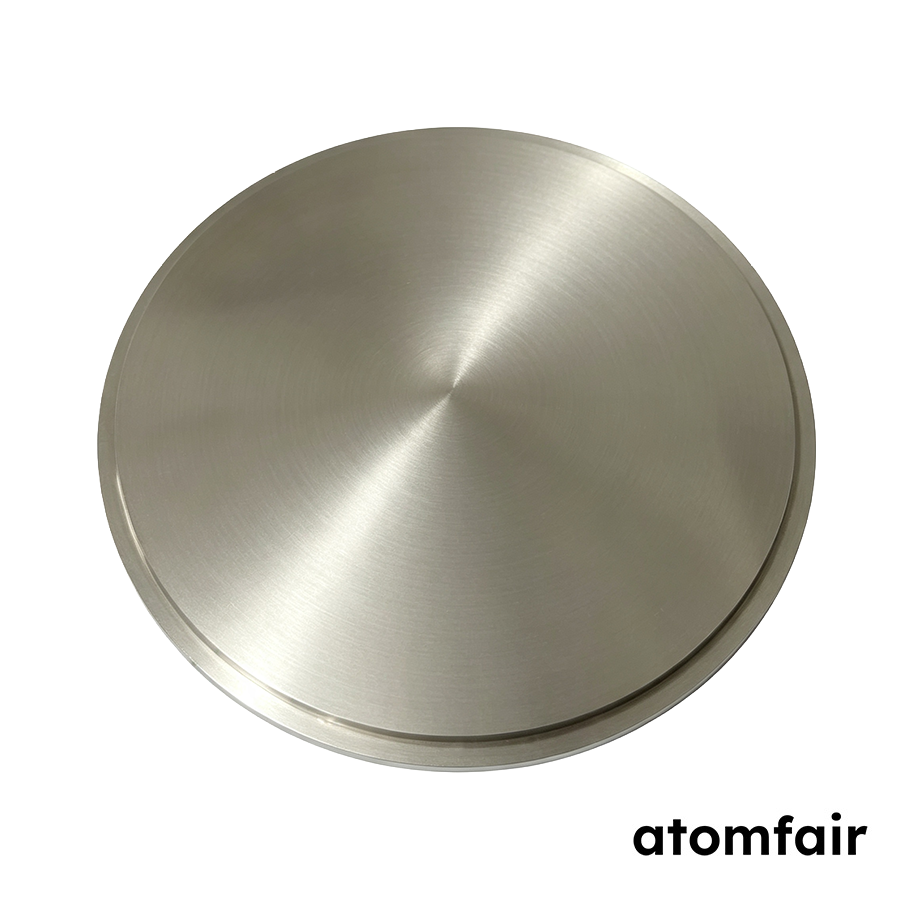
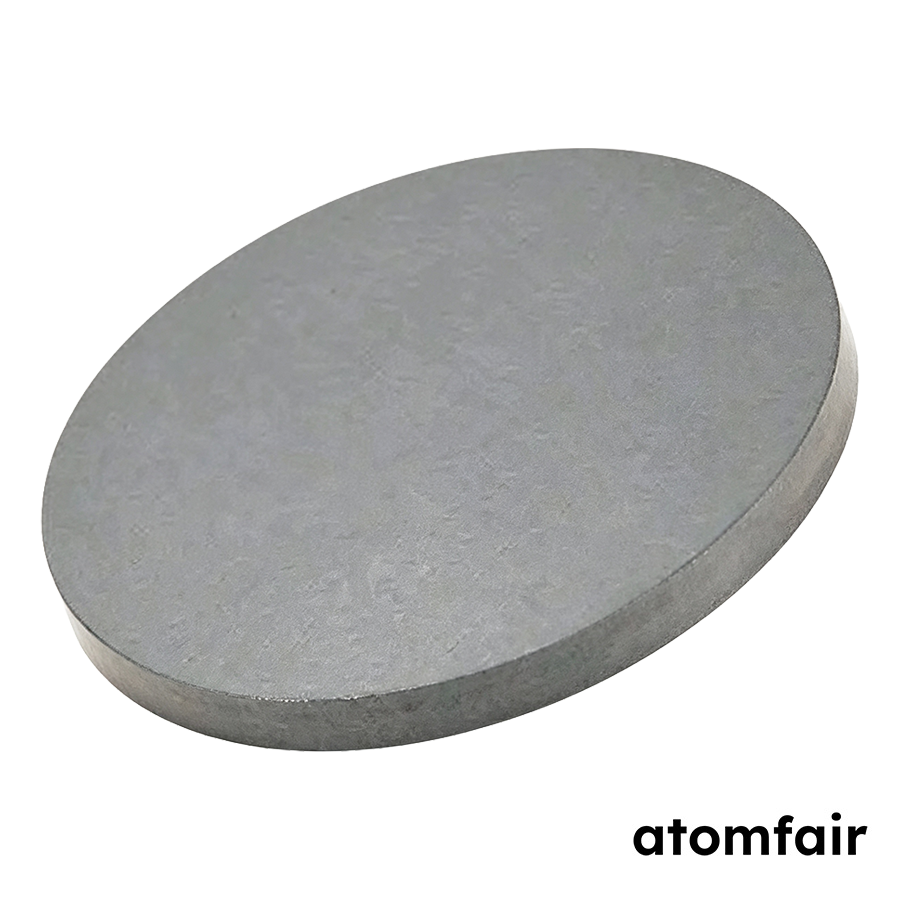
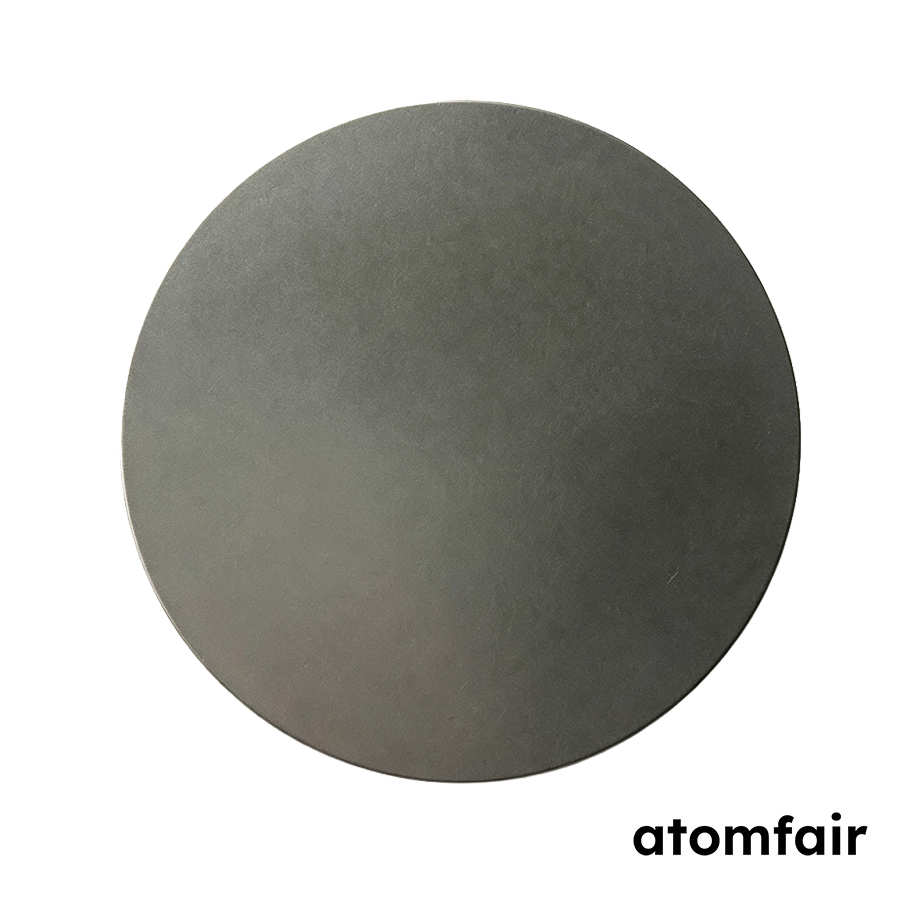
Cerium-Gadolinium Alloy Sputtering Target (CeGd)
Product Type: Metal alloy sputtering target
Research-grade laboratory product
|
|||||||||||||||||||||||||||||||||||||
|
|||||||||||||||||||||||||||||||||||||
|
LABORATORY PROCUREMENT SUPPORT
INQUIRY: inquiry@atomfair.com
|
|||||||||||||||||||||||||||||||||||||
|
Manufacturer: Atomfair LLC
Brand: ATOMFAIR®
|
Store the target in a dry, inert atmosphere to prevent surface oxidation and moisture adsorption. Avoid exposure to reactive atmospheres that could degrade the alloy surface prior to deposition.
- Environmental Sensitivity: The target surface may oxidize if stored in ambient air for extended periods, requiring argon or vacuum storage to maintain sputtering performance.
- Handling Contamination Risk: Handle the target with clean, powder-free gloves to avoid transferring oils or particulates that could cause arcing or film defects during sputtering.
- Bonding Integrity: Indium bonding requires careful thermal management during sputtering to prevent debonding from the backing plate at elevated power densities.
Install the CeGd target into a magnetron sputtering system following standard vacuum coating protocols. Condition the target surface to remove any native oxide layer before depositing functional thin films.
Required Equipment: Magnetron sputtering system with DC or RF power supply, Argon gas supply (99.999% purity), Vacuum pump system capable of base pressure below 1×10⁻⁵ Pa
- Mount the target
Secure the CeGd target onto the magnetron cathode using the appropriate bonding method and backing plate, ensuring thermal contact is uniform. - Evacuate the chamber
Pump the sputtering chamber to a base pressure below 1×10⁻⁵ Pa to remove residual water vapor and oxygen. - Introduce process gas
Backfill the chamber with argon to a working pressure between 0.5 and 2.0 Pa for stable plasma ignition. - Pre-sputter the target
Apply DC power at 3-5 W/cm² or RF power at 1-2 W/cm² for 5-10 minutes with the shutter closed to remove surface contaminants and oxide layers. - Set deposition parameters
Adjust power density to the desired range (DC: 3-15 W/cm², RF: 1-5 W/cm²) and confirm stable plasma conditions before opening the shutter. - Deposit the film
Open the shutter and allow sputtering onto the substrate, monitoring deposition rate and thickness uniformity across the substrate area.
What deposition rates and film uniformity can be achieved with the CeGd sputtering target under DC and RF magnetron sputtering?
Under optimized conditions, the CeGd sputtering target achieves deposition rates of 10–80 nm/min with ±5% thickness uniformity across a 100 mm substrate. For DC sputtering, the recommended power density is 3–15 W/cm², and for RF sputtering, 1–5 W/cm², both under 0.5–2.0 Pa Ar atmosphere. These parameters enable stoichiometric transfer within ±2 at% of the CeGd composition.
What bonding and backing plate options are available for the CeGd sputtering target, and how do they affect thermal management?
The target offers indium bonding or elastomer bonding as optional bonding types, with backing plate options of oxygen-free copper or CuCrZr. These allow users to tailor thermal conductivity and mechanical stability to their sputtering system. Indium bonding provides good thermal contact but may outgas at high temperatures, while elastomer bonding reduces contamination risk, though specific thermal conductivity values are not stated in the product description.
What purity and impurity levels are specified for the CeGd sputtering target, and how do they impact thin film properties?
The target has a purity of 99.95% (3N5) with total metallic impurities <500 ppm and oxygen and nitrogen combined <100 ppm. This high purity minimizes contamination in deposited films, improving resistivity and adhesion. The relative density is ≥93% of theoretical with a fine grain size ≤50 µm, ensuring consistent sputtering behavior and film quality.
The CeGd alloy sputtering target (99.95% purity, 2" diameter x 0.25") is designed for DC/RF magnetron sputtering of magnetic, magneto-optical, and hydrogen-storage thin films, with optimized stoichiometric transfer (±2 at%) and deposition uniformity (±5% over 100 mm) under controlled parameters.
Positive
- High purity with low impurities: 99.95% purity with total metallic impurities <500 ppm and O+N <100 ppm minimizes contamination in deposited films, improving resistivity and adhesion.
- Optimized sputtering parameters: DC/RF magnetron sputtering at 3-15 W/cm² (DC) or 1-5 W/cm² (RF) under 0.5-2.0 Pa Ar achieves deposition rates of 10-80 nm/min with ±5% thickness uniformity across a 100 mm substrate.
Trade-offs
- Stoichiometry sensitive to sputtering conditions: The ±2 at% stoichiometric transfer tolerance is guaranteed only under optimized sputtering conditions; deviations in power, pressure, or substrate temperature may increase composition variation.
- Bonding and backing plate compatibility: Optional indium or elastomer bonding and oxygen-free copper or CuCrZr backing plates require verification against the deposition system's target holder design and thermal management capabilities.
Every advanced material, component, equipment, and instrument in our catalog is backed by rigorous testing. We maintain strict internal quality management frameworks and align with CE conformity metrics to deliver transparent, reproducible performance data via our public open-science repository.
To request raw batch performance data, submit formal vendor registration paperwork, or execute a fast-turnaround R&D manufacturing loop, contact us at inquiry@atomfair.com.
Item is dispatched under the Atomfair Shipping & Delivery Framework (Free worldwide shipping on orders over $59 USD excl. heavy equipment). Return is governed by the Atomfair Return & Refund Policy (7-day technical return window).