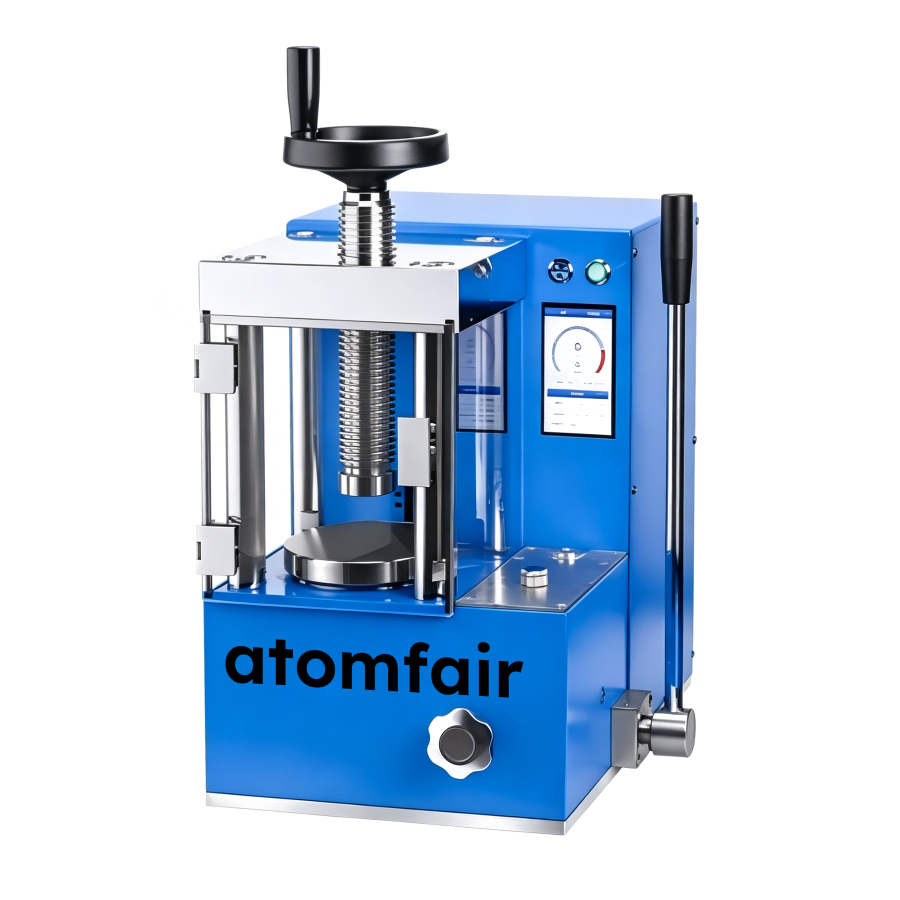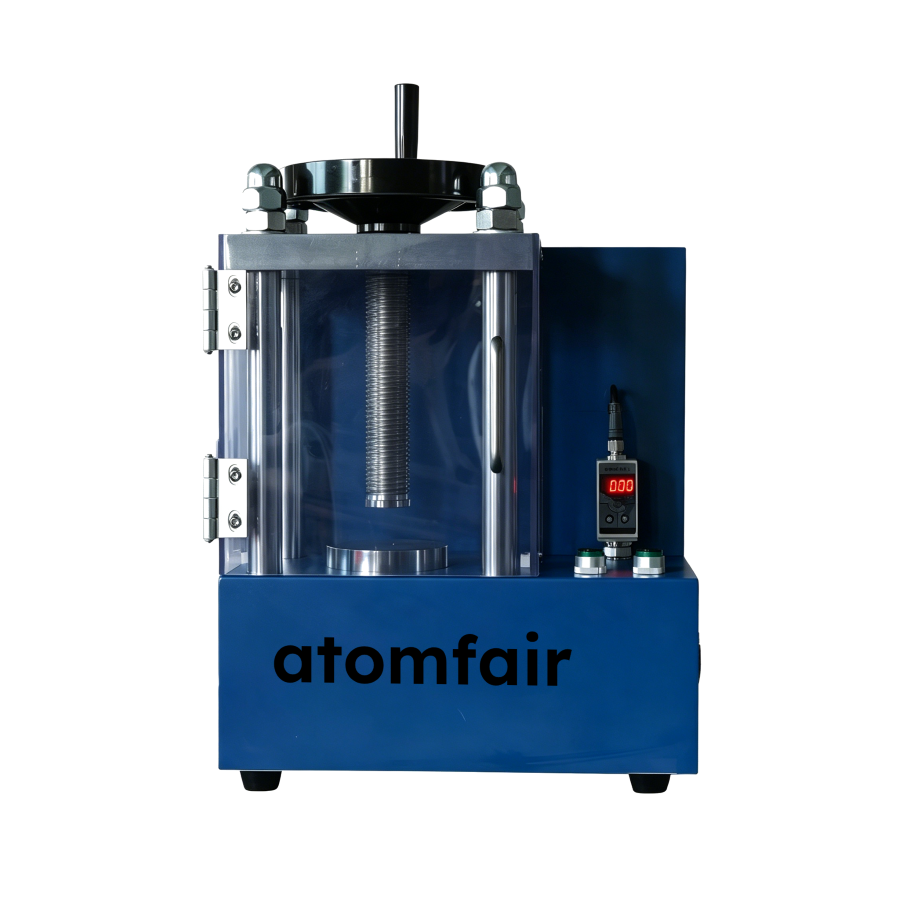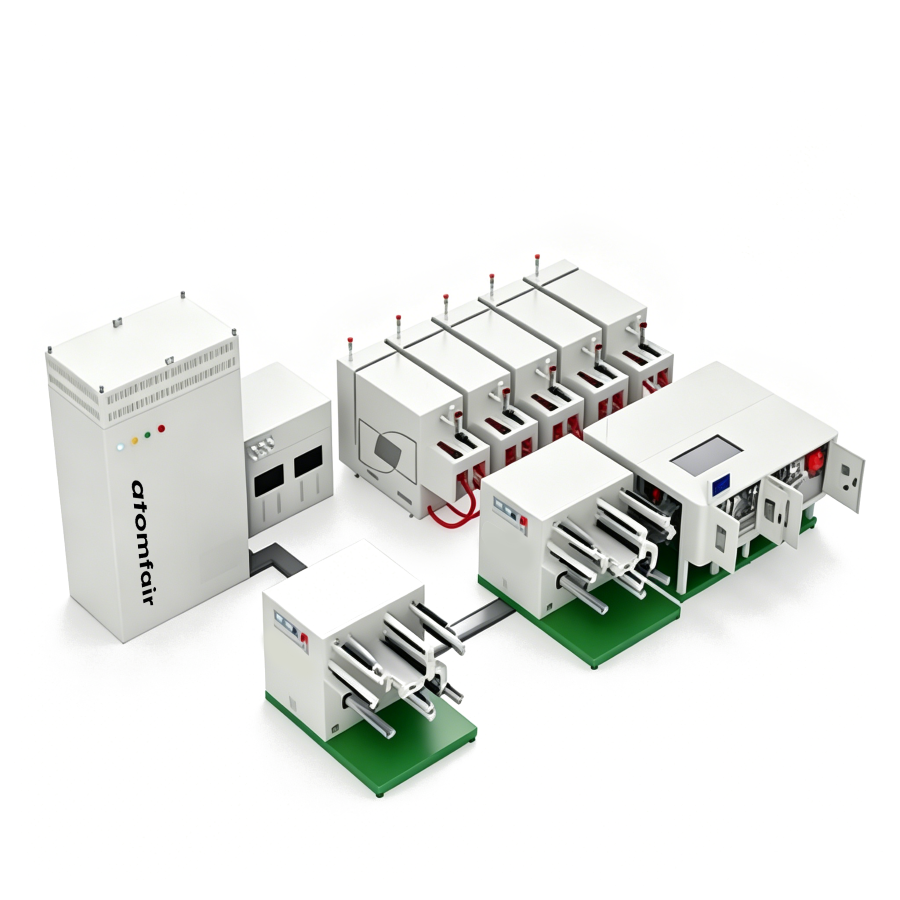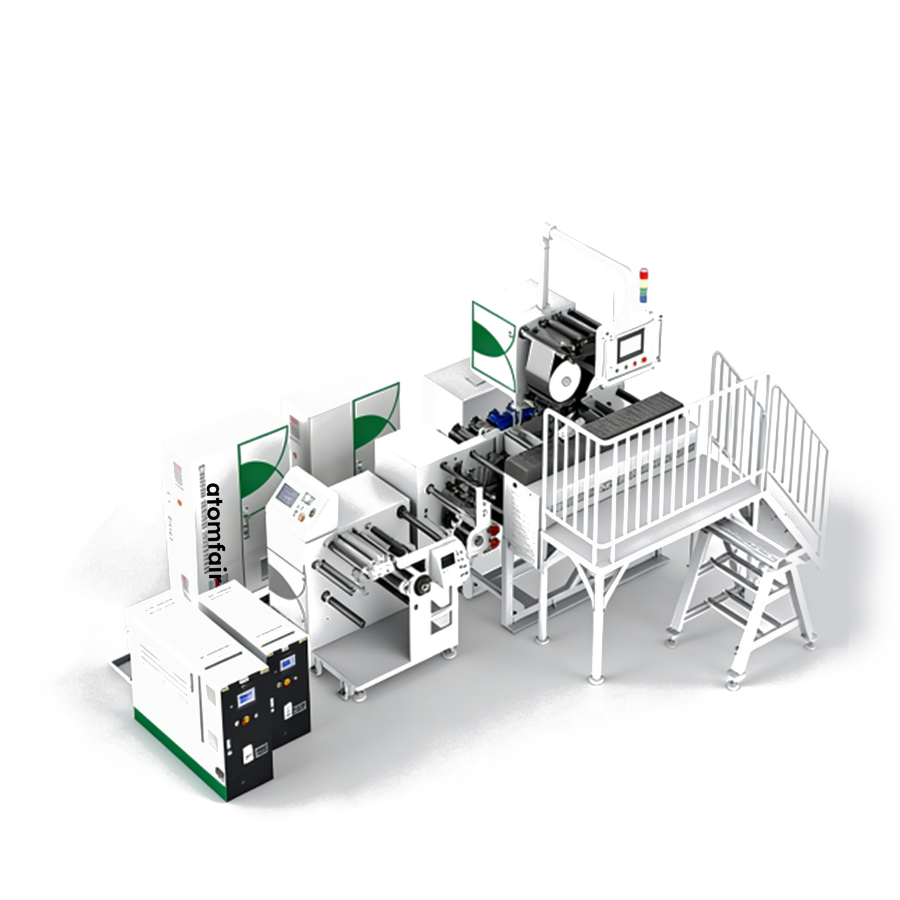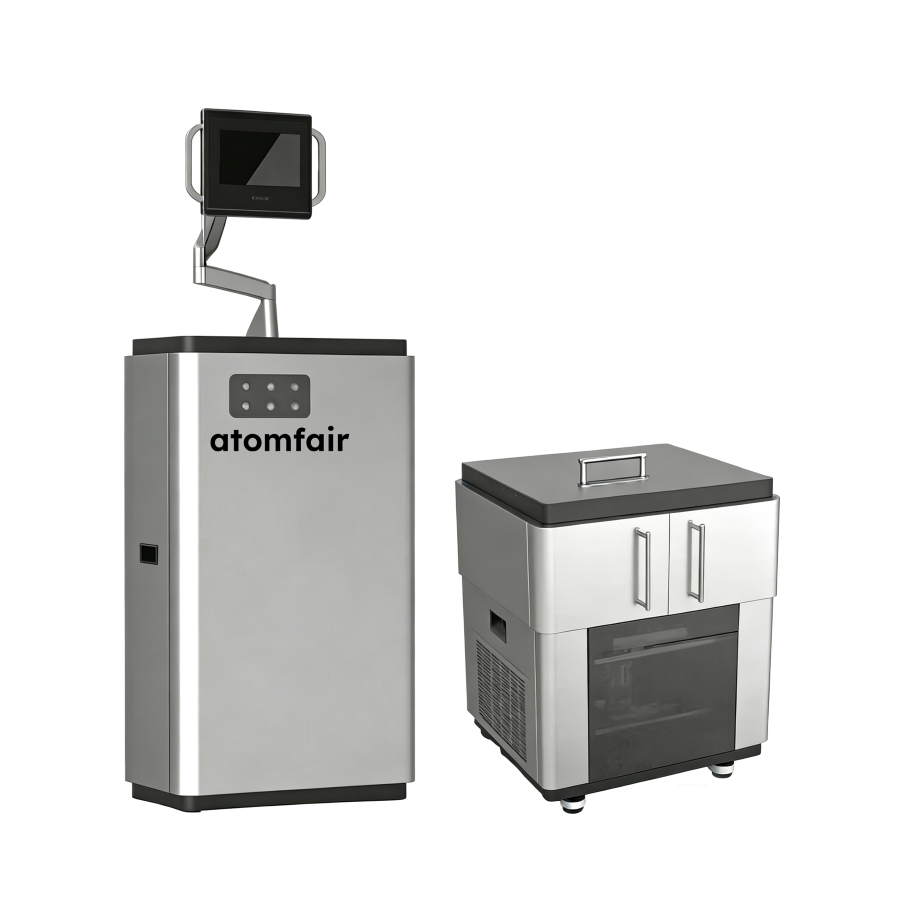
ATOMFAIR® AF-FNSE300ML FIBER STRENGTHENING SYSTEMRESEARCH GRADE MATERIAL
|
|||||||||||||||||||||||||||||||||||||||
|
|||||||||||||||||||||||||||||||||||||||
Operate the equipment with 220V AC power and heating up to 100°C, posing electrical and burn hazards. The rotating assembly requires proper containment to prevent entanglement and spillage.
- Electrical Safety: Ensure the power cord is connected to a properly grounded outlet and inspect for damage before each use.
- Thermal Hazard: Allow the heating vessel to cool below 40°C before handling or cleaning to avoid burns.
- Mechanical Hazard: Keep hands, clothing, and tools away from rotating components during operation.
- Material Containment: Only process materials that are compatible with the 300 mL tank and do not produce toxic fumes.
- Operational Environment: Place the equipment on a stable, non-flammable surface in a well-ventilated area.
Follow these steps to initialize and safely operate the equipment for fiber network strengthening. Proper setup and monitoring ensure reliable results and prevent accidents.
Required Equipment: Atomfair AF-FNSE300mL unit, Materials for processing (e.g., fiber dispersion)
- Power Connection
Connect the equipment to a grounded AC 220V outlet and verify the power indicator illuminates. - Parameter Setting
Set the desired rotational speed (up to 75 rpm) and heating temperature (room temp to 100°C) using the control panel. - Load Material
Add the fiber network material into the 300 mL tank, ensuring the total volume does not exceed the working capacity. - Start Processing
Activate the dual-servo rotation and heating simultaneously, and monitor the process for uniform strengthening. - Shutdown and Cool Down
After processing, stop the rotation and heating, then allow the tank to cool below 40°C before opening.
Can the AF-FNSE300mL maintain uniform temperature distribution at the maximum rotational speed of 75 rpm?
The system features dual-servo controlled rotation and ±1°C temperature precision, enabling strict process control during operation. The 300 mL tank design facilitates efficient heat transfer in small volumes, though explicit data on temperature distribution at 75 rpm is not provided in the product description.
Is the AF-FNSE300mL suitable for processing heat-sensitive polymeric fibers that degrade above 60°C?
The heating temperature range is adjustable from room temperature to 100°C with ±1°C precision, allowing operation below 60°C for heat-sensitive fibers. The system is designed for fiber network strengthening in composite materials, battery separators, and advanced fiber structures, though specific fiber types are not listed in the product description.
What are the electrical and installation requirements for the AF-FNSE300mL?
The equipment requires an AC 220V / 50Hz power supply with 1.5 kW capacity and overall dimensions of 475 × 505 × 765 mm. No specific ventilation or exhaust requirements are detailed in the product description; standard laboratory benchtop installation with access to the specified power is appropriate.
The AF-FNSE300mL offers precise dual-servo rotation and ±1°C temperature control for lab-scale fiber network strengthening, but its 75 rpm maximum speed and 100°C temperature ceiling constrain its applicability to low-shear, low-temperature processes.
Positive
- Rapid and Uniform Network Strengthening: Delivers fast, consistent fiber network reinforcement, ensuring homogeneous material structure and reliable experimental repeatability.
- Precise Process Control: Dual-servo controlled rotational speed and ±1°C temperature precision ensure strict process parameter control, supporting accurate experimental data collection.
Trade-offs
- Low Maximum Rotational Speed: With a maximum speed of 75 rpm, the system may be insufficient for mixing or processing viscous or dense fiber suspensions that require higher shear forces.
- Limited Heating Temperature Range: The heating range of room temperature to 100°C restricts use to low-temperature processes, making it unsuitable for applications requiring thermal treatment above 100°C, such as certain curing or sintering steps.
Every advanced material, component, equipment, and instrument in our catalog is backed by rigorous testing. We maintain strict internal quality management frameworks and align with CE conformity metrics to deliver transparent, reproducible performance data via our public open-science repository.
To request raw batch performance data, submit formal vendor registration paperwork, or execute a fast-turnaround R&D manufacturing loop, contact us at inquiry@atomfair.com.
Item is dispatched under the Atomfair Shipping & Delivery Framework (Free worldwide shipping on orders over $59 USD excl. heavy equipment). Return is governed by the Atomfair Return & Refund Policy (7-day technical return window).