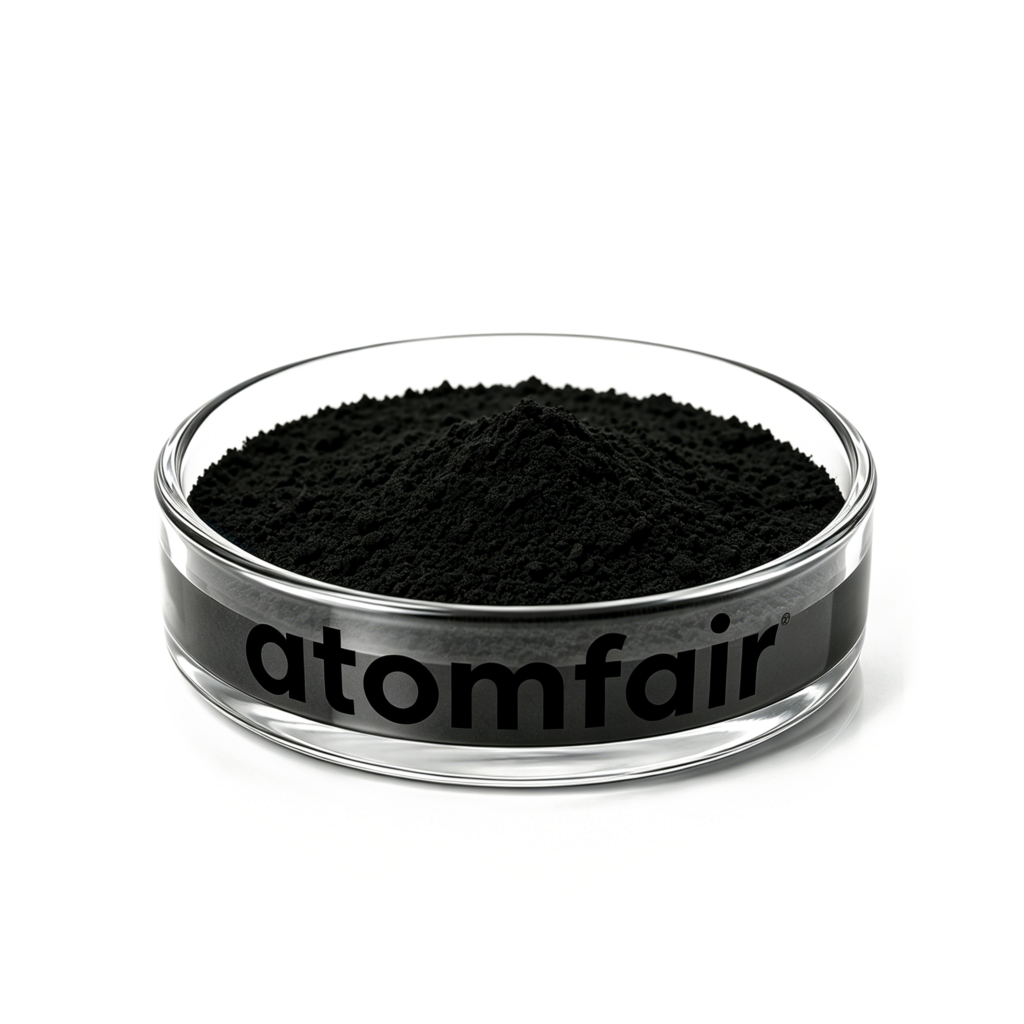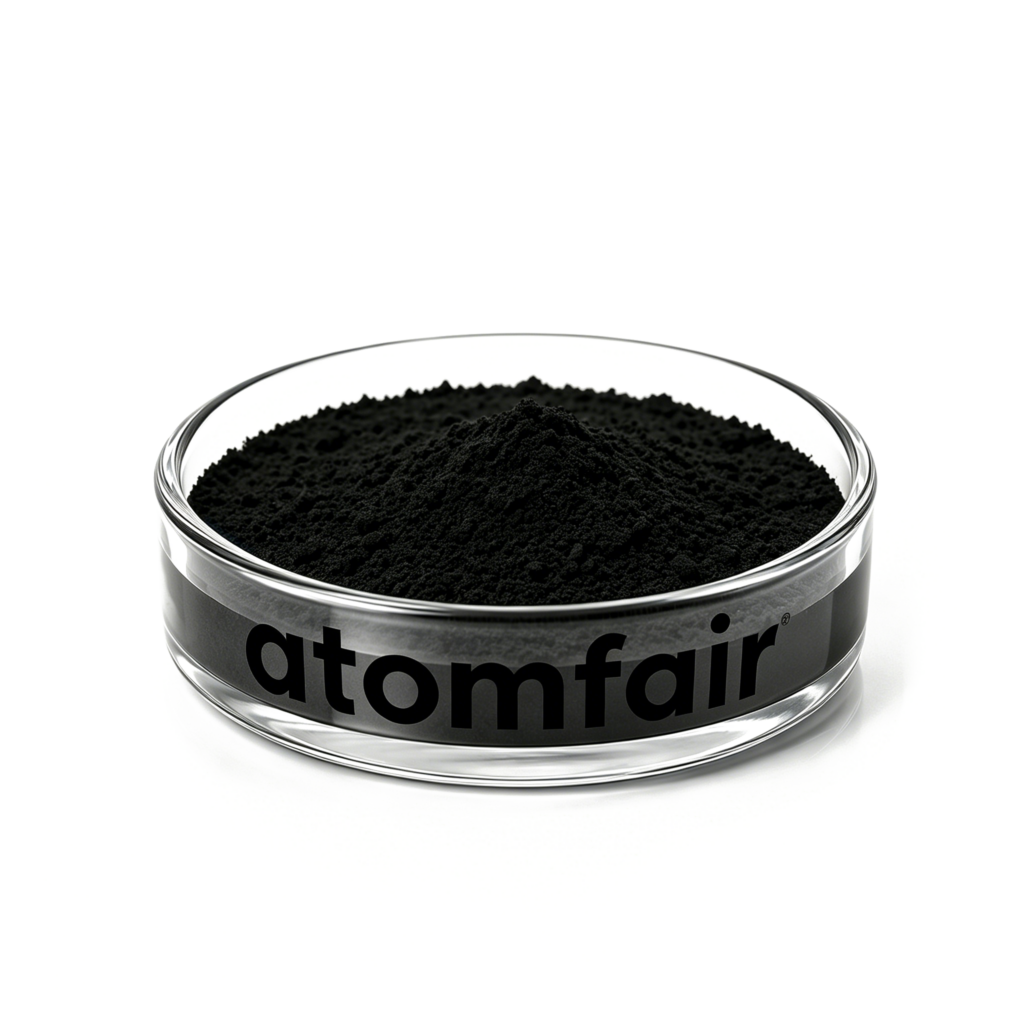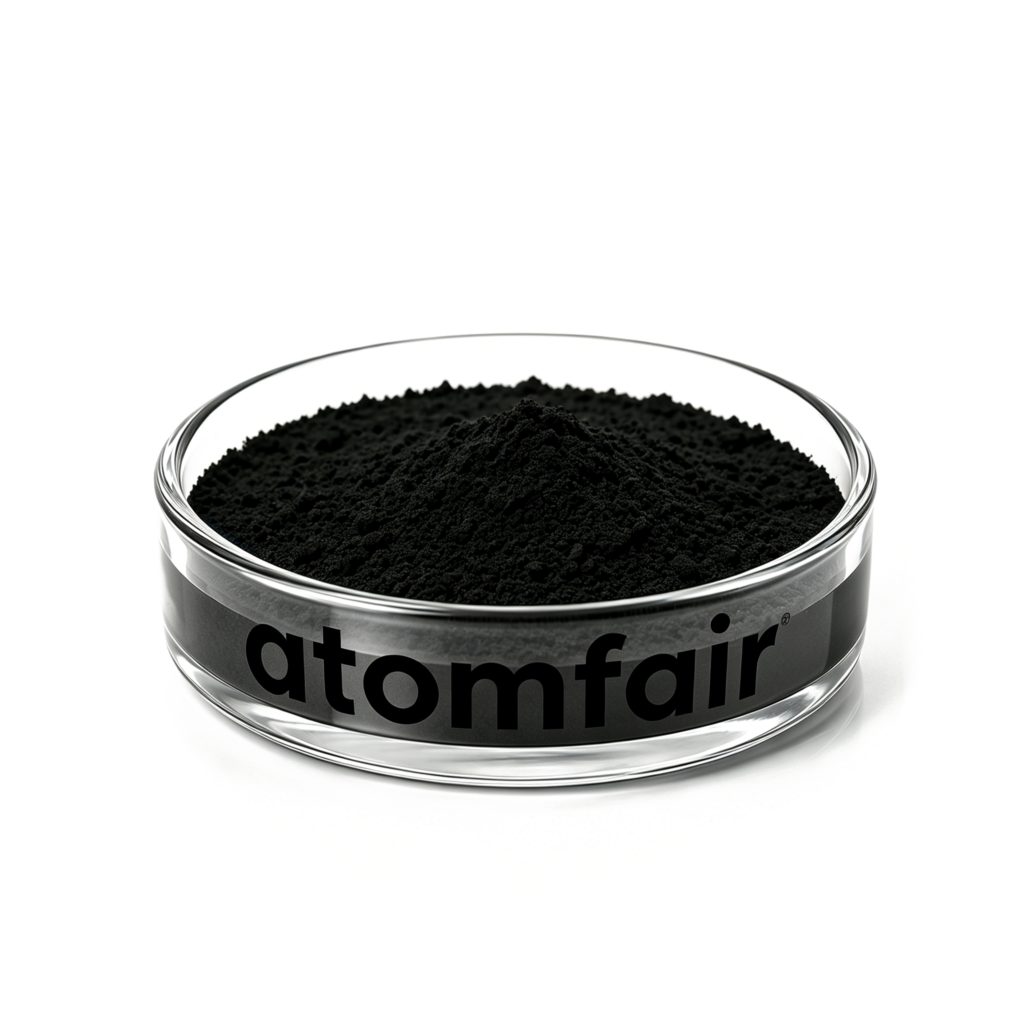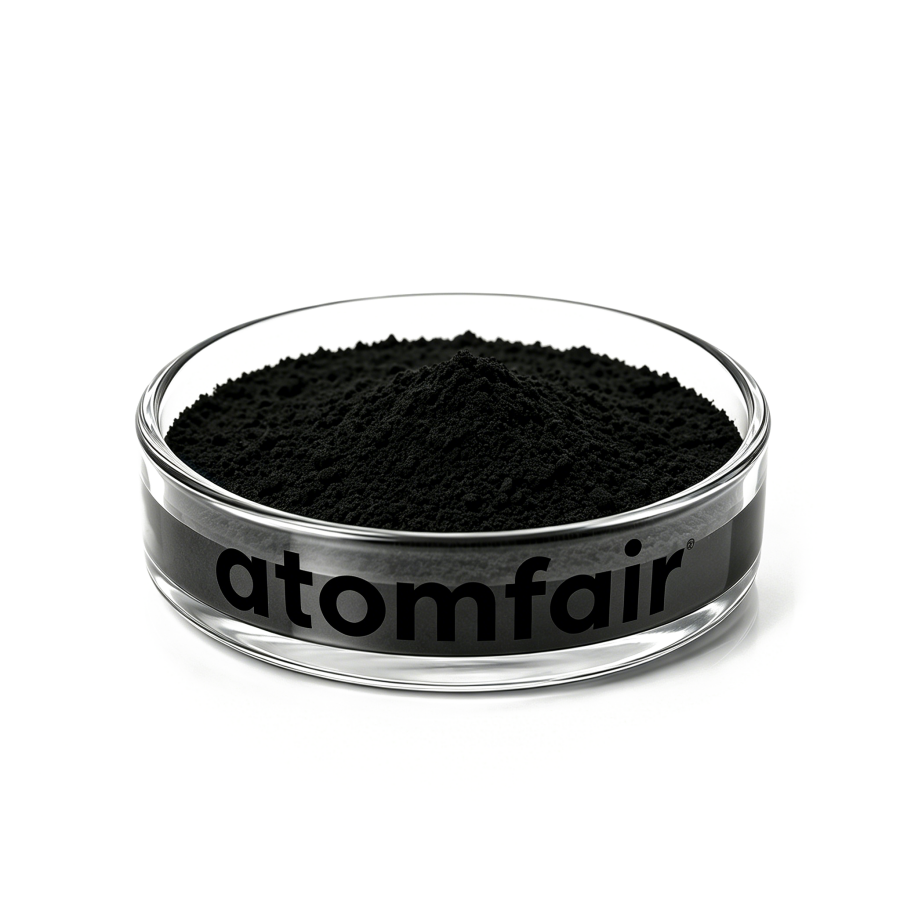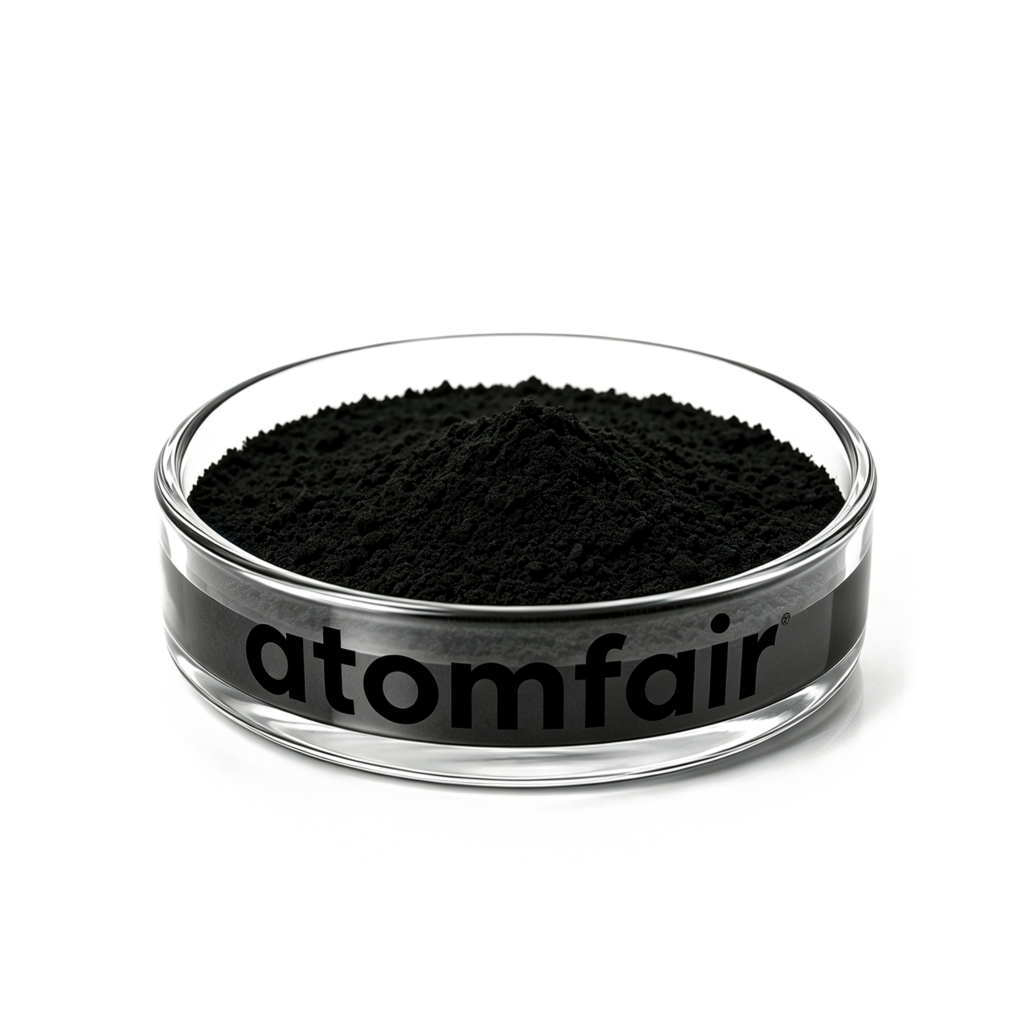
ATOMFAIR® HIGH SURFACE AREA ACTIVATED CARBON FOR SUPERCAPACITOR ELECTRODESRESEARCH GRADE MATERIAL | 1670 M²/G BET
|
|||||||||||||||||||||||||||||||||||||||
|
|||||||||||||||||||||||||||||||||||||||
|
TAILORED SOLUTIONS FOR RESEARCH
Contact our engineering team for technical support or official quotations.
EMAIL: inquiry@atomfair.com
|
|||||||||||||||||||||||||||||||||||||||
|
Manufacturer: Atomfair LLC
Brand: ATOMFAIR®
|
|||||||||||||||||||||||||||||||||||||||
This activated carbon material is compatible with aqueous, organic, and hybrid electrolyte systems. No additional processing or environmental constraints are specified for storage or handling.
- Electrolyte Compatibility: The material is suitable for use with aqueous, organic, and hybrid electrolyte formulations.
How does the high BET surface area of 1670 m²/g with a pore volume of 0.7 mL/g affect the power density versus energy density trade-off in supercapacitor electrodes?
The BET surface area of 1670 m²/g provides high specific capacitance for energy density, while the pore volume of 0.7 mL/g ensures sufficient electrolyte ion transport for power density. With particle sizes (D50 5.9 μm) and good electronic conductivity, this material balances both. Its compatibility with aqueous, organic, and hybrid electrolytes allows tailoring the trade-off via electrolyte choice.
What are the implications of using this activated carbon with organic electrolyte systems given its reported potassium and iron impurity levels?
The material contains 167.20 ppm K and 32.24 ppm Fe, which may contribute to side reactions in organic electrolytes at high potentials, potentially affecting cycling stability. However, the low ash (0.32 wt%) and moisture (0.38 wt%) contents indicate high purity. Pre-baking as per usage recommendation can further reduce residual volatiles for organic systems.
What pre-treatment steps are necessary to achieve reproducible electrochemical performance with this activated carbon?
The product recommends pre-baking the material before use if required by assembly protocols to ensure data reproducibility. Given the moisture content of 0.38 wt%, vacuum drying at moderate temperature is sufficient to remove adsorbed water. The standardized 50 g bottle packaging facilitates easy handling in research environments.
This activated carbon delivers a BET surface area of 1670 m²/g and high electronic conductivity, making it suitable for supercapacitor electrodes, but requires pre-baking for optimal performance and is restricted to laboratory research and developmental validation.
Positive
- Ultra-high BET surface area: The 1670 m²/g BET specific surface area provides extensive electrode–electrolyte interface for enhanced electrostatic double-layer capacitance (EDLC) in supercapacitors.
- Excellent electronic conductivity: Promotes rapid charge transfer kinetics and reduces equivalent series resistance (ESR), improving power density and cycling stability.
Trade-offs
- Pre-bake requirement: For optimal electrochemical performance and data reproducibility, the material must be pre-baked before use if assembly protocols require it, adding a processing step.
- Research-use only restriction: The product is strictly validated for laboratory research and developmental applications, not for commercial production or clinical use.
Every advanced material, component, equipment, and instrument in our catalog is backed by rigorous testing. We maintain strict internal quality management frameworks and align with CE conformity metrics to deliver transparent, reproducible performance data via our public open-science repository.
To request raw batch performance data, submit formal vendor registration paperwork, or execute a fast-turnaround R&D manufacturing loop, contact us at inquiry@atomfair.com.
Item is dispatched under the Atomfair Shipping & Delivery Framework (Free worldwide shipping on orders over $59 USD excl. heavy equipment). Return is governed by the Atomfair Return & Refund Policy (7-day technical return window).