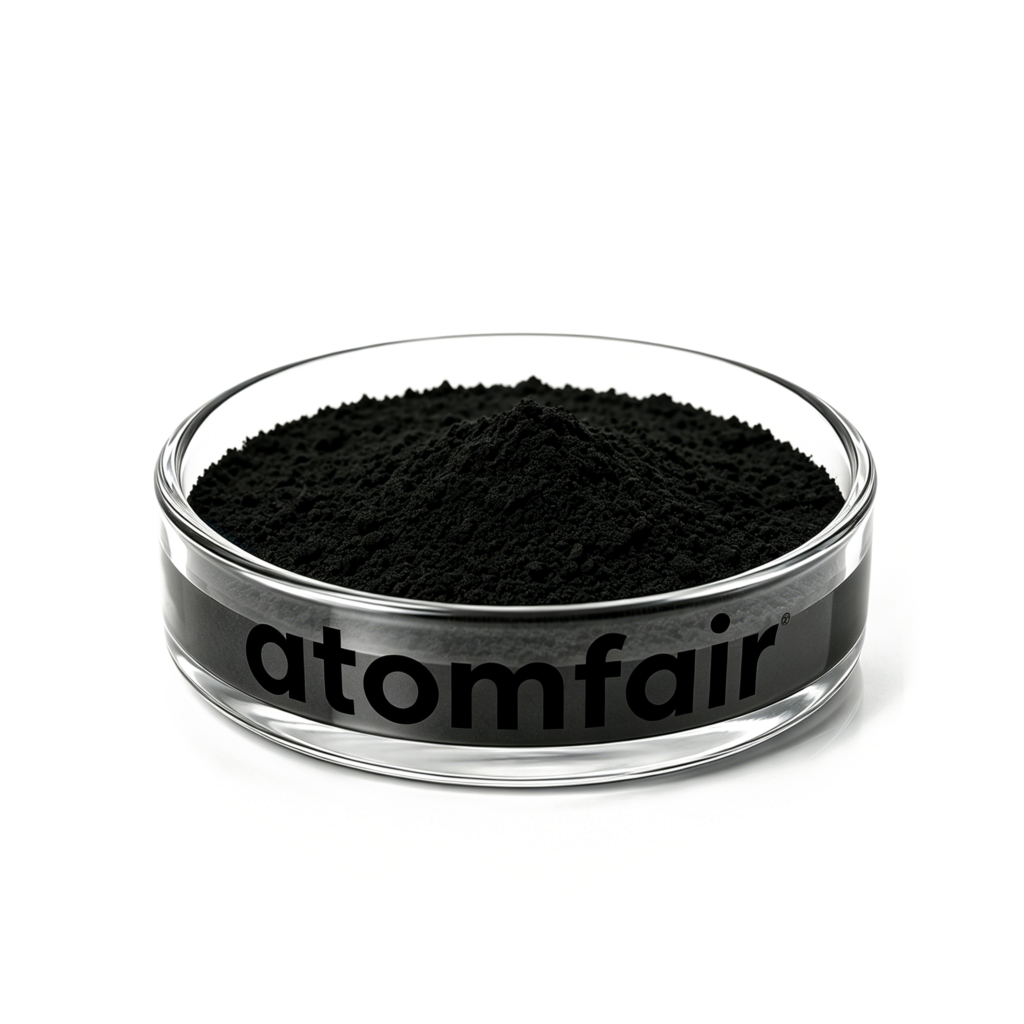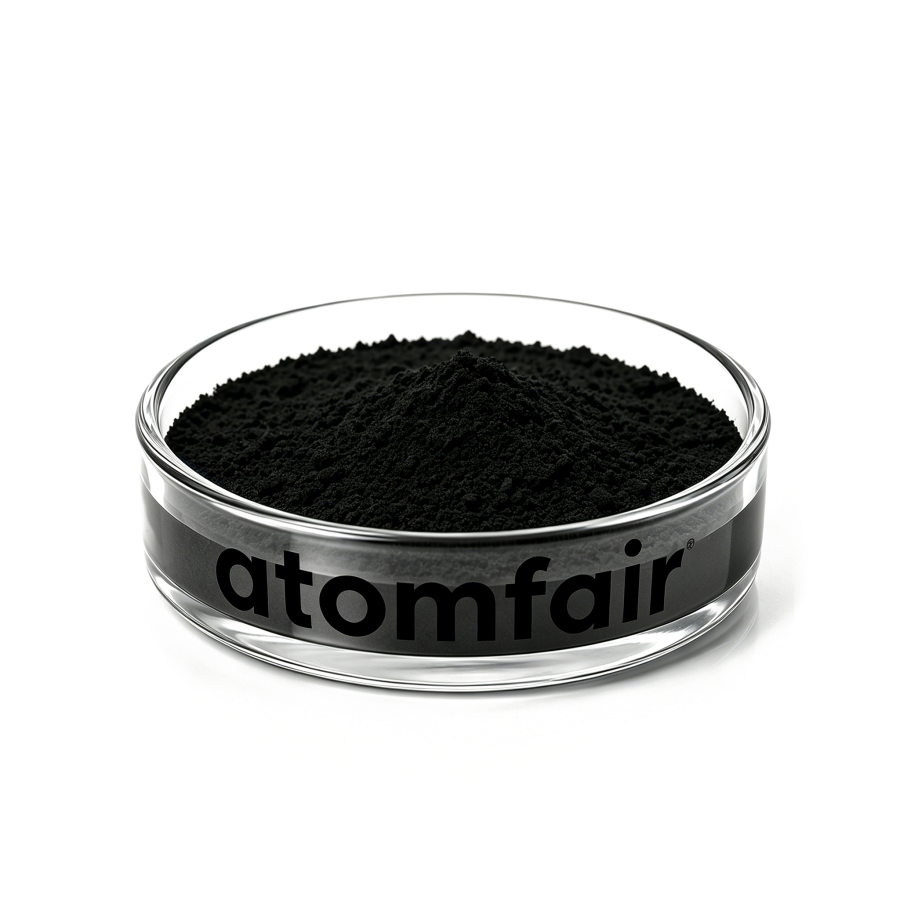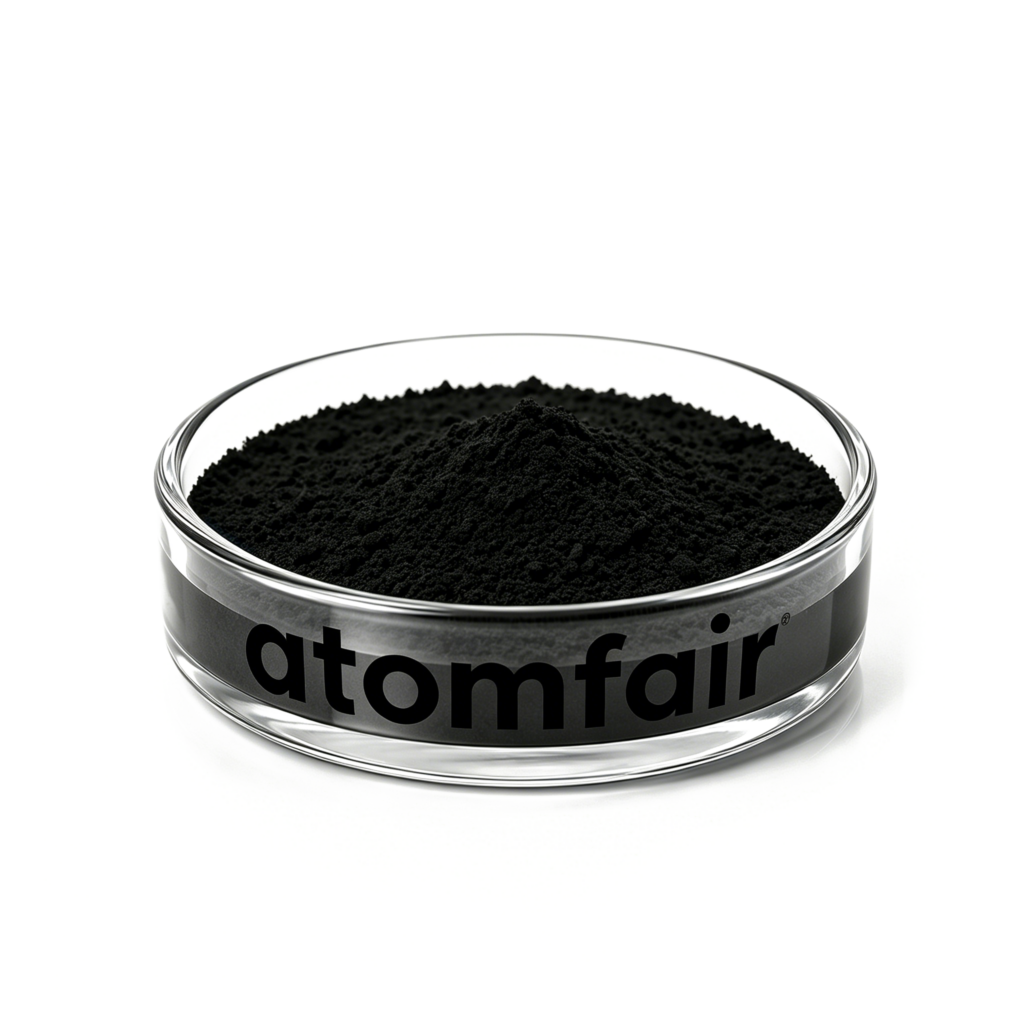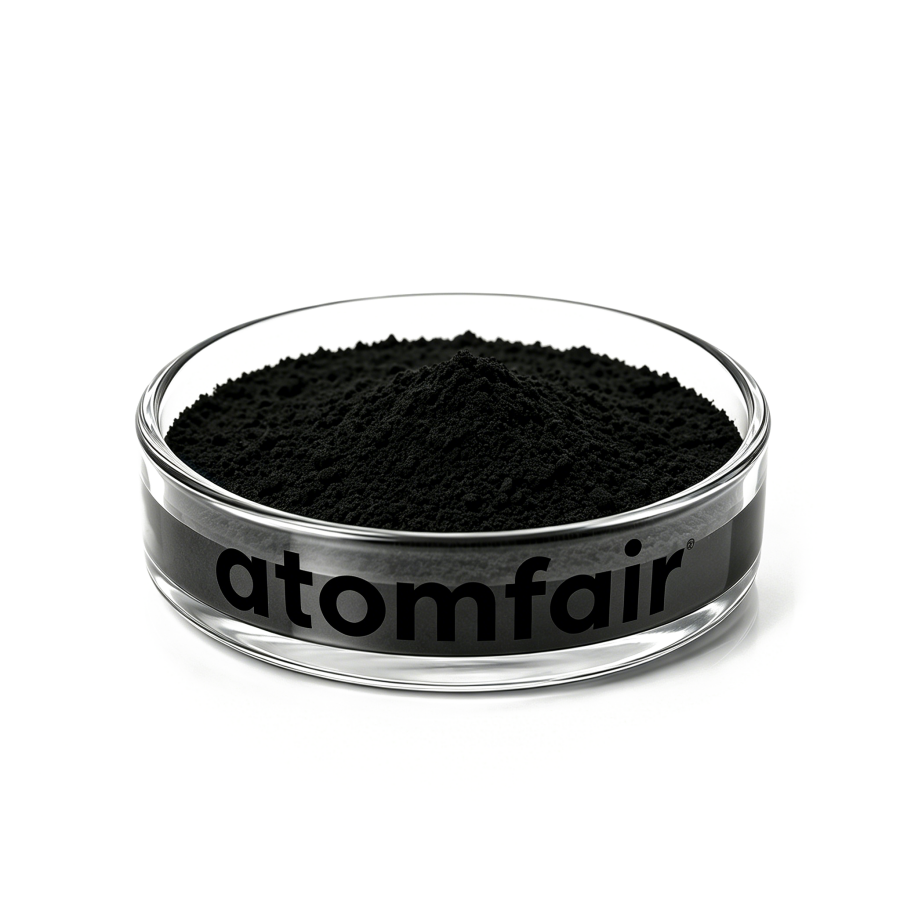
Conductive Carbon Black Powder, 400gCOMMERCIAL GRADE · PRODUCTION
|
|||||||||||||||||||||||||||||||||||
|
|||||||||||||||||||||||||||||||||||
|
TAILORED SOLUTIONS FOR RESEARCH
Contact our engineering team for technical support or official institutional quotations.
EMAIL: INQUIRY@ATOMFAIR.COM
|
|||||||||||||||||||||||||||||||||||
|
Manufacturer: PRODUCTION DIVISION · ADVANCED ENERGY STORAGE DIVISION
Brand: INDUSTRIAL TESTING HARDWARE
Specifications are representative and subject to change without notice. For the latest version and compliance certificates, contact official sales channel.
|
Store this carbon black powder in airtight containers under low humidity to preserve its ≤0.1% volatile moisture specification. Disperse thoroughly in compatible solvent-binder systems to prevent agglomeration and ensure uniform conductive percolation in battery slurries.
- Moisture Control: Seal containers immediately after use and store in a desiccated environment to avoid moisture adsorption beyond specification.
- Agglomeration Prevention: Use high-shear mixing or ball milling to break up soft agglomerates and achieve primary particle dispersion.
- Electrolyte Compatibility: Verify that the carbon black is compatible with the chosen electrolyte system to prevent side reactions or sedimentation.
Proper dispersion of this carbon black is critical for achieving a uniform conductive network in electrode coatings. Follow these steps to minimize agglomeration and maximize electrochemical performance.
Required Equipment: High-shear mixer or planetary mixer, Vacuum degassing chamber, Analytical balance
- Weigh and Inspect
Weigh the required amount of carbon black powder and inspect it for visible lumps or contamination before processing. - Pre-disperse in Solvent
Add the powder gradually to the solvent (e.g., NMP) under low-speed mixing to wet the surface and reduce dust. - High-Shear Mixing
Apply high-shear mixing at 5000–10000 rpm for 20–30 minutes to break down agglomerates and achieve a stable dispersion. - Degas the Slurry
Transfer the slurry to a vacuum degassing chamber and apply vacuum to remove entrapped air bubbles for 10–15 minutes. - Combine with Binder
Slowly incorporate the binder solution under continuous mixing to form a homogeneous electrode slurry.
How does the ultra-low iron content of 2 ppm in ATOMFAIR SUPER C45 impact battery performance compared to standard carbon blacks with higher iron levels?
The ultra-low iron (Fe) content of ≤2 ppm minimizes catalytic side reactions at the cathode, directly improving long-term cycling stability and reducing self-discharge. Standard carbon blacks with higher Fe impurities typically accelerate electrolyte decomposition, leading to capacity fade.
Is ATOMFAIR SUPER C45 suitable for use in both lithium-ion cathode and anode slurries with common PVDF binders and NMP solvents?
Yes, SUPER C45 is fully compatible with most electrolyte systems and is designed as an additive for both cathode and anode. Its neutral pH (7) and low moisture (0.1% max) ensure stable slurry rheology without adverse reactions with PVDF binders or NMP solvents.
What precautions are necessary when handling SUPER C45 conductive carbon black powder to prevent contamination and maintain its ultra-high purity?
To preserve the ultra-low metallic impurity levels (Fe ≤2 ppm, Ni/V/Cr/Cu ≤1 ppm each), use clean, dedicated equipment and avoid cross-contamination with other materials. Storage in a sealed, dry container at room temperature is required to maintain the <0.1% moisture specification.
Atomfair SUPER C45 offers ultra-low iron impurity and 45 m²/g BET surface area for efficient conductivity in lithium-ion electrodes, but its low bulk density (160 kg/m³) and submicron particle size (100–200 nm) demand careful dispersion and containment during processing.
Positive
- Ultra-low iron impurity: Iron content ≤2 ppm minimizes catalytic decomposition of electrolyte and parasitic side reactions, enhancing cycling stability and safety.
- High BET surface area: 45 m²/g specific surface area provides efficient electrical percolation at low loading levels, reducing overall electrode cost while maintaining conductivity.
Trade-offs
- Low bulk density handling: Bulk density of 160 kg/m³ indicates a fluffy powder that requires careful dispersion and may lead to dusting; proper mixing protocols and dust control are needed.
- Submicron particle size: Particle size of 100–200 nm increases surface reactivity and potential for airborne fines; handling under ventilation or in a glovebox is recommended to prevent inhalation and contamination.
Every advanced material, component, equipment, and instrument in our catalog is backed by rigorous testing. We maintain strict internal quality management frameworks and align with CE conformity metrics to deliver transparent, reproducible performance data via our public open-science repository.
To request raw batch performance data, submit formal vendor registration paperwork, or execute a fast-turnaround R&D manufacturing loop, contact us at inquiry@atomfair.com.
Item is dispatched under the Atomfair Shipping & Delivery Framework (Free worldwide shipping on orders over $59 USD excl. heavy equipment). Return is governed by the Atomfair Return & Refund Policy (7-day technical return window).