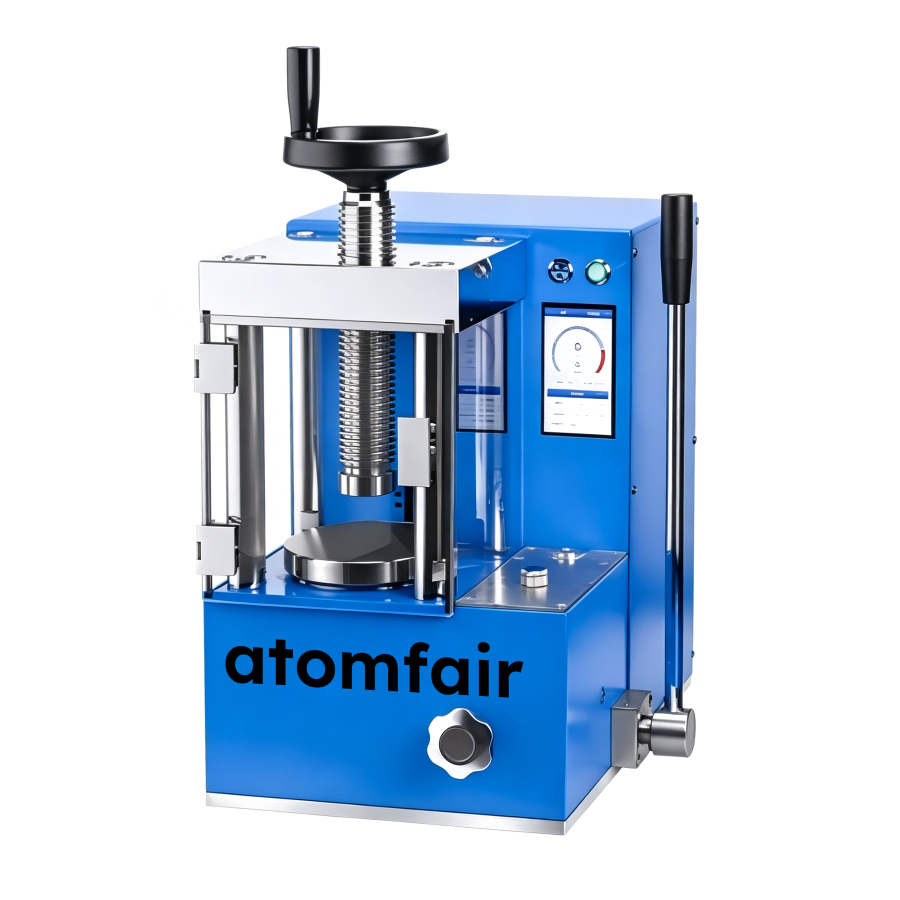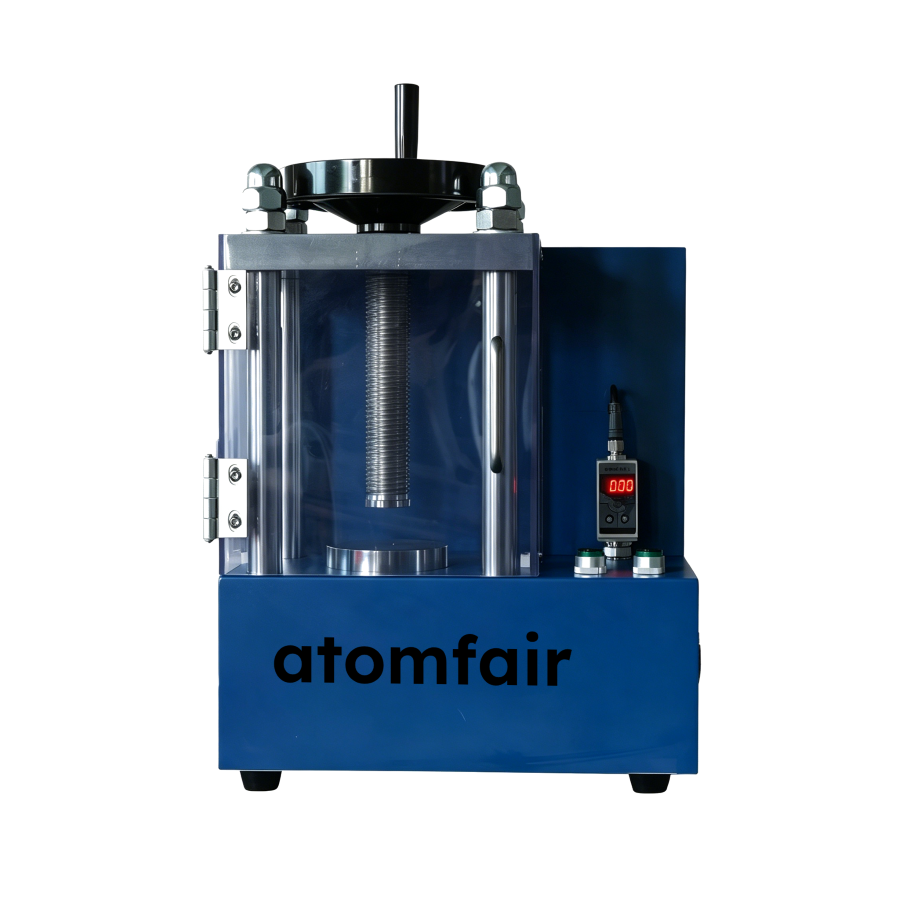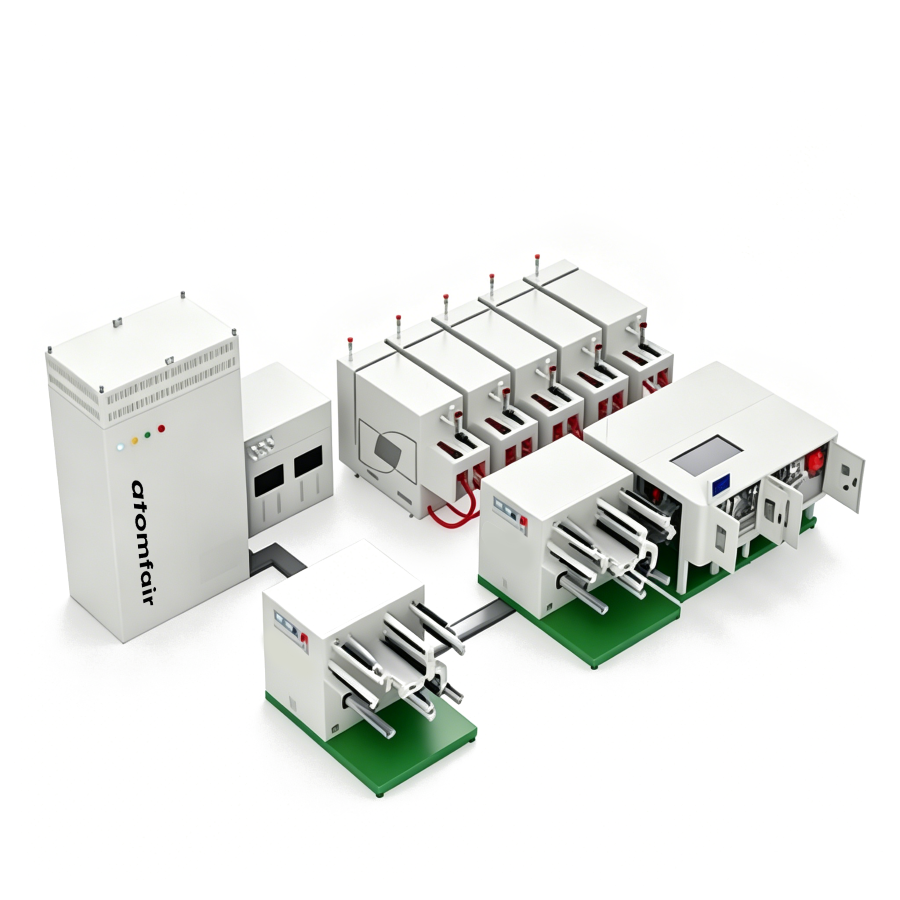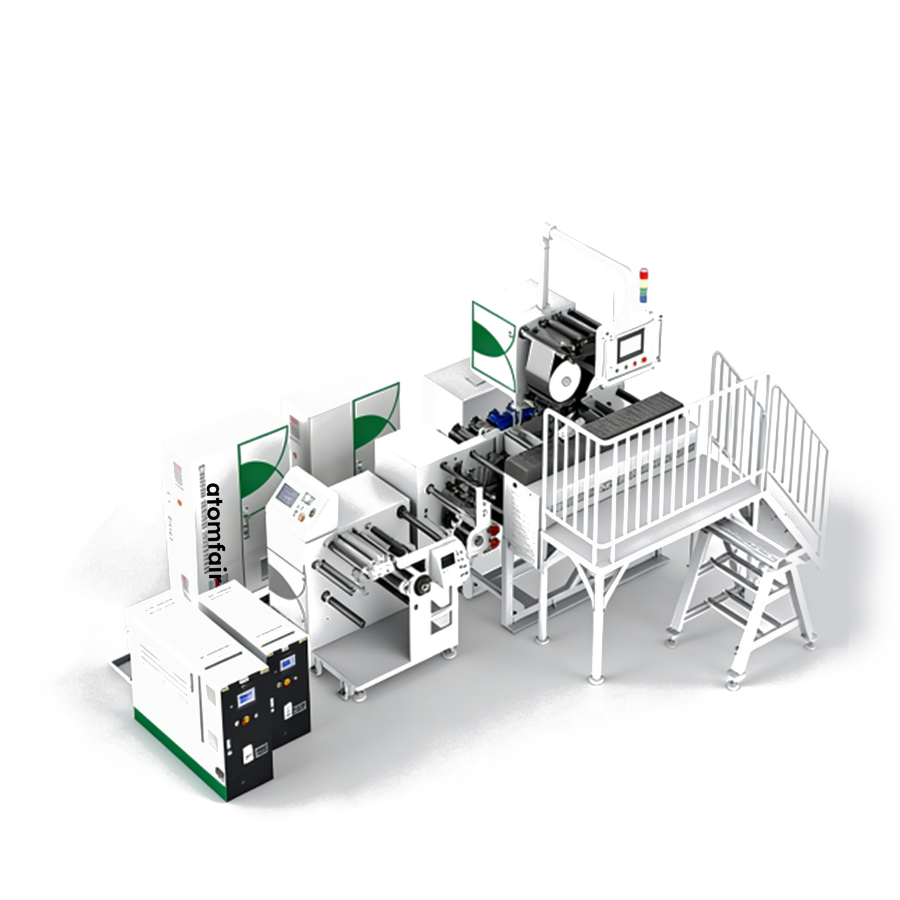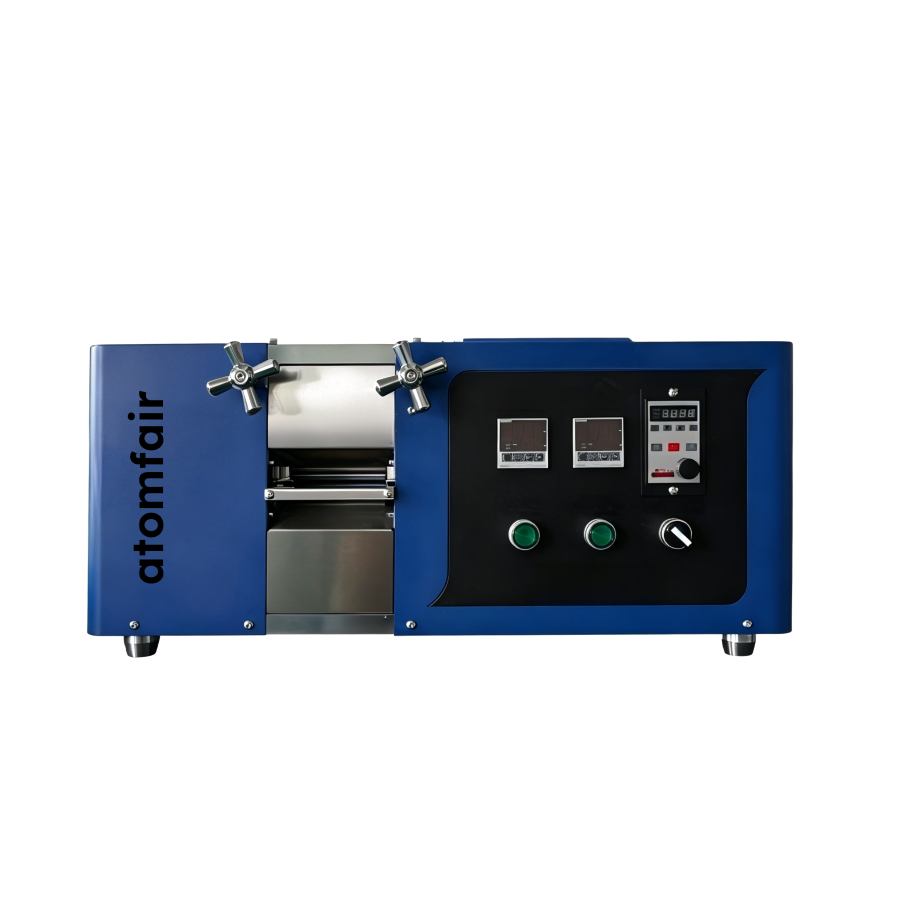
ATOMFAIR® ATOMFAIR-HMR2076 HEATING ROLLING MILLRESEARCH GRADE MATERIAL
|
|||||||||||||||||||||||||||||||||||||||
|
|||||||||||||||||||||||||||||||||||||||
|
TAILORED SOLUTIONS FOR RESEARCH
Contact our engineering team for technical support or official quotations.
EMAIL: inquiry@atomfair.com
|
|||||||||||||||||||||||||||||||||||||||
|
Manufacturer: Atomfair LLC
Brand: ATOMFAIR®
|
This rolling mill requires proper electrical grounding and operation within a dry, ventilated environment to prevent electrical hazards. The heated rolls reaching up to 200°C pose burn risks and may cause material degradation if temperature exceeds specified limits.
- Electrical Safety: Ensure the power supply matches the specified AC220V/50Hz and the equipment is properly grounded.
- Thermal Management: Operate the heating function only within the 200°C maximum temperature and allow rolls to cool before handling.
- Mechanical Interlock: Do not operate with the roll gap set below 0 mm or above 2 mm to avoid mechanical overload.
- Roll Maintenance: Maintain roll surface cleanliness to preserve HRC62 hardness and ±2μm cylindricity; avoid corrosive materials.
- Ventilation: Use in a well-ventilated area to dissipate heat and potential fumes from heated materials.
This procedure guides the operator through initial setup, parameter configuration, and safe rolling of lithium battery plates. Follow each step sequentially to ensure correct operation and avoid injury or equipment damage.
Required Equipment: Heating Rolling Mill, Temperature Controller, Thickness Adjustment Mechanism, Material Feed Guide
- Inspect Equipment
Inspect the rolling mill for any visible damage or loose connections before connecting power. - Set Operating Parameters
Set the desired rolling temperature on the digital thermostat and adjust the roll gap to the target thickness using the inclined block adjustment. - Power On System
Turn on the main power switch and engage the heating function if required, allowing the rolls to reach the set temperature. - Load Material
Feed the lithium battery plate strip into the vertical roll gap from the top, ensuring alignment within the 200mm pressing width. - Initiate Rolling
Start the electric rolling system in forward mode and adjust feeding speed between 0-10mm/s for uniform thinning. - Monitor Process
Monitor the rolling process for any slipping, overheating, or abnormal noise and stop immediately if issues arise. - Complete and Shutdown
After rolling, stop the motor, turn off the heating, and allow the rolls to cool before removing the material or performing maintenance.
What is the impact of using the heating mode at 200°C on the roll gap precision given the inclined block adjustment mechanism?
The inclined block adjustment delivers high precision and self-locking performance, maintaining roll cylindricity ≤±2μm even at the maximum rolling temperature of 200°C. While thermal expansion of the Φ96mm rolls could theoretically alter the gap, the digital thermostat enables precise temperature control to minimize such effects. No thermal expansion compensation is specified, but the hard chrome surface (HRC62) retains hardness and stability within the 200°C operating range.
Can the Atomfair-HMR2076 process electrode strips wider than 200mm by using a different roll configuration?
No, the pressing width is fixed at 0–200mm based on the Φ96mm roll length and vertical structure design. The gear meshing transmission and twin-roll pressing mechanism are not designed for interchangeable rolls; the equipment is optimized specifically for strip materials up to 200mm width as stated in the technical parameters.
What electrical and spatial infrastructure is required to install the HMR2076 heating rolling mill in a laboratory?
The mill requires a single-phase AC220V/50Hz power supply with 720W capacity and a grounded outlet. Its compact footprint is 600mm × 320mm × 320mm, and it weighs 65kg, necessitating a stable lab bench or stand rated for vertical operation and the torque from the electric rolling system. No additional ventilation is mandated beyond standard lab heat dissipation for the 200°C maximum temperature.
The Atomfair-HMR2076 heating rolling mill delivers precision thinning and densifying of lithium battery plates via vertical twin-roll pressing with ±2 μm roll cylindricity and adjustable temperature up to 200 °C, though its 0–10 mm/s feeding speed and 200 °C max temperature impose processing constraints.
Positive
- High rolling precision: Roll cylindricity ≤±2 μm ensures extremely uniform thickness reduction, critical for consistent lithium battery electrode densification.
- Durable hard chrome rolls: Rolls with HRC62 surface hardness and hard chrome plating provide excellent wear and rust resistance, extending service life under repeated use.
Trade-offs
- Limited maximum temperature: Maximum rolling temperature of 200 °C restricts processing of materials requiring higher thermal activation or may necessitate slower heating rates to avoid thermal degradation.
- Slow feeding speed range: Feeding speed adjustable only from 0 to 10 mm/s, which limits throughput for high-volume production and may be a bottleneck in continuous processing lines.
Every advanced material, component, equipment, and instrument in our catalog is backed by rigorous testing. We maintain strict internal quality management frameworks and align with CE conformity metrics to deliver transparent, reproducible performance data via our public open-science repository.
To request raw batch performance data, submit formal vendor registration paperwork, or execute a fast-turnaround R&D manufacturing loop, contact us at inquiry@atomfair.com.
Item is dispatched under the Atomfair Shipping & Delivery Framework (Free worldwide shipping on orders over $59 USD excl. heavy equipment). Return is governed by the Atomfair Return & Refund Policy (7-day technical return window).