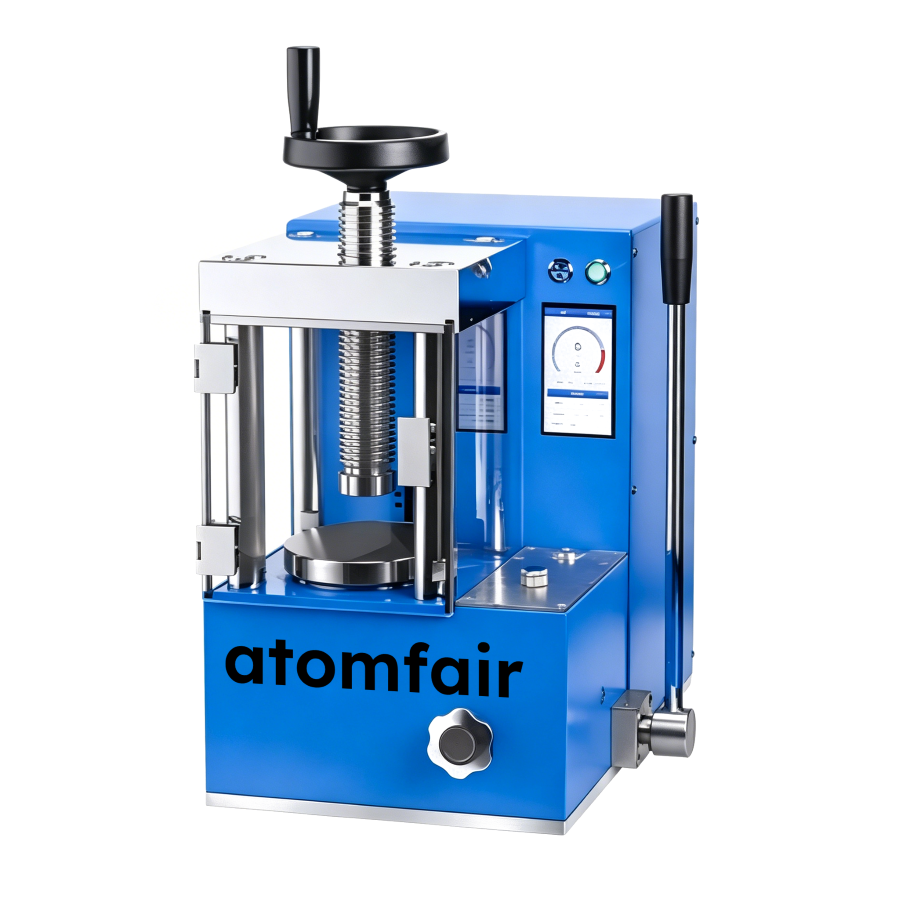
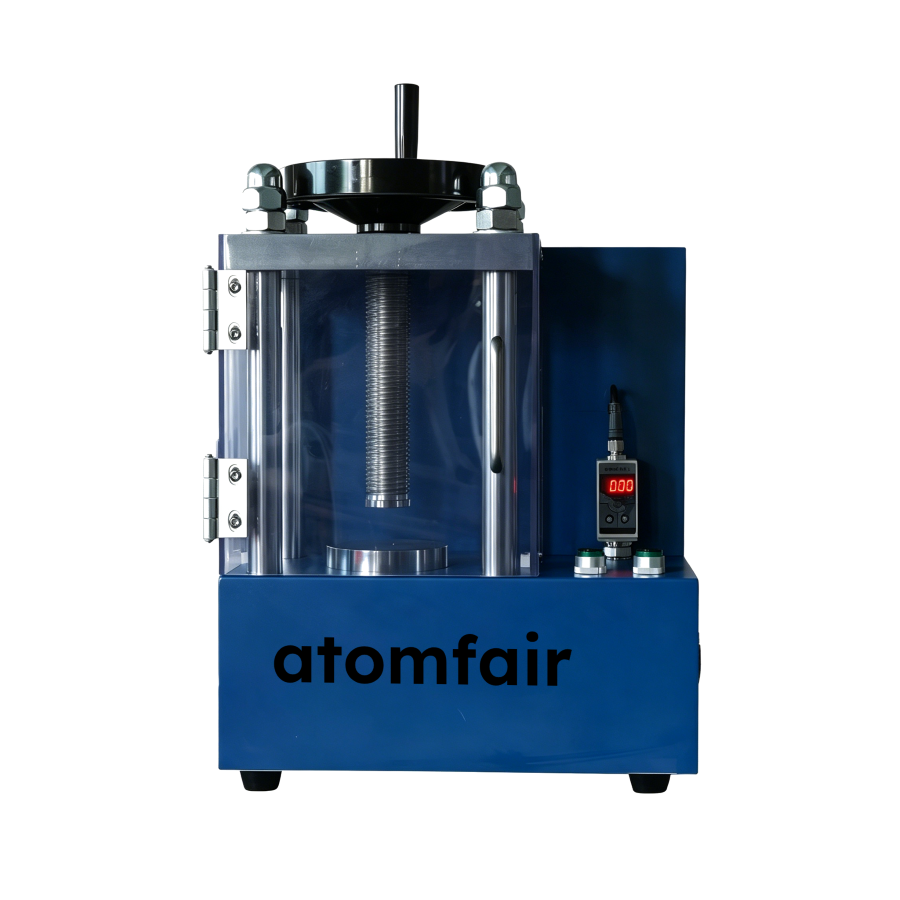
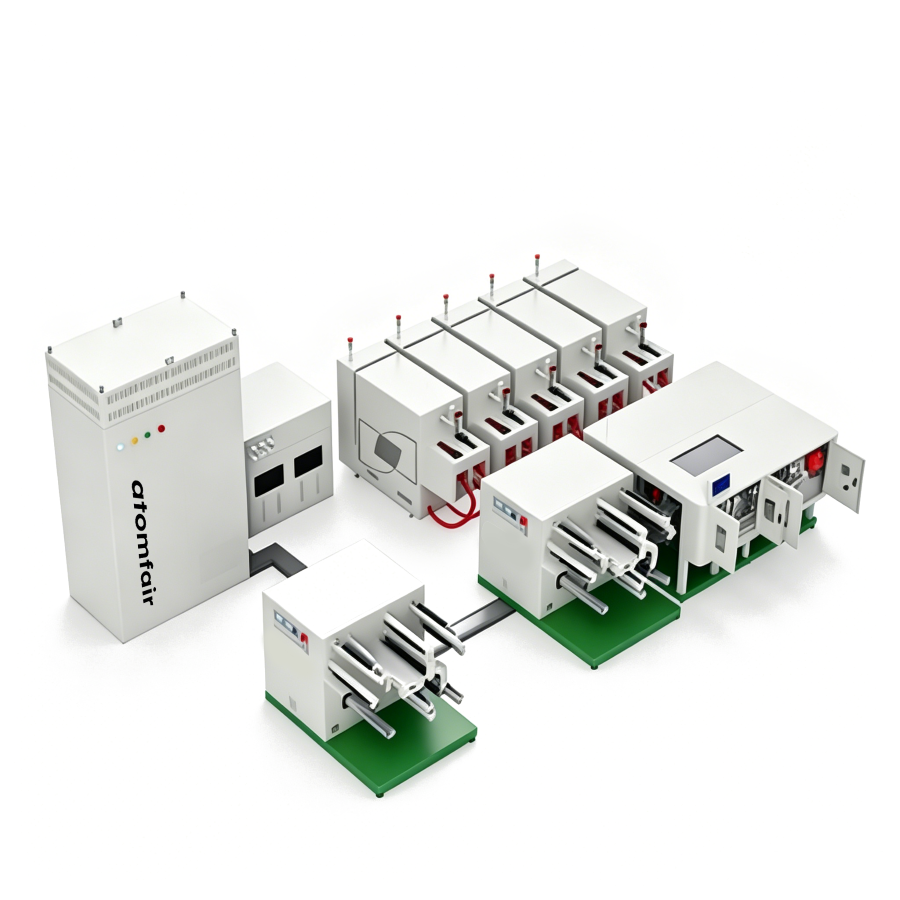
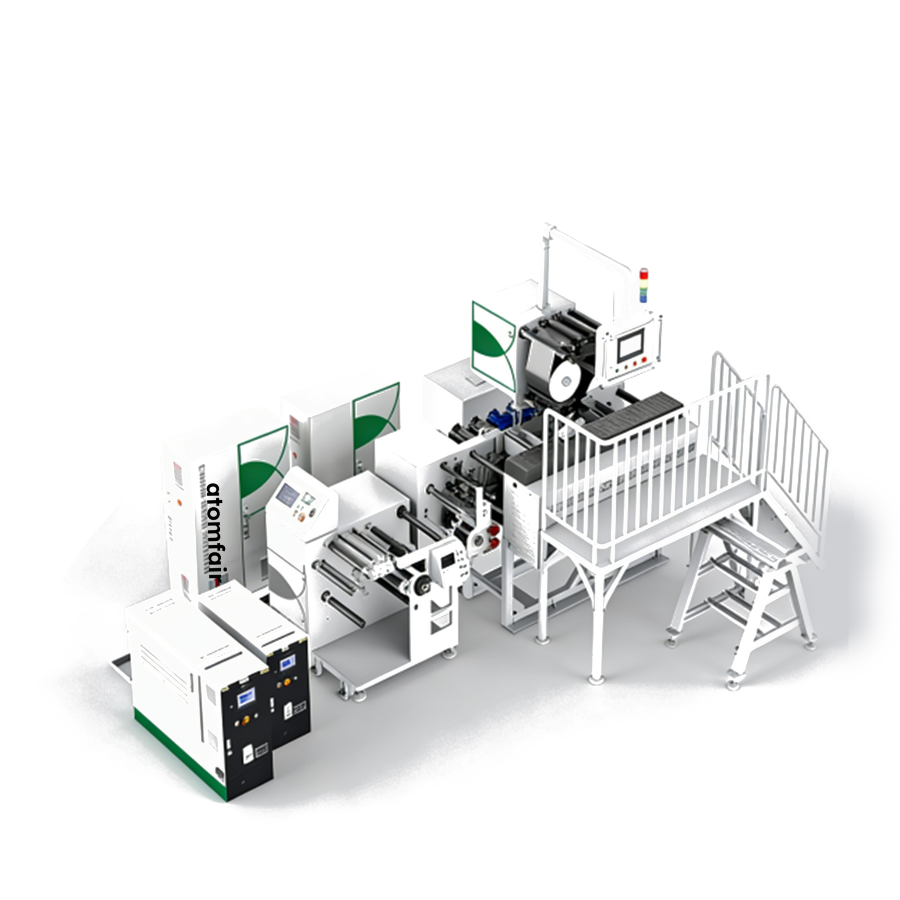
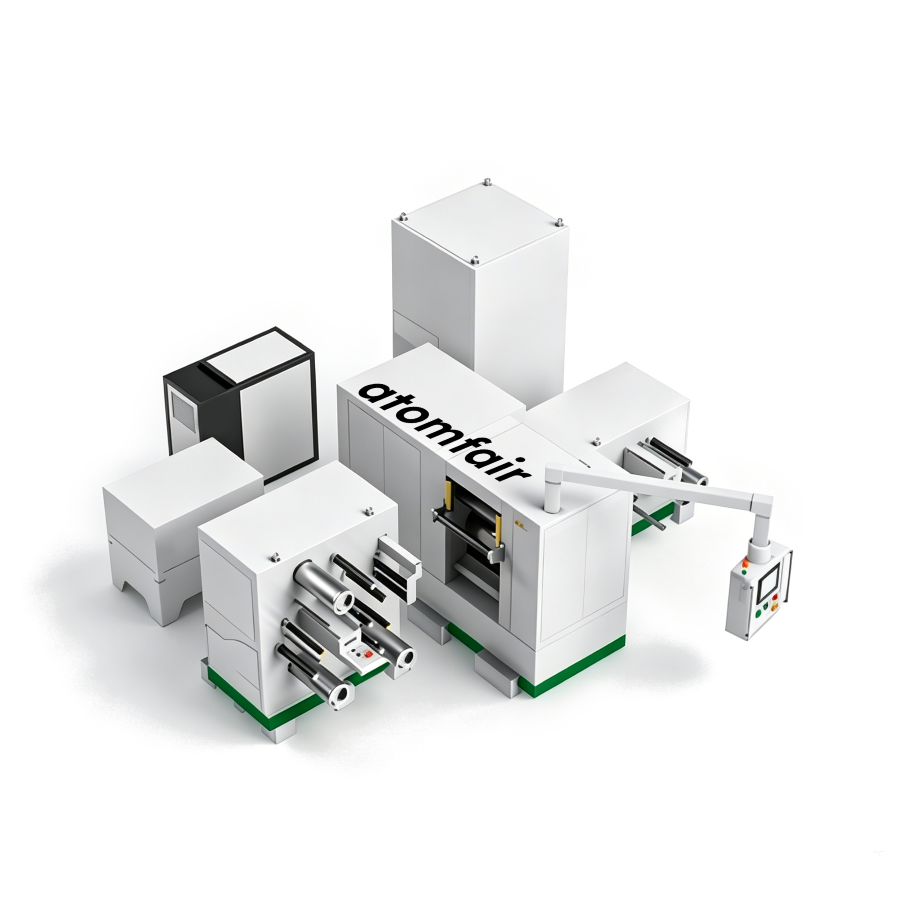
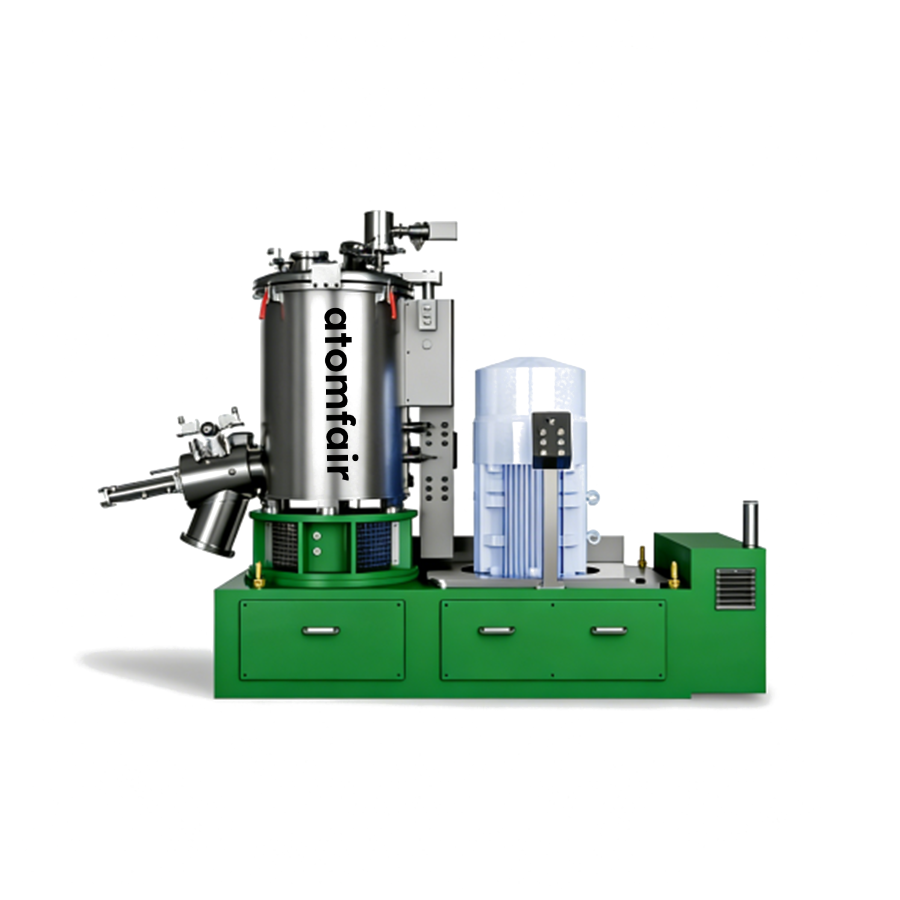
Atomfair Lithium Battery Plate Rolling Equipment Product Information
Product Model: Atomfair-PoleRoller-3864
This product is specially designed for lithium battery plates, a clean energy material. It can realize the thinning processing and density increase of plates, and meet the core needs of lithium battery production. The equipment adopts a gear transmission structure and is equipped with a pair of roll pressing process. The rolling thickness can be flexibly adjusted, which is easy to operate, and can efficiently meet the precision rolling requirements of lithium battery plates.
Functional Features and Technical Parameters
Parameter Name
Specific Specification
Roller Diameter
Φ96mm
Roller Surface Hardness
HRC62 and above
Roller Finish
0.4 and above
Rolling Thickness
0-2mm
Tablet Width
0~100mm
Roller Placement
Vertical Placement
Rolling Temperature
200℃
Feeding Speed
0-10mm/s
Power Supply
AC220V/50HZ
Power
±200W
Overall Dimensions
L1090mm*W815mm*H375mm
Equipment Weight
200KG
If you’re interested, have any questions, or have specific customization requirements, please feel free to contact us at inquiry@atomfair.com.
This equipment operates with a heated roller surface at 200°C and a maximum rolling pressure of 200W, presenting burn and pinch hazards. The rolling gap is adjustable from 0 to 2mm, requiring precise setup to prevent plate jamming or roller damage.
- Thermal Hazard: The roller surface reaches 200°C during operation, requiring heat-resistant gloves and guarding to prevent burns.
- Pinch Point Hazard: The vertical roller arrangement creates a pinch point at the nip, requiring the feed area to be kept clear of hands and loose clothing during operation.
- Electrical Safety: The AC220V/50Hz power supply requires a grounded outlet and a residual current device to mitigate electric shock risk.
- Mechanical Stress: The gear transmission and rolling force can cause roller deflection or bearing wear if the rolling thickness exceeds the 2mm limit, so the gap must be set within the specified range.
This procedure covers the safe setup and operation of the roller press for thinning lithium battery plates. It includes pre-start checks, gap adjustment, and feed control to prevent equipment damage and operator injury.
Required Equipment: Heat-resistant gloves, Feeler gauge, Calibrated thickness gauge
- Pre-Start Inspection
Inspect the roller surfaces for debris, damage, or residue, and verify the emergency stop mechanism functions correctly. - Set Rolling Gap
Adjust the roller gap to the desired thickness (0-2mm) using the adjustment mechanism, and verify the gap with a feeler gauge. - Preheat Rollers
Turn on the heating system and allow the rollers to reach the set temperature of 200°C, confirming the temperature is stable before feeding material. - Set Feed Speed
Set the feeding speed to a low initial value (e.g., 1-2 mm/s) to ensure controlled plate entry, then gradually increase to the desired speed within the 0-10 mm/s range. - Feed the Plate
Feed the lithium battery plate into the nip slowly and straight, maintaining a steady hand to avoid skewing or jamming. - Monitor Rolling Process
Monitor the rolling process for any unusual noise, vibration, or plate misalignment, and stop the machine immediately if any abnormality is detected. - Shutdown and Cleanup
After completing the rolling operation, turn off the heating and power, allow the rollers to cool below 60°C, and then clean the roller surfaces with a soft, dry cloth.
What is the maximum rolling thickness and tablet width the Atomfair-PoleRoller-3864 can process for lithium battery plates?
The Atomfair-PoleRoller-3864 supports a rolling thickness range of 0–2 mm and a tablet width of 0–100 mm. This allows precise thinning and density increase of lithium battery plates within these dimensional limits, as specified in the product's technical parameters.
What are the roller specifications and hardness of the Atomfair-PoleRoller-3864, and how do they affect rolling precision?
The equipment features a roller diameter of Φ96 mm, a surface hardness of HRC62 and above, and a finish of 0.4 and above. These specifications, combined with a gear transmission structure and vertical roller placement, ensure high precision and consistent density increase during the rolling process, meeting the core needs of lithium battery production.
What are the operational and infrastructure requirements for the Atomfair-PoleRoller-3864, including power and temperature?
The Atomfair-PoleRoller-3864 operates with a power supply of AC220V/50HZ and a power consumption of ±200W. It supports a rolling temperature of 200°C and a feeding speed of 0–10 mm/s. The equipment has overall dimensions of L1090mm*W815mm*H375mm and weighs 200KG, requiring a suitable lab or production bench with adequate space and electrical supply.
The Atomfair-PoleRoller-3864 is a compact, gear-driven roll press engineered for lithium battery electrode densification, offering a 0–2 mm rolling thickness range, 200°C heated rolling, and a 0–10 mm/s feed rate within a 200 kg footprint. Its vertical roller configuration and HRC62+ surface hardness support precision thinning, though the 200°C operating temperature and 200W power limit throughput and require careful thermal management.
Positive
- Precision rolling with high hardness: Roller surface hardness of HRC62 and above, combined with a finish of 0.4 or better, enables precise thinning and densification of lithium battery plates, meeting tight thickness tolerances required in electrode production.
- Heated rolling for material flow: The 200°C rolling temperature facilitates improved material deformation and density increase, which is critical for achieving consistent electrode properties in lithium battery manufacturing.
Trade-offs
- Thermal management required: The 200°C operating temperature demands adequate heat management and operator safety protocols, as well as stable ambient conditions to maintain uniform rolling temperature across the plate.
- Limited throughput and feed control: With a feeding speed of 0–10 mm/s and a 200W power supply, the equipment is optimized for precision over high-volume output, making it less suitable for high-speed production lines without additional process optimization.
Every advanced material, component, equipment, and instrument in our catalog is backed by rigorous testing. We maintain strict internal quality management frameworks and align with CE conformity metrics to deliver transparent, reproducible performance data via our public open-science repository.
To request raw batch performance data, submit formal vendor registration paperwork, or execute a fast-turnaround R&D manufacturing loop, contact us at inquiry@atomfair.com.
Item is dispatched under the Atomfair Shipping & Delivery Framework (Free worldwide shipping on orders over $59 USD excl. heavy equipment). Return is governed by the Atomfair Return & Refund Policy (7-day technical return window).